
Legal Responsibility in Motorcycle Left-Turn Collision Cases
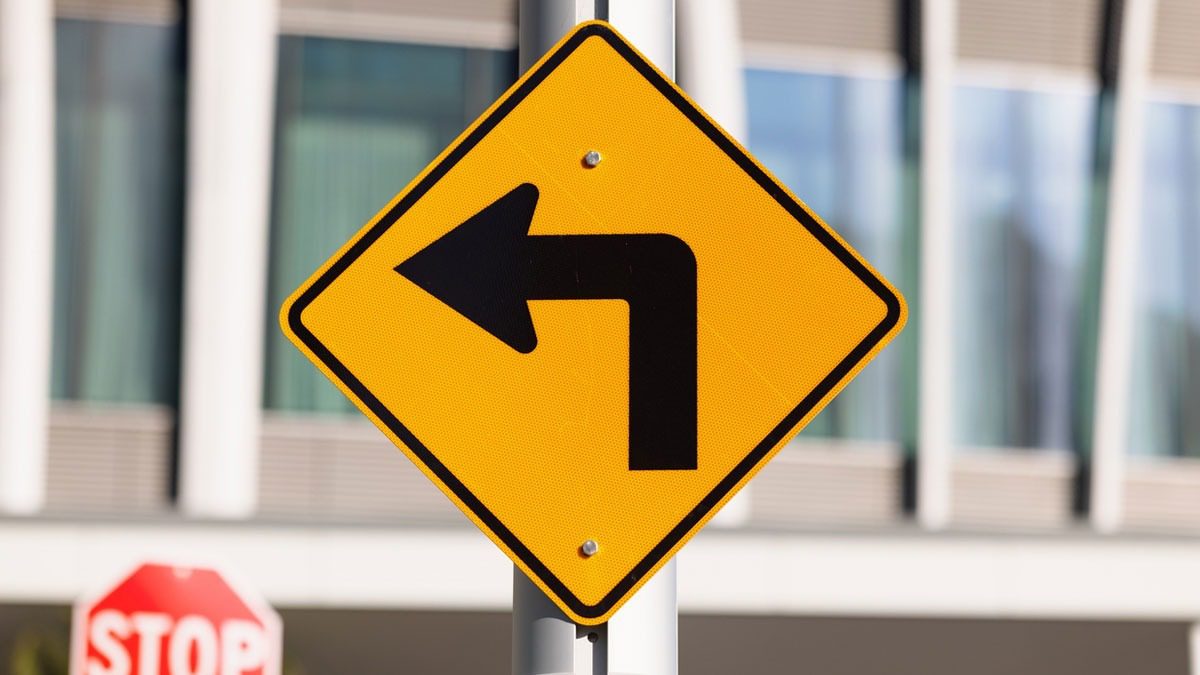
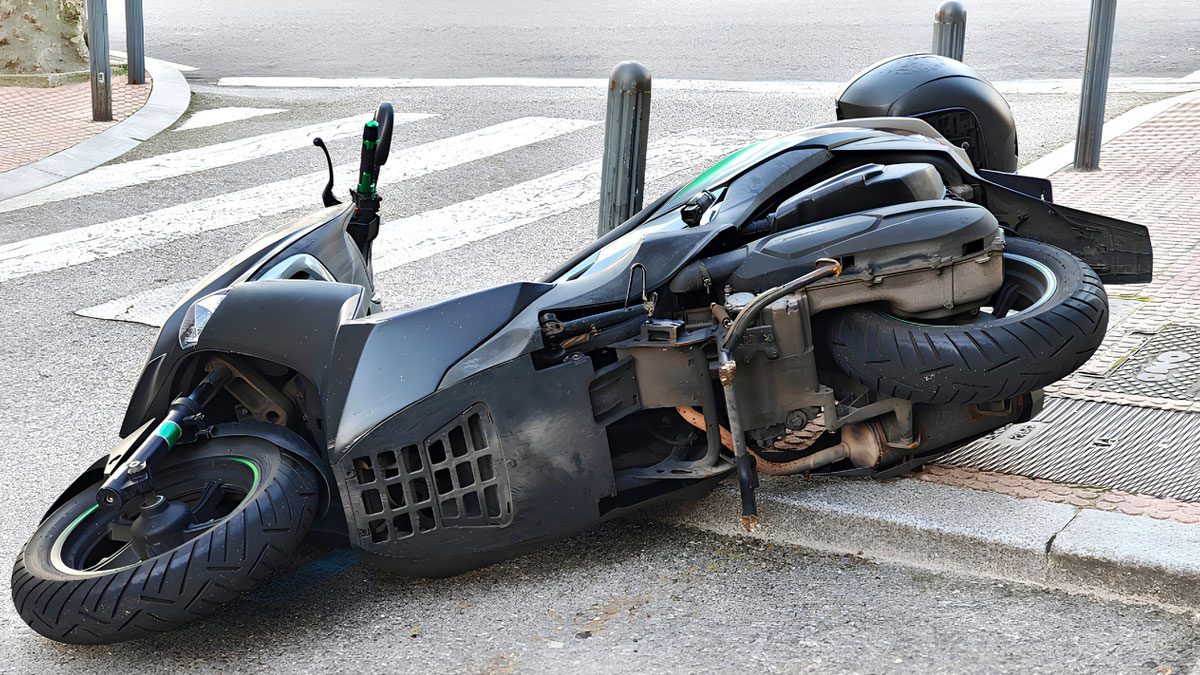
Motorcycle left-turn collisions often occur when a vehicle turns left across the path of an oncoming motorcycle, resulting in a direct impact that leaves the rider exposed. In cities like Las Vegas, Henderson, and Reno, where traffic congestion and multi-lane intersections are common, these accidents happen frequently and can lead to severe injuries.
Because motorcycles are smaller and less visible than passenger vehicles, drivers may misjudge their speed or fail to see them entirely. Determining legal responsibility in these cases requires a detailed analysis of driver behavior, traffic laws, and available evidence. Understanding how liability is established can help injured riders protect their rights and pursue compensation under Nevada law.
How Left-Turn Motorcycle Accidents Occur
Left-turn collisions typically happen at intersections, driveways, or entrances to parking lots. These accidents often involve a driver turning left in front of an approaching motorcycle that has the right-of-way.
Common scenarios include:
- A driver turning left at an intersection without yielding to an oncoming motorcycle
- A vehicle exiting a parking lot or driveway and crossing into a rider’s path
- A driver attempting to “beat” oncoming traffic and misjudging the motorcycle’s speed
- Limited visibility due to obstructions such as other vehicles or structures
- Drivers failing to check blind spots before turning
These situations often develop quickly, leaving the motorcyclist little time to react or avoid the collision.
For a free legal consultation, call (725) 900-9000
Why Motorcycles Are More Vulnerable
Motorcyclists face a higher risk of injury in left-turn collisions because they lack the protective structure of a car. Even at moderate speeds, the impact can be significant.
Factors that increase vulnerability include:
- Smaller vehicle size, making motorcycles harder to see
- Less stability compared to four-wheeled vehicles
- Lack of seatbelts, airbags, or structural protection
- Greater likelihood of being thrown from the bike during impact
According to the National Highway Traffic Safety Administration, motorcyclists are significantly more likely to be injured in crashes compared to occupants of passenger vehicles. These risks make left-turn collisions particularly serious for riders.
Nevada Right-of-Way Laws and Left Turns
Nevada law requires drivers making left turns to yield to oncoming traffic. This includes motorcycles, which are entitled to the same rights as any other vehicle on the road.
Under Nevada traffic laws:
- A driver turning left must yield to vehicles approaching from the opposite direction
- Drivers must ensure the turn can be completed safely before proceeding
- Failure to yield can result in liability if a collision occurs
When a driver fails to yield and causes a crash, that driver is often considered responsible for the accident.
Click to contact our personal injury lawyers today
Liability and Legal Responsibility in Nevada
Determining liability in a motorcycle left-turn collision involves evaluating whether the turning driver acted with reasonable care. In many cases, the driver who made the left turn is found responsible, but each situation must be examined individually.
Potentially liable parties may include:
- The driver who failed to yield during a left turn
- A driver who was distracted or impaired
- A property owner if visibility was obstructed by unsafe conditions
- A government entity responsible for poor road design or malfunctioning signals
Liability may depend on evidence such as traffic signals, road markings, and driver behavior at the time of the crash.
Complete a Free Case Evaluation form now
Evidence Used to Determine Fault
Evidence plays a critical role in establishing who is responsible for a left-turn collision. Because these accidents often involve conflicting accounts, documentation is essential.
Important evidence may include:
- Police reports describing the accident
- Photographs of vehicle positions and damage
- Traffic camera or surveillance footage
- Witness statements
- Skid marks or road conditions
- Data from vehicle systems, if available
This information helps reconstruct how the accident occurred and supports a determination of fault.
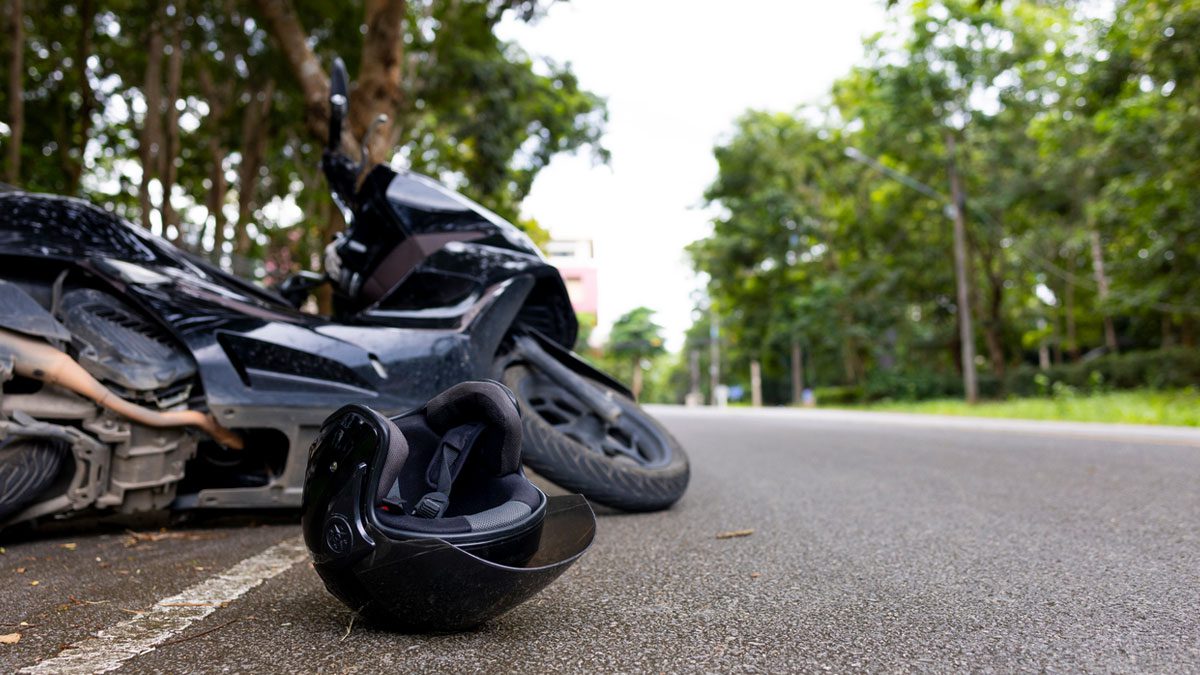
Common Injuries in Motorcycle Left-Turn Collisions
Motorcycle accidents frequently result in serious injuries due to the direct impact and lack of protection for the rider.
Common injuries include:
- Traumatic brain injuries, including concussions
- Spinal cord injuries and herniated discs
- Fractures to the arms, legs, or ribs
- Internal injuries and organ damage
- Road rash and deep abrasions
- Neck and back injuries
The severity of these injuries often leads to extensive medical treatment and recovery time.
What to Do After a Left-Turn Motorcycle Accident
Taking immediate action after a collision can help protect both health and legal rights. Proper documentation and medical care are essential.
Important steps include:
- Seek medical attention immediately
- Call law enforcement to report the accident
- Document the scene with photos and videos if possible
- Collect contact information from witnesses
- Avoid making statements about fault at the scene
- Keep records of medical treatment and expenses
These steps can help preserve evidence and support a future claim.
Compensation Available in Motorcycle Accident Cases
In Nevada, individuals injured in motorcycle accidents may be eligible for compensation based on the impact of the injury.
Compensation may include:
- Medical expenses related to treatment
- Lost wages due to time away from work
- Property damage, including motorcycle repair or replacement
The value of a claim depends on the severity of injuries and how they affect daily life.
How Van Law Firm Can Help
Motorcycle left-turn collision cases often involve detailed investigations and disputes over fault. Van Law Firm works with injured riders across Nevada to evaluate claims, gather evidence, and pursue compensation based on the facts of each case.
The firm focuses on building clear, evidence-based claims that reflect the severity of injuries and the circumstances of the accident. Understanding legal responsibility in these cases can help injured individuals move forward and seek accountability under Nevada law.
No obligation consultations are always free.
Let Us Help You! Call Now: (725) 900-9000 MOPED ACCIDENTS LEAD TO NEW PROPOSED BILLS
The high number of moped accidents has led Nevada lawmakers to consider a number of new laws to lower this number. Moped Accident Statistics Moped accidents continue to be a serious concern in Nevad...
 Motorcycle Accidents- Let Us Guide You
If you have been seriously injured in a motorcycle accident or have lost a loved one in a motor vehicle crash involving a motorcycle, your next step should be to talk with an experienced motorcycle ...
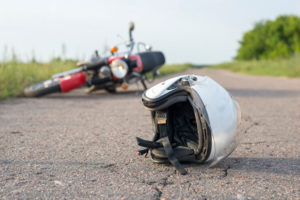 Facts About Nevada Motorcycle Accidents
Nevada is undoubtedly a great place to own and ride motorcycles. The constant rideable weather, lack of precipitation, and miles of open road make two-wheeled adventures a popular pastime here in th...
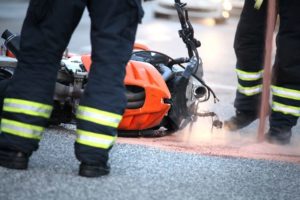 Everything Riders Should Know About Washington Motorcycle Accidents
Washington’s constant rain prevents motorcyclists from riding for most of the year, but when the summer sun comes out so do the two-wheeled enthusiasts. That being said, the increase in motorcycle t...