
Who Is Responsible for a Parking Lot Collision?
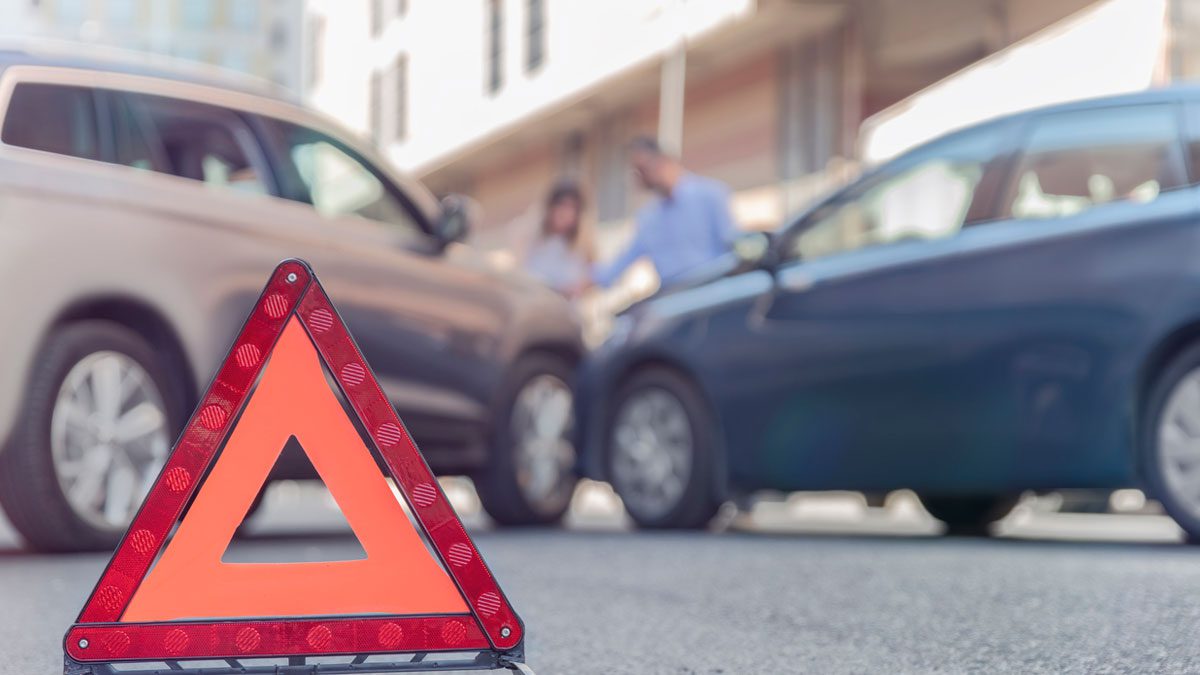
Parking lot collisions are common across Nevada, especially in busy areas like shopping centers, office complexes, and casinos where traffic patterns are less structured than on public roads. These accidents often happen at low speeds, but they can still result in injuries, vehicle damage, and disputes over who is at fault. Determining responsibility in a parking lot collision can be more complicated than a typical roadway accident because of unclear right-of-way rules, multiple points of entry, and shared responsibilities between drivers and property owners.
Understanding how liability is determined in these situations is essential for protecting legal rights and pursuing compensation after an accident.
Common Causes of Parking Lot Collisions
Parking lots present unique driving challenges. Drivers are often navigating tight spaces, watching for pedestrians, and looking for open parking spots at the same time. These distractions can lead to collisions even at low speeds.
Common causes include:
- Drivers backing out of parking spaces without checking for approaching vehicles
- Failure to yield at stop signs or intersections within the parking lot
- Distracted driving, including looking for parking instead of watching traffic
- Speeding through parking lanes
- Poor visibility due to parked vehicles or inadequate lighting
- Pedestrians crossing unexpectedly between vehicles
- Confusion over right-of-way at unmarked intersections
These factors often combine, making it necessary to carefully examine the details of each accident.
For a free legal consultation, call (725) 900-9000
Types of Parking Lot Accidents
Not all parking lot collisions occur in the same way. The type of accident can influence how fault is determined.
Common scenarios include:
- Two vehicles backing out of spaces and colliding
- A moving vehicle striking a parked car
- A driver hitting another vehicle while turning into or out of a parking lane
- A vehicle colliding with a pedestrian
- A driver reversing into a vehicle traveling through the lane
Each scenario requires a different analysis of driver behavior and responsibility.
Right-of-Way Rules in Parking Lots
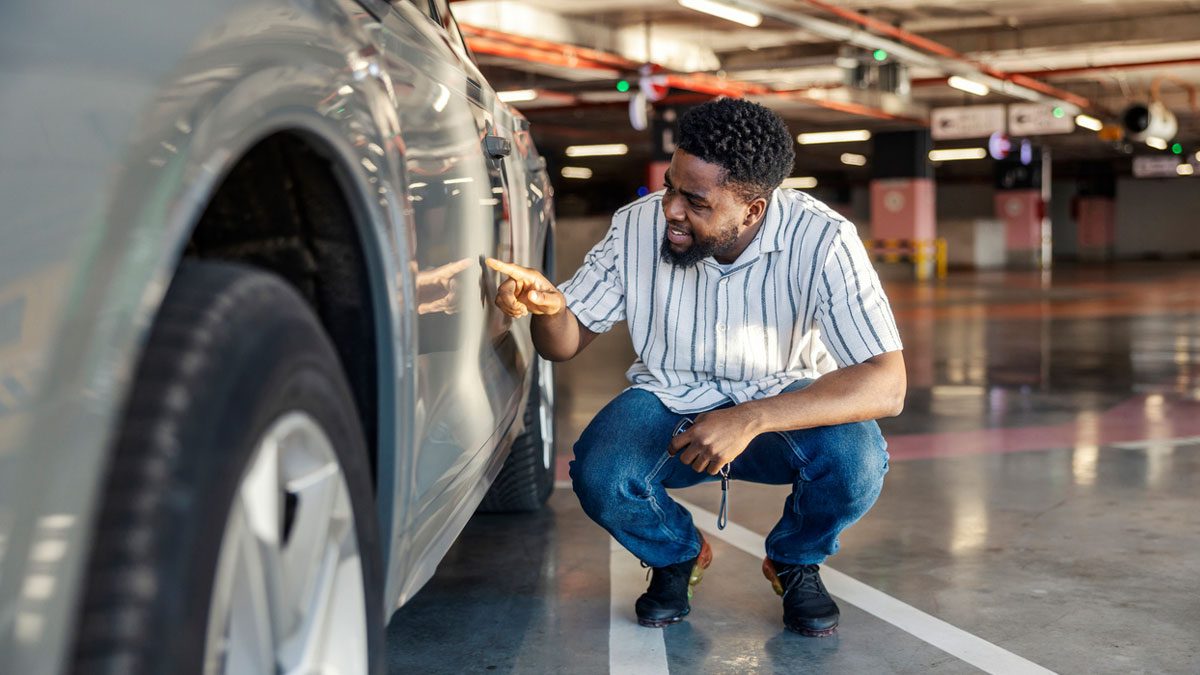
Although parking lots are often considered private property, drivers are still expected to follow basic traffic principles. In many cases, determining fault comes down to who had the right-of-way.
General guidelines include:
- Vehicles traveling in main lanes typically have the right-of-way over vehicles entering from parking spaces
- Drivers backing out of spaces must yield to moving traffic
- Vehicles in marked lanes or aisles generally have priority over those cutting across rows
- Stop signs and directional arrows within parking lots must be followed
Click to contact our personal injury lawyers today
Liability and Legal Responsibility in Nevada
Determining liability in a parking lot collision involves identifying which party failed to act with reasonable care. Nevada follows an at-fault system, meaning the driver responsible for causing the accident is also responsible for the resulting damages.
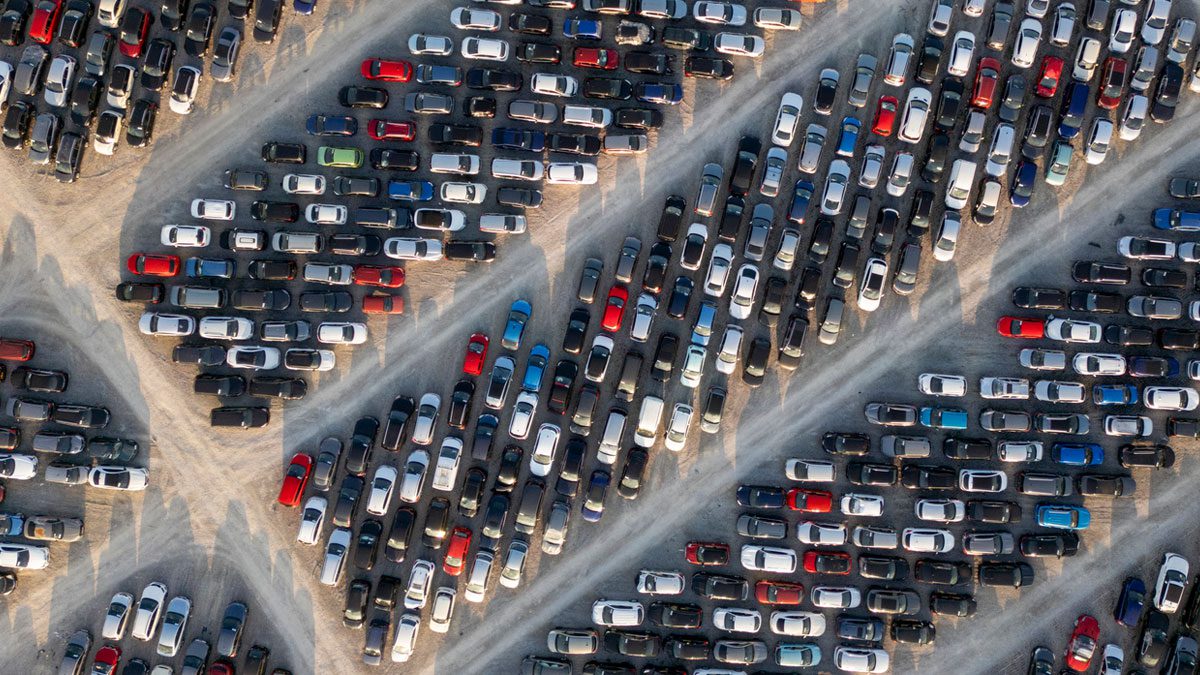
Potentially liable parties may include:
- A driver who failed to yield or was driving recklessly
- A driver who was distracted or not paying attention
- A property owner who failed to maintain safe conditions in the parking lot
- A business responsible for inadequate lighting or poor traffic design
In some cases, more than one party may share responsibility. For example, a driver may be partially at fault for not paying attention, while a property owner may also bear responsibility for poor visibility or unclear signage.
Complete a Free Case Evaluation form now
The Role of Property Owners
Parking lot owners and operators have a responsibility to maintain reasonably safe conditions. This includes ensuring that the lot is properly designed, maintained, and free from hazards.
Property owners may be held liable if they fail to:
- Maintain clear markings, signage, and traffic flow indicators
- Provide adequate lighting for visibility at night
- Repair potholes, cracks, or other dangerous surface conditions
- Address known hazards that could contribute to accidents
When poor maintenance or design contributes to a collision, a premises liability claim may be appropriate.
What to Do After a Parking Lot Collision
Taking the right steps after a parking lot accident can help protect both safety and legal rights. Even minor accidents should be taken seriously.
Important steps include:
- Check for injuries and seek medical attention if needed
- Call local law enforcement to report the accident
- Exchange contact and insurance information with the other driver
- Take photographs of vehicle damage, the scene, and any relevant signage
- Speak with witnesses and collect their contact information
- Avoid admitting fault or making assumptions about what happened
- Obtain a copy of the accident report if one is created
Documentation can be critical in resolving disputes over fault.
Compensation Available After a Parking Lot Collision
Individuals injured in a parking lot accident may be eligible for compensation under Nevada law. The extent of compensation depends on the severity of injuries and the impact of the accident.
Compensation may include:
- Medical expenses related to treatment
- Lost wages due to time away from work
- Property damage, including vehicle repair costs
Even low-speed collisions can lead to injuries such as whiplash, soft tissue damage, or concussions, which may require medical evaluation and treatment..
How Van Law Firm Can Help
Parking lot collisions can involve disputes over fault, limited evidence, and multiple potentially responsible parties. Van Law Firm works with individuals across Nevada to investigate accidents, gather evidence, and pursue compensation based on the facts of each case.
The firm assists with analyzing liability, handling insurance communications, and ensuring that claims reflect the full impact of the accident. Understanding legal rights and responsibilities can help individuals move forward after a parking lot collision and seek accountability under Nevada law.
No obligation consultations are always free.
Let Us Help You! Call Now: (725) 900-9000 Who Is Liable for Amusement Park Accidents?
Amusement park rides are thrilling but can also be dangerous. These parks have obligations to warn patrons of hazards and protect the people from any harm that could result from attending the attrac...