
Why the Severity of a Brain Injury Can Change the Outcome of a Claim
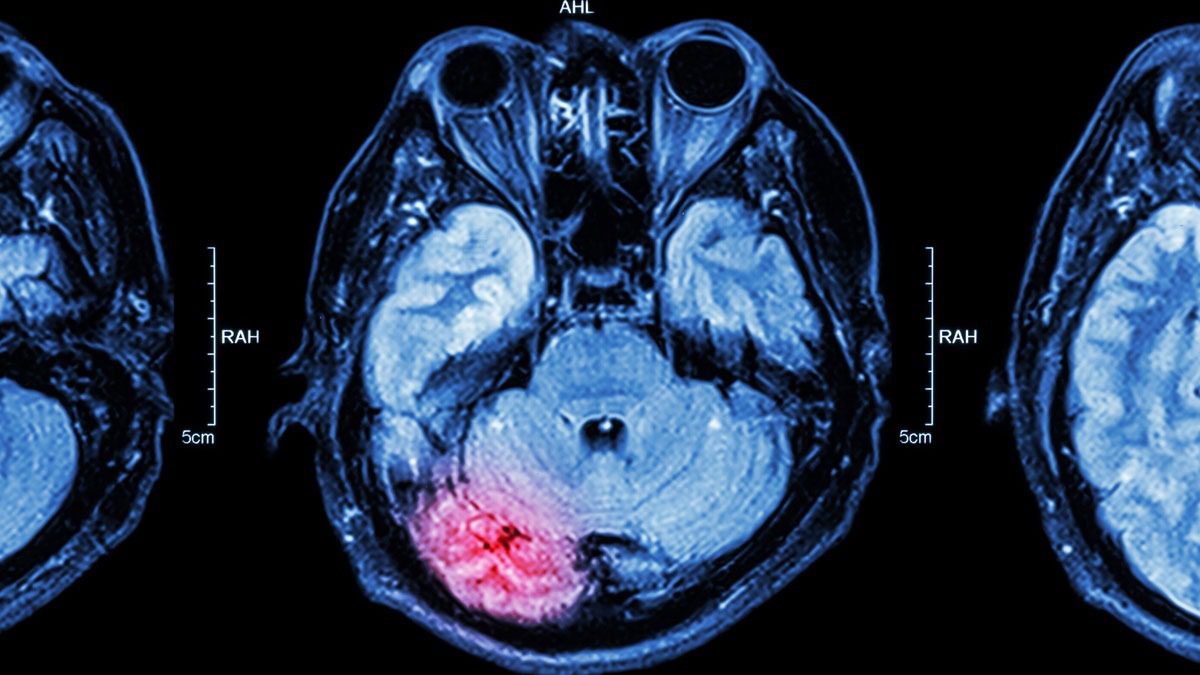
Brain injuries are among the most complex and serious types of injuries seen in personal injury cases across Nevada. Unlike many other injuries, the full impact of a brain injury is not always immediately visible. Symptoms can develop over time, and the long-term effects may vary significantly from one person to another. The severity of a brain injury plays a critical role in determining how a claim is evaluated, how liability is argued, and what type of compensation may be appropriate.
Even a seemingly mild traumatic brain injury can affect memory, concentration, and daily functioning. More severe injuries can lead to permanent cognitive impairment, physical disability, and long-term medical needs. Because of this wide range of outcomes, understanding how severity influences a claim is essential for anyone navigating the legal process after a brain injury in Nevada.
Common Causes of Brain Injuries
Brain injuries can occur in a variety of situations, many of which involve preventable accidents. These incidents often involve sudden impacts or forces that disrupt normal brain function.
Common causes include:
- Motor vehicle accidents involving cars, trucks, or motorcycles
- Slip and fall incidents on unsafe property surfaces
- Pedestrian or bicycle collisions with vehicles
- Sports and recreational injuries
- Assaults or violent incidents
In Nevada, high-traffic roadways and active construction environments contribute to a significant number of head injury cases. Each situation requires a careful review of how the injury occurred and who may be legally responsible.

For a free legal consultation, call (725) 900-9000
Types and Levels of Brain Injuries
Not all brain injuries are the same. Medical professionals typically classify them based on severity, which can directly influence both treatment and legal outcomes.
Common classifications include:
- Mild traumatic brain injury, often referred to as a concussion, which may involve brief loss of consciousness or confusion
- Moderate traumatic brain injury, which may involve longer periods of unconsciousness and more noticeable cognitive impairment
- Severe traumatic brain injury, which can result in extended unconsciousness, significant brain damage, and long-term disability
More specific diagnoses may include:
- Contusions, which are bruises on the brain tissue
- Diffuse axonal injuries, caused by rapid movement of the brain within the skull
- Penetrating brain injuries, where an object pierces the skull
- Hemorrhages or bleeding within or around the brain
According to the National Institute of Neurological Disorders and Stroke, traumatic brain injuries can have lasting neurological effects that require ongoing medical care.

How Severity Impacts Medical Treatment
The severity of a brain injury directly affects the type and duration of medical treatment required. This is one of the most important factors in determining the value of a claim.
For less severe injuries, treatment may include:
- Emergency evaluation and imaging such as CT scans or MRIs
- Short-term observation for worsening symptoms
- Follow-up visits with a primary care provider or neurologist
For more severe injuries, treatment can become far more extensive:
- Hospitalization or intensive care unit monitoring
- Surgical intervention to relieve pressure or stop bleeding
- Long-term rehabilitation, including physical, occupational, and cognitive therapy
- Ongoing neurological care and medication management
More severe injuries often require a longer recovery period and more medical resources, which increases the overall financial impact of the injury.

Click to contact our personal injury lawyers today
How Severity Affects Daily Life and Functioning
One of the key differences between mild and severe brain injuries is how they affect a person’s ability to function in daily life. These effects are often central to how a claim is evaluated.
Mild brain injuries may result in:
- Headaches and dizziness
- Difficulty concentrating
- Short-term memory issues
- Sensitivity to light or noise
More severe brain injuries can lead to:
- Significant memory loss
- Changes in personality or behavior
- Impaired speech or communication
- Loss of motor function or coordination
- Reduced ability to perform basic daily tasks
These functional limitations can interfere with employment, relationships, and independence. The more severe the impact, the more substantial the claim is likely to be.
Complete a Free Case Evaluation form now
Liability and Legal Responsibility in Nevada
Liability in a brain injury case depends on proving that another party’s negligence caused the injury. Nevada law requires showing that a responsible party failed to act with reasonable care and that this failure led to harm.
Potentially liable parties may include:
- Drivers who violate traffic laws or operate vehicles recklessly
- Property owners who fail to maintain safe premises
Nevada follows an at-fault system, meaning the party responsible for the accident is also responsible for the damages that result.
Establishing liability often involves gathering evidence such as accident reports, witness statements, medical records, and expert testimony.
Why Severity Plays a Role in Claim Value
The severity of a brain injury is one of the primary factors used to determine the value of a personal injury claim. More severe injuries typically result in higher damages because they involve greater disruption to a person’s life.
Factors influenced by severity include:
- The total cost of medical care
- The length of recovery and need for ongoing treatment
- The extent of physical and cognitive impairment
- The impact on the ability to work and perform daily activities
- The level of pain and discomfort experienced
Insurance companies and courts often rely on medical documentation to assess severity. Clear evidence of long-term or permanent impairment can significantly affect how a claim is evaluated.
What to Do After a Brain Injury
Taking the right steps after a suspected brain injury is critical for both health and legal reasons. Immediate action can help prevent complications and preserve important evidence.
Important steps include:
- Seek medical attention immediately, even if symptoms seem mild
- Follow all recommended treatment plans and attend follow-up appointments
- Document symptoms and any changes in condition over time
- Keep records of medical visits, diagnoses, and expenses
- Avoid activities that could worsen the injury
- Do not provide recorded statements to insurance companies without legal guidance
Prompt medical documentation can also strengthen a claim by clearly linking the injury to the accident.
Compensation Available in Brain Injury Cases
In Nevada, individuals who suffer a brain injury due to another party’s negligence may be eligible for compensation. The severity of the injury plays a major role in determining the amount and types of damages available.
Compensation may include:
- Medical expenses related to diagnosis and treatment
- Lost wages during recovery
- Rehabilitation and therapy costs
- Loss of enjoyment of daily activities
Each case is unique, and the total value depends on how the injury affects the individual’s life.
How Van Law Firm Can Help
Brain injury cases often involve complex medical evidence and long-term considerations that require careful legal analysis. Van Law Firm represents individuals across Nevada who have suffered head injuries due to negligence.
The firm works to investigate the cause of the injury, gather medical and expert evidence, and pursue compensation that reflects the severity of the harm. Legal guidance can help ensure that all aspects of the injury are properly evaluated and presented.
Understanding how the severity of a brain injury affects a claim can help injured individuals protect their rights and pursue accountability under Nevada law.
No obligation consultations are always free.
Let Us Help You! Call Now: (725) 900-9000 INSTALLATION OF POSITIVE TRAIN CONTROL TECHNOLOGY
Railroads are required to install positive train control technology but a report by the FRA shows that while some railroads have made significant progress, many freight and commuter railroads are no...
 KIDS WITH GUNS: WHO IS LIABLE?
Gun owners may be liable for the injuries and deaths that are caused when kids accidentally shoot someone. Of the 265 kid-with-gun shootings reported in 2015, 83 resulted in a death. Forty-one young...
 CUMULATIVE TRAUMA ON THE TRACKS
Cumulative trauma injuries accumulate over time and often result in severe injuries for railroad workers. Railroad workers operate in hostile environments where life-changing accidents are common, b...
 E-SCOOTER DANGERS: THE COST OF CONVENIENCE
E-scooters are becoming increasingly popular across the United States and riders need to be aware of the dangers involved. These motorized vehicles are a top transportation choice among commuters in...