
How Evidence Impacts the Value of a Personal Injury Case
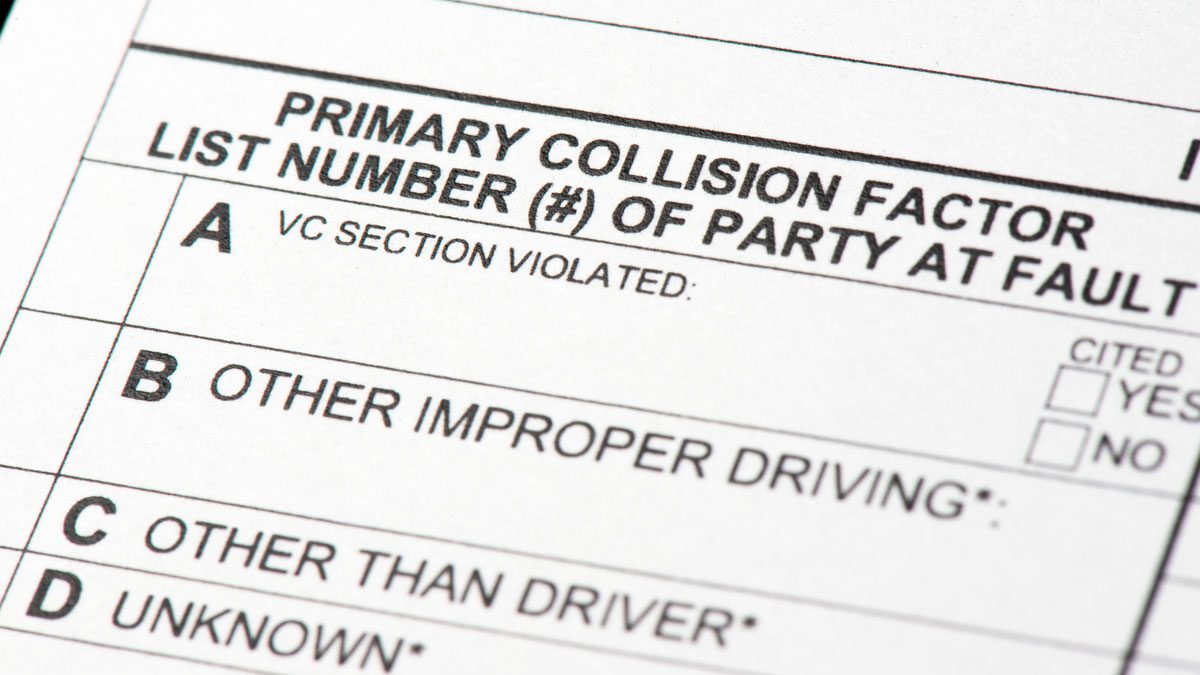
Evidence is one of the most important factors in determining the outcome and value of a personal injury case in Nevada. After an accident, the strength, quality, and consistency of the evidence can directly influence how liability is established and how damages are calculated. Without strong supporting documentation, even a serious injury can be difficult to prove. On the other hand, clear and well-organized evidence can significantly strengthen a claim and support a more accurate evaluation of the harm suffered.
Personal injury claims are built on facts. Insurance companies and courts rely on evidence to understand what happened, who was responsible, and how the injury has affected daily life. The more complete and reliable the evidence, the stronger the foundation of the case.
Types of Evidence in Personal Injury Cases
Different types of evidence work together to tell the full story of an accident and its impact. Each type serves a specific purpose in establishing liability and damages.
Common forms of evidence include:
- Medical records that document injuries, diagnoses, and treatment
- Photographs of the accident scene, injuries, and property damage
- Video footage from surveillance cameras, dashcams, or nearby businesses
- Police or incident reports that describe what occurred
- Witness statements that provide independent accounts of the event
- Employment records showing missed work or lost income
- Expert opinions from medical or accident reconstruction professionals
When these forms of evidence align, they create a clearer and more persuasive picture of the incident.
For a free legal consultation, call (725) 900-9000
How Evidence Establishes Liability
Liability in a personal injury case depends on showing that another party failed to act with reasonable care and caused harm. Evidence is used to demonstrate each part of that process.
For example, in a car accident case, evidence may show:
- The position of vehicles at the scene
- Traffic signal data or right-of-way conditions
- Statements from drivers and witnesses
- Photographs of damage and skid marks
Clear evidence of fault can reduce disputes and help move a claim forward more efficiently.
The Role of Medical Evidence
Medical evidence is often the most influential factor in determining the value of a personal injury claim. It connects the accident to the injury and shows the extent of harm.
Important medical evidence includes:
- Initial diagnosis and emergency treatment records
- Imaging results such as X-rays, CT scans, or MRIs
- Treatment plans and follow-up care documentation
- Notes from physicians, specialists, or therapists
- Records of prescribed medications
Consistent medical records help establish both the severity of the injury and the need for ongoing care.

Click to contact our personal injury lawyers today
How Documentation Affects Claim Value
The value of a personal injury claim is closely tied to how well damages are documented. Gaps or inconsistencies in evidence can weaken a claim, while thorough documentation can support a more accurate assessment.
Key factors influenced by documentation include:
- The total cost of medical treatment
- The length of recovery
- The impact of the injury on daily activities
- The credibility of the injured individual’s account
- The strength of the connection between the accident and the injury
Insurance companies often scrutinize records for inconsistencies. Strong documentation can reduce challenges and support a fair evaluation.
Complete a Free Case Evaluation form now
Witness Testimony and Credibility
Witness statements can provide valuable support for a claim, especially when there is a dispute about how an accident occurred. Independent accounts can reinforce the injured party’s version of events.
Effective witness testimony typically includes:
- Clear descriptions of what was observed
- Consistency with other evidence
- Lack of personal interest in the outcome
The credibility of both witnesses and the injured individual can influence how evidence is interpreted. Consistent and reliable statements strengthen a case.
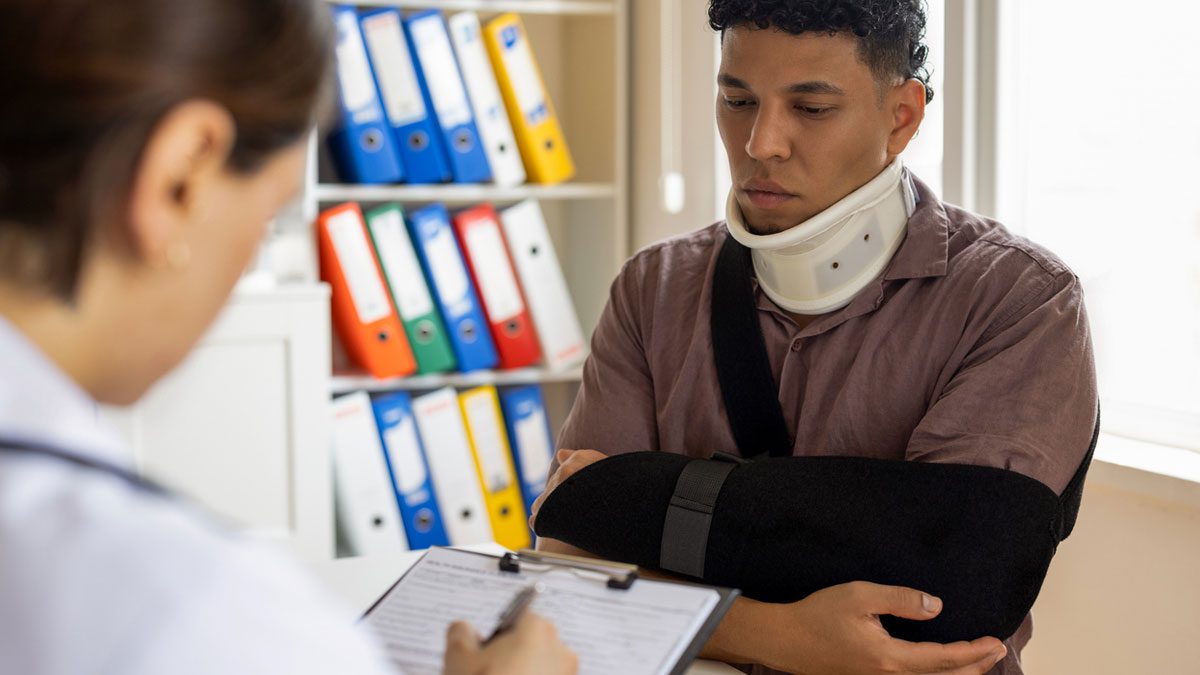
The Importance of Timely Evidence Collection
Evidence is often most reliable when it is collected soon after an accident. Delays can result in lost or altered information.
Important considerations include:
- Physical evidence at the scene may be removed or repaired
- Surveillance footage may be overwritten or deleted
- Witness memories may fade over time
- Injuries may change or heal, making documentation more difficult
Acting quickly helps preserve critical details that may be essential to the case.
Common Challenges With Evidence
Not all cases have clear or complete evidence. Challenges can arise when key information is missing or disputed.
Common issues include:
- Lack of photographic or video evidence
- Conflicting witness statements
- Delayed medical treatment
- Incomplete or inconsistent records
- Disputes over the cause of the injury
These challenges do not necessarily prevent a claim, but they can make it more complex and may affect the overall value.
Compensation and the Role of Evidence
Evidence plays a central role in determining the types and amounts of compensation available in a personal injury case. The stronger the evidence, the more clearly damages can be demonstrated.
Compensation may include:
- Medical expenses related to treatment
- Lost wages due to time away from work
- Property damage
The extent of compensation depends on how well the evidence supports the claimed damages.
How Van Law Firm Can Help
Building a strong personal injury case requires careful collection, organization, and presentation of evidence. Van Law Firm works with individuals across Nevada to evaluate claims, gather supporting documentation, and address challenges that may arise during the process.
The firm focuses on developing a clear and comprehensive record of both liability and damages. By ensuring that evidence is properly documented and presented, claims can more accurately reflect the impact of an injury under Nevada law.
Understanding how evidence impacts the value of a personal injury case can help individuals take the right steps after an accident and protect their legal rights.
No obligation consultations are always free.
Let Us Help You! Call Now: (725) 900-9000 INSTALLATION OF POSITIVE TRAIN CONTROL TECHNOLOGY
Railroads are required to install positive train control technology but a report by the FRA shows that while some railroads have made significant progress, many freight and commuter railroads are no...
 KIDS WITH GUNS: WHO IS LIABLE?
Gun owners may be liable for the injuries and deaths that are caused when kids accidentally shoot someone. Of the 265 kid-with-gun shootings reported in 2015, 83 resulted in a death. Forty-one young...
 CUMULATIVE TRAUMA ON THE TRACKS
Cumulative trauma injuries accumulate over time and often result in severe injuries for railroad workers. Railroad workers operate in hostile environments where life-changing accidents are common, b...
 E-SCOOTER DANGERS: THE COST OF CONVENIENCE
E-scooters are becoming increasingly popular across the United States and riders need to be aware of the dangers involved. These motorized vehicles are a top transportation choice among commuters in...