
Does Lane Splitting Impact Motorcycle Injury Claims in Nevada?

Motorcycle crashes often result in severe injuries, extensive medical treatment, and long-term financial consequences. When a collision occurs, insurance companies closely examine the motorcyclist’s behavior leading up to the crash. One issue that frequently arises is lane splitting. Many riders are familiar with lane splitting in other states, but Nevada law treats this practice differently. Understanding how lane splitting is viewed under Nevada law is critical when evaluating how it can affect a motorcycle injury claim.
Lane splitting can influence how fault is assessed, how insurers evaluate a claim, and whether compensation is available after a motorcycle accident. The legal consequences depend heavily on how the crash occurred, where it happened, and what actions both the rider and other drivers took before the collision.
What Is Lane Splitting?
Lane splitting refers to a motorcycle traveling between lanes of stopped or moving traffic, typically between two vehicles traveling in the same direction. Riders often lane split to avoid congestion, reduce exposure to rear-end collisions, or keep engines from overheating in slow traffic.
Lane splitting is sometimes confused with lane filtering. Lane filtering generally refers to motorcycles moving between vehicles that are stopped at traffic lights or in gridlocked traffic at low speeds. Nevada law does not recognize either practice as lawful roadway behavior.
For a free legal consultation, call (725) 900-9000
Is Lane Splitting Legal in Nevada?
Lane splitting is not legal in Nevada. Nevada traffic laws require motorcycles to follow the same lane usage rules as passenger vehicles. Motorcycles are expected to occupy a full lane and may not pass other vehicles by riding between lanes of traffic.
Because lane splitting is not permitted, a motorcyclist who is lane splitting at the time of a crash may be cited for a traffic violation. This citation can become a key issue in any subsequent injury claim.

How Lane Splitting Affects Fault Determination
Nevada is an at-fault state, meaning the party responsible for causing a crash is financially responsible for resulting damages. Determining fault is one of the most important aspects of any motorcycle injury claim.
When a motorcyclist is lane splitting at the time of an accident, insurance companies often argue that the rider contributed to the crash by engaging in unlawful behavior. Even if the other driver made a dangerous or unexpected maneuver, insurers may claim that lane splitting increased the risk of a collision.
Law enforcement reports, witness statements, and physical evidence all play a role in how fault is evaluated. If a police report notes that lane splitting occurred, insurers frequently rely on that finding when assessing liability.
Click to contact our personal injury lawyers today
Insurance Company Arguments Involving Lane Splitting
Insurance companies closely scrutinize motorcycle claims involving lane splitting. Common arguments raised by insurers include:
- The rider was operating the motorcycle unlawfully
- The rider reduced visibility by traveling between vehicles
- The rider gave other drivers insufficient time to react
- The rider assumed additional risk by lane splitting
These arguments are often used to dispute liability or reduce the value of a claim. Even when another driver violated traffic laws, insurers may still attempt to shift responsibility onto the motorcyclist.
Complete a Free Case Evaluation form now
Situations Where the Other Driver May Still Be Liable
Lane splitting does not automatically eliminate a motorcyclist’s ability to recover compensation. Each crash is evaluated based on the specific facts and circumstances involved.
A driver may still be held liable if evidence shows that the driver:
- Made an unsafe lane change without signaling
- Opened a vehicle door into traffic without checking mirrors
- Drove while distracted or impaired
- Failed to yield the right of way
- Violated traffic signals or signs
If a driver’s actions directly caused the collision, liability may still attach even if the motorcyclist was lane splitting at the time.

Common Motorcycle Accidents Involving Lane Splitting
Lane splitting collisions often occur in predictable scenarios.
Frequent examples include:
- A vehicle changing lanes suddenly in congested traffic
- A driver opening a door while stopped in traffic
- A vehicle drifting within its lane
- A driver making a last-minute turn or merge
- A driver failing to check mirrors before changing lanes
These crashes often result in the motorcyclist being thrown from the bike or pinned between vehicles, leading to severe injuries.
Injuries Commonly Seen in Lane Splitting Accidents
Motorcyclists involved in lane splitting crashes frequently suffer serious injuries due to limited space and lack of protection.
Common injuries include:
- Traumatic brain injuries and concussions
- Spinal cord injuries and herniated discs
- Fractures to arms, legs, ribs, and pelvis
- Road rash and deep abrasions
- Internal organ damage
- Permanent nerve injuries
These injuries often require surgery, hospitalization, rehabilitation, and long-term medical care.

Evidence That Matters in Lane Splitting Claims
Evidence is critical in determining how lane splitting affects a motorcycle injury claim. Insurance companies rely heavily on documentation when deciding whether to accept or dispute liability.
Important evidence may include:
- Police reports and traffic citations
- Dash camera or surveillance footage
- Witness statements
- Accident scene photographs
- Vehicle damage patterns
- Medical records linking injuries to the crash
Preserving evidence early helps ensure that fault is evaluated fairly and accurately.
Motorcycle Visibility and Driver Awareness
One issue that frequently arises in lane splitting cases is visibility. Drivers often claim they did not see the motorcycle before the crash. However, failure to see a motorcycle does not automatically absolve a driver of responsibility.
Drivers are required to remain attentive, check mirrors, and be aware of surrounding traffic. Evidence showing distracted driving, failure to signal, or unsafe maneuvers can outweigh claims that the motorcycle was difficult to see.
How Nevada Courts Evaluate Lane Splitting Claims
Nevada courts evaluate motorcycle injury claims by examining whether each party acted reasonably under the circumstances. Lane splitting may be considered a traffic violation, but it does not automatically bar recovery.
Courts consider:
- The speed of the motorcycle
- Traffic conditions at the time of the crash
- The actions of the driver involved
- Whether the driver violated traffic laws
- Whether the crash would have occurred absent the driver’s conduct
The outcome depends on how these factors interact in a specific case.
Medical Bills and Financial Impact
Motorcycle injury claims often involve significant medical expenses. Emergency care, surgery, rehabilitation, and ongoing treatment are common.
Recoverable damages may include:
- Emergency medical services
- Hospital stays and surgical procedures
- Physical therapy and rehabilitation
- Prescription medications
- Future medical care
The financial impact of motorcycle injuries can extend well beyond the initial accident.
Lost Income After a Motorcycle Crash
Injuries sustained in motorcycle accidents frequently prevent riders from returning to work for extended periods. Some injuries permanently affect earning ability.
Compensation may include:
- Lost wages during recovery
- Reduced future earning capacity
- Job retraining costs when applicable
These losses can place substantial strain on injured riders and their families.
Steps to Take After a Lane Splitting Accident
Protecting legal rights after a motorcycle crash requires prompt action.
Important steps include:
- Calling 911 and requesting medical assistance
- Seeking immediate medical evaluation
- Cooperating with law enforcement without speculating about fault
- Documenting the scene if it can be done safely
- Collecting witness contact information
- Obtaining a copy of the police report
Early documentation plays a crucial role in resolving disputes about lane splitting and fault.
Why Motorcycle Injury Claims Involving Lane Splitting Are Complex
Claims involving lane splitting are often aggressively challenged by insurance companies. Riders may face assumptions that they acted recklessly, even when other drivers made dangerous decisions.
These cases require careful investigation to:
- Identify all traffic violations
- Preserve evidence
- Reconstruct how the crash occurred
- Address insurer attempts to shift blame
Thorough preparation helps ensure claims are evaluated based on facts rather than assumptions.
How Van Law Firm Can Help
Van Law Firm assists injured motorcyclists throughout Nevada who are facing complex liability disputes after motorcycle accidents. The firm focuses on analyzing how traffic laws apply, evaluating evidence, and pursuing compensation consistent with Nevada law.
Support includes investigating fault, addressing insurance challenges, coordinating medical documentation, and protecting injured riders from unfair blame.
Lane splitting can impact a motorcycle injury claim in Nevada, but it does not automatically eliminate legal rights. Each case depends on the specific facts, the conduct of all parties involved, and how Nevada law is applied. Understanding these factors helps injured motorcyclists protect their rights and pursue accountability after a serious crash.
No obligation consultations are always free.
Let Us Help You! Call Now: (725) 900-9000 MOPED ACCIDENTS LEAD TO NEW PROPOSED BILLS
The high number of moped accidents has led Nevada lawmakers to consider a number of new laws to lower this number. Moped Accident Statistics Moped accidents continue to be a serious concern in Nevad...
 Motorcycle Accidents- Let Us Guide You
If you have been seriously injured in a motorcycle accident or have lost a loved one in a motor vehicle crash involving a motorcycle, your next step should be to talk with an experienced motorcycle ...
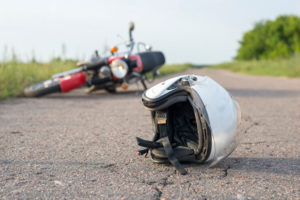 Facts About Nevada Motorcycle Accidents
Nevada is undoubtedly a great place to own and ride motorcycles. The constant rideable weather, lack of precipitation, and miles of open road make two-wheeled adventures a popular pastime here in th...
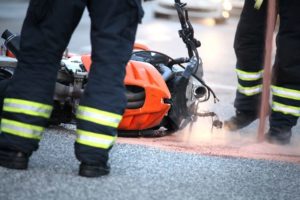 Everything Riders Should Know About Washington Motorcycle Accidents
Washington’s constant rain prevents motorcyclists from riding for most of the year, but when the summer sun comes out so do the two-wheeled enthusiasts. That being said, the increase in motorcycle t...