
Who Is Liable for Dangerous Staircase Falls?
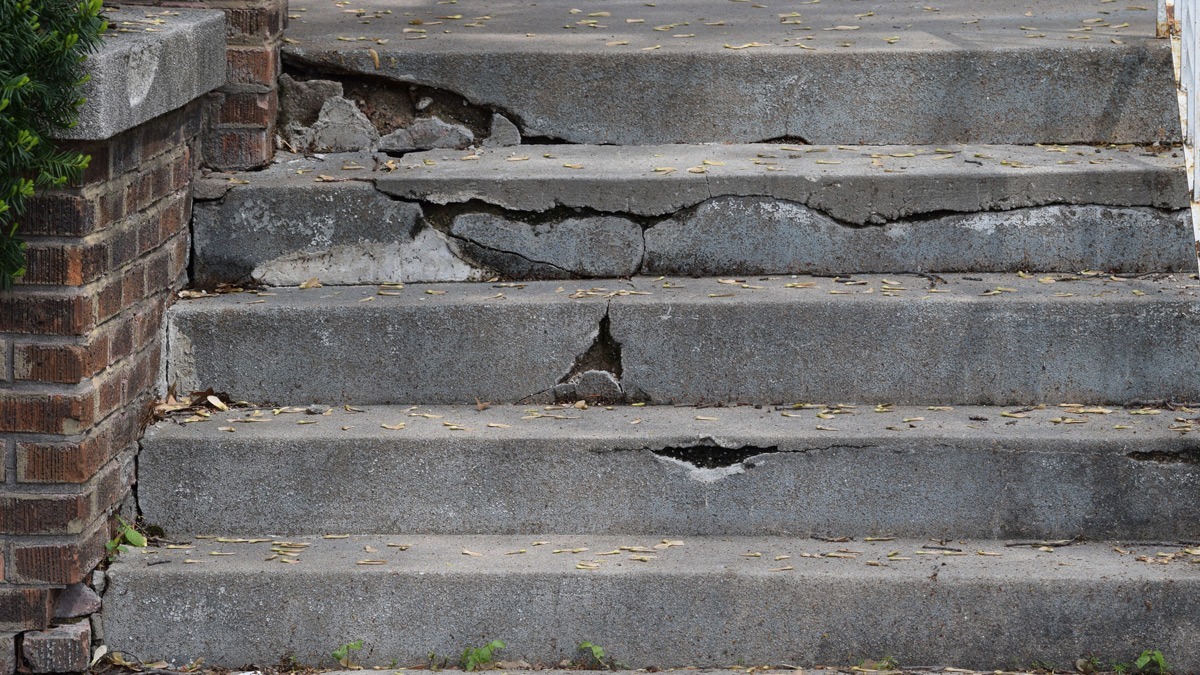
Staircases are part of everyday life. From apartment complexes and office buildings to casinos, parking garages, and hotels, stairs are nearly everywhere. When they are built or maintained improperly, they become serious hazards. A single misstep on a cracked tread or loose handrail can lead to a devastating fall, causing broken bones, traumatic brain injuries, or permanent disability.
Falls on staircases are not always the result of carelessness. In many cases, the stairs themselves are unsafe because of building code violations, poor maintenance, or negligent construction. In those situations, property owners, managers, and other parties may be held legally responsible for the injuries.
Understanding when a staircase becomes dangerous, how building codes factor into liability, and what rights injured people have can make all the difference in recovering compensation.
Why Staircase Accidents Are So Dangerous
Falls are one of the leading causes of injury in the United States. According to the American Journal of Emergency Medicine, stairs are a common source of injury among individuals of all ages.
Staircases are especially risky because a fall often involves multiple impacts—head, spine, hips, arms, or legs hitting one or more hard steps. These injuries are more severe than slips on flat ground and frequently result in:
- Broken wrists, ankles, or hips
- Spinal cord injuries
- Traumatic brain injuries (TBIs)
- Facial fractures and lacerations
- Torn ligaments or tendons
- Internal bleeding
- Long-term mobility issues
Older adults, children, and individuals with mobility challenges are particularly vulnerable. But anyone can be seriously hurt if the stairs are not up to code.

For a free legal consultation, call (725) 900-9000
What Makes a Staircase Dangerous?
A staircase may be unsafe for many reasons. Common hazards include:
- Uneven step height or depth
- Loose or missing handrails
- Broken or crumbling stair treads
- Slippery surfaces without traction
- Poor lighting
- Debris or clutter on stairs
- Lack of required guardrails
- Inadequate markings on edges or landings
- Non-compliance with local building codes
Even a slight variation in riser height between steps can throw off a person’s balance. Combined with poor lighting or missing handrails, the risk of falling increases significantly.
What Are Building Code Violations?
Nevada requires all buildings—commercial, residential, and public—to meet specific safety standards under the International Building Code (IBC) and local ordinances. These codes dictate the construction, size, strength, and placement of staircases, including:
- Uniform riser and tread dimensions
- Minimum and maximum stair height and depth
- Width of stairways
- Handrail height and grip size
- Requirements for landings and guardrails
- Load-bearing capacity
Local enforcement agencies, such as city or county building departments, adopt and inspect structures for compliance. When staircases do not meet these codes, they are considered dangerous by default, and property owners may be liable for resulting injuries.

Click to contact our personal injury lawyers today
Who Can Be Held Liable for Staircase Accidents in Nevada?
Several parties may be held legally responsible if someone is injured due to a hazardous staircase. Liability depends on who owns, manages, or constructed the property and whether they had a duty to prevent or repair the danger.
1. Property Owners
The primary responsibility for maintaining safe staircases falls on the property owner. Under Nevada premises liability law, owners must:
- Inspect their property regularly
- Repair dangerous conditions promptly
- Warn visitors about known hazards
This duty applies to:
- Landlords of apartment buildings
- Store owners and managers
- Hotel and casino operators
- Office building landlords
- Parking structure owners
- Government entities managing public buildings
Failure to meet this duty may result in legal liability if a guest or tenant is injured.
2. Property Managers
In cases where a management company or third-party firm is responsible for daily operations and maintenance, they may also be held liable. Managers who ignore complaints, delay repairs, or fail to conduct routine inspections can be found negligent.
3. Builders and Contractors
If the staircase was constructed improperly or used substandard materials, the builder or contractor may be liable under negligent construction or product liability principles. This can also apply to subcontractors who installed handrails or safety features incorrectly.
4. Tenants or Businesses
In commercial spaces, the tenant business occupying the space may share responsibility for interior staircase safety, especially if the lease places that duty on them. If they made unsafe alterations or failed to report issues, they could be named in a claim.
5. Government Agencies
If the fall occurred on a public staircase, such as those in government buildings, transit stations, or parks, a city, county, or state agency may be liable.

Complete a Free Case Evaluation form now
What Must Be Proven in a Staircase Injury Case?
Nevada law requires injured individuals to prove negligence to recover compensation. This typically involves establishing:
- Duty of care – The owner or manager had a responsibility to maintain the staircase safely.
- Breach of duty – That party failed to meet reasonable safety standards or comply with building codes.
- Causation – The unsafe condition directly caused the fall and resulting injuries.
- Damages – The victim suffered measurable harm, such as medical bills or lost wages.
Building code violations are often considered strong evidence of negligence. If a stairway does not meet code requirements, the property owner may be automatically presumed negligent.
What Compensation May Be Available?
In a successful staircase injury claim, injured victims may receive compensation for:
- Emergency medical care
- Hospital stays and surgery
- Physical therapy and rehabilitation
- Prescription medications
- Assistive devices (braces, walkers, wheelchairs)
- Lost wages during recovery
- Reduced earning capacity
- Pain and suffering
- Emotional distress
- Scarring or disfigurement
- Loss of quality of life
In cases of permanent disability, long-term damages may also be awarded to cover future medical expenses, home modifications, and ongoing care needs.
What If the Victim Was Partially at Fault?
Nevada follows a modified comparative negligence rule. If the injured person was partially responsible for the fall, they may still recover damages. However, their compensation will be reduced by their percentage of fault.
For example, if a jury awards $100,000 in damages and finds the injured person 20 percent at fault for not using a handrail, the final award would be reduced to $80,000.
Additionally, Nevada law bars an individual from recovering damages if they are more than 50% negligent.
What Evidence Can Support a Staircase Injury Claim?
Strong evidence is critical to building a successful case. Examples include:
- Photographs or video of the staircase at the time of the accident
- Incident reports filed with property management
- Witness statements from others who saw the fall
- Surveillance camera footage
- Maintenance logs or repair records
- Prior complaints from tenants or visitors
- Inspection reports or building code citations
- Medical records linking the injury to the fall
- Expert analysis by engineers or building inspectors
Preserving this evidence quickly is important. Staircases may be repaired or altered shortly after an incident, which can make proving liability more difficult.
Time Limits for Filing a Claim in Nevada
In most premises liability cases, Nevada allows two years from the date of the injury to file a personal injury lawsuit. If the case involves wrongful death, the two-year period typically starts from the date of death.
Failing to act within these time limits can result in the claim being dismissed.
What Should You Do After a Staircase Fall?
If you or a loved one is injured on a dangerous staircase, these steps can help protect your health and your legal rights:
- Seek medical attention immediately, even if symptoms are delayed
- Report the incident to the property owner or manager
- Take photos of the stairs, handrails, and surroundings
- Get contact information for any witnesses
- Avoid making statements about fault or accepting blame
- Keep all medical records and receipts
- Contact a Nevada premises liability attorney as soon as possible
How Van Law Firm Can Help
Van Law Firm represents individuals across Nevada who have been injured due to dangerous staircases and building code violations. Our team has the resources and experience to:
- Investigate the cause of your accident
- Identify building code violations
- Collect witness and surveillance evidence
- Work with safety engineers and inspectors
- Negotiate with insurance companies
- File lawsuits against negligent owners or contractors
We understand the long-term impact of serious falls and are committed to recovering full compensation for your injuries and losses.
No Fees Unless We Win
Van Law Firm works on a contingency fee basis. That means:
- No upfront fees
- No hourly billing
- You only pay if we secure compensation for you
We also offer consultations, so you can speak with an attorney without any obligation.
Contact Van Law Firm Today
If you were injured due to a dangerous staircase or building code violation in Nevada, you may have a legal claim. Let Van Law Firm help you recover the compensation you deserve and hold negligent property owners accountable.
No obligation consultations are always free.
Let Us Help You! Call Now: (725) 900-9000 Who Pays Your Medical Bills After a Slip and Fall?
There are three basic forms of insurance that provide coverage after a slip and fall: (1) the injured party’s private insurance (usually through an employer); (2) the commercial liability policy of ...
 DID YOU SLIP AND FALL AT THE HAUNTED HOUSE?
Haunted Houses are often the site of slip and fall injuries. Haunted Houses frighten people using a combination of scare tactics, rides, and props which can combine into a dangerous mixture which re...
 What Elements Do You Need to Prove in a Slip and Fall Case?
Out of all the accidents we see on a regular basis, slips and falls are perhaps the most unpredictable, and because of this, they can be some of the most damaging. Floor hazards such as uneven or we...
 Slip and Fall at a Supermarket: What to Do Next
Supermarkets and grocery stores are full of potential slip and fall hazards: spilled liquids in aisles, produce dropped on the floor, recently mopped surfaces, and uneven entry mats. For shoppers, t...