
How to Report Toxic Mold Exposure and Document Your Case
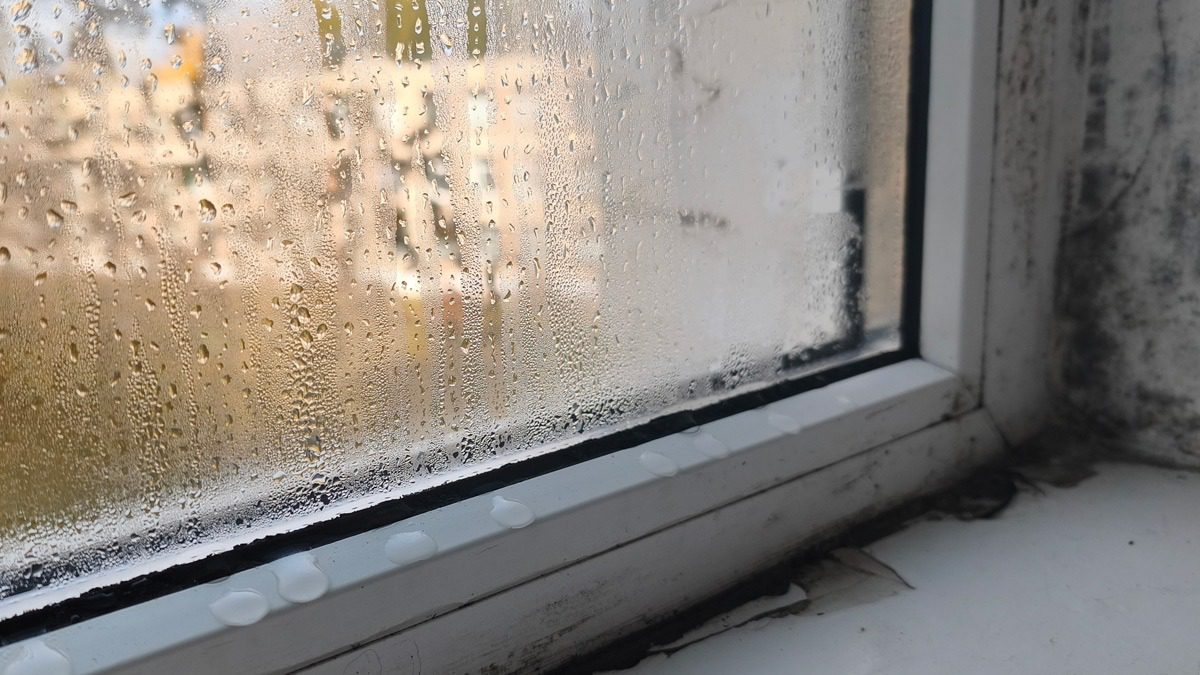
The average person spends over 18 hours a day indoors, so when mold takes hold in your home or workplace, it’s a serious concern. Prolonged exposure to mold poses real risks to your health, property, and finances if you fail to take timely action.
Mold typically develops when moisture accumulates behind walls, under flooring, or inside HVAC systems, spreading quickly and silently before it becomes visible. Sensitive individuals, particularly children, may experience allergic reactions, respiratory irritation, or worsening asthma. The longer they’re exposed, the worse these health consequences become and can even lead to fatalities.
If you suspect harmful mold exposure, act promptly and document every step carefully. Renters may have grounds to seek compensation from an insurer or negligent landlord, though a successful claim generally requires demonstrating not only the presence of mold, but also that the responsible party knew about the problem and failed to address it in a reasonable timeframe.
Understanding Mold Growth and Exposure
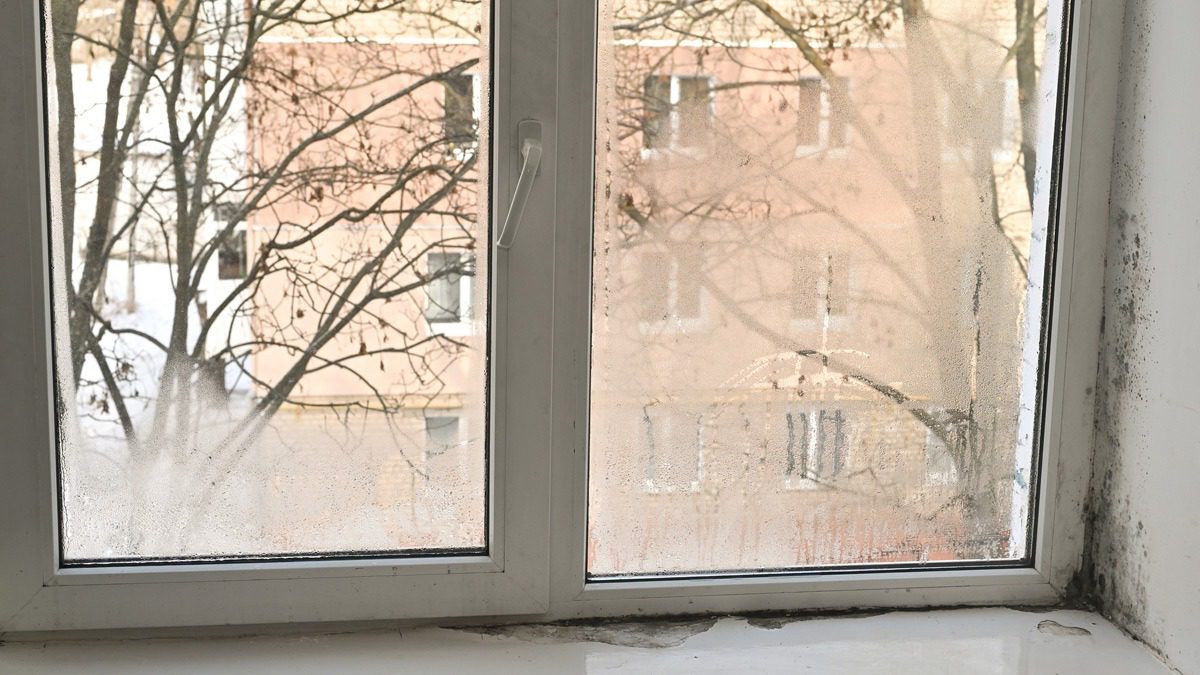
Indoor mold growth is typically linked to water intrusion, particularly roof leaks, plumbing failures, flooding, condensation, or poor ventilation.
While mold spores exist naturally in the environment, elevated indoor growth can create concentrated exposure in enclosed spaces that the body was never designed to tolerate over extended periods. Federal health agencies have recognized that damp indoor environments are associated with respiratory symptoms, asthma exacerbations, and other adverse health outcomes in susceptible individuals.
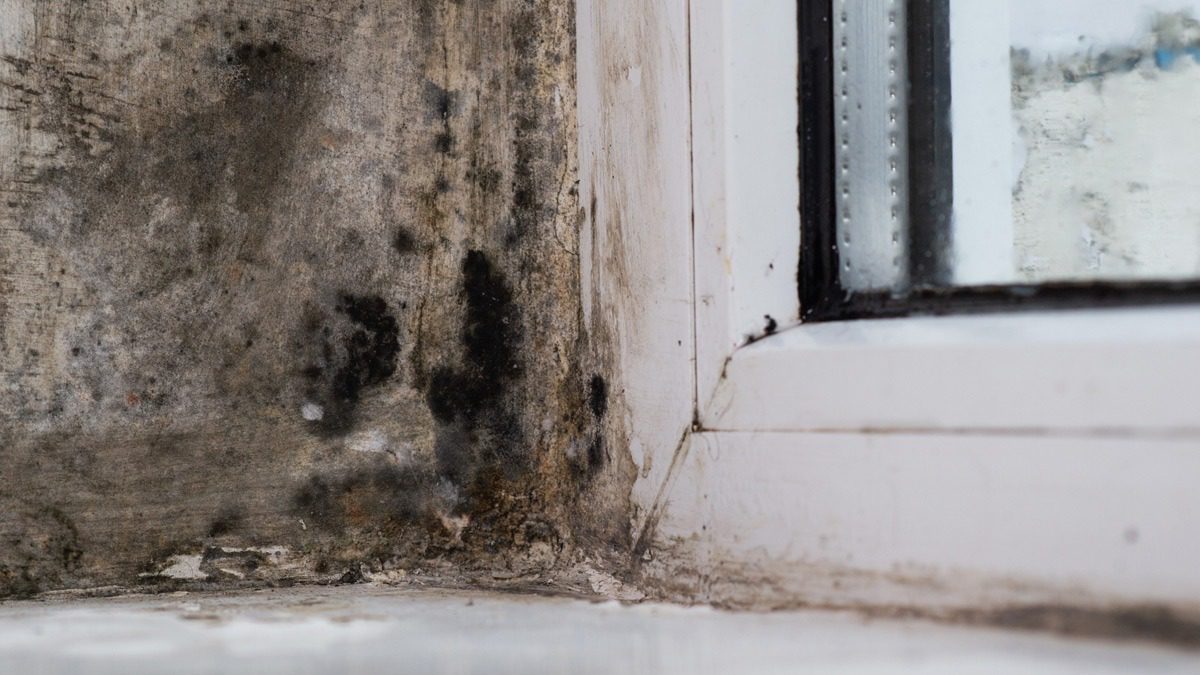
Not all mold is harmful, but certain species, such as black mold (Stachybotrys chartarum), produce mycotoxins that have been associated with more severe reactions. Symptoms of mold exposure include mild irritation of the eyes, nose, and throat to chronic coughing, fatigue, and neurological complaints in cases of prolonged or heavy exposure.
Children, the elderly, pregnant women, and those with compromised immune systems or pre-existing respiratory conditions face a heightened risk.
From a legal standpoint, mold cases usually hinge on four elements:
- Notice
- Causation
- Damages
- Negligence
In practical terms, this means demonstrating that a responsible party, such as a landlord, property manager, or contractor, knew or should have known about the moisture problem or mold growth, failed to act within a reasonable timeframe, and that this failure caused measurable harm to your health or property.
These are the same facts that must be established in slip and fall accidents and any other personal injury case. Establishing causation can be particularly challenging, as it often requires medical documentation, air quality testing, and expert testimony linking the specific mold exposure to your symptoms.
Without clear, contemporaneous documentation, even a well-founded claim can be difficult to prove. That is why careful reporting and evidence collection should begin as soon as mold is suspected, long before any legal action is considered.
For a free legal consultation, call (725) 900-9000
How to Report Mold Exposure Properly
The first step is to create a clear written record. This begins with documenting what you observe and when you observe it. Keep a dated journal noting visible mold growth, musty odors, water leaks, humidity problems, or other signs of moisture. If you are experiencing symptoms that you believe may be related, record when they began and whether they improve when you leave the property.
If you are a tenant, submit a formal written complaint to your landlord or property manager immediately. Email is useful because it automatically creates a timestamped record, but certified mail may provide additional proof of delivery. The written notice should describe the issue in detail, including the location of the mold, any known water sources, and the urgency of the problem. Keep copies of all correspondence and any responses you receive.
Homeowners should notify their insurance company promptly if water damage or mold growth is covered under their policy. Insurance policies often contain strict reporting deadlines, and delayed notice can complicate claims.
When insurance companies become involved, mold exposure claims can quickly escalate into contentious disputes. Insurers may delay, undervalue, or outright deny legitimate claims, and understanding your rights in these situations is essential. If you believe your insurer is acting in bad faith, getting help with insurance bad faith lawsuits can give you a significant edge.
In some situations, particularly where landlords fail to respond, local health departments or housing code enforcement agencies may accept formal complaints. Filing a complaint with a government agency can establish additional documentation that the condition was reported and investigated.
Photographs, Video, and Physical Evidence
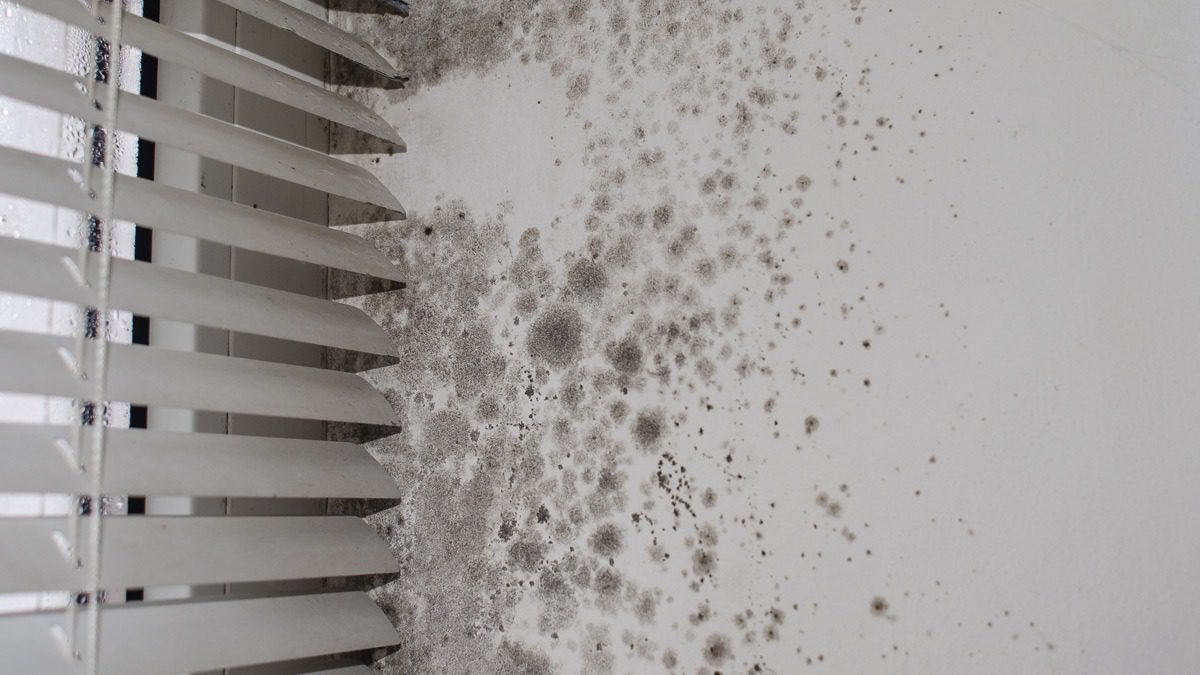
Visual documentation can be extremely persuasive. Take clear photographs and video of visible mold, water stains, damaged drywall, warped flooring, peeling paint, or condensation buildup. Capture wide shots to show location and context, as well as close-up images to show detail. Whenever possible, ensure the date is recorded or embedded in the file metadata.
Continue documenting conditions over time. If the mold spreads or worsens, periodic photographs can establish progression. If repairs are attempted but fail, additional images may demonstrate incomplete remediation.
Avoid disturbing large mold colonies yourself, as this can release spores into the air. Safety should always take priority over documentation.
Professional Inspections and Environmental Testing
While visible mold can support a claim, professional inspection and environmental testing often provide far stronger and more credible evidence, particularly when health damages or significant financial losses are at stake. Engaging a qualified professional early in the process can make the difference between a well-supported claim and one that is difficult to substantiate.
Work With Professional Mold Inspectors
A certified mold inspector, industrial hygienist, or licensed environmental consultant can conduct a thorough assessment of your property. These professionals are trained to identify not just visible mold, but also hidden moisture sources, structural vulnerabilities, and conditions conducive to ongoing growth. Look for inspectors certified through recognized bodies such as the American Industrial Hygiene Association (AIHA) or the Indoor Air Quality Association (IAQA).
What the Inspection Involves
A comprehensive mold inspection typically includes a visual assessment of all accessible areas, moisture mapping using specialized meters and thermal imaging, and air or surface sampling where contamination is suspected. Samples are submitted to an accredited laboratory for analysis, which can identify the specific species present and quantify spore concentrations relative to outdoor baseline levels, which is an important comparison for establishing whether indoor mold levels are abnormally elevated.
Mold Inspection Reports
Inspection reports generally include detailed written findings, moisture readings, annotated photographs, laboratory results, and remediation recommendations. This documentation creates an independent, professionally verified record of the property’s condition at a specific point in time, which can be critical for establishing that a problem existed, its severity, and whether it was being actively ignored or mismanaged by a responsible party.
Click to contact our personal injury lawyers today
Documenting Mold Exposure: What You Need to Prove Your Case
Building a credible mold claim requires a clear, consistent paper trail that connects the environmental condition to measurable harm and establishes who was responsible. The following categories of documentation are typically the most important.
Medical Records and Health Documentation
If you seek medical care for symptoms you believe may be linked to mold exposure, retain complete copies of all relevant records, including diagnostic tests, physician notes, prescriptions, and referral documentation. Be transparent with your healthcare providers about the environmental conditions in your home or workplace so that this context is reflected in their notes.
Consistent documentation of symptoms and treatment over time helps establish the extent and duration of harm, and an exposure history recorded in medical files can become important if expert testimony is later required.
Inspection and Environmental Testing Reports
As discussed above, professional inspection reports, laboratory results, moisture readings, and remediation recommendations all serve as independent verification of the mold’s presence, severity, and likely source. Retain every version of these reports, including any follow-up assessments conducted after remediation.
Maintenance Requests, Repair Logs, and Communications
In many mold cases, the timeline of complaints and responses becomes central to establishing negligence. Keep detailed records of every maintenance request submitted, along with any written responses received. Preserve repair invoices, contractor evaluations, and records of any remediation work performed.
If repairs were delayed, incomplete, or improperly carried out, that paper trail may be your strongest evidence of a responsible party’s failure to act.
Additional Supporting Documentation
Several other categories of evidence can strengthen a claim, including lease agreements or property management contracts, insurance policies and claim correspondence, utility bills reflecting unusual water usage following a leak, building inspection reports, and expert opinions from engineers or environmental consultants.
Each piece of documentation contributes to a clearer and more compelling narrative, including what happened, when it happened, and who bore responsibility for addressing it.
Complete a Free Case Evaluation form now
When to Consult an Attorney for Mold Exposure
Not every mold situation requires legal action. Minor growth that is promptly and properly remediated may be resolved without dispute. However, if you are dealing with substantial property damage, persistent health problems, a denied insurance claim, or a landlord who refuses to address hazardous conditions, it may be time to seek legal guidance.
An attorney experienced in mold and premises liability can evaluate whether the facts support a claim of negligence, breach of habitability standards, or insurance bad faith. Legal counsel can also clarify applicable statutes of limitation, assess the scope of potential damages, and coordinate expert witnesses when the case requires them.
Mold litigation has evolved considerably, and courts increasingly expect well-organized evidence demonstrating both exposure and harm. Consulting an attorney early can give you a decisive edge, before evidence is lost or deadlines are missed.
Van Law Firm represents individuals and families facing complex property damage and toxic exposure disputes. If you believe mold has caused harm and responsible parties have failed to act, our legal team can review your documentation, explain your options, and help you determine the strongest path forward. Contact our experienced personal injury lawyers today to discuss your situation and protect your rights.
No obligation consultations are always free.
Let Us Help You! Call Now: (725) 900-9000 Forklift Accidents & Lawsuits
Forklift incidents commonly occur in the workplace and can cause serious injuries or even death. There are around 20,000 workers in the United States who suffer from these injuries each year. In an ...
 Video Games: Innocent Fun or addictive menace?
If your child was seriously injured due to video game addiction, Van Law Firm Can Help Video Games are everywhere and there is hardly anyone who does not know what they are. More than 200 million pe...
 What You Need To Know About Filing A Suboxone Tooth Decay Lawsuit
Not all that long ago, opioid misuse was so rampant in the United States that experts classified it as a crisis. They say the trouble started back in the 1990s, when prescription opioid medications ...
 Your Rights as a Pedestrian in Las Vegas Crosswalk Accidents
Las Vegas is one of the busiest pedestrian cities in the country, with millions of residents and visitors crossing streets every day, especially along the Strip, in downtown areas, and near resident...