
History of Toxic Mold Exposure Lawsuits
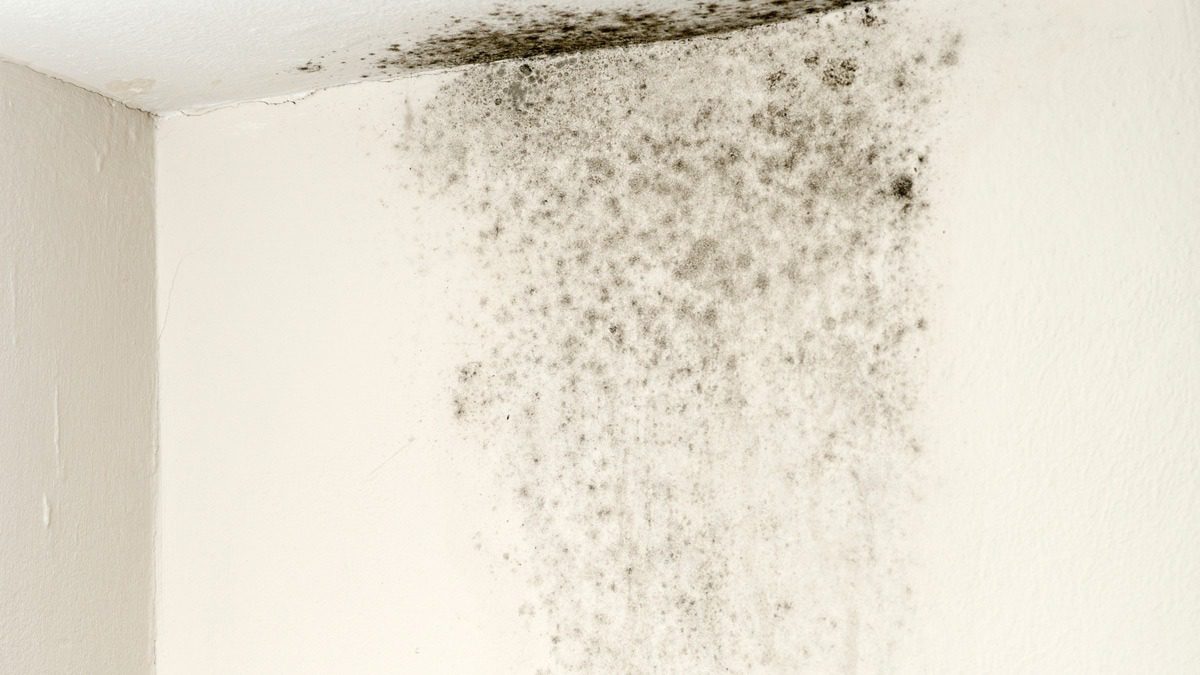
You wouldn’t know it at first, but toxic mold exposure has moved from being an isolated health complaint into the realm of mainstream litigation. Families, school districts, tenants, and even prison inmates are taking legal action against negligent landlords, institutions, and governmental agencies for mold exposure.
Across the country, courts are hearing high-stakes claims alleging that prolonged exposure to mold and fungal contaminants in buildings caused serious illness, leading to costly medical treatment.
One of the most recent was filed against the Cleveland Metropolitan School District, alleging that pervasive mold in classrooms created an unhealthy environment and harmed students and employees. In another, inmates at the Women’s Huron Valley Correctional Facility in Michigan claim the state exposed them to black mold for years, resulting in chronic health problems. Despite aggressive defenses, a federal judge allowed much of that lawsuit to proceed after rejecting claims of qualified immunity.
In Cincinnati, multiple tenants have sued a major housing provider, claiming that toxic mold in their apartments contributed to severe respiratory conditions and other long-term health issues. Together, these cases reflect a growing willingness by courts to scrutinize mold exposure claims when evidence shows systemic neglect.
If you or a loved one has experienced health effects linked to mold exposure, understanding how these lawsuits unfold can be an important first step toward evaluating potential legal options and holding negligent landlords or institutions accountable.
Turning the Tides Against a History of Mold Exposure
One of the earliest and most publicized cases that brought national attention to mold litigation was the Ballard family lawsuit in Texas. The Ballard case helped spark broader public awareness and legal interest in mold exposure claims.
In the early 2000s, a California family also negotiated a significant settlement in a case alleging that toxic mold from contaminated lumber in their home had caused neurological and developmental injuries.
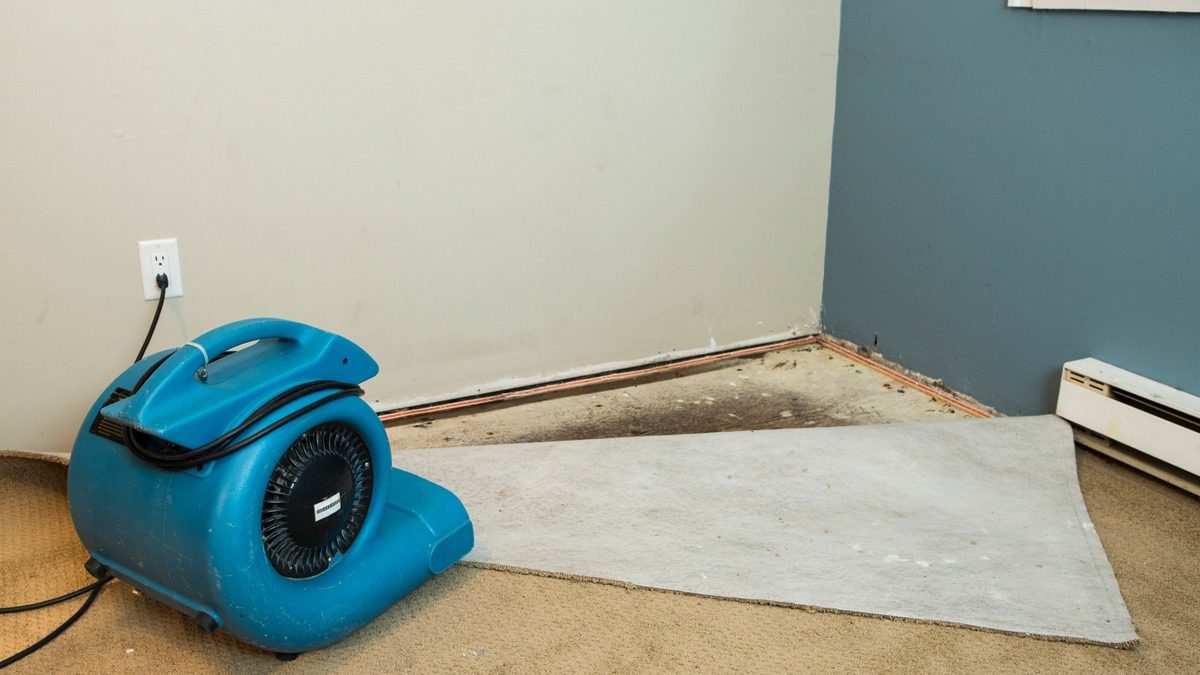
Yes, You Can Sue for Toxic Mold
We’re reviewing these cases to show that it’s possible to sue for mold exposure and win. In fact, as the mold litigation landscape developed, larger settlements followed in both residential and workplace settings.
In a more recent example, a Florida jury found a rental apartment liable for a tenant exposed to toxic mold in 2021. Depending on the case, a jury may assign significant monetary value when evidence of ongoing exposure and severe health impacts is compelling.
Attorneys specializing in toxic mold litigation continue to report large numbers of individual or coordinated claims under development. That includes hundreds involving condominium residents alleging HOA neglect and hundreds more in housing and commercial contexts.
For a free legal consultation, call (725) 900-9000
What’s Happening Now With Toxic Mold Lawsuits
Courts across the country are actively handling a growing number of mold exposure lawsuits, many of which share similar allegations. These cases typically involve claims that landlords, school districts, housing authorities, or government agencies failed to properly inspect, remediate, or warn occupants about persistent mold problems.
Plaintiffs often allege that these failures led to prolonged exposure, serious respiratory illness, neurological symptoms, immune system complications, and other long-term health effects.
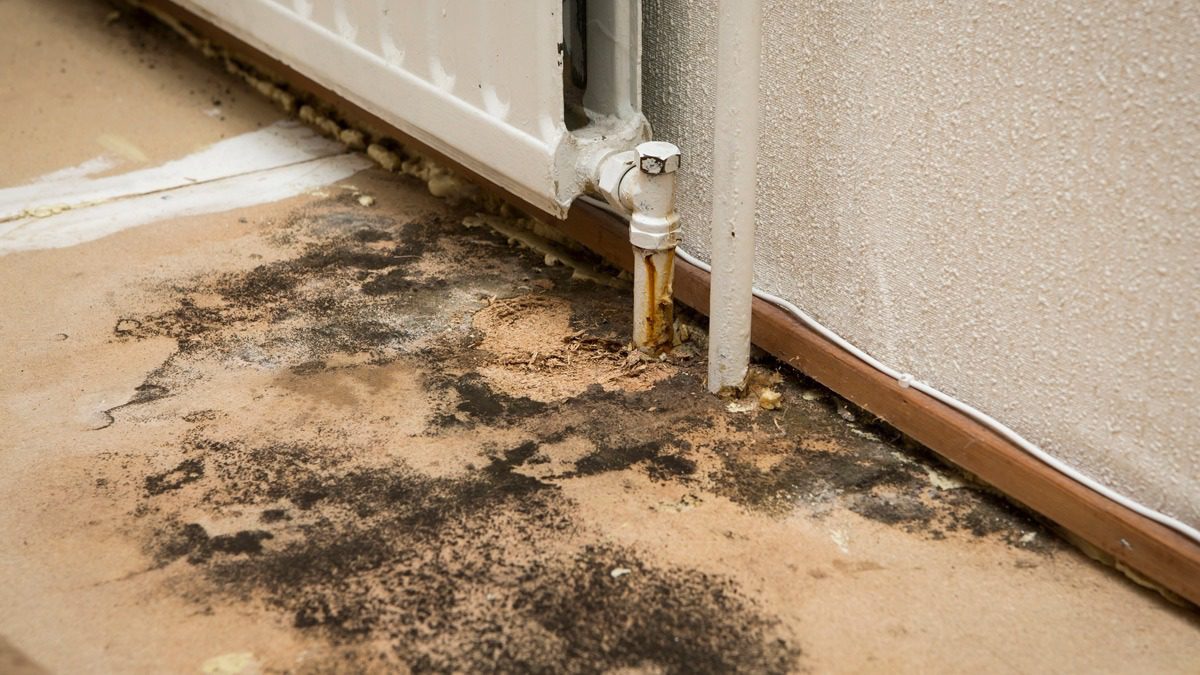
Several recent lawsuits remain in early to mid-litigation stages, with courts addressing motions to dismiss, immunity defenses, and disputes over expert testimony and medical causation. In some instances, particularly where public institutions are involved, judges have allowed claims to proceed after finding that plaintiffs plausibly alleged knowledge of mold hazards and deliberate inaction.
These rulings are closely watched, as they will set a precedent and help clarify what evidence is sufficient to move a mold exposure case forward. Some of these cases will likely resolve through settlement, while others could proceed to trial.
How Do You Win a Toxic Mold Case?
Successful toxic mold cases usually hinge on clear documentation and causation. Plaintiffs must show:
- Hazardous mold was present
- The property owner knew, or should have known, about the mold
- They failed to act despite knowing about the mold
- That exposure directly caused measurable health harm.
Key evidence often includes professional mold inspections, air or surface testing, maintenance records, written complaints, photos of water damage, and medical documentation showing symptom onset after exposure. Expert testimony, such as from industrial hygienists and physicians, is commonly required to link mold levels to specific injuries.
Most claims rely on state premises liability, negligence, habitability, or wrongful death laws, depending on the facts. A common thread in successful cases is proof of prior notice plus inaction, with proof in the form of emails, repair requests, or inspection reports that show landlords or institutions ignored moisture problems.
Strong medical timelines and third-party testing also make a big difference in build a toxic mold exposure lawsuit.
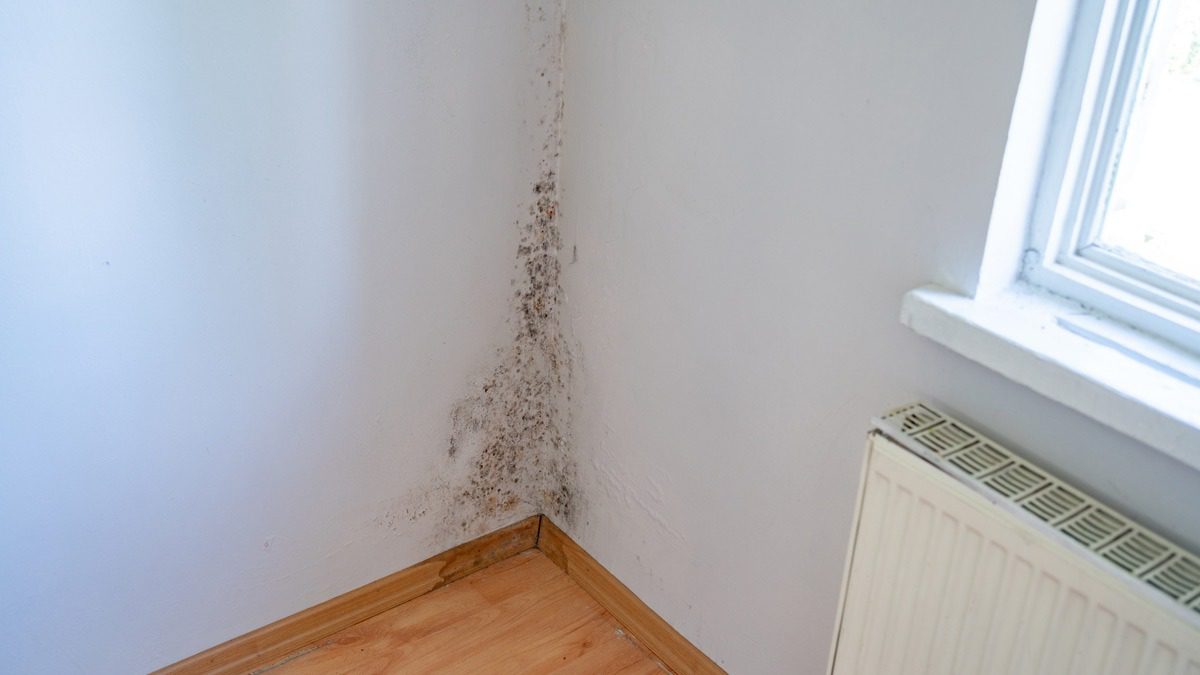
What Does Toxic Mold Do To You?
Toxic mold exposure is a serious health hazard. Black mold can affect multiple body systems, especially after prolonged or repeated contact. While symptoms vary by individual and exposure level, reported health effects commonly include:
- Respiratory problems: Chronic coughing, wheezing, shortness of breath, sinus congestion, and asthma flare-ups are among the most frequent complaints.
- Neurological symptoms: Headaches, dizziness, brain fog, memory issues, and difficulty concentrating have been linked to ongoing exposure.
- Immune system disruption: Some people experience heightened sensitivity to allergens, recurring infections, or inflammatory responses.
- Fatigue and systemic effects: Persistent tiredness, weakness, and generalized malaise may develop over time.
- Skin and eye irritation: Rashes, itching, burning eyes, and redness are common in damp or mold-contaminated environments.
Children, older adults, and people with preexisting respiratory or immune conditions tend to face higher risks. In severe cases, long-term exposure has been associated with lasting respiratory impairment and reduced quality of life, particularly when mold problems go unaddressed.
The Human Cost of Mold Exposure
A 2024 San Diego case ended in a settlement after a senior living resident suffered life-threatening COPD flare-ups linked to mold from unresolved water damage. Facility staff knew she depended on supplemental oxygen and had severe lung disease, yet failed to remediate a leak that led to heavy airborne mold. Despite professional testing and low-cost remediation recommendations, management took no action. The resident required repeated hospitalizations, with medical records showing clear decline after exposure.
In another case, a family reached a wrongful death settlement after their three-year-old son died from aspergillus colonization traced to mold in their apartment. Both parents and a sibling also developed health issues.
A La Jolla rental settled after tenants developed serious respiratory complications from crawlspace moisture and drainage failures. One required sinus surgery and lost hearing in one ear, with experts directly attributing the damage to prolonged mold exposure.
Make no mistake—black mold is a serious and sometimes fatal hazard. If you or someone you know has suffered from toxic mold exposure due to negligence, there may be legal options available to help pursue accountability and compensation.
What You Can Do About Black Mold Exposure
If you suspect black mold in your home, apartment, or workplace, act quickly. Start by documenting visible mold, water damage, and musty odors, and seek medical evaluation if you develop respiratory, neurological, or unexplained symptoms. Request professional inspection and remediation in writing, and keep copies of all communications, medical records, and test results.
If you or a family member became ill after documented mold exposure, whether through worsening asthma, chronic coughing, sinus infections, or more severe complications, you may have legal options.
Van Law Firm investigates mold exposure claims and offers free consultations to help determine whether compensation may be available. Take action now to protect your health and help hold responsible parties accountable.
No obligation consultations are always free.
Let Us Help You! Call Now: (725) 900-9000 Forklift Accidents & Lawsuits
Forklift incidents commonly occur in the workplace and can cause serious injuries or even death. There are around 20,000 workers in the United States who suffer from these injuries each year. In an ...
 Video Games: Innocent Fun or addictive menace?
If your child was seriously injured due to video game addiction, Van Law Firm Can Help Video Games are everywhere and there is hardly anyone who does not know what they are. More than 200 million pe...
 What You Need To Know About Filing A Suboxone Tooth Decay Lawsuit
Not all that long ago, opioid misuse was so rampant in the United States that experts classified it as a crisis. They say the trouble started back in the 1990s, when prescription opioid medications ...
 Your Rights as a Pedestrian in Las Vegas Crosswalk Accidents
Las Vegas is one of the busiest pedestrian cities in the country, with millions of residents and visitors crossing streets every day, especially along the Strip, in downtown areas, and near resident...