
Elevator and Escalator Injuries: Premises Liability at Commercial Locations
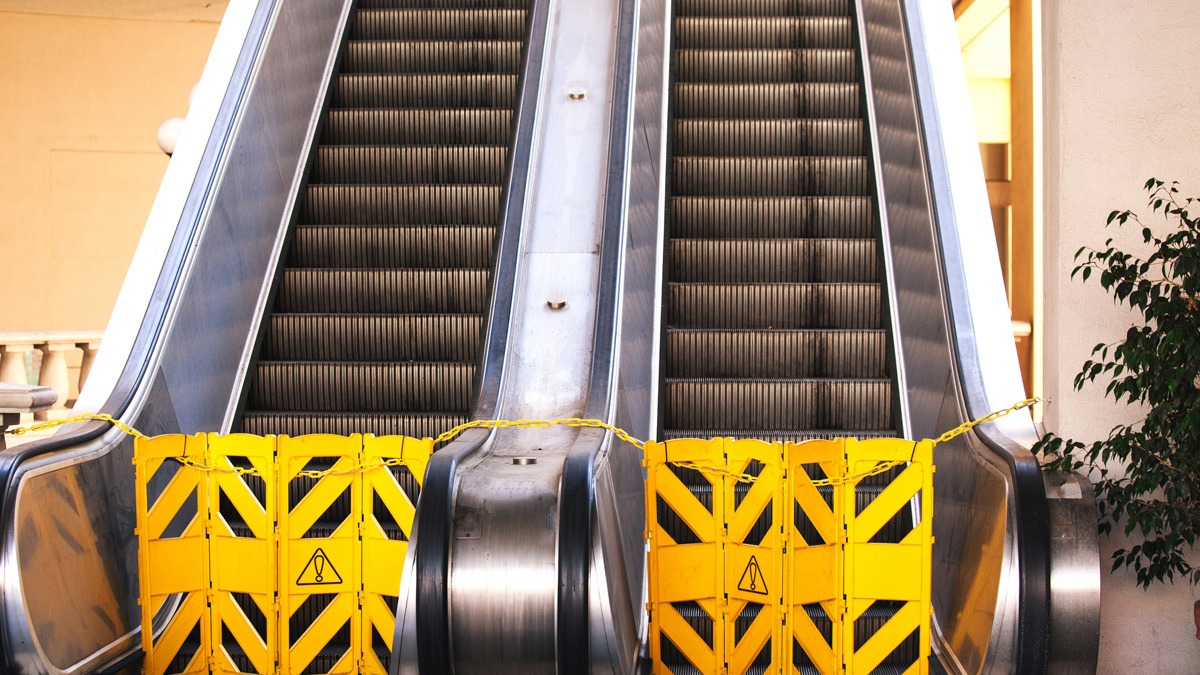
Elevators and escalators are essential features in many commercial buildings across Nevada. From high-rise hotels and shopping malls to casinos and office towers, these systems help people move quickly and efficiently. But when they malfunction or are poorly maintained, the results can be catastrophic.
Injuries involving elevators and escalators often involve sudden falls, crushing incidents, entrapment, or violent stops. These accidents can lead to broken bones, spinal injuries, head trauma, and even death. When they occur, questions quickly arise about who is responsible and how victims can recover compensation.
Property owners and commercial operators have a legal duty to ensure their premises are safe for visitors. When they fail to meet that obligation, they may be held liable for injuries caused by defective or dangerous escalators and elevators.
Elevator and Escalator Use in Nevada
Elevators and escalators are seemingly everywhere in Nevada’s commercial landscape. Las Vegas alone has thousands of these systems operating inside:
- Hotels and casinos
- Convention centers
- Shopping malls
- Parking garages
- Hospitals and medical buildings
- Airports and public transit stations
Many of these systems transport tens of thousands of passengers every day. Their size, complexity, and constant use mean that even small maintenance failures can result in serious injuries.
For a free legal consultation, call (725) 900-9000
Common Elevator Accident Scenarios
Elevator-related injuries may involve sudden mechanical failure or poor maintenance. Common types of accidents include:
- Sudden drops or stops: Malfunctions in the brake or cable system can cause the elevator to stop abruptly or descend rapidly, throwing passengers against walls or floors.
- Misleveling: When the elevator does not stop evenly with the floor, passengers may trip entering or exiting.
- Entrapment: Power failures or system malfunctions may trap passengers inside, leading to panic, heat exhaustion, or delayed emergency care.
- Free falls: In rare but devastating cases, total cable failure causes the elevator to plunge down the shaft.
- Door malfunctions: Faulty sensors or timing errors can cause the doors to close on a passenger or fail to open entirely.
These types of accidents can result in broken bones, spinal cord injuries, and head trauma. Older adults are especially vulnerable to falls caused by misaligned elevators.
Common Escalator Accident Scenarios
Escalators may appear safer than elevators, but they also pose significant risks when maintenance is neglected. Common hazards include:
- Sudden stops or jerks: A malfunctioning drive system can cause passengers to fall forward or backward.
- Entrapment: Loose clothing, shoelaces, or footwear can become caught in the steps or side skirts.
- Falls from height: Passengers may fall over the side if railings are too low or if horseplay is not prevented.
- Gaps between steps and landings: Poor alignment or mechanical failure may create tripping hazards.
- Missing or broken steps: Equipment failure can lead to collapse under a person’s weight.
These incidents can cause deep lacerations, fractures, head injuries, and permanent damage to hands, feet, or limbs.
Click to contact our personal injury lawyers today
Who Is Liable for Elevator and Escalator Injuries?
In Nevada, property owners and operators have a legal obligation to maintain safe premises. That includes ensuring all elevators and escalators function properly and meet building safety codes.
Depending on the circumstances, one or more of the following parties may be liable:
1. Property Owners and Operators: The primary responsibility for elevator and escalator safety falls on the owner or occupier of the building. This may be a business, commercial landlord, resort, or management company. Their legal duties include:
- Conducting regular inspections
- Scheduling timely repairs
- Complying with building codes and state safety regulations
- Responding to reported malfunctions
- Posting warning signs or taking systems out of service when needed
Failure to perform these tasks may constitute negligence under premises liability law.

2. Maintenance and Service Companies: Property owners often contract third-party vendors to inspect, maintain, and repair elevator and escalator systems. If a maintenance company failed to do any of the following, they may be held liable for negligence:
- Identify a known defect
- Perform routine safety checks
- Use qualified technicians
- Follow industry-standard repair procedures
These companies must also comply with manufacturer guidelines and local safety laws.
3. Manufacturers and Designers: If a defect in the design or manufacturing of the system caused the injury, the company that produced the elevator or escalator may be held liable under product liability law. These defects may include:
- Faulty door sensors
- Defective gears or brakes
- Poor step alignment
- Software or control system failures
In these cases, victims may file a claim against the manufacturer, distributor, or seller of the equipment.
Complete a Free Case Evaluation form now
Nevada’s Elevator and Escalator Safety Standards
Elevators and escalators in Nevada are subject to building codes and safety standards established by the State of Nevada Mechanical Compliance Section. These standards require:
- Annual inspections by state-certified inspectors
- Proper installation and maintenance by licensed professionals
- Compliance with the ASME A17.1 Safety Code for Elevators and Escalators
Property owners who fail to comply with these standards may face civil penalties and may also be held liable for injuries.

Injuries Associated with Elevator and Escalator Accidents
These accidents can cause a wide range of physical and emotional injuries, including:
- Traumatic brain injuries (TBIs)
- Spinal cord damage and paralysis
- Compound fractures and orthopedic trauma
- Deep lacerations and amputations
- Crush injuries
- Internal bleeding or organ damage
- Post-traumatic stress disorder (PTSD) or anxiety
Many victims require hospitalization, surgery, physical therapy, and mental health care. Children and elderly individuals are especially vulnerable.
What Compensation May Be Available?
Victims of elevator and escalator injuries may be entitled to compensation for:
- Emergency medical treatment
- Hospitalization and surgical care
- Physical rehabilitation
- Pain management
- Long-term medical expenses
- Lost income and future loss of earning capacity
- Emotional distress and psychological counseling
- Loss of enjoyment of life
- Disfigurement or permanent disability
What Must Be Proven in a Nevada Premises Liability Case?
To succeed in a premises liability claim for an elevator or escalator injury, the victim must prove:
- Duty of care: The property owner or operator had a legal obligation to maintain a safe environment.
- Breach of duty: That party failed to repair, warn of, or properly maintain a dangerous condition.
- Causation: The breach directly led to the accident and injuries.
- Damages: The victim suffered physical, financial, or emotional harm as a result.
Evidence may include surveillance footage, maintenance logs, inspection reports, witness statements, expert testimony, and medical records.
What to Do After an Elevator or Escalator Injury
If you or a loved one was injured in an elevator or escalator accident, the steps you take immediately afterward are critical:
- Seek medical attention immediately, even for symptoms that appear minor
- Report the incident to property management or building security
- Request a copy of the incident report
- Take photos or videos of the equipment and surroundings
- Identify witnesses and collect their contact information
- Preserve clothing or personal items damaged in the incident
- Avoid giving statements to insurance adjusters without an attorney
- Contact a Nevada personal injury lawyer to explore your legal options
How Van Law Firm Can Help
Van Law Firm represents individuals injured by dangerous conditions at commercial locations throughout Nevada. Our legal team has extensive experience handling elevator and escalator injury cases involving:
- Resorts and casinos
- Office buildings
- Malls and shopping centers
- Hospitals and medical facilities
- Parking structures and transit stations
We will investigate the accident, determine who is responsible, and build a strong case for maximum compensation.
Our attorneys work with:
- Mechanical safety experts
- Medical specialists
- Premises liability investigators
- Structural engineers
- Insurance adjusters and opposing counsel
We prepare every case for trial, ensuring that our clients receive the best possible settlement or verdict.
No Fees Unless We Win
Van Law Firm operates on a contingency fee basis. That means:
- No upfront costs
- No hourly fees
- No payment unless we win your case
We also offer free consultations, so you can discuss your case with an attorney without obligation or pressure.
Contact Van Law Firm Today
If you were injured due to an elevator or escalator accident at a commercial property in Nevada, you may be entitled to compensation. Do not let property owners or service companies avoid responsibility. Let Van Law Firm fight for your rights.
No obligation consultations are always free.
Let Us Help You! Call Now: (725) 900-9000 Elevator and Escalator Accidents
Elevators and escalators are a commonplace convenience for all of us. According to data from ConsumerWatch.com, elevators in the United States make 18 billion passenger trips a year. While escalator...
 Dram Shop Laws in Washington Personal Injury Cases
The laws surrounding most issues in the U.S. vary greatly from state to state. Firearms in California are treated differently than marijuana in Texas, and vice versa. Alcohol legislation is no diff...
 Amusement Park Accident Causes, Injuries, and Claims
Amusement parks have been one of the most popular family and tourist attractions for decades. Every year, countless patrons brave the large crowds and long lines in order to feel a momentary shot of...
 Everything You Need to Know About Las Vegas Casino Accidents
It’s no secret that the Las Vegas strip is big business; indeed, the millions of tourists that travel to our city each year and the countless industry workers who facilitate their stay are a large p...