
Concussions and Traumatic Brain Injuries: When Legal Action May Apply

Concussions and traumatic brain injuries are among the most serious and misunderstood injuries that occur after accidents in Nevada. Unlike broken bones or visible wounds, brain injuries may not be immediately obvious. Symptoms can take hours or days to appear, and long-term effects may not be fully understood for months or years. Despite this, concussions and traumatic brain injuries can permanently alter cognitive function, emotional regulation, physical ability, and quality of life.
In Nevada, concussions and traumatic brain injuries frequently arise from car accidents, truck crashes, motorcycle collisions, pedestrian impacts, falls, and other preventable incidents. When these injuries are caused by another party’s negligence, Nevada law allows injured individuals to pursue compensation through a personal injury claim. Understanding when legal action may apply is critical for protecting both medical recovery and long-term financial stability.
Understanding Concussions and Traumatic Brain Injuries
A concussion is a form of mild traumatic brain injury caused by a blow or jolt to the head or a sudden movement that causes the brain to shift inside the skull. While often labeled “mild,” concussions can produce serious and lasting symptoms, particularly when diagnosis or treatment is delayed.
Traumatic brain injuries exist on a spectrum of severity. They may range from concussions to moderate or severe brain injuries involving bleeding, swelling, or structural damage to brain tissue.
Traumatic brain injuries may be classified as:
- Mild traumatic brain injuries, including concussions
- Moderate traumatic brain injuries involving prolonged symptoms or imaging findings
- Severe traumatic brain injuries involving loss of consciousness, brain bleeding, or permanent impairment
Even mild traumatic brain injuries can have lasting effects that interfere with daily life, employment, and personal relationships.
For a free legal consultation, call (725) 900-9000
Common Causes of Concussions and Traumatic Brain Injuries in Nevada
Concussions and traumatic brain injuries often result from sudden impacts or rapid acceleration and deceleration forces. Many of these incidents are preventable and involve negligent conduct.
Common causes include:
- Motor vehicle accidents involving cars, trucks, or motorcycles
- Pedestrian or bicycle collisions
- Slip and fall accidents on unsafe property
- Falls from heights at construction or work sites
- Sports or recreational injuries caused by unsafe conditions
- Assaults or physical altercations
- Defective products or equipment failures
Symptoms of Concussions and Traumatic Brain Injuries
Brain injury symptoms vary widely depending on the severity of the injury and the area of the brain affected. Some symptoms appear immediately, while others develop gradually.
Common physical symptoms include:
- Headaches or pressure in the head
- Dizziness or balance problems
- Nausea or vomiting
- Sensitivity to light or noise
- Fatigue or sleep disturbances
Cognitive symptoms may include:
- Memory loss
- Difficulty concentrating
- Slowed thinking or confusion
- Problems with decision-making

Emotional and behavioral symptoms may include:
- Irritability or mood swings
- Anxiety or depression
- Personality changes
- Emotional instability
Click to contact our personal injury lawyers today
Delayed Diagnosis and the Risk of Complications
One of the most dangerous aspects of concussions and traumatic brain injuries is delayed diagnosis. Individuals may initially feel “shaken up” but otherwise normal, only to experience worsening symptoms days later.
Delayed diagnosis increases the risk of:
- Prolonged post-concussion syndrome
- Second-impact injuries
- Permanent cognitive impairment
- Worsening neurological damage
Complete a Free Case Evaluation form now
Medical Treatment for Brain Injuries
Treatment for concussions and traumatic brain injuries varies depending on severity. Some individuals recover with rest and monitoring, while others require extensive medical intervention.
Treatment may include:
- Emergency room evaluation
- Neurological assessments
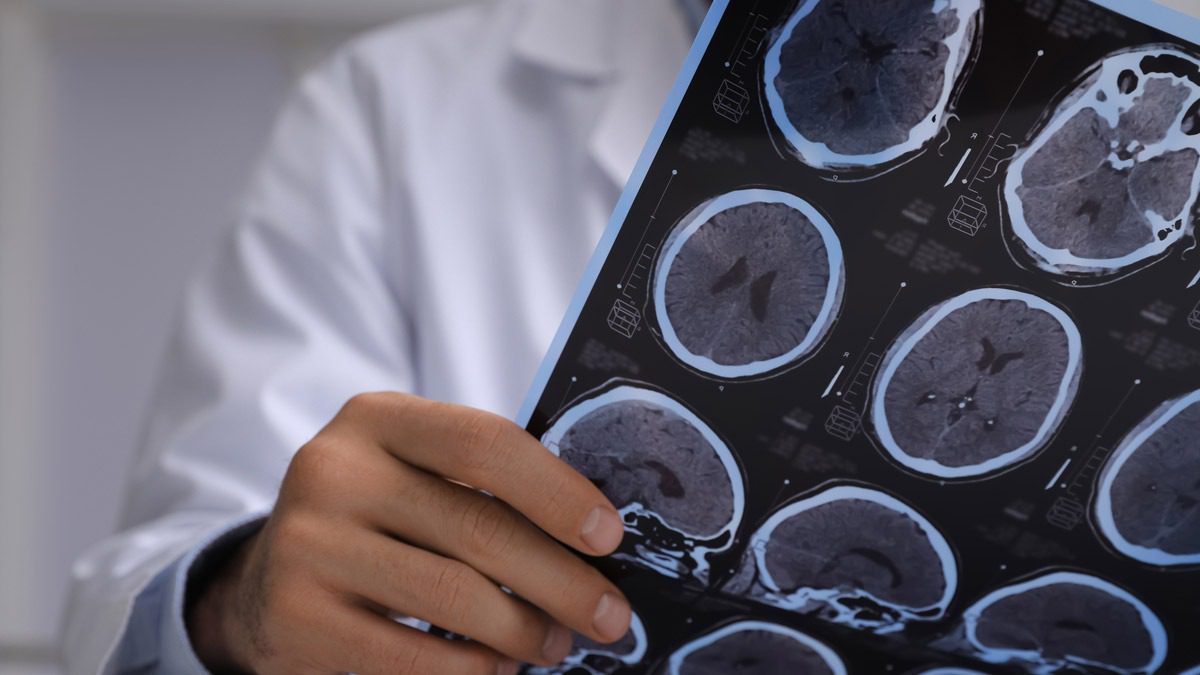
- CT scans or MRI imaging
- Cognitive rest and activity restrictions
- Physical therapy or vestibular therapy
- Speech or occupational therapy
- Psychological counseling
- Long-term neurological care
Long-Term Effects of Traumatic Brain Injuries
Traumatic brain injuries can have lifelong consequences. Even individuals who appear to recover physically may experience lasting cognitive or emotional effects.
Long-term effects may include:
- Chronic headaches
- Memory impairment
- Reduced attention span
- Difficulty with executive functioning
- Increased risk of depression or anxiety
- Sleep disorders
- Increased risk of neurodegenerative conditions
When Legal Action May Apply
Legal action may apply when a concussion or traumatic brain injury is caused by another party’s negligence. Nevada personal injury law allows injured individuals to seek compensation when someone fails to act with reasonable care and causes harm.

Legal claims may arise when brain injuries result from:
- Negligent driving or distracted driving
- Drunk or impaired driving
- Unsafe property conditions
- Failure to repair known hazards
- Defective products or equipment
- Inadequate safety measures at worksites or businesses
Motor Vehicle Accidents and Brain Injury Claims
Car accidents are a leading cause of concussions and traumatic brain injuries in Nevada. Even crashes without direct head impact can cause the brain to move violently within the skull.
Brain injuries commonly occur in:
- Rear-end collisions
- T-bone crashes
- High-speed highway accidents
- Motorcycle crashes
- Trucking accidents involving commercial vehicles
Slip and Fall Accidents and Head Injuries
Slip and fall accidents are another frequent cause of traumatic brain injuries, particularly among older adults.
Property owners may be held liable when:
- Floors are wet or slippery without warning
- Walkways are uneven or poorly maintained
- Stairways lack proper handrails
- Lighting is inadequate
- Known hazards are ignored
Workplace Brain Injuries
Traumatic brain injuries can occur at work sites, particularly in construction, industrial, and transportation settings.
Workplace brain injury claims may involve:
- Workers’ compensation benefits
- Third-party liability claims
- Claims against equipment manufacturers
Children and Brain Injuries
Children are especially vulnerable to concussions and traumatic brain injuries.
Brain injuries in children may affect:
- Learning and academic performance
- Emotional development
- Behavior and social interaction
- Future earning capacity
Damages Available in Brain Injury Claims
Recoverable damages may include:
- Emergency medical treatment
- Hospitalization and surgery
- Neurological care and rehabilitation
- Therapy and counseling
- Prescription medications
- Assistive devices
- Future medical care
Non-economic damages may include:
- Emotional distress
- Loss of enjoyment of life
- Cognitive impairment
Lost Income and Reduced Earning Capacity
Compensation may include:
- Lost wages during recovery
- Reduced future earning capacity
- Job retraining costs when applicable
Challenges in Proving Brain Injury Claims
Common challenges include:
- Lack of visible injury
- Delayed symptom onset
- Disputes over diagnostic findings
- Attempts to minimize cognitive or emotional effects
The Role of Medical Experts
Expert evaluations may address:
- Cognitive impairment
- Prognosis and future care needs
- Impact on daily functioning
- Long-term disability
Why Early Legal Evaluation Matters
Early evaluation helps with:
- Preserving evidence
- Coordinating medical documentation
- Identifying responsible parties
- Accurately assessing damages
How Van Law Firm Can Help
Van Law Firm assists individuals and families across Nevada who are dealing with the consequences of concussions and traumatic brain injuries caused by negligence.
Concussions and traumatic brain injuries can change a life in ways that are not immediately visible but deeply consequential. When these injuries result from preventable accidents, Nevada law provides a path to accountability and compensation.
No obligation consultations are always free.
Let Us Help You! Call Now: (725) 900-9000 Forklift Accidents & Lawsuits
Forklift incidents commonly occur in the workplace and can cause serious injuries or even death. There are around 20,000 workers in the United States who suffer from these injuries each year. In an ...
 Video Games: Innocent Fun or addictive menace?
If your child was seriously injured due to video game addiction, Van Law Firm Can Help Video Games are everywhere and there is hardly anyone who does not know what they are. More than 200 million pe...
 What You Need To Know About Filing A Suboxone Tooth Decay Lawsuit
Not all that long ago, opioid misuse was so rampant in the United States that experts classified it as a crisis. They say the trouble started back in the 1990s, when prescription opioid medications ...
 Your Rights as a Pedestrian in Las Vegas Crosswalk Accidents
Las Vegas is one of the busiest pedestrian cities in the country, with millions of residents and visitors crossing streets every day, especially along the Strip, in downtown areas, and near resident...