
Spinal Cord Injuries & Falls: Your Legal Options

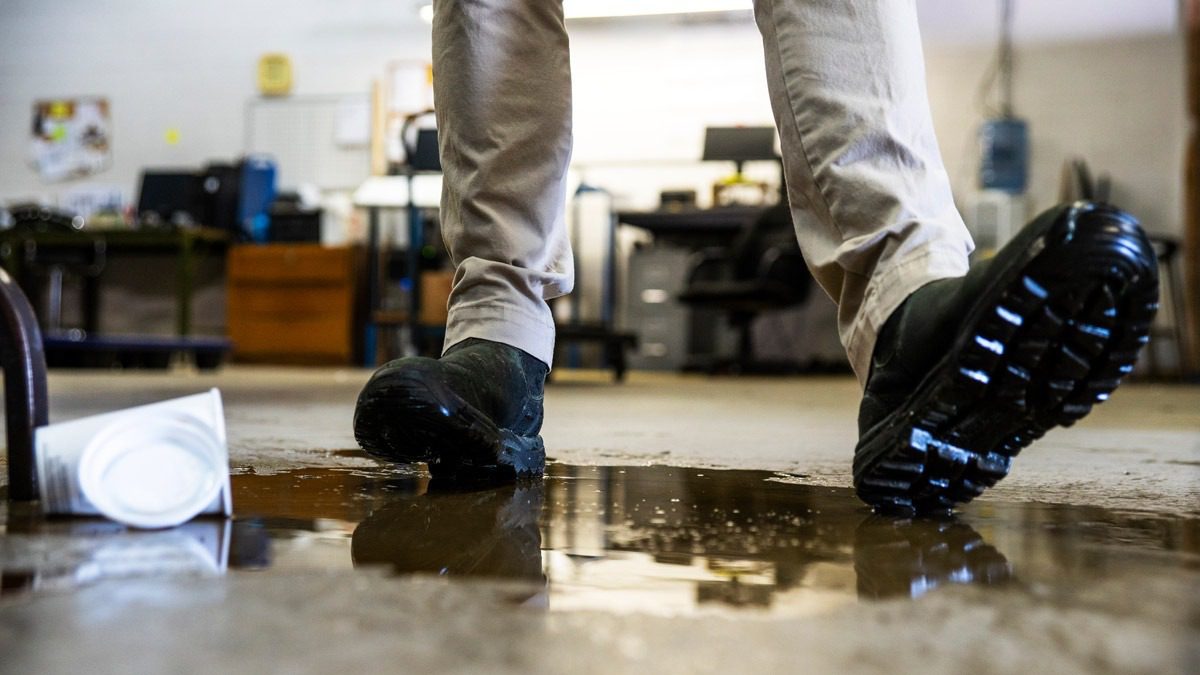
Spinal cord injuries are among the most life-altering outcomes of a fall. A single misstep on a wet floor, icy sidewalk, or broken staircase can result in permanent loss of mobility, chronic pain, and massive medical costs. Falls are one of the leading causes of spinal cord trauma in the United States, especially among older adults and individuals working in physically demanding jobs.
In Nevada, victims of spinal cord injuries caused by falls may be entitled to compensation if the fall was due to someone else’s negligence. Whether the fall occurred on private property, at a business, or in a public space, there may be a legal path to holding the responsible party accountable.
Understanding your rights, the causes of spinal cord injuries, and what legal options exist can help you protect your future and pursue justice after a devastating fall.
How Falls Lead to Spinal Cord Injuries
A spinal cord injury occurs when trauma damages the vertebrae, discs, or ligaments in the spinal column or directly harms the spinal cord itself. Falls can cause the spine to compress, twist, or fracture, leading to severe neurological consequences.
Falls that commonly lead to spinal cord injuries include:
- Slipping on wet floors without warning signs
- Tripping on uneven sidewalks or loose carpeting
- Falling from ladders or scaffolding at work
- Tumbling down poorly maintained staircases
- Falling from a balcony with a faulty railing
- Slipping in icy parking lots or entrances
The force of the fall and the angle of impact can determine the severity of the injury. Injuries to the cervical spine (neck) often result in greater disability than injuries to the lower back.
For a free legal consultation, call (725) 900-9000
Types of Spinal Cord Injuries Caused by Falls
Spinal cord injuries are generally classified by their severity and location:
- Incomplete injury: The spinal cord is partially damaged. The victim may retain some movement or sensation below the injury site.
- Complete injury: The spinal cord is fully severed or severely damaged, resulting in total loss of function below the injury.
- Quadriplegia (tetraplegia): Paralysis of all four limbs, typically from damage to the cervical spine.
- Paraplegia: Paralysis of the lower body and legs, usually from injuries to the thoracic or lumbar spine.
- Herniated discs or spinal fractures: These may cause nerve compression and chronic pain without full paralysis.
Even less severe spinal injuries can result in long-term consequences, including nerve damage, impaired balance, chronic pain, or loss of bladder and bowel control.
Who Is Legally Responsible for a Fall in Nevada?
Liability for a spinal cord injury caused by a fall depends on where the fall occurred and who was responsible for maintaining the premises. Under Nevada’s premises liability laws, property owners and managers have a duty to keep their spaces reasonably safe for lawful visitors.

You may have a claim against:
- Commercial property owners: Businesses must keep floors dry, clear of debris, and free from tripping hazards.
- Residential landlords: Landlords are responsible for maintaining common areas and repairing known hazards.
- Government entities: Sidewalks, public parks, and municipal buildings must be safely maintained, though special notice rules may apply.
- Employers: Falls on the job may be covered by workers’ compensation, but third-party negligence may open the door to additional claims.
- Construction site operators: Falls due to scaffolding, ladders, or site conditions may result in liability for contractors or equipment providers.
To recover compensation, you must show that the responsible party failed to address a known hazard or should have known about the dangerous condition and failed to fix it.
Click to contact our personal injury lawyers today
Examples of Negligence That Can Lead to Falls
Spinal cord injuries caused by falls often stem from preventable hazards. Examples of negligent maintenance or oversight include:
- Failing to mop or warn about a spill in a grocery store
- Allowing a broken step or missing handrail to remain unrepaired
- Not salting icy sidewalks during winter conditions
- Poor lighting in stairwells or hallways
- Cluttered walkways in offices or public buildings
- Unsafe construction zones with inadequate signage
- Damaged flooring or torn carpeting in apartments or hotels
A successful personal injury claim requires documentation of the hazard and evidence that the property owner or manager had a duty to prevent it.
Complete a Free Case Evaluation form now
Evidence Needed to Prove Liability
Building a strong spinal cord injury claim after a fall involves collecting evidence to show how the fall occurred and why the property owner was at fault.
Important evidence may include:
- Surveillance footage capturing the fall
- Incident reports or employee witness statements
- Medical records and diagnostic imaging
- Photographs of the scene and hazard
- Property maintenance logs
- Expert testimony on code violations or building safety
- Statements from other individuals injured at the same location
Preserving this evidence is crucial. If the fall occurred on commercial property, your attorney can send a preservation letter to prevent the destruction of video footage or maintenance records.

Medical Costs Associated with Spinal Cord Injuries
For catastrophic spinal cord injuries involving paralysis, especially in cases of quadriplegia, the National Spinal Cord Injury Statistical Center (NSCISC) estimates that costs during the first year of care can exceed $1 million. Ongoing costs include:
- Hospitalization and intensive care
- Surgeries and spinal stabilization
- Physical and occupational therapy
- Medical devices and mobility aids
- In-home nursing or personal care
- Home modifications for accessibility
- Medications and pain management
- Psychological counseling
These expenses can overwhelm families, particularly if the injured person is unable to return to work.
Compensation Available to Fall Victims in Nevada
If you suffered a spinal cord injury due to a fall on someone else’s property, you may be entitled to compensation for both economic and non-economic damages, including:
- Past and future medical expenses
- Rehabilitation and assistive devices
- Lost income and loss of earning potential
- Loss of mobility or function
- Emotional distress
- Disfigurement or scarring
- Loss of enjoyment of life
- Home health care and long-term assistance
An experienced personal injury attorney can help calculate the full value of your claim and negotiate with insurers or litigate if necessary.
How Van Law Firm Can Help Spinal Cord Injury Victims
Van Law Firm represents clients throughout Nevada who have suffered catastrophic injuries due to falls. Our team has the experience and resources to take on property owners, businesses, landlords, and government agencies when they fail to maintain safe conditions.
We provide:
- Thorough investigation of the fall and property conditions
- Preservation of surveillance and physical evidence
- Collaboration with spinal injury specialists and life care planners
- Aggressive negotiation with insurers
- Trial representation when necessary
We understand the medical, financial, and emotional impact of spinal cord injuries and fight for maximum compensation.
No Fees Unless We Win
Van Law Firm operates on a contingency fee basis. This means:
- No upfront costs
- No hourly billing
- You only pay if we recover compensation for you
We also offer free consultations to discuss your case and answer your questions.
Contact Van Law Firm Today
If you or someone you love suffered a spinal cord injury due to a fall, you may be entitled to significant compensation. The legal process can be complex, but you do not have to go through it alone. Van Law Firm is here to protect your rights and fight for your future.
No obligation consultations are always free.
Let Us Help You! Call Now: (725) 900-9000 INSTALLATION OF POSITIVE TRAIN CONTROL TECHNOLOGY
Railroads are required to install positive train control technology but a report by the FRA shows that while some railroads have made significant progress, many freight and commuter railroads are no...
 KIDS WITH GUNS: WHO IS LIABLE?
Gun owners may be liable for the injuries and deaths that are caused when kids accidentally shoot someone. Of the 265 kid-with-gun shootings reported in 2015, 83 resulted in a death. Forty-one young...
 CUMULATIVE TRAUMA ON THE TRACKS
Cumulative trauma injuries accumulate over time and often result in severe injuries for railroad workers. Railroad workers operate in hostile environments where life-changing accidents are common, b...
 E-SCOOTER DANGERS: THE COST OF CONVENIENCE
E-scooters are becoming increasingly popular across the United States and riders need to be aware of the dangers involved. These motorized vehicles are a top transportation choice among commuters in...