
Why Nursing Home Falls Happen and What Families Can Do
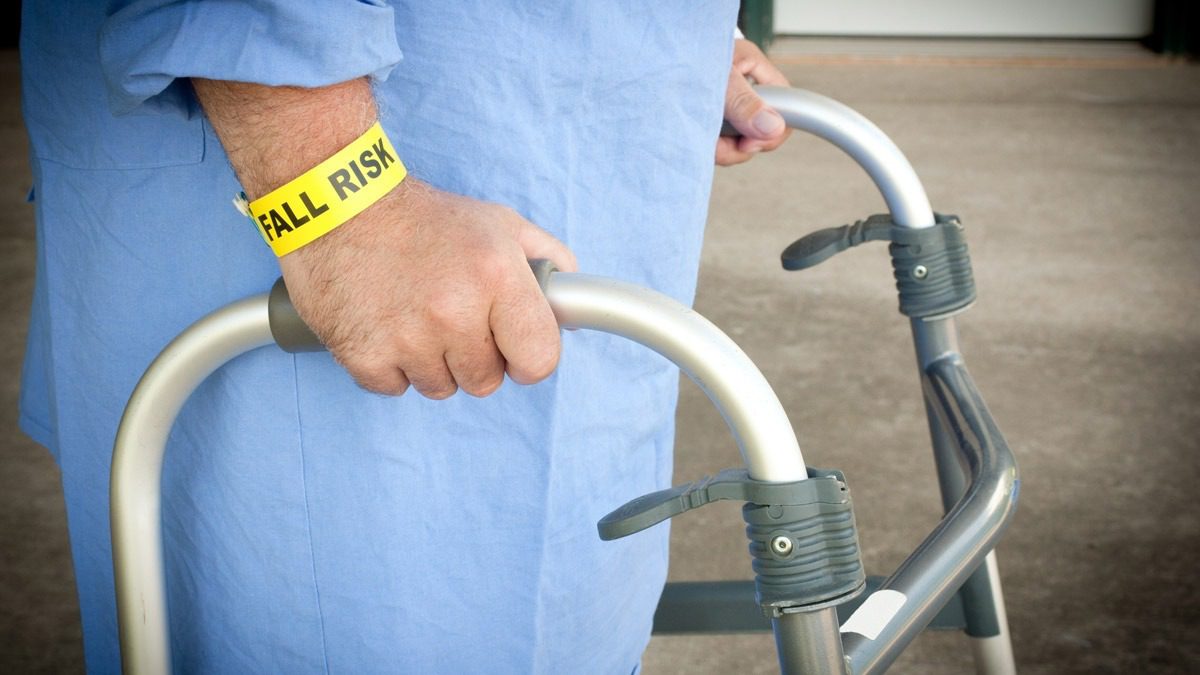
Falls are one of the leading causes of serious injury among older adults, and nursing home residents are particularly vulnerable. According to the Centers for Disease Control and Prevention, falls are the leading cause of injury-related death among adults aged 65 and older in the United States.
While some falls may occur despite reasonable precautions, many nursing home falls are preventable. When a facility fails to provide proper supervision, staffing, or safety measures, a fall can become more than an accident. It can become a matter of legal liability under Nevada law.
Understanding why nursing home falls happen and what families can do empowers loved ones to recognize warning signs and protect vulnerable residents.
How Common Are Nursing Home Falls?
Falls are extremely common in long-term care settings. Research from the National Institutes of Health shows that nursing home residents fall at significantly higher rates than community-dwelling seniors.
Several factors contribute to this elevated risk:
- Advanced age and frailty
- Chronic medical conditions
- Cognitive impairments such as dementia
- Medication side effects
- Mobility limitations
In Nevada, licensed nursing facilities are regulated under Nevada Revised Statutes Chapter 449. These laws require facilities to provide adequate care and supervision to protect residents from foreseeable harm. When a fall occurs because staff failed to meet these obligations, the facility may be held accountable.
For a free legal consultation, call (725) 900-9000
Common Causes of Nursing Home Falls
Why nursing home falls happen often comes down to a combination of medical vulnerability and preventable environmental or staffing failures.
Frequent causes include:
- Inadequate staffing levels that limit supervision
- Failure to assess a resident’s fall risk upon admission
- Lack of individualized care plans
- Wet or slippery floors
- Poor lighting in hallways or bathrooms
- Unsecured rugs or cluttered walkways
- Improper use of wheelchairs or walkers
- Failure to assist residents during transfers
- Bed rails or restraints used improperly
- Medication mismanagement leading to dizziness or confusion
Each resident should undergo a fall risk assessment when admitted and periodically thereafter. Facilities are expected to implement safety measures tailored to the individual’s condition.
When these steps are ignored, falls become more likely and more dangerous.

The Role of Staffing and Supervision
Staffing levels are one of the most significant factors in fall prevention. Under federal regulations, nursing homes that participate in Medicare and Medicaid must provide sufficient staff to meet residents’ needs.
When facilities are understaffed, residents may attempt to walk unassisted, use the restroom alone, or transfer from bed to chair without help.
Warning signs of inadequate supervision include:
- Call lights that go unanswered for long periods
- Residents wandering without monitoring
- Frequent complaints about lack of assistance
- High staff turnover
If a resident with known mobility issues is left unattended and falls, the facility may have breached its duty of care.
Click to contact our personal injury lawyers today
Medication and Medical Management
Many nursing home residents take multiple medications. Some drugs can increase fall risk by causing dizziness, sedation, or blood pressure changes.
Medications commonly associated with fall risk include:
- Sedatives
- Antipsychotics
- Blood pressure medications
- Opioid pain relievers
- Sleep aids
Facilities are responsible for monitoring medication side effects and adjusting treatment plans accordingly. Failure to do so may constitute negligence if a fall results.
Complete a Free Case Evaluation form now
Environmental Hazards in Nevada Facilities
Environmental factors play a significant role in fall risk. In Nevada, where facilities may serve residents in both urban and rural communities, proper maintenance is essential.
Hazards that contribute to falls include:
- Uneven flooring
- Broken handrails
- Inadequate grab bars in bathrooms
- Malfunctioning bed alarms
- Inaccessible mobility aids
Nursing homes must maintain safe premises for residents. This obligation falls under general negligence principles and premises liability law in Nevada.

Injuries Resulting from Nursing Home Falls
Falls in elderly residents often lead to severe injuries due to fragile bones and preexisting health conditions.
Common injuries include:
- Hip fractures
- Traumatic brain injuries
- Subdural hematomas
- Spinal fractures
- Shoulder and wrist fractures
- Internal bleeding
The CDC reports that one in five falls results in a serious injury such as a broken bone or head injury. In some cases, a fall can trigger a rapid health decline, leading to loss of mobility, infections, or even death.
When a fall is caused by neglect, families may have grounds for a legal claim.
When a Nursing Home Fall Becomes Legal Liability
Not every fall automatically results in legal responsibility. However, a nursing home may be liable if:
- The resident was identified as high risk but not properly supervised
- Staff ignored known mobility limitations
- Safety devices were not provided or maintained
- The facility failed to follow its own care plan
- There was a pattern of prior similar incidents
To establish negligence under Nevada law, it must be shown that:
- The nursing home owed a duty of care to the resident
- The facility breached that duty
- The breach caused the fall
- The resident suffered damages as a result
Evidence often includes medical records, incident reports, staffing logs, and surveillance footage.
What Families Can Do Immediately After a Fall
When a loved one falls in a nursing home, families should act quickly to protect their rights and ensure proper care.
Important steps include:
- Seek immediate medical evaluation
- Request a copy of the incident report
- Document visible injuries with photographs
- Ask whether a fall risk assessment was performed
- Review the resident’s care plan
- Speak with administrators about supervision policies
Families should also monitor for delayed symptoms such as confusion, headache, or unusual lethargy, which may indicate a traumatic brain injury.
Prompt action can prevent further harm and preserve important evidence.
Compensation in Nursing Home Fall Cases
When negligence leads to a serious fall, compensation may be available for:
- Emergency medical treatment
- Surgical procedures
- Rehabilitation and physical therapy
- Increased care needs
- Loss of quality of life
The extent of compensation depends on the severity of injury and long-term consequences.
How Van Law Firm Can Help
Why nursing home falls happen and what families can do often requires careful investigation. Determining whether a fall was unavoidable or caused by negligence involves reviewing staffing levels, medical records, facility policies, and regulatory compliance.
Van Law Firm represents families across Nevada in cases involving nursing home neglect and serious injury. Thorough case evaluation may include analyzing fall risk assessments, interviewing staff, consulting medical experts, and reviewing facility inspection histories.
Holding negligent facilities accountable can help families recover financial losses and encourage safer care practices for other residents.
Nevada law provides protections for nursing home residents, and facilities are required to meet professional standards of care. When preventable falls occur due to neglect, legal remedies may be available to protect vulnerable loved ones and seek appropriate compensation.
No obligation consultations are always free.
Let Us Help You! Call Now: (725) 900-9000 INSTALLATION OF POSITIVE TRAIN CONTROL TECHNOLOGY
Railroads are required to install positive train control technology but a report by the FRA shows that while some railroads have made significant progress, many freight and commuter railroads are no...
 KIDS WITH GUNS: WHO IS LIABLE?
Gun owners may be liable for the injuries and deaths that are caused when kids accidentally shoot someone. Of the 265 kid-with-gun shootings reported in 2015, 83 resulted in a death. Forty-one young...
 CUMULATIVE TRAUMA ON THE TRACKS
Cumulative trauma injuries accumulate over time and often result in severe injuries for railroad workers. Railroad workers operate in hostile environments where life-changing accidents are common, b...
 E-SCOOTER DANGERS: THE COST OF CONVENIENCE
E-scooters are becoming increasingly popular across the United States and riders need to be aware of the dangers involved. These motorized vehicles are a top transportation choice among commuters in...