
Steps to Take After a Nevada Car Accident
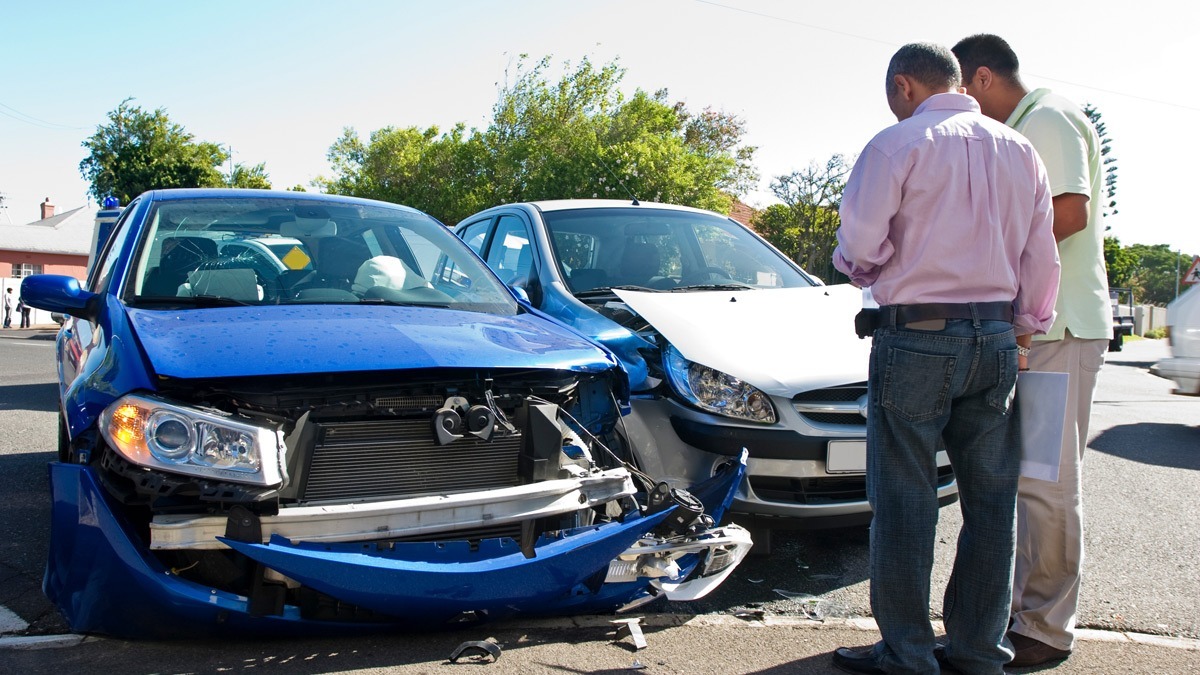
Car accidents happen without warning. One moment you are going about your day, and the next you are dealing with vehicle damage, injuries, and shock. In Nevada, even a minor collision can become complicated when insurance companies, medical providers, or law enforcement get involved.
Knowing what steps to take after a car accident can protect your health, strengthen your legal claim, and ensure you receive the compensation you deserve. Whether you are a lifelong Nevada resident or visiting for the first time, these actions can help you stay calm and in control when it matters most.
Step 1: Check for Injuries and Call 911
Your safety and the safety of others is the first priority. Immediately check yourself and any passengers for injuries. If anyone is hurt, call 911 and request emergency medical services.
Even if injuries seem minor, it is important to get medical attention right away. Some symptoms—like whiplash, internal bleeding, or traumatic brain injuries—may not be obvious at the scene. Prompt medical care can also support your future claim by documenting the connection between the crash and your injuries.
If the crash resulted in injuries, death, or significant vehicle damage, you are legally required to report it to law enforcement under Nevada law.
For a free legal consultation, call (725) 900-9000
Step 2: Move to a Safe Location if Possible
If the vehicles involved are drivable and no one is seriously injured, move to the shoulder or a nearby parking lot to avoid further danger. Use your hazard lights and set out warning triangles or flares if available.
Remaining in the path of traffic increases the risk of a secondary collision. However, if your vehicle is disabled or it is unsafe to move, stay where you are with your seatbelt fastened until help arrives.

Step 3: Call the Police and File a Report
Always contact the police after a car accident, even if it seems minor. The responding officer will create an official crash report, which may include:
- Details about vehicle positions and damage
- Statements from drivers and witnesses
- Road and weather conditions
- Observations about who may have caused the crash
This report can be critical when filing an insurance claim or pursuing legal action. Be polite and factual when speaking to the officer, but do not admit fault or speculate about the cause of the crash.
If law enforcement does not respond to the scene, Nevada law requires that you file a Report of Traffic Crash (Form SR-1) with the Department of Motor Vehicles within 10 days if the accident involved injuries, death, or more than $750 in property damage.
Click to contact our personal injury lawyers today
Step 4: Exchange Information With the Other Driver
Get the following information from all drivers involved in the crash:
- Full name and contact information
- Driver’s license number and expiration date
- Vehicle registration
- Insurance company and policy number
- License plate number
If the other driver is uncooperative, wait for police to arrive and request assistance. Never argue, accuse, or escalate the situation. Simply focus on gathering facts.

Complete a Free Case Evaluation form now
Step 5: Document the Scene
Use your phone to take photos and videos of:
- Vehicle damage (from multiple angles)
- Skid marks, debris, or vehicle positions
- Road conditions and weather
- Traffic signals and signs nearby
- Visible injuries to yourself or passengers
Also write down the time, date, location, and any other observations. If there are witnesses, get their names and phone numbers. Their statements can help clarify what happened and support your version of events.
Step 6: Notify Your Insurance Company
Most insurance policies require prompt notification of any accident, even if you are not at fault. Contact your insurer as soon as possible and provide basic information about the crash.
Stick to the facts and avoid making assumptions. You do not need to give a recorded statement right away. In fact, it is best to speak with an attorney before doing so, especially if injuries are involved or liability is in question.
Step 7: Seek Medical Attention Right Away
Even if you do not feel hurt immediately after the crash, it is essential to see a doctor within a few hours or days. Adrenaline and shock can mask serious symptoms.
A doctor can:
- Identify hidden injuries
- Recommend treatment or therapy
- Document your condition in medical records
Delaying medical care can hurt your health and weaken your claim. Insurance companies often argue that gaps in treatment mean the injuries were not serious or unrelated to the accident.
Step 8: Contact a Nevada Car Accident Attorney
Navigating the aftermath of a car accident can be overwhelming. An experienced attorney can guide you through every step, protect your rights, and pursue the full compensation you are entitled to.

An attorney can:
- Investigate the accident and collect evidence
- Communicate with insurance companies on your behalf
- Help you get access to medical care or specialists
- Negotiate a settlement that reflects your true damages
- Represent you in court if necessary
Injury attorneys in Nevada typically work on a contingency fee basis, meaning you pay nothing upfront and only pay if they recover compensation for you.
Step 9: Follow Medical Instructions and Keep Records
Attend all follow-up appointments and follow your doctor’s recommendations. If physical therapy, medications, or imaging is prescribed, complete the full course of treatment.
Keep copies of:
- Medical bills
- Prescriptions
- Doctor’s notes
- Therapy or rehabilitation records
- Mileage or transportation costs for appointments
This documentation helps prove your damages and builds a strong case for compensation.
Step 10: Do Not Discuss the Crash on Social Media
Avoid posting about the accident, your injuries, or recovery on Facebook, Instagram, TikTok, or other platforms. Insurance companies may monitor your social media for evidence that contradicts your claim.
Even a photo of you smiling or attending a social event could be misinterpreted as proof that you are not seriously injured.
What Damages Can You Recover After a Car Accident?
If you were injured in a car crash caused by another driver’s negligence, you may be entitled to compensation for:
- Medical bills (past and future)
- Physical therapy and rehabilitation
- Prescription medications
- Lost wages and reduced future earning capacity
- Pain and suffering
- Emotional distress
- Property damage and vehicle repairs
- Loss of quality of life
- Disfigurement or disability
The value of your claim depends on the severity of your injuries, how they affect your daily life, and the strength of the evidence.
Common Injuries From Nevada Car Accidents
Some injuries appear immediately, while others take days or weeks to fully develop. Common crash-related injuries include:
- Whiplash and soft tissue damage
- Broken bones
- Concussions or traumatic brain injuries (TBI)
- Back and spinal cord injuries
- Lacerations and bruising
- Internal bleeding
- Joint and ligament injuries
- Psychological trauma
It is important to get a full medical evaluation after any crash, even if you believe your injuries are minor.
What If the Other Driver Is Uninsured?
Nevada drivers are required to carry liability insurance. Unfortunately, some still drive without coverage. If the other driver is uninsured or underinsured, you may still have options.
- Uninsured motorist coverage: Your own insurance policy may cover damages caused by a driver without insurance.
- MedPay (Medical Payments coverage): This covers your medical bills regardless of fault.
- Personal injury claim: You may be able to sue the at-fault driver directly, though collecting damages can be difficult if they lack assets.
An attorney can review your policy and help identify all available sources of compensation.
How Long Do You Have to File a Claim in Nevada?
Under Nevada law, you have two years from the date of the accident to file a personal injury lawsuit. Property damage claims must be filed within three years.
If you miss the deadline, you may lose your right to recover damages. Some cases involving government vehicles or entities have shorter timelines and require special notices.
Do You Need to File a Claim Even if You Feel Fine?
Yes. Many serious injuries do not cause immediate symptoms. Filing a claim ensures you preserve your right to compensation if symptoms develop later. Waiting too long may result in denial of coverage or a weaker legal position.
Let Van Law Firm Help You After a Car Accident
Van Law Firm has helped thousands of injured drivers, passengers, and pedestrians recover compensation after serious crashes. Our legal team understands the stress and confusion that follow a collision—and we know how to hold negligent drivers accountable.
We represent clients across Nevada, including Las Vegas, Henderson, Reno, North Las Vegas, and rural communities. Our services include:
- Free case evaluations
- On-call availability to answer questions
- Access to top medical providers
- Full case investigation and legal representation
- No fees unless we win your case
Contact Van Law Firm Today
If you were injured in a car accident in Nevada, you do not have to face the aftermath alone. Let Van Law Firm help you understand your rights and pursue the compensation you need to recover fully.
No obligation consultations are always free.
Let Us Help You! Call Now: (725) 900-9000 DEALING WITH INSURANCE COMPANIES IN A PERSONAL INJURY ACCIDENT
Dealing with insurance companies can be the most frustrating part of handling a personal injury claim. Whether your claim comes from a car accident, medical malpractice, workman’s comp, or dog bite ...
 FRIENDS DON’T LET FRIENDS TEXT AND DRIVE
Texting and hand-held cell phone use is illegal in Nevada.The National Highway Traffic Safety Administration (NHTSA) reported that in 2014, distracted drivers caused thousands of accidents across th...
 “MINOR” CAR ACCIDENTS ARE SERIOUS
“Minor” car accidents, perhaps caused by inattention or carelessness, can still cause a great deal of pain and suffering. According to the National Highway Traffic Administration, over 2 million peo...
 LAS VEGAS RANKS LOW FOR DRIVER SAFETY
Recently, Las Vegas ranked 144 out of 200 cities in the United States for driver safety. The recent report reveals that drivers in Las Vegas have a car accident every eight years and are an astoundi...