
Uninsured Motorist Claims in Nevada: What You Need to Know
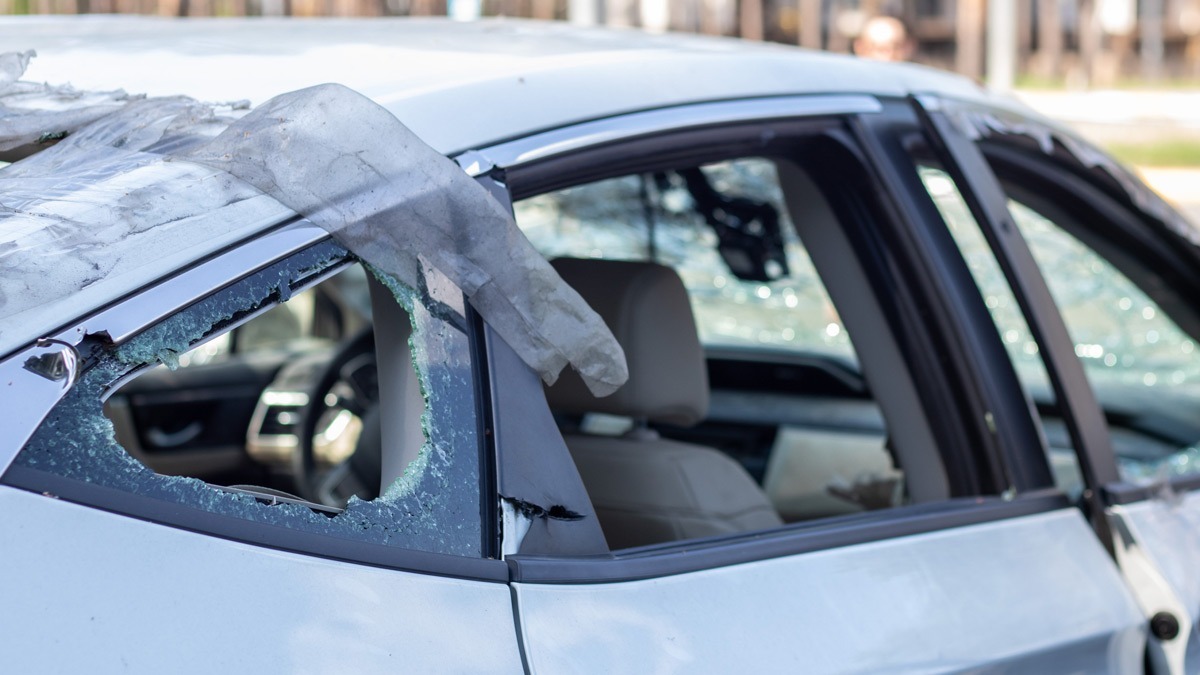
Car accidents are difficult enough when both parties have insurance. When you are hit by a driver who does not carry insurance, or one who leaves the scene entirely, the situation becomes even more complicated. Nevada law requires all drivers to maintain minimum liability coverage, yet many drivers still get behind the wheel without it. Others carry policies that are too small to cover the damages they cause.
If you were injured in an accident caused by an uninsured or underinsured driver in Nevada, you still have legal options. You may be able to recover compensation through your own uninsured/underinsured motorist (UM/UIM) coverage, depending on your policy. But these claims are far from automatic. Insurance companies often delay, deny, or minimize payments, even when you are dealing with your own provider.
Understanding how uninsured motorist claims work in Nevada, what your rights are, and how to protect your claim can make the difference between full compensation and financial hardship.
How Common Are Uninsured Drivers in Nevada?
Despite laws requiring liability insurance, a significant number of Nevada drivers remain uninsured or underinsured. Uninsured drivers often fall into the following categories:
- Drivers who allow their policy to lapse due to nonpayment
- Individuals who never obtained coverage
- Tourists or out-of-state drivers whose coverage does not meet Nevada’s requirements
- Drivers using false or expired insurance documents
In addition, many Nevada drivers only purchase the state minimum liability coverage, which is often not enough to pay for serious injuries. These drivers may be classified as underinsured.
According to a 2022 Insurance Research Council (IRC) report, nearly 40 percent of Nevada motorists were uninsured or underinsured. These underinsured drivers on the road could cause an accident and leave you with the bill.

For a free legal consultation, call (725) 900-9000
What Are Nevada’s Minimum Insurance Requirements?
Nevada law requires every registered vehicle to carry a minimum amount of auto liability insurance. As of July 1, 2018, the minimum required limits are:
- $25,000 for bodily injury or death of one person
- $50,000 for bodily injury or death of two or more people
- $20,000 for property damage
These limits apply to liability coverage, which pays for damage you cause to others. They do not provide coverage for your own injuries unless you have optional protections like MedPay or UM/UIM coverage.
In severe accidents, even insured drivers may not carry enough coverage to fully compensate the injured party, which is where underinsured motorist claims come into play.
What Is Uninsured/Underinsured Motorist Coverage?
Uninsured/underinsured motorist coverage (UM/UIM) is optional insurance that you can add to your policy to protect yourself if you are injured by a driver who either:
- Has no insurance (uninsured motorist, or UM)
- Has insurance that does not cover your full losses (underinsured motorist, or UIM)
- Causes a hit-and-run crash and cannot be identified

In Nevada, insurance companies are required to offer UM/UIM coverage when you purchase a policy, but you may choose to reject it in writing. If you have UM/UIM coverage and you are hit by an uninsured driver, your own insurance may step in to pay for:
- Medical expenses
- Lost income
- Pain and suffering
- Property damage (if specifically included)
- Funeral costs in fatal crashes
Unlike liability coverage, UM/UIM applies to you and your passengers, even if you were not driving. It also may cover you if you were hit while walking or riding a bike, depending on your policy language.
Click to contact our personal injury lawyers today
When Can You File a UM or UIM Claim in Nevada?
You may be eligible to file a UM or UIM claim in the following scenarios:
1. The At-Fault Driver Has No Insurance: If the other driver has no valid auto insurance at the time of the crash, your UM coverage may pay for your injuries and damages, up to the limits of your policy.
2. You Were Injured in a Hit-and-Run Accident: UM coverage may also apply when you are hit by a driver who flees the scene and cannot be located. In these cases, law enforcement must be notified immediately, and you may need to provide proof that a hit-and-run occurred.
3. The At-Fault Driver Is Underinsured: If the other driver has insurance, but their policy limits are too low to cover your losses, your UIM coverage may help fill the gap. For example, if your medical bills total $100,000 and the at-fault driver only has $25,000 in coverage, your UIM policy could pay the remaining $75,000, depending on your coverage limits.
Complete a Free Case Evaluation form now
What Does UM/UIM Coverage Typically Include?
While every policy is different, standard UM/UIM coverage may include:
- Medical bills: Emergency treatment, surgery, hospitalization, and rehabilitation
- Lost wages: Time missed from work due to injuries
- Pain and suffering: Compensation for physical pain and emotional distress
- Loss of earning capacity: If you are unable to return to your previous job
- Funeral and burial expenses: In wrongful death cases
Note that property damage is not automatically included in UM/UIM policies. You must purchase uninsured motorist property damage (UMPD) separately if you want your vehicle damage to be covered.

How Much UM/UIM Coverage Should You Carry?
Nevada drivers may choose to purchase UM/UIM limits that match their liability coverage. For example, if you carry $100,000/$300,000 in liability protection, consider purchasing the same limits for UM/UIM.
Higher limits provide better protection, especially if you suffer catastrophic injuries. Medical bills and lost income from a serious accident can easily exceed $50,000 or even $100,000, and relying solely on the at-fault driver’s insurance can leave you undercompensated.
Challenges in Filing UM/UIM Claims
Many people assume that because they are dealing with their own insurance company, UM/UIM claims will be handled fairly. Unfortunately, that is not always the case. Insurance companies are still looking to limit their financial exposure, even when you are the policyholder.
Common challenges include:
- Delays in processing claims
- Lowball settlement offers
- Disputes over the extent of your injuries
- Claims that your treatment was unnecessary or excessive
- Refusal to pay future medical costs or lost earnings
- Denial based on technical policy exclusions
Some insurers may require you to exhaust the other driver’s coverage before paying UIM benefits. Others may insist on arbitration to resolve disputes, which can be a complex and time-consuming process.
What If You Don’t Know If You Have UM/UIM Coverage?
If you are unsure whether your policy includes uninsured or underinsured motorist coverage, review your declarations page or contact your insurance company. In Nevada, insurers are required to obtain written rejection from policyholders who decline UM/UIM coverage.
If your insurer cannot provide a valid waiver showing you declined this coverage, they may still be required to provide it. This is known as constructive acceptance and has been upheld by Nevada courts in past cases.
Can You Still Sue the At-Fault Driver?
Yes. Even if you are pursuing a UM/UIM claim through your own insurance, you may still have the right to sue the at-fault driver directly. However, if the driver has no assets or insurance, recovering compensation may be difficult.
If the driver was acting within the scope of employment, such as driving a company car, you may be able to file a lawsuit against their employer. If defective parts, dangerous road conditions, or third-party negligence contributed to the crash, those parties may also be named in a lawsuit.
Time Limits for Filing UM/UIM Claims in Nevada
UM/UIM claims are related to breach of contract. Under Nevada law, the statute of limitations for breach of contact claims is generally six years from the date of the official denial. Some insurance companies also impose strict deadlines for providing medical records, cooperating with investigations, or attending arbitration.
Missing these deadlines could jeopardize your ability to collect benefits. Consult with an attorney immediately if you are considering a UM/UIM claim.
Steps to Take After an Accident with an Uninsured Driver
If you were hit by an uninsured or underinsured driver in Nevada, follow these steps to protect your claim:
- Call 911 and report the accident
- Seek immediate medical attention, even for minor injuries
- Get the other driver’s contact and vehicle information
- Ask for a copy of the police report
- Take photos of the vehicles, scene, and any injuries
- Notify your insurance company promptly
- Request a copy of your policy to confirm UM/UIM coverage
- Avoid accepting a low settlement without legal advice
- Contact a Nevada injury attorney to guide you through the process
How Van Law Firm Can Help
Van Law Firm has extensive experience handling UM/UIM claims for injured clients across Nevada. We understand the tactics insurance companies use to delay or deny coverage, and we are prepared to fight for the full compensation you deserve.
Our legal team will:
- Review your policy and coverage limits
- Investigate the accident to confirm fault
- Document your medical expenses and future needs
- Negotiate aggressively with your insurance company
- Represent you in arbitration or litigation, if necessary
We will not let your insurer minimize your claim or deny you the protection you paid for.
No Fees Unless We Win
Van Law Firm works on a contingency fee basis. That means:
- No upfront costs
- No hourly rates
- You pay nothing unless we recover compensation for you
We also offer free consultations, so you can speak with an attorney and learn your options without pressure or commitment.
Contact Van Law Firm Today
If you were injured in an accident caused by an uninsured or underinsured driver in Nevada, do not wait. Your time to file a claim may be limited, and evidence can disappear quickly. Let Van Law Firm protect your rights and help you recover the compensation you deserve.
No obligation consultations are always free.
Let Us Help You! Call Now: (725) 900-9000 MOPED ACCIDENTS LEAD TO NEW PROPOSED BILLS
The high number of moped accidents has led Nevada lawmakers to consider a number of new laws to lower this number. Moped Accident Statistics Moped accidents continue to be a serious concern in Nevad...
 Motorcycle Accidents- Let Us Guide You
If you have been seriously injured in a motorcycle accident or have lost a loved one in a motor vehicle crash involving a motorcycle, your next step should be to talk with an experienced motorcycle ...
 Facts About Nevada Motorcycle Accidents
Nevada is undoubtedly a great place to own and ride motorcycles. The constant rideable weather, lack of precipitation, and miles of open road make two-wheeled adventures a popular pastime here in th...
 Everything Riders Should Know About Washington Motorcycle Accidents
Washington’s constant rain prevents motorcyclists from riding for most of the year, but when the summer sun comes out so do the two-wheeled enthusiasts. That being said, the increase in motorcycle t...