
Pursuing Claims Against Drunk Drivers After a Serious Crash
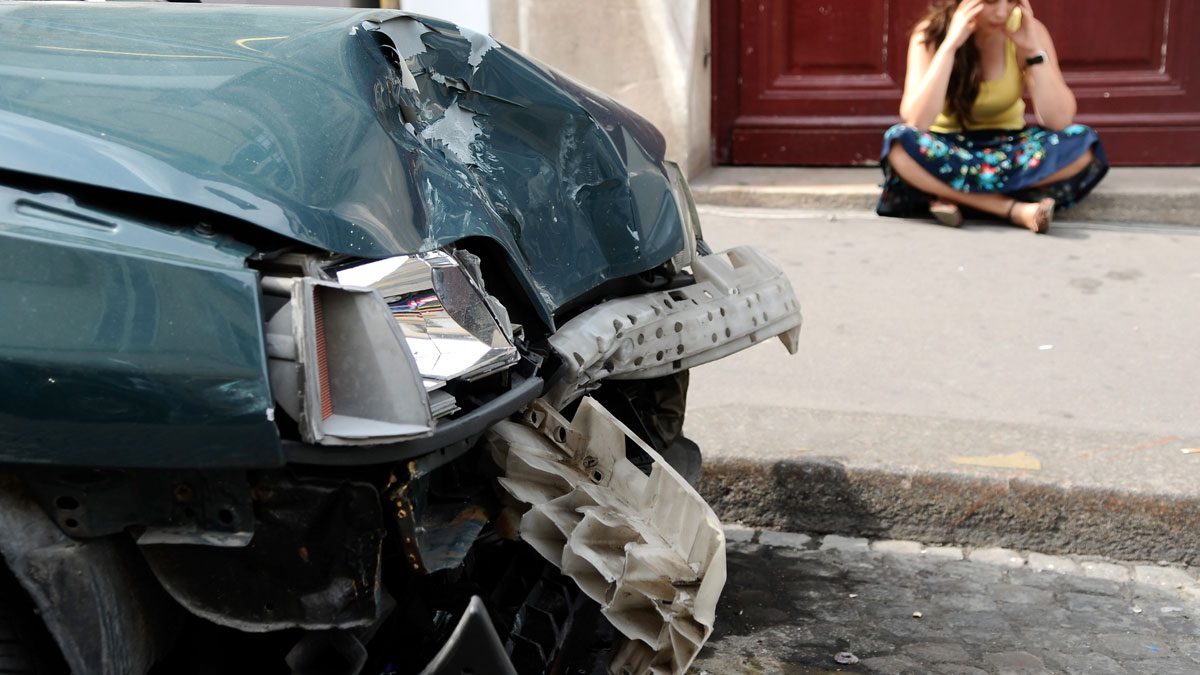
Drunk driving remains one of the most dangerous and preventable causes of serious motor vehicle crashes in Nevada. Alcohol-impaired drivers place everyone on the road at risk, from families traveling on highways to pedestrians crossing neighborhood streets. When a crash is caused by a drunk driver, the injuries are often severe, medical costs escalate quickly, and the legal consequences can extend far beyond a typical traffic collision. Nevada law provides clear pathways for injured individuals to pursue compensation and accountability after a serious drunk driving crash.
Serious crashes involving impaired drivers occur throughout Nevada, including on major roadways such as I-15, I-80, and US-95, as well as local roads in Las Vegas, Henderson, Reno, and surrounding communities. Understanding how claims against drunk drivers work under Nevada law helps injured individuals protect their rights while navigating a complex legal and insurance process.
Why Drunk Driving Crashes Are Especially Dangerous
Alcohol impairs judgment, reaction time, coordination, and decision-making. Even small amounts of alcohol can reduce a driver’s ability to respond to traffic conditions, while higher levels dramatically increase the risk of catastrophic crashes.
Drunk driving crashes are often severe because:
- Impaired drivers are more likely to speed or drive erratically
- Reaction times are significantly delayed
- Drivers may ignore traffic signals or lane markings
- Head-on collisions and high-speed impacts are more common
- Seat belt use may be inconsistent
These factors increase the likelihood of life-altering injuries or fatalities when a crash occurs.

For a free legal consultation, call (725) 900-9000
Nevada Drunk Driving Laws and Legal Standards
Nevada law prohibits operating a vehicle with a blood alcohol concentration of 0.08 percent or higher. Lower thresholds apply to commercial drivers and drivers under the legal drinking age. A driver may also be considered impaired even below the legal limit if alcohol affected their ability to drive safely.
Drunk driving is both a criminal offense and a basis for civil liability. Criminal charges are brought by the state and focus on punishment. Civil claims focus on compensating injured individuals for the harm they suffered.
A drunk driving conviction is not required to pursue a civil injury claim. Evidence of impairment may come from:
- Breath or blood test results
- Officer observations
- Field sobriety tests
- Witness statements
- Surveillance or dash camera footage
Civil liability is determined under Nevada negligence law.

How Drunk Driving Affects Liability in Injury Claims
Nevada follows an at-fault system for motor vehicle accidents. The driver who caused the crash is legally responsible for resulting damages. When alcohol impairment is involved, liability is often clearer because driving under the influence violates traffic safety laws.
Evidence of intoxication can strongly support claims that:
- The driver breached their duty to operate a vehicle safely
- The breach directly caused the crash
- The crash resulted in injuries and financial losses
Insurance companies may still contest claims, but documented intoxication often plays a significant role in establishing fault.
Click to contact our personal injury lawyers today
Types of Injuries Commonly Seen in Drunk Driving Crashes
Drunk driving crashes frequently result in severe injuries due to high speeds, head-on impacts, or failure to brake.
Common injuries include:
- Traumatic brain injuries and concussions
- Spinal cord injuries and paralysis
- Herniated discs and spinal fractures
- Internal organ damage
- Multiple bone fractures
- Severe burns or lacerations
- Amputations
- Fatal injuries
These injuries often require extensive medical treatment, rehabilitation, and long-term care.
Complete a Free Case Evaluation form now
Medical Costs After a Drunk Driving Crash
Medical expenses after a serious drunk driving crash can be overwhelming. Emergency care, hospitalization, surgery, and rehabilitation often begin immediately and continue for months or years.
Recoverable medical expenses may include:
- Emergency medical services and ambulance transport
- Hospital stays and surgical procedures
- Diagnostic testing such as CT scans and MRIs
- Physical therapy and rehabilitation
- Prescription medications
- Assistive devices and mobility aids
- Ongoing medical monitoring and future care
Nevada law allows injured individuals to seek compensation for both current and reasonably anticipated future medical expenses.
Lost Income and Long-Term Financial Impact
Serious injuries often prevent individuals from returning to work during recovery. Some injuries permanently affect the ability to earn income.
Compensation may include:
- Lost wages during recovery
- Job retraining costs when applicable
The financial impact of a drunk driving crash can extend far beyond immediate medical bills.
Insurance Coverage in Drunk Driving Injury Claims
Most injury claims against drunk drivers are initially pursued through the at-fault driver’s auto insurance policy. Liability coverage is intended to pay for medical expenses, lost income, and other damages.
However, insurance complications are common:
- Policy limits may be insufficient for severe injuries
- The driver may be uninsured or underinsured
- Insurers may delay or dispute claims despite evidence of intoxication
When coverage is insufficient, uninsured or underinsured motorist coverage may provide additional recovery through the injured person’s own policy.
Uninsured and Underinsured Drunk Drivers
Some drunk drivers carry no insurance or only minimum coverage. This can create additional challenges for injured individuals facing significant losses.
Uninsured or underinsured motorist coverage may apply when:
- The drunk driver has no insurance
- The policy limits do not cover the full extent of damages
- The insurer denies or limits coverage
These claims require documentation and negotiation similar to liability claims.
Evidence That Matters in Drunk Driving Injury Claims
Strong evidence is critical in claims against drunk drivers. While criminal investigations focus on guilt, civil claims require proof of negligence and damages.
Important evidence may include:
- Police reports and DUI arrest records
- Chemical test results
- Witness statements
- Surveillance or dash camera footage
- Accident reconstruction analysis
- Medical records linking injuries to the crash
Preserving evidence early strengthens the claim and reduces disputes.
Criminal Cases and Civil Injury Claims
Criminal DUI cases and civil injury claims proceed separately. A criminal conviction can support a civil claim, but a civil claim does not depend on the outcome of the criminal case.
Civil claims may proceed even if:
- Criminal charges are pending
- Charges are reduced or dismissed
- The case resolves through a plea
The burden of proof in civil cases is different from criminal cases.
Third-Party Liability in Drunk Driving Cases
In some situations, additional parties may share responsibility for a drunk driving crash. Nevada law allows claims against all parties whose negligence contributed to the injuries.
Potential third-party defendants may include:
- Vehicle owners who allowed an impaired driver to use the car
- Employers if the driver was working at the time of the crash
Identifying all responsible parties may increase available compensation.
Hit-and-Run Drunk Driving Crashes
Some drunk drivers flee the scene to avoid arrest. Hit-and-run drunk driving crashes present unique challenges but do not eliminate recovery options.
Compensation may be available through:
- Uninsured motorist coverage
- Subsequent identification of the driver
- Claims against additional responsible parties
Prompt reporting and evidence preservation are especially important in these cases.
Steps to Take After a Drunk Driving Crash
Protecting legal rights after a drunk driving crash requires prompt and careful action.
Important steps include:
- Calling 911 and requesting medical assistance
- Seeking immediate medical evaluation
- Cooperating with law enforcement without speculating about fault
- Documenting the scene if safe to do so
- Collecting witness contact information
- Requesting a copy of the police report
Medical documentation and police records play a central role in injury claims.
Challenges in Drunk Driving Injury Claims
Despite clear wrongdoing, insurance companies may still contest claims involving drunk drivers. Common challenges include:
- Disputes over injury severity
- Arguments regarding causation
- Delays in claim processing
- Insufficient policy limits
Why Legal Guidance Matters in Drunk Driving Cases
Drunk driving injury claims often involve severe injuries, multiple insurance policies, and parallel criminal proceedings. Mistakes can significantly reduce compensation or delay recovery.
Legal guidance helps with:
- Identifying all responsible parties
- Coordinating medical documentation
- Preserving critical evidence
- Navigating insurance disputes
- Protecting statutory deadlines
How Van Law Firm Can Help
Van Law Firm assists individuals injured in serious crashes caused by drunk drivers throughout Nevada. The firm focuses on applying Nevada law to hold negligent drivers accountable and pursuing compensation consistent with the harm caused.
Support includes evaluating liability, coordinating evidence, managing insurance issues, and addressing the unique challenges that arise in drunk driving injury cases.
Drunk driving crashes cause preventable harm with lasting consequences. Nevada law provides strong legal avenues for injured individuals and families to pursue accountability and financial recovery after a serious crash.
No obligation consultations are always free.
Let Us Help You! Call Now: (725) 900-9000 What Happens if A Drunk Driver Hit Me?
There is no question that drunk driving is both foolhardy and dangerous. Inebriated motorists risk not only their own lives but also the lives of everyone else on the road. Drunk driving ranks among...
 Halloween Safety and Drunk Driving
Every year, trick-or-treaters walk around neighborhoods dressed up in their favorite costumes and enjoying Halloween. There are all kinds of horror stories about this holiday and safety, including f...