
Liability in Commercial Vehicle Accidents: When the Company Is at Fault
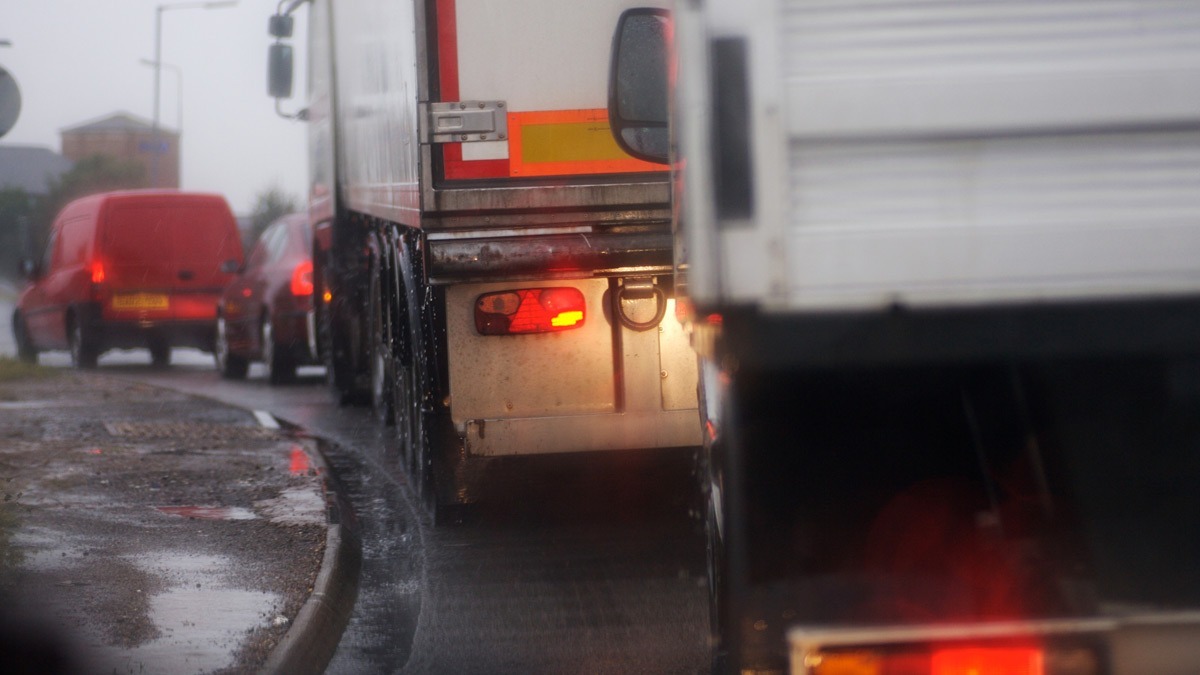
Accidents involving commercial vehicles are often far more complicated than regular car crashes. When a delivery van, box truck, or fleet vehicle is involved in a collision, the consequences can be severe, and determining liability may require a closer look at the company behind the wheel.
Nevada law holds employers responsible for the actions of their employees when those employees are acting within the scope of their job duties. This means that in many cases, the company, not just the individual driver, may be held financially responsible for injuries, medical bills, property damage, and other losses caused by a crash.
Understanding how liability works in commercial vehicle accidents can help injured victims identify who is legally responsible and how to pursue the compensation they are entitled to.
What Is Considered a Commercial Vehicle?
Commercial vehicles include more than just tractor-trailers or big rigs. Any vehicle used for business purposes may fall into this category. Common examples include:
- Delivery vans and box trucks
- Utility company vehicles
- Construction trucks or dump trucks
- Shuttle buses and hotel transportation vans
- Tow trucks
- Maintenance or landscaping trucks
- Mobile service vehicles (such as plumbing or HVAC trucks)
- Food trucks
- Corporate fleet vehicles
These vehicles are frequently owned by businesses, leased from commercial providers, or operated by independent contractors performing work for a company.
For a free legal consultation, call (725) 900-9000
Why Commercial Vehicle Crashes Are Different
Collisions involving commercial vehicles are often more serious due to their size, weight, and use in high-traffic or industrial areas. Beyond the physical damage, victims of these crashes must often deal with:
- Multiple layers of insurance policies
- Corporate legal teams or risk management departments
- Delayed communication due to employer involvement
- Attempts to downplay or deny responsibility
- Complex ownership or leasing arrangements
Unlike regular car crashes, it is not always clear who owns the vehicle, who employs the driver, or which insurance policy applies. An experienced attorney can help unravel these relationships and pursue the correct parties.

Common Causes of Commercial Vehicle Accidents
Accidents involving company-owned vehicles can happen for many reasons. Some of the most frequent include:
- Distracted driving, such as checking a work tablet or using a dispatch system
- Speeding to meet delivery quotas or service windows
- Inadequate driver training or licensing
- Driving under the influence of drugs or alcohol
- Poor vehicle maintenance or ignored repair needs
- Driver fatigue from long hours or back-to-back shifts
- Unsafe loads or improper cargo securement
Employers may be responsible if they encouraged unsafe driving practices, failed to provide adequate training, or neglected routine inspections and repairs.
Click to contact our personal injury lawyers today
When Is a Company Liable for a Crash?
Under Nevada law, employers are generally liable for accidents caused by their employees while performing job-related duties. This legal principle is known as vicarious liability. It applies when:
- The driver was on the clock at the time of the crash
- The driver was performing a task within the scope of their employment
- The vehicle was owned or leased by the company
If the driver was making a delivery, heading to a service call, or transporting passengers for work, the employer can usually be held responsible.
Complete a Free Case Evaluation form now
Examples of Employer Liability in Nevada
Here are a few real-world examples where a company could be held liable:
- A hotel shuttle driver causes a crash while transporting guests to the airport
- A cable company technician rear-ends another vehicle while heading to an installation
- A warehouse worker crashes a company-owned delivery van while on a scheduled route
- A landscaper driving a company truck backs into a pedestrian on a job site
In each of these scenarios, the employer may be responsible for the actions of the driver, even if the driver made a mistake.

Exceptions to Employer Liability
There are some circumstances where the employer may not be liable:
- The driver was off the clock and using the vehicle for personal reasons
- The driver was engaged in criminal activity at the time of the crash
- The driver was an independent contractor, not a direct employee
- The driver acted outside the scope of employment, such as going far off route for personal errands
In these situations, the driver may be solely liable. However, determining whether a company can be held responsible requires a fact-specific analysis.
Independent Contractors and Liability
Many companies try to avoid liability by labeling drivers as independent contractors. However, this does not always protect them. Courts may still hold a company liable if it exercised control over:
- The driver’s schedule and routes
- The vehicle used for work
- Specific job duties or safety procedures
Companies that use contract labor in place of employees still have a duty to ensure public safety. If they fail to properly vet drivers or enforce safety standards, they may be held responsible under Nevada negligence laws.

Multiple Parties May Share Fault
In some commercial vehicle crashes, more than one party may be responsible. Potentially liable entities include:
- The employer or company that owns the vehicle
- The individual driver
- A maintenance contractor who failed to service the vehicle properly
- A vehicle manufacturer if defective parts caused the crash
- A leasing company that supplied unsafe or poorly maintained vehicles
In multi-vehicle collisions, liability may be further divided depending on how the crash occurred. Each party’s role must be investigated to ensure all avenues for compensation are explored.
What to Do After a Commercial Vehicle Crash in Nevada
If you are involved in a crash with a company vehicle, take the following steps to protect your health and your legal rights:
- Call 911 to report the accident and request medical assistance if needed
- Seek immediate medical care, even if injuries seem minor
- Get the driver’s information, including the name of their employer
- Document the scene with photos of vehicles, damage, road conditions, and company logos
- Collect witness contact information
- Request a copy of the police report
- Avoid giving statements to insurance adjusters without legal advice
- Speak with an experienced personal injury attorney before signing any settlement documents
These steps can help preserve critical evidence and ensure you do not unknowingly waive your rights.
What Compensation Can Victims Recover?
In Nevada, victims injured by a negligent commercial driver or company may be entitled to compensation for:
- Emergency room and hospital costs
- Follow-up doctor visits and surgical procedures
- Prescription medications
- Physical therapy and rehabilitation
- Lost income and reduced future earning potential
- Property damage and vehicle repairs
- Pain and suffering
- Emotional trauma
- Permanent disfigurement or disability
- Loss of enjoyment of life
The total value of a claim depends on the severity of the injury, the cost of ongoing care, and the long-term impact on the victim’s quality of life.
Fatal Crashes and Wrongful Death Claims
When a commercial vehicle crash results in death, close family members may be eligible to file a wrongful death claim under Nevada law. This type of lawsuit can provide compensation for:
- Funeral and burial costs
- Medical expenses incurred before death
- Loss of financial support and benefits
- Loss of companionship, care, and affection
Only certain relatives, such as spouses, children, or parents, are eligible to bring this type of claim. An attorney can help determine eligibility and guide the process.
Time Limits for Filing a Claim in Nevada
Nevada law imposes strict time limits for personal injury and wrongful death lawsuits. In most cases, you have:
- Two years from the date of the accident for personal injury claims
- Two years from the date of death for wrongful death claims
If the vehicle involved belongs to a government agency or public utility, a formal notice of claim may be required within six months.
Delays in filing can prevent victims from recovering compensation. It is best to seek legal help early.
How Van Law Firm Can Help
Van Law Firm has extensive experience handling commercial vehicle accident cases across Nevada. Our legal team understands the complex liability issues involved and has the resources to take on large companies, insurers, and their defense attorneys.
We represent clients in cases involving:
- Company cars and fleet vehicles
- Delivery and logistics trucks
- Utility and service trucks
- Hotel and airport shuttles
- Ride-share drivers working for app-based platforms
Our attorneys investigate every angle, from employment status to vehicle maintenance history, to build the strongest case possible for our clients.
No Fees Unless You Win
Van Law Firm operates on a contingency fee basis, which means:
- You do not pay unless we win your case
- There are no upfront or hourly fees
- Your consultation is free and confidential
We take care of the legal work so you can focus on healing and moving forward.
Contact Van Law Firm Today
If you were injured in a commercial vehicle accident in Nevada, do not face the insurance companies or corporate legal teams alone. Let Van Law Firm hold the responsible parties accountable and fight for the compensation you need to recover.
No obligation consultations are always free.
Let Us Help You! Call Now: (725) 900-9000 Truck Accident Laws and the Lawsuit Process
A distracted, tired, careless, and impaired truck driver can be a life-changing burden that will result in unforeseen consequences. Van Law has an immediate response team ready to visit the scene an...
 Driver Impairment in Trucking Accidents: A Dangerous Combination
Unfortunately, the abuse of alcohol and hard drugs has been a prevalent issue in the trucking industry for many years. The long, solitary hours and the pressure to log as many miles as possible lead...
 How the Graves Amendment Affects Moving Truck Cases
Every year, thousands and thousands of Americans hit the road in search of new environments and new opportunities. Some may choose to cram their sedans or load their pickups, while others opt for a ...
 The Dangers of Improper Semi-Truck Maintenance
When a heavily-loaded commercial truck collides with a smaller vehicle, serious or fatal injuries are almost inevitable. After a truck accident, you may be quick to pin the blame on driver error, bu...