
Before You Accept a Settlement Offer: What Injury Victims Should Consider

Whether the injury occurred in a car crash in Las Vegas, a slip and fall in Reno, or a commercial vehicle collision on I-15, insurance companies often move quickly to make settlement offers. While an early payment may seem helpful, accepting too soon can permanently limit your ability to recover full compensation.
A settlement agreement is final. Once signed, you generally waive the right to pursue additional damages, even if your injuries turn out to be more serious than initially believed. Understanding the legal and financial implications before accepting an offer is essential.
Why Insurance Companies Make Early Settlement Offers
Insurance companies are businesses. Their goal is to resolve claims efficiently and minimize payouts. Early settlement offers are often made before the full extent of medical treatment and long-term impact is known.
Common reasons insurers offer early settlements include:
- Attempting to close the claim before serious injuries are diagnosed
- Limiting exposure to higher pain and suffering damages
- Taking advantage of financial pressure on the injured person
Nevada follows an at-fault insurance system. This means the driver or party responsible for causing the accident is liable for damages. However, insurers are not required to offer full value voluntarily. Careful review of any offer is necessary.

For a free legal consultation, call (725) 900-9000
Have You Completed Medical Treatment?
One of the most important considerations before accepting a settlement is whether medical treatment is complete or stable. Serious injuries may involve:
- Traumatic brain injury
- Herniated discs
- Spinal cord damage
- Complex fractures
- Internal organ injuries
In cases of permanent or catastrophic injury, such as traumatic brain injury and spinal cord injury, it is also vital to account for future care.
Are Future Medical Expenses Accounted For?
A fair settlement should include both current and anticipated future medical costs. For severe, life-altering injuries, future needs may include:
- Follow-up surgeries
- Ongoing physical therapy
- Pain management treatment
- Assistive devices
- Home modifications
- Long-term care needs
Medical experts and life care planners are often necessary to calculate projected costs. Accepting an offer that covers only current bills may result in significant financial hardship later.

Click to contact our personal injury lawyers today
Is Liability Fully Established?
The strength of liability evidence significantly impacts settlement value. h2 liability evidence may include:
- Police reports assigning fault
- Traffic citations
- Surveillance footage
- Eyewitness testimony
- Accident reconstruction analysis
If liability is clear, your negotiating position is stronger. Accepting a low offer in a strong liability case may not reflect the true value of your claim.
Complete a Free Case Evaluation form now
Understanding Policy Limits
Insurance policies have coverage limits. If the at-fault party carries only minimum liability coverage under Nevada Revised Statutes Chapter 485, available compensation may be limited.
Minimum coverage requirements include:
- Bodily injury liability per person
- Bodily injury liability per accident
- Property damage liability
If damages exceed policy limits, additional recovery options such as underinsured motorist coverage may need to be evaluated before settling.
Subrogation and Medical Liens
Before accepting a settlement, it is important to understand who must be repaid from the proceeds. Health insurers, Medicare, Medicaid, or medical providers may assert liens or subrogation rights. The Centers for Medicare and Medicaid Services explains that Medicare may require reimbursement when it pays for accident-related treatment.
If liens are not properly addressed, you may receive less than expected from the settlement. Negotiating reductions in these liens can significantly affect your final recovery.

The Finality of a Settlement Agreement
A settlement agreement typically includes a release of liability. This means you cannot reopen the claim later, even if:
- Your condition worsens
- New medical complications develop
- Additional expenses arise
- You discover previously unknown injuries
Once signed, the decision is permanent. Careful evaluation is essential before committing.
Questions Injury Victims Should Ask Before Accepting
Before agreeing to any settlement, consider:
- Have all injuries been fully diagnosed?
- Has maximum medical improvement been reached?
- Have all insurance policies been identified?
- Have medical liens been calculated?
- Is liability clearly established?
- Does the amount reflect potential long-term impact?
Careful review of these issues helps prevent costly mistakes.
When Trial May Be Necessary
If the insurance company refuses to offer fair compensation, litigation may be necessary. Nevada courts provide a path to pursue damages when negotiation fails.
Trial carries risks, but in some cases it may result in higher compensation if evidence strongly supports the claim. Each case must be evaluated individually.
How Van Law Firm Can Help
Determining whether an offer is fair involves analyzing medical records, future care projections, liability evidence, insurance coverage, and potential liens.
Van Law Firm represents injury victims throughout Nevada in settlement negotiations and courtroom litigation. Thorough case preparation includes reviewing medical documentation, consulting experts, calculating long-term damages, and identifying all available insurance coverage.
Insurance companies evaluate cases based on risk. Strong preparation and willingness to litigate often lead to more favorable settlement outcomes.
Nevada law provides injured individuals the right to pursue full compensation for both economic and non-economic losses. Carefully weighing all factors before accepting a settlement helps ensure that recovery reflects the true cost of the injury and protects long-term financial stability.
No obligation consultations are always free.
Let Us Help You! Call Now: (725) 900-9000 INSTALLATION OF POSITIVE TRAIN CONTROL TECHNOLOGY
Railroads are required to install positive train control technology but a report by the FRA shows that while some railroads have made significant progress, many freight and commuter railroads are no...
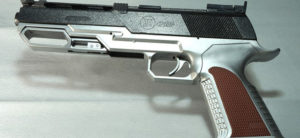 KIDS WITH GUNS: WHO IS LIABLE?
Gun owners may be liable for the injuries and deaths that are caused when kids accidentally shoot someone. Of the 265 kid-with-gun shootings reported in 2015, 83 resulted in a death. Forty-one young...
 CUMULATIVE TRAUMA ON THE TRACKS
Cumulative trauma injuries accumulate over time and often result in severe injuries for railroad workers. Railroad workers operate in hostile environments where life-changing accidents are common, b...
 E-SCOOTER DANGERS: THE COST OF CONVENIENCE
E-scooters are becoming increasingly popular across the United States and riders need to be aware of the dangers involved. These motorized vehicles are a top transportation choice among commuters in...