
When THC Impairment Becomes Legal Liability After a Car Crash
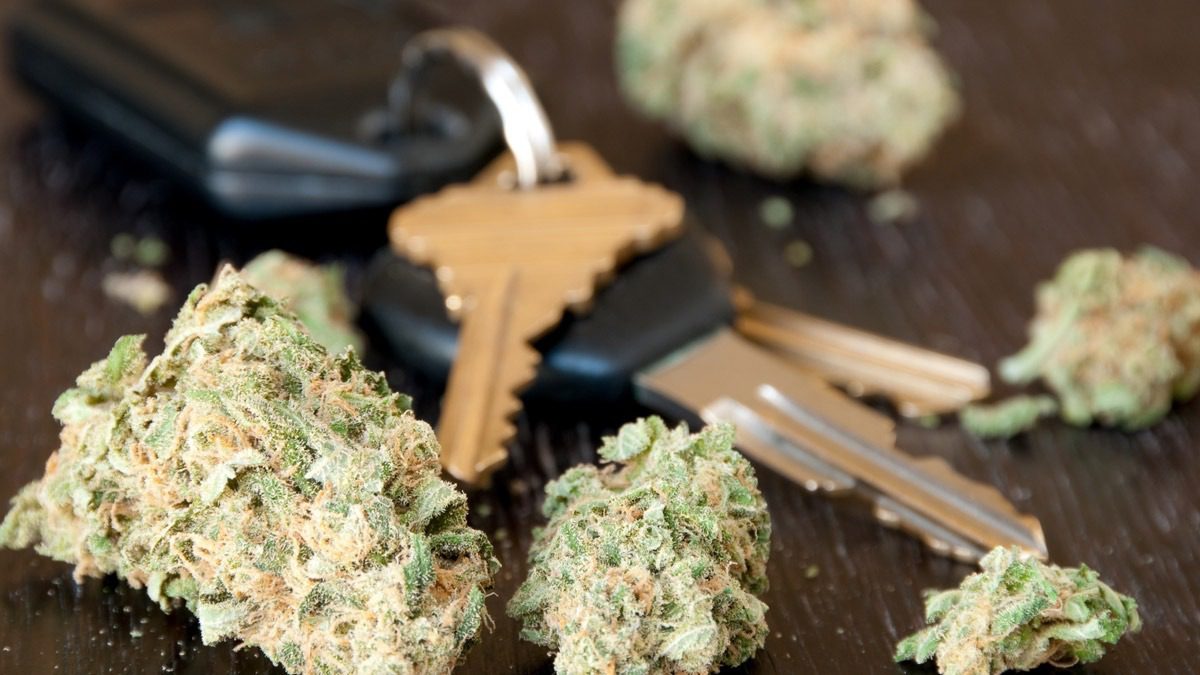
When THC impairment becomes legal liability after a car crash, the consequences can be severe under Nevada law. As cannabis use has become legal for recreational and medical purposes in Nevada, more drivers are asking how marijuana affects their legal responsibility after an accident. While possession and personal use may be lawful, driving under the influence of THC is not. If impairment contributes to a collision, the at-fault driver can face both criminal charges and civil liability for injuries, property damage, and long-term losses.
Understanding how Nevada treats THC impairment in car accident cases is critical for anyone injured in a crash where marijuana use is suspected.
Nevada Marijuana Laws and Driving Under the Influence
Nevada legalized recreational marijuana for adults 21 and older, but strict limits remain when it comes to operating a vehicle. Under Nevada Revised Statutes Chapter 484C, it is illegal to drive with certain levels of marijuana or its metabolites in your system.
Nevada sets specific limits for THC in a driver’s blood:
- 2 nanograms per milliliter of delta-9-tetrahydrocannabinol in blood
- 5 nanograms per milliliter of 11-hydroxy-THC in blood
If a driver exceeds these limits, they can be charged with driving under the influence, even if they do not appear visibly intoxicated. These standards apply statewide, including in Las Vegas, Reno, Henderson, and rural Nevada communities.
Criminal charges are separate from civil liability. Even if criminal charges are reduced or dismissed, THC impairment can still form the basis of a personal injury claim.

For a free legal consultation, call (725) 900-9000
How THC Impairment Affects Driving
THC, the psychoactive component in cannabis, can affect reaction time, coordination, judgment, and attention. According to the National Highway Traffic Safety Administration, marijuana can impair critical driving skills, including lane tracking and divided attention.
The Centers for Disease Control and Prevention also notes that marijuana use can slow reaction time and impair coordination, increasing crash risk.
Common driving behaviors associated with THC impairment include:
- Delayed braking at traffic lights
- Drifting between lanes
- Failing to yield the right of way
- Misjudging distances between vehicles
- Reduced awareness of pedestrians or cyclists
When these behaviors lead to a crash, the impaired driver may be considered legally negligent.
Proving THC Impairment After a Crash
In a civil injury case, proving that THC impairment caused or contributed to a crash often involves multiple types of evidence.
Evidence may include:
- Police reports documenting signs of impairment
- Blood test results showing THC levels
- Field sobriety test performance
- Dashcam or surveillance footage
- Witness testimony describing erratic driving
- Accident reconstruction analysis
Law enforcement officers are trained to identify signs of drug impairment, and in serious crashes, blood testing is common. If testing reveals THC levels above the statutory threshold, that result can strongly support a liability claim.
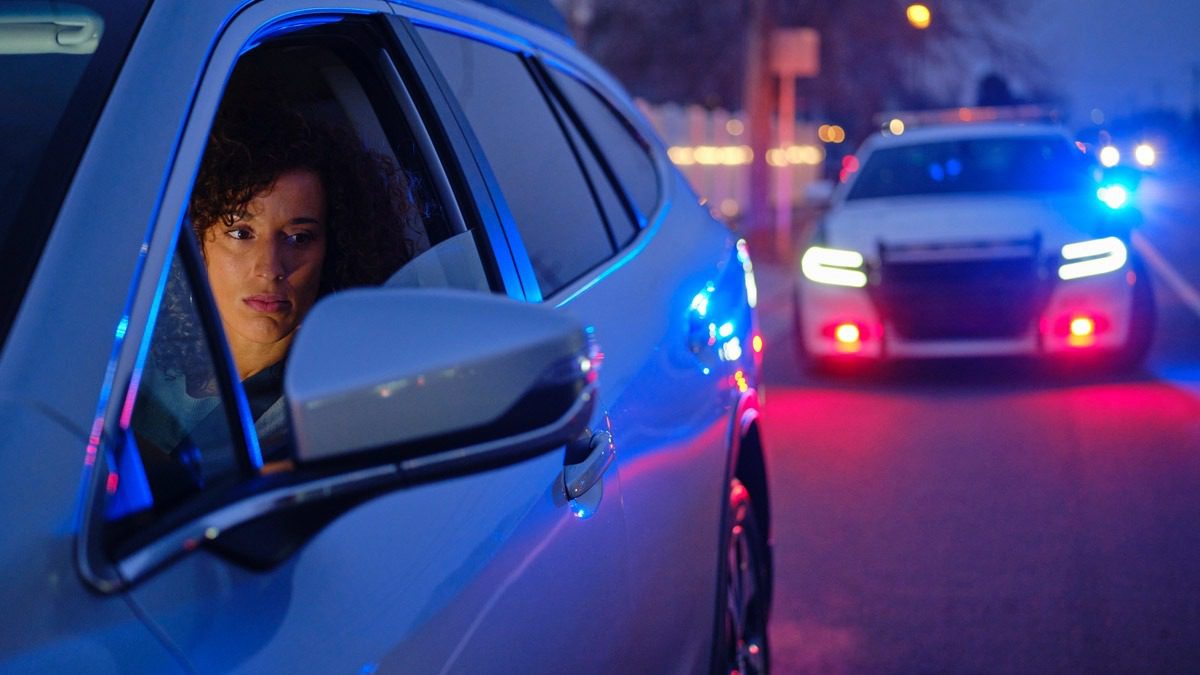
However, impairment cases can be complex. THC can remain detectable in the bloodstream after the intoxicating effects have diminished. Because of this, experienced legal representation is often necessary to connect test results to actual impaired driving behavior at the time of the crash.
Click to contact our personal injury lawyers today
When THC Impairment Becomes Legal Liability After a Car Crash
When THC impairment becomes legal liability after a car crash, it typically means that the impaired driver’s negligence directly caused the collision. Under Nevada negligence law, drivers have a duty to operate their vehicles safely and in compliance with traffic laws.
If a driver breaches that duty by driving under the influence of marijuana and causes injury, they may be responsible for:
- Medical expenses
- Property damage
- Rehabilitation costs
- Long-term disability-related expenses
Nevada follows an at-fault insurance system. This means the driver who caused the accident is responsible for the resulting damages. Victims can file a claim against the at-fault driver’s liability insurance policy.
In cases involving serious injury, such as traumatic brain injury, spinal cord damage, or multiple fractures, compensation may be substantial.
Complete a Free Case Evaluation form now
THC, Commercial Drivers, and Zero Tolerance
The legal consequences can be even more serious when a commercial driver is involved. Federal regulations prohibit commercial drivers from operating a vehicle with any detectable amount of marijuana in their system, regardless of state legalization.
The Federal Motor Carrier Safety Administration enforces strict drug testing requirements for commercial drivers.
If a delivery truck driver, bus operator, or other commercial vehicle driver tests positive for THC after a crash in Nevada, both the driver and the employer may face legal consequences. In civil cases, the employer may also be liable if the driver was acting within the scope of employment.
What to Do After a Suspected THC-Related Crash
If you are involved in a crash and suspect the other driver may be impaired by marijuana, taking the right steps can protect both your health and your legal rights.
You should:
- Call 911 immediately to report the accident
- Request medical attention, even if injuries seem minor
- Inform responding officers of any signs of impairment you observed
- Document the scene with photos and videos if possible
- Collect contact information from witnesses
- Avoid discussing fault at the scene
Prompt reporting increases the likelihood that law enforcement will conduct appropriate testing.
Insurance Challenges in THC Cases
Insurance companies may attempt to dispute or minimize claims involving THC impairment. Common defense strategies include:
- Arguing that THC levels do not prove impairment at the time of the crash
- Claiming another factor caused the accident
- Disputing the severity of injuries
- Delaying the investigation to pressure settlement
An experienced Nevada personal injury attorney can counter these tactics by gathering strong evidence and consulting with toxicology experts.
How Van Law Firm Can Help
When THC impairment becomes legal liability after a car crash, injured victims often face complex legal and evidentiary challenges. Investigating drug-impaired driving cases requires careful review of toxicology reports, police procedures, and medical records.
Van Law Firm represents injury victims throughout Nevada and understands how marijuana impairment cases intersect with state DUI laws and civil negligence claims. A thorough legal approach may include securing blood test records, analyzing crash data, consulting medical experts, and identifying all available insurance coverage.
Holding impaired drivers accountable not only supports injured individuals but also reinforces roadway safety across Nevada communities.
Nevada law is clear that legalization of marijuana does not extend to impaired driving. When preventable impairment leads to serious injury or loss of life, legal remedies exist to pursue accountability and financial recovery.
No obligation consultations are always free.
Let Us Help You! Call Now: (725) 900-9000 DEALING WITH INSURANCE COMPANIES IN A PERSONAL INJURY ACCIDENT
Dealing with insurance companies can be the most frustrating part of handling a personal injury claim. Whether your claim comes from a car accident, medical malpractice, workman’s comp, or dog bite ...
 FRIENDS DON’T LET FRIENDS TEXT AND DRIVE
Texting and hand-held cell phone use is illegal in Nevada.The National Highway Traffic Safety Administration (NHTSA) reported that in 2014, distracted drivers caused thousands of accidents across th...
 “MINOR” CAR ACCIDENTS ARE SERIOUS
“Minor” car accidents, perhaps caused by inattention or carelessness, can still cause a great deal of pain and suffering. According to the National Highway Traffic Administration, over 2 million peo...
 LAS VEGAS RANKS LOW FOR DRIVER SAFETY
Recently, Las Vegas ranked 144 out of 200 cities in the United States for driver safety. The recent report reveals that drivers in Las Vegas have a car accident every eight years and are an astoundi...