
When a Simple Trip Hazard Causes Long-Term Injury

A raised piece of sidewalk, a curled corner of carpet, a loose floor mat, a slight lip on a stair tread. Hazards like these often look like nothing at all to anyone walking past. The cracks are familiar, the edges blend in, and the surface feels ordinary underfoot. When someone trips on one of them, the cause appears trivial. The consequences are not.
Trip incidents that begin with a small, easily overlooked hazard can produce some of the most enduring injuries in personal injury law. A momentary stumble can drive the body into a hard surface with enough force to fracture bone, tear ligaments, herniate spinal discs, and concuss the brain. The injury that develops over the days and weeks that follow is often far worse than what appeared at the scene. Understanding how these incidents unfold, what injuries tend to result, and what legal options exist under Nevada law is essential for anyone facing a long recovery after what looked like a simple trip.
What Counts as a Trip Hazard
A trip hazard is any condition that catches a foot, ankle, or shoe in an unexpected way during normal walking. Common examples include:
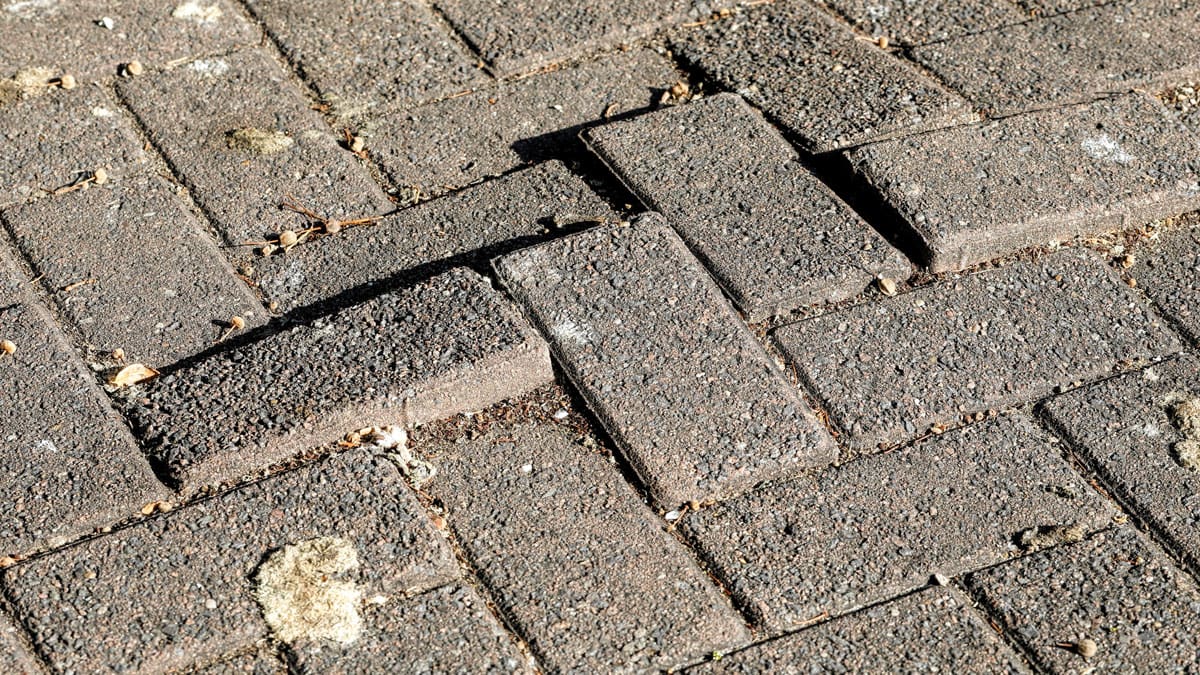
- Raised or cracked sections of sidewalk, parking lot, or pavement
- Curled, frayed, or loose carpet edges and floor mats
- Uneven thresholds between rooms or between floor materials
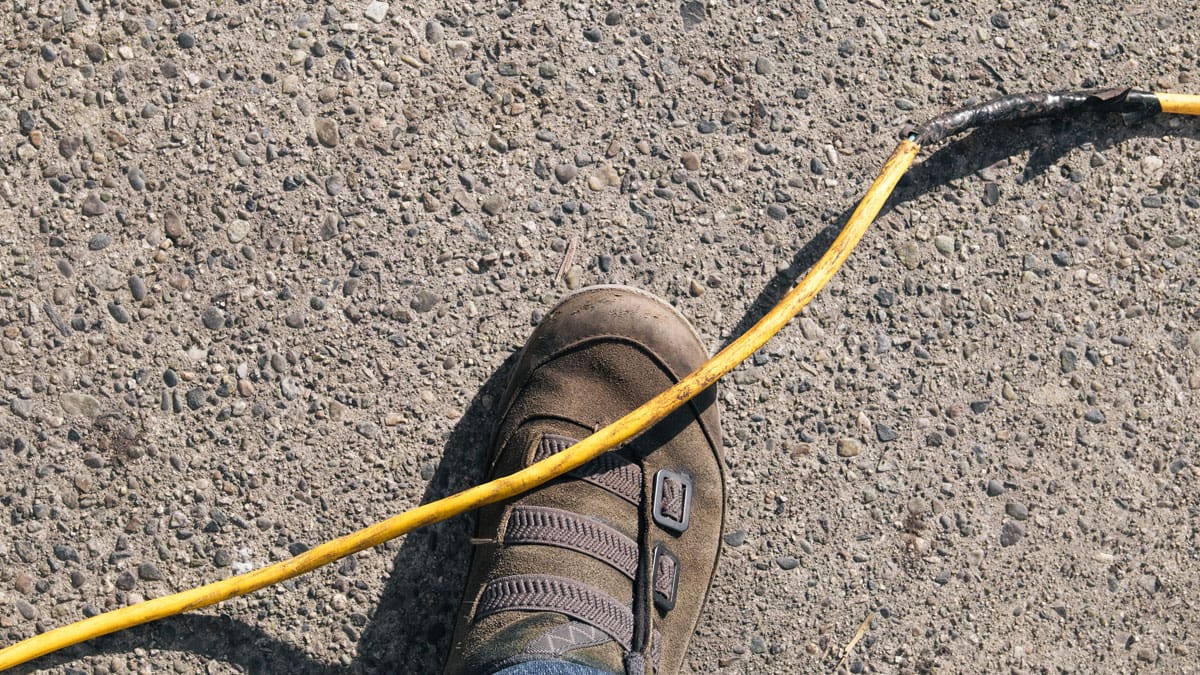
- Cords, cables, or hoses running across walking surfaces
- Unmarked single steps or sudden grade changes
- Damaged or worn stair treads, nosing, or risers
- Debris, merchandise, or display items left in walkways
The hazards most likely to cause serious injury are often the ones that fall just below the threshold of obvious danger. A height difference of half an inch can be enough to catch a toe. A frayed carpet edge can grab the front of a shoe in a way that locks the foot in place while the rest of the body continues forward. These conditions can persist on commercial properties for weeks or months while customers, employees, and visitors walk past them every day.
For a free legal consultation, call (725) 900-9000
How a Minor Stumble Becomes a Major Injury
The physics of a forward fall help explain why a small hazard can produce a large injury. When a foot catches on something during normal walking, the body keeps moving forward at full speed. The arms typically come up too late or land in awkward positions. The hands, wrists, knees, and face often absorb the first impact, followed by the head or hip when the fall is uncontrolled.
Several factors influence how serious the resulting injury will be:
- The height and surface of the impact zone, including concrete, tile, marble, and metal edges
- The angle of the fall, whether forward, sideways, or twisting
- The age and underlying health of the person, particularly bone density and balance
- Whether the person was carrying objects, holding handrails, or wearing supportive footwear
- The presence of furniture, fixtures, or other objects in the fall path
The body’s natural protective reflexes need a fraction of a second to engage, and many falls do not allow enough time for those reflexes to do their work. The hands may not reach the ground before the head or hip, particularly when the person is older, distracted, or carrying something with both hands. Falls onto concrete or tile produce far more severe injuries than falls onto carpet or grass, but commercial floors are almost always hard.
Unintentional falls remain the leading cause of injury among adults aged 65 and older, according to the Centers for Disease Control and Prevention. Younger adults can also sustain serious injuries when a fall drives them into a hard surface at full walking speed.

Long-Term Injuries That Commonly Follow a Trip Incident
The injuries that develop in the hours, days, and weeks after a fall often go beyond what was visible at the scene. Common long-term consequences include:
- Traumatic brain injuries, ranging from concussions to bleeding within the skull
- Hip fractures, which often require surgical repair and extended rehabilitation
- Wrist and arm fractures sustained when a person breaks the fall with the hands
- Herniated or ruptured discs in the lumbar and cervical spine
- Shoulder injuries including rotator cuff tears, labral tears, and dislocations
- Knee injuries involving ligaments, meniscus, and patellar damage
- Soft tissue injuries that develop into chronic conditions over time
Long-term injuries often emerge well after the day of the incident. A concussion that initially produced only a mild headache may develop into post-concussive syndrome with persistent memory issues, light sensitivity, and difficulty concentrating. A wrist fracture that healed in a cast may require additional surgery months later when complications emerge. A herniated disc that initially responded to conservative treatment may eventually require surgical intervention as symptoms worsen.
Falls are also one of the leading causes of traumatic brain injury hospitalizations, particularly among older adults. A TBI from a fall can produce headaches, memory and concentration difficulties, balance disturbances, mood changes, and other symptoms that affect daily life for months after the incident. Some patients recover fully. Others do not.
Click to contact our personal injury lawyers today
Where Trip Hazards Most Often Appear in Nevada
Trip hazards can appear on any property, but certain Nevada locations see them more often than others. Common settings include:
- Casino floors, where heavy foot traffic, low lighting, and crowded conditions disguise hazards
- Hotel lobbies, hallways, and conference areas with worn carpet and uneven thresholds
- Grocery stores, restaurants, and retail shops with damaged flooring and merchandise displays
- Sidewalks and parking lots maintained by commercial property owners
- Apartment complexes, condominium properties, and rental housing
- Office buildings, medical facilities, and public service buildings
- Construction zones and renovation areas with inadequate signage or barriers
Properties along the Las Vegas Strip, in Henderson, in Reno, and in Lake Tahoe resort areas all see significant trip injury claims each year. The high volume of out-of-state visitors at these properties means that injured guests are often unfamiliar with the layout, dim lighting, or unusual flooring transitions that contributed to the fall.
Complete a Free Case Evaluation form now
Property Owner Duties Under Nevada Law
Nevada law requires property owners and operators to exercise reasonable care in maintaining their premises for visitors. This includes the duty of care to inspect for hazards, correct dangerous conditions in a timely manner, and warn visitors about hazards that cannot be immediately addressed. For hotels, motels, and other lodging establishments, NRS 651 provides additional statutory framework for innkeeper liability.
To succeed on a premises liability claim involving a trip hazard, an injured visitor generally must show:
- The property owner or operator owed a duty of care
- A hazardous condition existed on the property
- The owner knew or should have known about the condition
- The owner failed to correct the condition or warn visitors about it
- The condition directly caused the injury
The strength of any such claim depends heavily on what the property knew, when they knew it, and what documentation exists to support or refute that knowledge. Maintenance logs, inspection records, prior incident reports, and surveillance footage all play a role.
Steps to Take After a Trip Incident
The hours and days following a fall are critical for both physical recovery and any future legal claim. Injured visitors should:
- Seek immediate medical evaluation, even when injuries appear minor
- Report the incident to property management and request a written incident report
- Photograph the hazard, surrounding area, lighting conditions, and any visible defects
- Identify and collect contact information from witnesses
- Request that surveillance footage be preserved through written notice to the property
- Avoid giving recorded statements to insurance representatives or risk management
- Consult a personal injury attorney before signing any release or accepting settlement offers
Delays in seeking medical care can complicate a claim. Defense attorneys often argue that a delay shows the injury was not serious or was caused by something other than the fall. Prompt medical evaluation creates a contemporaneous record connecting the incident to the symptoms.
Proving That the Trip Hazard Caused the Injury
Trip injury claims often hinge on the ability to connect the specific hazard to the specific injury. This is more complex than it sounds. Defense attorneys frequently argue that the injured person tripped over their own feet, that the hazard was open and obvious, or that pre-existing medical conditions caused the symptoms rather than the fall.
Successful claims tend to rely on:
- Detailed photographs of the hazard taken before any repairs are made
- Measurements showing the height differential, surface area, or other dimensions of the defect
- Witness statements from people who saw the fall or had previously noticed the hazard
- Maintenance and inspection records obtained through legal discovery
- Surveillance footage preserved before the property overwrites it
- Medical records establishing the connection between the fall and the diagnosed injuries
- Expert analysis from accident reconstructionists, safety engineers, and treating physicians
Defense strategies in trip injury cases often focus on the open and obvious doctrine, which holds that property owners are not liable for hazards a reasonable person would have seen and avoided. Nevada courts apply this doctrine carefully and recognize that even apparently obvious conditions can produce liability when distractions, lighting conditions, or the layout of a property prevent visitors from seeing what they would otherwise notice. Experienced personal injury attorneys know how to counter these arguments with the specific facts of each case.
Documenting the scene early is critical. Many properties quickly repair or replace the conditions that caused an injury once an incident is reported. Photographs and measurements taken before that work begins may be the only objective record of what the hazard actually looked like.
Compensation Available After a Trip Injury
Injured visitors in Nevada may be eligible to recover compensation for a range of losses connected to the incident. Damages typically pursued in trip injury claims include:
- Emergency room treatment and ambulance transport
- Hospital bills, surgical costs, and inpatient care
- Diagnostic imaging such as CT scans, MRIs, and X-rays
- Follow-up care with orthopedic specialists, neurologists, and rehabilitation providers
- Prescription medications and medical equipment such as braces, canes, and walkers
- Physical therapy and occupational therapy
- Home modifications required to accommodate a permanent disability
The total value of a claim depends on the severity of the injuries, the medical documentation available, the resources of the responsible parties, and the strength of the evidence connecting the hazard to the harm.
Statute of Limitations in Nevada
Nevada law sets strict deadlines for filing personal injury claims. Under the state’s two-year statute of limitations, an injured visitor generally has two years from the date of the incident to file a lawsuit.
Claims involving children, government-owned properties, or out-of-state corporate defendants can involve additional procedural rules. Missing the applicable deadline can permanently bar recovery, regardless of the strength of the underlying case.
How Van Law Firm Can Help
Van Law Firm represents people injured by preventable trip hazards on commercial and residential properties throughout Nevada. The firm has handled cases involving raised sidewalks, damaged carpet, defective stairs, unmarked grade changes, and other conditions that property owners failed to address. Our attorneys work with safety engineers, medical specialists, and accident reconstructionists to identify every party responsible and build strong claims for our clients.
Van Law Firm serves clients throughout Nevada, including Las Vegas, Henderson, Reno, and surrounding communities.
No Fees Unless You Win
Van Law Firm handles personal injury cases on a contingency fee basis. This means:
- There are no upfront costs to begin your case
- You pay no hourly fees during the representation
- Legal fees are only collected if compensation is recovered
- Consultations are free and confidential
Contact Van Law Firm Today
If you or someone close to you has sustained a long-term injury from a trip hazard in Nevada, Van Law Firm is ready to evaluate your case and identify every party whose negligence may have contributed. Free consultations help injured visitors understand their legal options under Nevada law.
No obligation consultations are always free.
Let Us Help You! Call Now: (725) 900-9000 INSTALLATION OF POSITIVE TRAIN CONTROL TECHNOLOGY
Railroads are required to install positive train control technology but a report by the FRA shows that while some railroads have made significant progress, many freight and commuter railroads are no...
 KIDS WITH GUNS: WHO IS LIABLE?
Gun owners may be liable for the injuries and deaths that are caused when kids accidentally shoot someone. Of the 265 kid-with-gun shootings reported in 2015, 83 resulted in a death. Forty-one young...
 CUMULATIVE TRAUMA ON THE TRACKS
Cumulative trauma injuries accumulate over time and often result in severe injuries for railroad workers. Railroad workers operate in hostile environments where life-changing accidents are common, b...
 E-SCOOTER DANGERS: THE COST OF CONVENIENCE
E-scooters are becoming increasingly popular across the United States and riders need to be aware of the dangers involved. These motorized vehicles are a top transportation choice among commuters in...