
The CooperSurgical IVF Lawsuit: A Guide for Affected Families

Many years ago, there was no hope for couples struggling with infertility. Today, that is no longer the case. According to experts, certain procedures classified as assisted reproductive technology now allow couples that are unable to get pregnant on their own to have children. Of these fertility treatments – which involve “the handling of eggs or embryos and sperm,” experts say in vitro fertilization (IVF) is the most effective.
According to a report issued by the Society for Assisted Reproductive Technology (SART) earlier this year, the number of babies born from IVF increased in 2023. Specifically, the data reflects 95,860 births from IVF in the most recent round of reporting, compared to 91,771 in 2022. The data also reflects that the number of births from IVF in 2023 accounted for 2.6% of births in the United States that year.
Unfortunately, IVF isn’t always successful. Specialists say several factors may influence the outcome. However, the plaintiffs in two lawsuits filed last year reportedly blamed Connecticut-based fertility technology company Cooper Surgical, Inc., for the death of the embryos they planned on using to have children. In particular, they alleged that that a solution the company makes for growing embryos for in vitro fertilization was toxic and ultimately killed the embryos in question.
Van Law Firm is now providing important information for anyone else who suspects the loss of their embryos may be linked to the same solution. Keep reading to learn more.
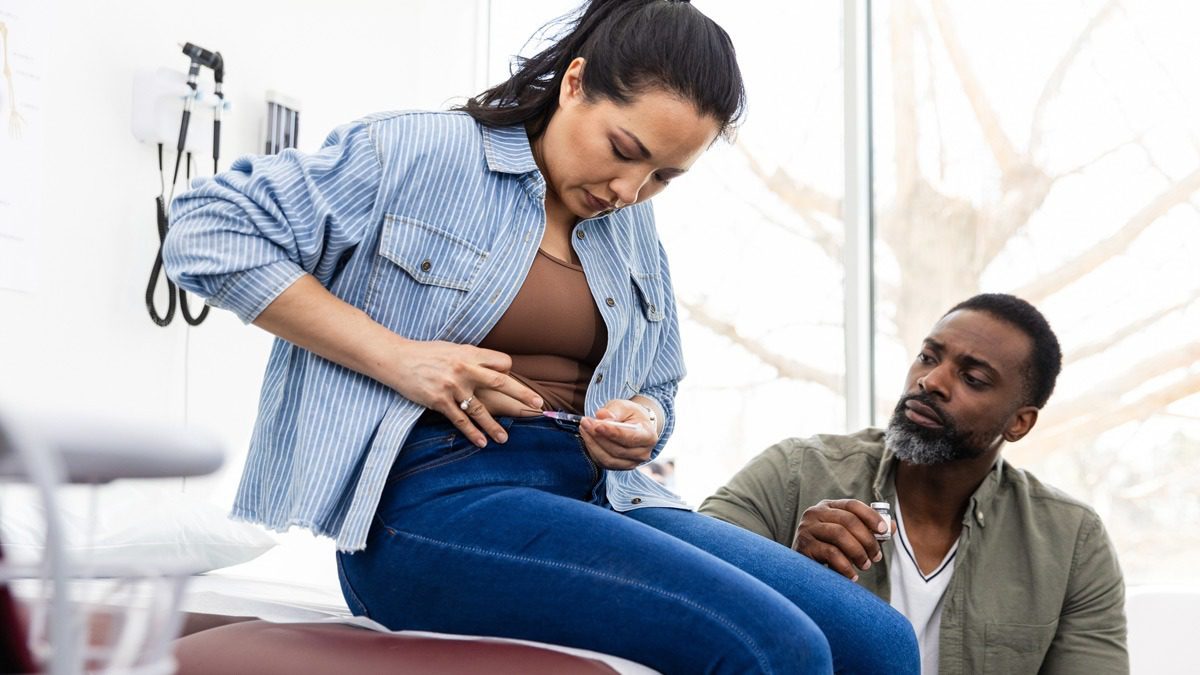
What IS IVF?
As noted above, IVF is a fertility treatment that can be used when a couple has had prolonged difficulty getting pregnant. However, infertility isn’t the only reason why people choose it. IVF is also an option for older women who would be at greater risk for complex pregnancy or have difficulty becoming pregnant due to their age. Others who may choose IVF include same-sex partners, or individuals who want to become parents without a partner. A couple may be a candidate for IVF if one of the partners has any of the following:
- Clogged or otherwise impaired fallopian tubes.
- Endometriosis.
- Low sperm count or other sperm diminishments.
- Polycystic ovary syndrome (PCOS) or other conditions affecting the ovaries.
- Uterine fibroids.
- Other conditions affecting the uterus.
- Risk of passing on a genetic disease or disorder.
This particular type of assisted reproductive technology involves the fertilization of sperm and an egg outside of the human body. In this multi-step process, eggs are first collected from a woman’s ovaries. They are then manually combined with sperm in a lab for fertilization. Fertilization generally takes several days. Upon successful fertilization, the egg is inserted into the uterus. Pregnancy happens when the fertilized egg, or embryo, attaches itself into the uterine wall.

Depending on the unique circumstances of each case, IVF can be done using a couple’s own eggs and sperm or donated eggs, sperm, and/or embryos. In other cases, a “gestational carrier” has an embryo implanted in her uterus.
For a free legal consultation, call (725) 900-9000
Factors Affecting IVF Outcomes
According to reproductive medicine specialists, the factors that tend to affect IVF outcomes include maternal age, how well the embryo is developed when it is transferred, prior birth history and the specific reasons for infertility. Lifestyle also plays a part in determining IVF outcomes.
Experts say activities such as smoking can reduce the chances of having a successful outcome with IVF. Specifically, they note that smokers often fewer eggs retrieved during IVF and may miscarry more often. Other lifestyle factors that tend to affect IVF outcomes include weight (obesity), alcohol use, drug use excessive caffeine intake. Some medicines can also be detrimental
Lawsuits Against Cooper Surgical Inc. Stack Up
Like the plaintiffs in the California lawsuits referenced above, a Connecticut resident who reportedly sued CooperSurgical Inc. blames the company rather than herself for the loss of “all her embryos” during her IVF treatment.

In this particular case, the plaintiff alleges that the fertility clinic she went to used Global Media, a so-called culture medium that the company makes to “promote embryo growth and increase the chances of developing a viable embryo during IVF treatment.” As reported on the website classaction.com, the lawsuit also alleges that she is not the only person whose embryos sustained irreparable damage following exposure to the supposedly defective product.
Ultimately the discovery of a magnesium deficiency that hindered embryo growth prompted CooperSurgical to recall recalled the solution in December 2023. However, the lawsuit accuses the company of failing to ensure its safety by doing adequate testing the solution before distributing it to fertility clinics throughout the United States. Nearly half of the 994 affected bottles of Global Media solution allegedly went to those clinics.
If you suspect that you lost embryos while going through IVF because your clinic used the allegedly defective solution made by CooperSurgical, you may also have legal options. To find out, start by contacting Van Law Firm to schedule a free case assessment today.
No obligation consultations are always free.
Let Us Help You! Call Now: (725) 900-9000 Forklift Accidents & Lawsuits
Forklift incidents commonly occur in the workplace and can cause serious injuries or even death. There are around 20,000 workers in the United States who suffer from these injuries each year. In an ...
 Video Games: Innocent Fun or addictive menace?
If your child was seriously injured due to video game addiction, Van Law Firm Can Help Video Games are everywhere and there is hardly anyone who does not know what they are. More than 200 million pe...
 What You Need To Know About Filing A Suboxone Tooth Decay Lawsuit
Not all that long ago, opioid misuse was so rampant in the United States that experts classified it as a crisis. They say the trouble started back in the 1990s, when prescription opioid medications ...
 Your Rights as a Pedestrian in Las Vegas Crosswalk Accidents
Las Vegas is one of the busiest pedestrian cities in the country, with millions of residents and visitors crossing streets every day, especially along the Strip, in downtown areas, and near resident...