
Semaglutide and Ozempic Lawsuits Guide: 2026

Once hailed as a landmark breakthrough in diabetes care, semaglutide is now facing a wave of complex litigation that is fundamentally reshaping its market presence. As reports of serious adverse events associated with semaglutide (the active compound in Ozempic®, and Wegovy®, Rybelsus®, Mounjaro®, or Zepbound®) have mounted, so too have the lawsuits targeting manufacturers and telehealth distributors.
Semaglutide belongs to a class of drugs known as GLP-1 receptor agonists, which function by mimicking the glucagon-like peptide-1 hormone to regulate blood sugar and appetite. By stimulating these receptors, semaglutide prompts insulin release, suppresses hunger signals, and significantly slows gastric emptying.
While these mechanisms are reportedly effective for managing type 2 diabetes and chronic obesity, they are also at the heart of mounting “failure to warn” claims. Plaintiffs allege that these intended physiological effects can cross the threshold into pathology, leading to severe conditions such as gastroparesis (stomach paralysis), ileus (bowel obstruction), and recently, NAION (a form of permanent vision loss).
Today, the litigation has reached a critical inflection point. With thousands of cases consolidated into MDL 3094 in the Eastern District of Pennsylvania, the focus has shifted to discovery and the upcoming bellwether trials. These proceedings will determine what manufacturers knew about the long-term risks, whether the current warnings were legally adequate, and how the intersection of pharmaceutical innovation and aggressive marketing will ultimately be judged in court.
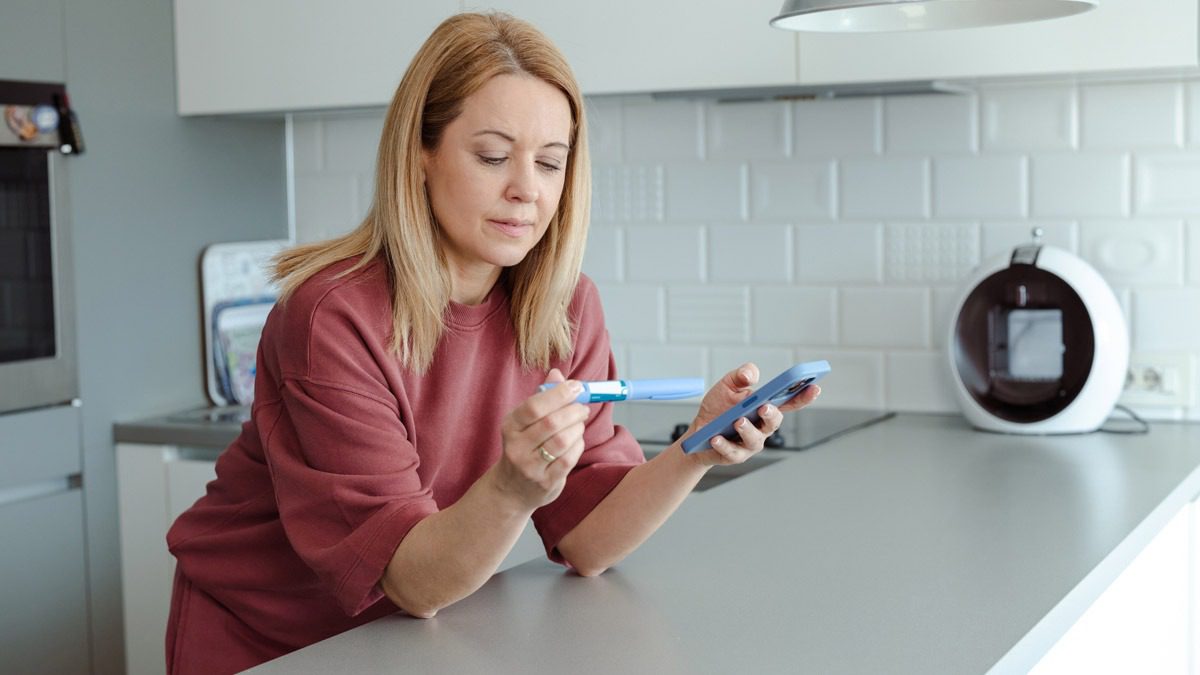
The History and Evolution of Semaglutide: From Ozempic to Wegovy
Semaglutide was originally engineered as a groundbreaking treatment for type 2 diabetes. As a GLP-1 receptor agonist, it mimics the naturally occurring hormone glucagon-like peptide-1 and stimulates insulin production, suppresses glucagon, and significantly slows gastric emptying to regulate blood sugar levels.
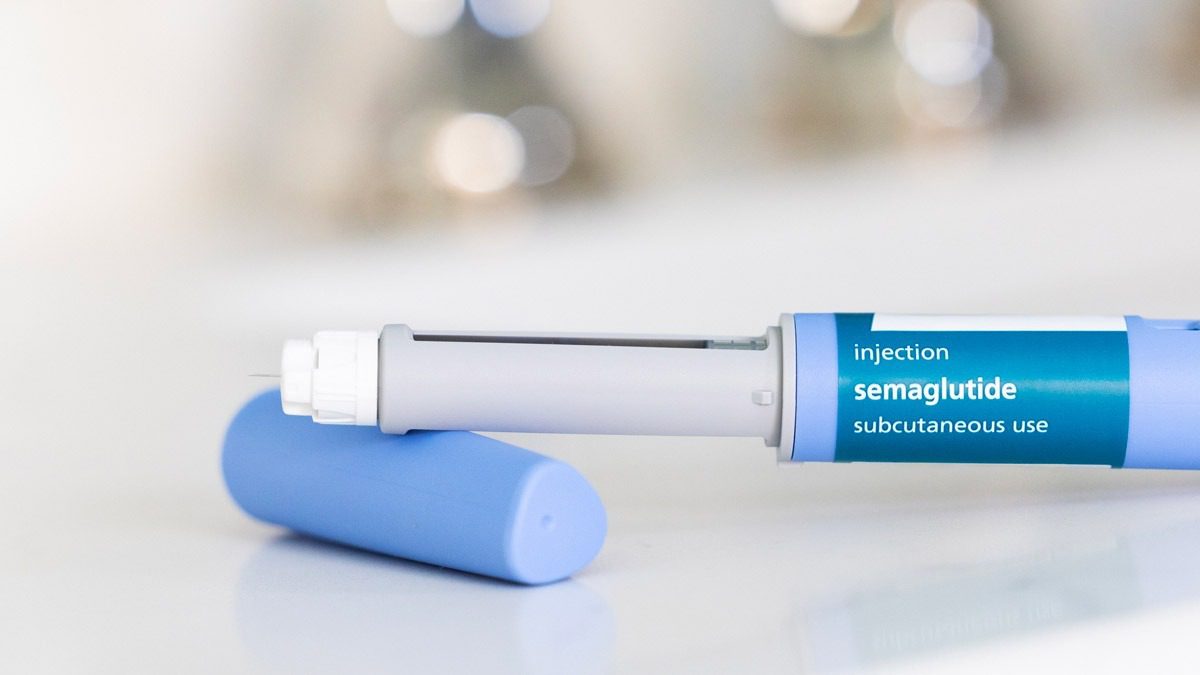
Today, semaglutide is the active ingredient in three FDA-approved formulations:
- Ozempic®: An injectable medication approved for type 2 diabetes.
- Wegovy®: A higher-dose injection approved for chronic weight management.
- Rybelsus®: An oral tablet version used for glycemic control.
While these drugs revolutionized metabolic health, their secondary effect, substantial weight loss, led to a massive surge in “off-label” prescribing.
The semaglutide litigation has grown into a significant mass tort involving substantial legal complexity, one where securing an experienced mass tort lawyer is strongly advisable for any plaintiff considering a claim.
How Semaglutide Works: The Biological Basis for Legal Claims
Semaglutide’s effectiveness is rooted in four primary physiological actions:
- Insulin Modulation: Stimulating insulin release in response to rising blood glucose.
- Glucagon Suppression: Lowering the hormone that triggers glucose production in the liver.
- Delayed Gastric Emptying: Prolonging the time food stays in the stomach to increase satiety.
- Neuro-Signaling: Reducing hunger signals within the brain’s appetite centers.
From a legal standpoint, slowing gastric emptying is the most contentious of semaglutide’s effects. Plaintiffs in the “stomach paralysis” lawsuits allege that this effect can become extreme, leading to permanent digestive damage that was not adequately disclosed in the original warning labels.

For a free legal consultation, call (725) 900-9000
Reported Injuries: The Core of Ozempic and Semaglutide Lawsuits
As of March 2026, over 3,300 lawsuits have been consolidated into federal multidistrict litigation. While early litigation focused exclusively on the gut injuries, the scope has expanded to include neurological and ocular injuries.
Gastroparesis and “Stomach Paralysis”
The hallmark of the MDL 3094 litigation is gastroparesis. This condition occurs when the stomach muscles cease to function, preventing food from moving into the small intestine. Victims report debilitating symptoms including:
- Projective, “cyclic” vomiting and persistent nausea.
- Severe abdominal pain and malnutrition.
- Ileus (Bowel Obstruction): A related, life-threatening condition where the intestines become blocked.
Vision Loss (The NAION Track)
A major shift in the 2026 legal landscape is the emergence of NAION (Non-Arteritic Anterior Ischemic Optic Neuropathy) claims. Recent studies have indicated that semaglutide users may face a significantly higher risk of this “eye stroke,” which causes sudden, irreversible blindness. Due to the distinct nature of this injury, a separate track has been established to handle vision-loss claims.
Semaglutide Lawsuit Updates and Current Litigation Status
As reports of severe injuries have increased, the volume of lawsuits against manufacturers like Novo Nordisk has grown to over 3,300 active cases. These claims center on the allegation that the “Warning” labels on drugs like Ozempic and Wegovy were legally inadequate, failing to inform both patients and physicians of the risks of permanent organ damage.
The Federal Semaglutide MDLs (March 2026 Update)
To handle the massive influx of cases, the federal court system utilizes Multidistrict Litigation (MDL). This streamlines the process by allowing one judge to oversee discovery, which is the phase where internal company documents and expert testimonies are exchanged.
In an important December 2025 ruling, the litigation was divided into two specialized tracks to ensure scientific accuracy:
- MDL 3094 (Gastrointestinal Injuries): Focuses on stomach paralysis (gastroparesis), ileus (bowel obstruction), and chronic digestive failure.
- MDL 3163 (Vision Loss/NAION): A newly formed track specifically for plaintiffs who suffered sudden blindness or “eye strokes” (NAION) after using GLP-1 medications.
Click to contact our personal injury lawyers today
March 2026 Update: FDA Warns Manufacturer Over Misleading Ads
The legal battle against GLP-1 manufacturers is accelerating rapidly. Just this month (March 2026), the U.S. Food and Drug Administration (FDA) issued warning to Novo Nordisk (the maker of Ozempic and Wegovy), adding significant weight to the plaintiffs’ claims.
The FDA reprimanded Novo Nordisk for “false or misleading” national television advertisements. Regulators noted that the company’s recent ad campaigns improperly minimized critical risk disclosures while overstating the drug’s benefits.
For patients suffering from stomach paralysis, bowel obstructions, or sudden vision loss, these FDA warnings reinforce the core of the mass tort lawsuits: The manufacturers heavily marketed a the drug without properly disclosing the risk associated with it.
Complete a Free Case Evaluation form now
How to Join a Semaglutide Lawsuit: Eligibility and Evidence
If you or a loved one were harmed by a semaglutide medication, the path to a claim involves specific medical and legal criteria. Because the court has recently tightened evidentiary standards, “anecdotal” evidence is no longer enough.
Who May Qualify for a Claim?
As of 2026, the most successful claims typically meet the following criteria:
- Verified Use: Proof of a prescription for Ozempic, Wegovy, Rybelsus, Mounjaro, or Zepbound
- Confirmed Diagnosis: A formal diagnosis of Gastroparesis, Ileus, or NAION.
- Specific Testing: For stomach paralysis claims, Judge Marston now requires a Gastric Emptying Study (GES), such as scintigraphy or a wireless motility capsule, to confirm the injury was not caused by other underlying conditions like long-term diabetes.
Essential Evidence for Your Case
If you are considering legal action, you should begin gathering the following documentation immediately:
- Pharmacy Records: Showing the duration of use and the specific dosage.
- Diagnostic Reports: Results from gastric emptying tests, endoscopies, or ophthalmological exams (for vision loss).
- Hospitalization Records: Specifically those related to ER visits for “uncontrollable vomiting,” “severe abdominal pain,” or “sudden vision changes.”
Legal Arguments and Manufacturer Defenses
The core of the litigation rests on Personal Injury: Product Liability under the subset defective drugs and medical devices. Plaintiffs argue that manufacturers spent hundreds of millions on “miracle drug” advertisements while suppressing data about long-term gastric paralysis.
In response, manufacturers have argued Federal Preemption, which is the idea that because the FDA approved the initial labels, the companies cannot be sued under state law for failing to change them. However, recent court rulings have allowed many “failure to warn” claims to move forward, particularly regarding injuries that appeared after the drug hit the mass market.
Van Law Firm Can Help with Ozempic or Semaglutide Cases
Navigating a mass tort involves complex deadlines and evolving scientific standards. Van Law Firm represents individuals nationally who have suffered life-altering complications from semaglutide medications.
Our legal team works directly with medical experts to ensure your diagnosis meets the rigorous standards currently required by the federal MDL. If you or a loved one experienced stomach paralysis, bowel obstruction, or sudden vision loss after taking Ozempic or Wegovy, contact us today for a free, confidential case evaluation.
No obligation consultations are always free.
Let Us Help You! Call Now: (725) 900-9000 Forklift Accidents & Lawsuits
Forklift incidents commonly occur in the workplace and can cause serious injuries or even death. There are around 20,000 workers in the United States who suffer from these injuries each year. In an ...
 Video Games: Innocent Fun or addictive menace?
If your child was seriously injured due to video game addiction, Van Law Firm Can Help Video Games are everywhere and there is hardly anyone who does not know what they are. More than 200 million pe...
 What You Need To Know About Filing A Suboxone Tooth Decay Lawsuit
Not all that long ago, opioid misuse was so rampant in the United States that experts classified it as a crisis. They say the trouble started back in the 1990s, when prescription opioid medications ...
 Crosswalk Accidents in Las Vegas: Your Legal Rights as a Pedestrian
Las Vegas is one of the busiest pedestrian cities in the country, with millions of residents and visitors crossing streets every day, especially along the Strip, in downtown areas, and near resident...