
Nevada Motorcycle Laws Every Rider Should Know
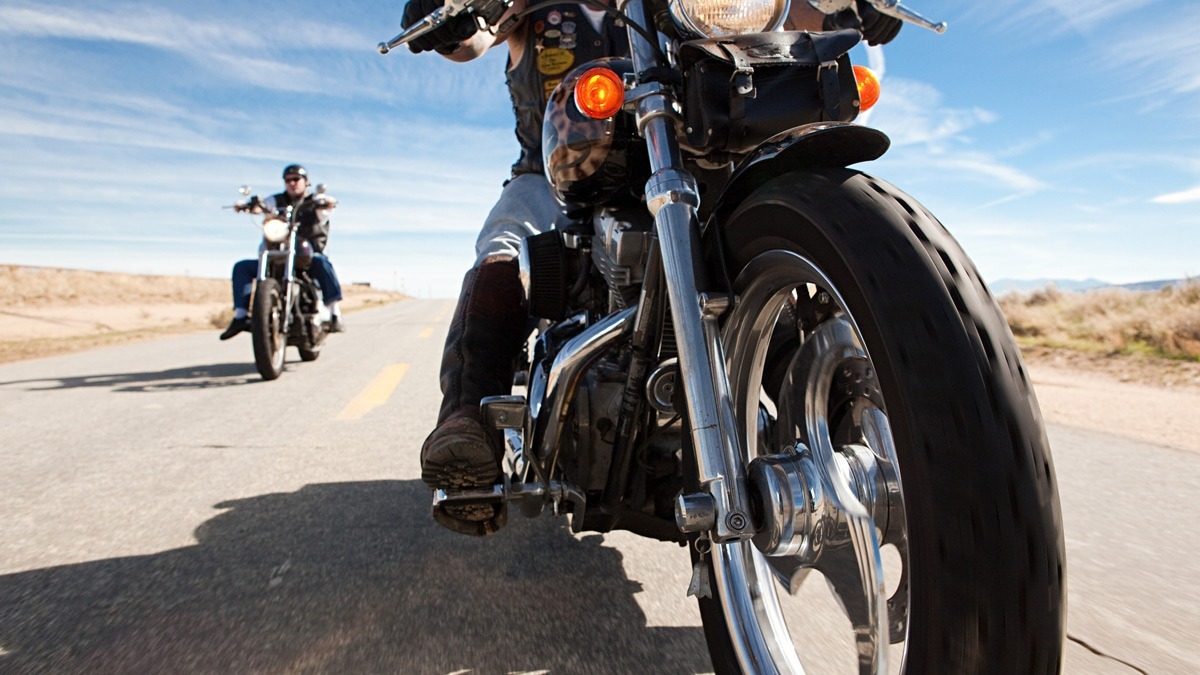
Nevada offers some of the most scenic routes in the West, from the Las Vegas Strip to the winding curves of Red Rock Canyon and the open highways near Lake Tahoe. But riding a motorcycle in Nevada comes with more than just freedom, it also comes with legal responsibilities.
Whether you are a new rider or a seasoned motorcyclist, knowing the rules of the road is essential to staying safe and legal. Nevada has specific motorcycle laws that govern licensing, equipment, lane usage, insurance, and rider behavior. Failing to follow these rules can lead to fines, license points, and in the worst cases, serious injuries or fatalities.
Here is a comprehensive breakdown of the most important motorcycle laws in Nevada and how they impact your rights and obligations on the road.
Motorcycle License Requirements in Nevada
Before hitting the road on two wheels, you must have the appropriate license. Nevada requires a Class M driver’s license for anyone operating a motorcycle or motor-driven cycle.
To obtain a Class M license, you must either pass a written knowledge test and an on-cycle skills test through the Nevada Department of Motor Vehicles (DMV) or complete a Nevada Rider Motorcycle Safety course approved by the DMV and present the certificate to waive the skills test.

Applicants must also:
- Be at least 16 years old
- Possess a valid instruction permit (if under 18)
- Pass a vision test and meet identification requirements
Motorcyclists who are visiting from another state can ride in Nevada as long as they hold a valid motorcycle endorsement from their home state.
For a free legal consultation, call (725) 900-9000
Helmet Laws in Nevada
Nevada has a universal helmet law, meaning all motorcycle riders and passengers are legally required to wear helmets at all times, regardless of age or experience.
Helmets must:
- Be U.S. DOT approved
- Be in good condition
- Fit securely and properly
In addition to helmets, riders must wear eye protection unless the motorcycle has a windshield. Acceptable forms include goggles, safety glasses, or a face shield.
Failure to wear a helmet is considered a traffic offense and may lead to citations or complications in a personal injury case.

Lane Splitting and Lane Sharing
Nevada law prohibits lane splitting, which refers to riding between two lanes of traffic moving in the same direction. This maneuver is illegal, even in slow-moving or stopped traffic.
However, lane sharing, where two motorcyclists ride side by side in the same lane, is legal and permitted under Nevada law. Riders must be cautious and cooperative when sharing a lane and avoid surprising drivers in adjacent lanes.
Click to contact our personal injury lawyers today
Passenger Laws
Nevada law allows motorcycle passengers, but there are strict rules:
- The motorcycle must be equipped with a seat and footrests for the passenger
- The passenger must wear a DOT-approved helmet
- The passenger may not sit in front of the operator
- Children may ride as passengers only if they can reach the footrests and wear proper safety gear
Carrying passengers without the required equipment is considered a violation and may lead to fines or points on your license.
Complete a Free Case Evaluation form now
DUI Laws for Motorcyclists
Nevada’s DUI laws apply equally to motorcycle riders. You can be arrested for driving under the influence if your blood alcohol concentration (BAC) is:
- 08% or higher for riders 21 and older
- 02% or higher for riders under 21
DUI penalties may include:
- Jail time
- Fines
- License suspension
- Mandatory DUI education
- Installation of an ignition interlock device
Being under the influence of alcohol, cannabis, prescription medications, or illegal drugs can all lead to a DUI charge.

Nevada’s Point System and Motorcycle Violations
Traffic violations committed while riding a motorcycle will result in demerit points being added to your license. If you accumulate 12 or more points within a 12-month period, your license may be suspended.
Examples of violations and associated points:
- Speeding 11–20 mph over limit: 2 points
- Failure to yield: 4 points
- Careless driving: 6 points
- Reckless driving: 8 points
Points stay on your record for 12 months and can affect insurance premiums and your ability to keep your license.
Special Considerations for Mopeds and Scooters
Not all two-wheeled vehicles require a motorcycle license. In Nevada:
- Mopeds (defined as having an engine under 50cc and a top speed under 30 mph) do not require a motorcycle license
- Operators must still wear helmets and carry insurance
- Mopeds must be registered with the DMV, but are exempt from emissions testing
Electric scooters and bikes have different rules depending on their power and speed and are often restricted from highways or certain roadways.
Accidents and Liability Under Nevada Law
Motorcyclists are particularly vulnerable in crashes due to the lack of physical protection. When an accident occurs, fault is determined based on negligence, meaning which party failed to exercise reasonable care.
Common causes of motorcycle accidents include:
- Drivers failing to yield
- Unsafe lane changes by other vehicles
- Opening car doors in traffic
- Left-turn collisions
- Following too closely
- Speeding
Injured riders may be eligible for compensation covering:
- Medical bills
- Lost wages
- Ongoing treatment
- Permanent disability or disfigurement
Insurance companies may attempt to argue that the rider was partially or fully at fault, especially if safety laws were not followed. This is why legal representation is important, even in minor collisions.
What to Do After a Motorcycle Accident in Nevada
If you are involved in a motorcycle crash, follow these steps:
- Call 911 to report the accident and request emergency services.
- Seek medical attention immediately, even if you feel okay.
- Gather evidence: Photos, witness contact info, and insurance information.
- File a police report, which is required for accidents involving injury or damage over $750.
- Contact a personal injury attorney to discuss your legal rights and options.
Taking these steps helps protect both your health and your ability to file a claim for damages.
How Van Law Firm Can Help
If you were injured in a motorcycle accident in Nevada, Van Law Firm is here to help you navigate the claims process. Our attorneys have extensive experience with:
- Rear-end collisions
- Left-turn accidents
- Dooring incidents
- Roadway defect claims
- Accidents involving commercial or delivery vehicles
We investigate the crash, gather evidence, work with medical professionals, and fight to ensure you receive the full compensation you deserve.
No Legal Fees Unless We Win
Van Law Firm operates on a contingency fee basis. That means:
- No hourly fees
- No upfront payments
- You only pay if we win your case
We are committed to helping injured riders get the justice and financial recovery they need to move forward.
Understanding and following Nevada’s motorcycle laws helps you stay safe, legal, and prepared for anything on the road. But even the most cautious riders can be injured by someone else’s negligence. If that happens, do not navigate the legal system alone.
No obligation consultations are always free.
Let Us Help You! Call Now: (725) 900-9000 MOPED ACCIDENTS LEAD TO NEW PROPOSED BILLS
 The high number of moped accidents has led Nevada lawmakers to consider a number of new laws to lower this number. Moped Accident Statistics Moped accidents continue to be a serious concern in Nevad...
 Motorcycle Accidents- Let Us Guide You
 If you have been seriously injured in a motorcycle accident or have lost a loved one in a motor vehicle crash involving a motorcycle, your next step should be to talk with an experienced motorcycle ...
 Facts About Nevada Motorcycle Accidents
 Nevada is undoubtedly a great place to own and ride motorcycles. The constant rideable weather, lack of precipitation, and miles of open road make two-wheeled adventures a popular pastime here in th...
 Everything Riders Should Know About Washington Motorcycle Accidents
 Washington’s constant rain prevents motorcyclists from riding for most of the year, but when the summer sun comes out so do the two-wheeled enthusiasts. That being said, the increase in motorcycle t...