
Nevada Accidents Involving Drivers From Other States: What to Know
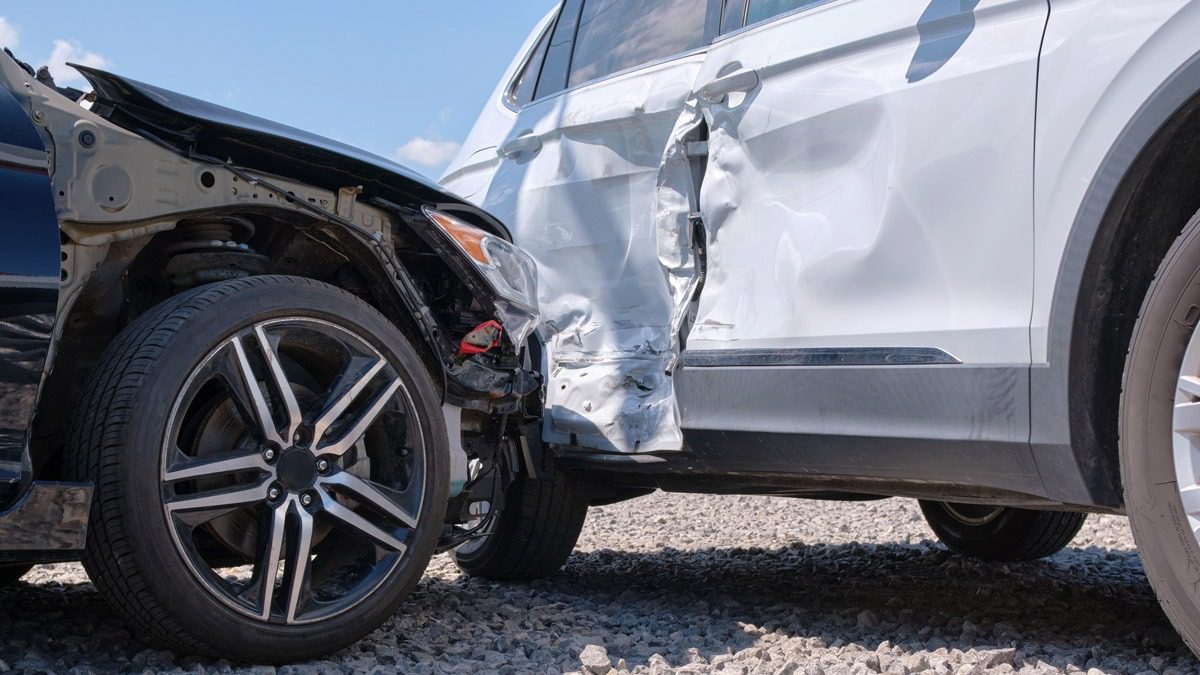
Nevada highways and city streets see a constant flow of out-of-state drivers. Tourists arrive by car to visit Las Vegas, Reno, Lake Tahoe, and national parks. Commercial drivers pass through on major corridors like I-15, I-80, and US-95. Conferences, sporting events, and seasonal travel increase traffic from California, Arizona, Utah, and beyond. When a car accident involves a driver from another state, injured individuals often face added uncertainty about insurance, legal responsibility, and where a claim must be filed.
Nevada law still governs accidents that occur within state boundaries, regardless of where the at-fault driver lives or where the vehicle is registered. However, out-of-state crashes introduce practical and legal complications that can affect evidence collection, insurance negotiations, and litigation strategy. Understanding how Nevada law applies in these situations helps protect access to compensation and prevents costly mistakes early in the process.
Why Out-of-State Driver Accidents Are Common in Nevada
Nevada’s economy and geography make interstate travel unavoidable. Millions of visitors drive into the state each year, particularly from neighboring states. Truck routes crossing Nevada connect West Coast ports with the Midwest and Mountain West. Ride-share drivers, rental cars, and corporate fleet vehicles further increase the number of non-Nevada drivers on local roads.
Common situations involving out-of-state drivers include:
- Tourists driving rental cars unfamiliar with Nevada roads
- Long-haul truck drivers passing through interstate corridors
- Visitors attending conventions or sporting events
- Seasonal residents traveling between states
- Drivers relocating or transporting goods
When collisions occur, the involvement of multiple states can complicate insurance and legal issues even though the accident itself happened in Nevada.

For a free legal consultation, call (725) 900-9000
Which State’s Law Applies After a Nevada Crash
A common concern after an accident with an out-of-state driver is whether another state’s law controls the claim. In most cases, Nevada law applies because the crash occurred within Nevada.
Nevada law generally governs:
- Fault and liability standards
- Available categories of damages
- Statutes of limitation
- Court jurisdiction
- Procedural rules for lawsuits
The at-fault driver’s home state does not override Nevada law simply because they live elsewhere. This principle provides consistency and ensures that injured parties are protected under Nevada’s legal framework.
Nevada’s At-Fault Insurance System
Nevada follows an at-fault insurance model. The driver who caused the accident is legally responsible for damages resulting from the crash. This applies equally to Nevada residents and out-of-state drivers.
Damages may include:
- Medical expenses
- Ongoing treatment and rehabilitation costs
- Lost income
- Reduced earning capacity
- Property damage
The at-fault driver’s insurance company is typically responsible for paying these damages, subject to policy limits.

Click to contact our personal injury lawyers today
Insurance Coverage Issues With Out-of-State Drivers
Insurance coverage can be more complex when the at-fault driver is insured under a policy issued in another state. Insurance policies must comply with minimum coverage requirements of the state where the accident occurs, not just the driver’s home state.
Key insurance considerations include:
- Policy limits that may differ from Nevada minimums
- Coverage exclusions or endorsements
- Rental car insurance policies
- Commercial or fleet insurance coverage
- Umbrella policies
Out-of-state insurers are still required to handle Nevada claims in compliance with Nevada law.

Complete a Free Case Evaluation form now
Minimum Insurance Requirements and Out-of-State Policies
Drivers operating vehicles in Nevada are subject to Nevada’s minimum liability insurance requirements. If an out-of-state policy provides lower limits than Nevada requires, the policy may be required to increase coverage to meet Nevada standards for the purpose of the claim.
Insurance disputes often arise over:
- Whether policy limits are sufficient
- Which policy applies when multiple vehicles or drivers are involved
- Whether coverage extends to permissive drivers
These issues are typically resolved through negotiation or litigation under Nevada law.
Rental Cars and Tourist Accidents
Many out-of-state drivers involved in Nevada accidents are operating rental vehicles. Rental car accidents introduce additional layers of insurance coverage.
Potential sources of coverage may include:
- The driver’s personal auto insurance
- Rental car company coverage
- Credit card rental insurance benefits
- Supplemental liability policies
Determining which policy applies and in what order requires careful analysis. Rental agreements often contain exclusions and conditions that affect coverage.
Commercial Vehicles and Interstate Drivers
Commercial vehicle accidents frequently involve drivers from other states. Trucking companies may be headquartered elsewhere, and vehicles may be registered in different jurisdictions.
Commercial accident claims may involve:
- Employer liability
- Federal motor carrier regulations
- Multiple insurance policies
- Maintenance and inspection records
- Driver qualification files
Despite the interstate nature of these cases, Nevada law still applies when the collision occurs within the state.
Jurisdiction and Where a Lawsuit Can Be Filed
When an out-of-state driver causes a crash in Nevada, Nevada courts generally have jurisdiction over the case. This means a lawsuit can usually be filed in Nevada, even if the defendant lives elsewhere.
Nevada courts may exercise jurisdiction because:
- The accident occurred in Nevada
- The defendant was driving in Nevada
- The harm occurred within Nevada
Defendants cannot avoid legal responsibility by returning to their home state after the crash.
Service of Process on Out-of-State Drivers
Serving legal documents on an out-of-state defendant can take more time than serving a Nevada resident. Nevada law provides procedures for serving nonresident motorists involved in accidents within the state.
Proper service is essential. Errors in service can delay proceedings or result in dismissal if not corrected within the statute of limitations.
Evidence Challenges in Out-of-State Driver Cases
Accidents involving out-of-state drivers often present evidence challenges. Drivers may leave Nevada shortly after the crash, and witnesses may be tourists who are difficult to locate later.
Common evidence issues include:
- Witnesses returning to other states
- Delayed access to surveillance footage
- Lost or damaged vehicle data
- Limited cooperation from out-of-state insurers
Prompt investigation helps preserve evidence before it becomes unavailable.
Police Reports and Out-of-State Drivers
Police reports play a critical role in accidents involving nonresident drivers. Law enforcement documentation helps establish:
- Driver identities
- Insurance information
- Statements made at the scene
- Preliminary fault assessments
Insurance companies often rely heavily on police reports, particularly when the at-fault driver is not local.
Uninsured and Underinsured Motorist Coverage
Out-of-state drivers may carry inadequate insurance or none at all. Uninsured and underinsured motorist coverage provides an important safety net.
This coverage may apply when:
- The at-fault driver has no insurance
- The at-fault driver’s limits are insufficient
- The insurer denies coverage
Uninsured motorist claims are made through the injured person’s own policy but still require proof and negotiation.
Medical Payments Coverage and Early Expenses
Medical Payments coverage can help cover immediate medical costs regardless of fault. MedPay is especially valuable in cases where out-of-state insurers delay investigation or payment.
MedPay may cover:
• Emergency medical care
• Diagnostic imaging
• Follow-up treatment
• Copays and deductibles
This coverage reduces financial pressure during the early stages of a claim.
Property Damage Complications
Vehicle repair or replacement may be delayed when out-of-state insurers are involved. Differences in claims handling practices, adjuster availability, and policy language can slow resolution.
Property damage issues often involve:
- Rental vehicle reimbursement disputes
- Total loss valuations
- Delayed inspections
- Cross-state communication delays
Collision coverage under the injured person’s policy may provide faster repairs while liability is resolved.
Out-of-State Drivers Who Leave Nevada After the Crash
It is common for out-of-state drivers to return home shortly after an accident. While this does not eliminate liability, it can complicate communication and litigation.
Nevada law still allows claims to proceed even if:
- The driver relocates
- The vehicle is registered elsewhere
- The insurance policy was issued in another state
Courts routinely handle cases involving nonresident defendants.
Why Early Legal Guidance Is Especially Important
Accidents involving out-of-state drivers often involve more procedural hurdles than standard cases. Delays, insurance disputes, and jurisdictional issues can all reduce the value of a claim if not handled properly.
Early legal guidance helps with:
- Identifying all insurance coverage
- Preserving evidence
- Ensuring proper service of legal documents
- Managing communication with out-of-state insurers
- Protecting statutory deadlines
Proactive action helps prevent unnecessary delays and protects long-term recovery.
How Van Law Firm Can Help
Van Law Firm assists individuals injured in Nevada accidents involving out-of-state drivers. The firm focuses on applying Nevada law effectively while navigating interstate insurance and procedural challenges.
Support includes evaluating insurance coverage, coordinating evidence collection, and pursuing compensation through negotiation or litigation when appropriate. The goal is to ensure that injured individuals are not disadvantaged simply because the at-fault driver resides elsewhere.
Accidents involving drivers from other states can feel overwhelming, but Nevada law provides clear protections. Understanding how liability, insurance, and jurisdiction work helps injured individuals move forward with confidence and protect their legal rights after a Nevada crash.
No obligation consultations are always free.
Let Us Help You! Call Now: (725) 900-9000 DEALING WITH INSURANCE COMPANIES IN A PERSONAL INJURY ACCIDENT
 Dealing with insurance companies can be the most frustrating part of handling a personal injury claim. Whether your claim comes from a car accident, medical malpractice, workman’s comp, or dog bite ...
 FRIENDS DON’T LET FRIENDS TEXT AND DRIVE
 Texting and hand-held cell phone use is illegal in Nevada.The National Highway Traffic Safety Administration (NHTSA) reported that in 2014, distracted drivers caused thousands of accidents across th...
 “MINOR” CAR ACCIDENTS ARE SERIOUS
 “Minor” car accidents, perhaps caused by inattention or carelessness, can still cause a great deal of pain and suffering. According to the National Highway Traffic Administration, over 2 million peo...
 LAS VEGAS RANKS LOW FOR DRIVER SAFETY
 Recently, Las Vegas ranked 144 out of 200 cities in the United States for driver safety. The recent report reveals that drivers in Las Vegas have a car accident every eight years and are an astoundi...