
Dog Bite Liability Laws in Nevada

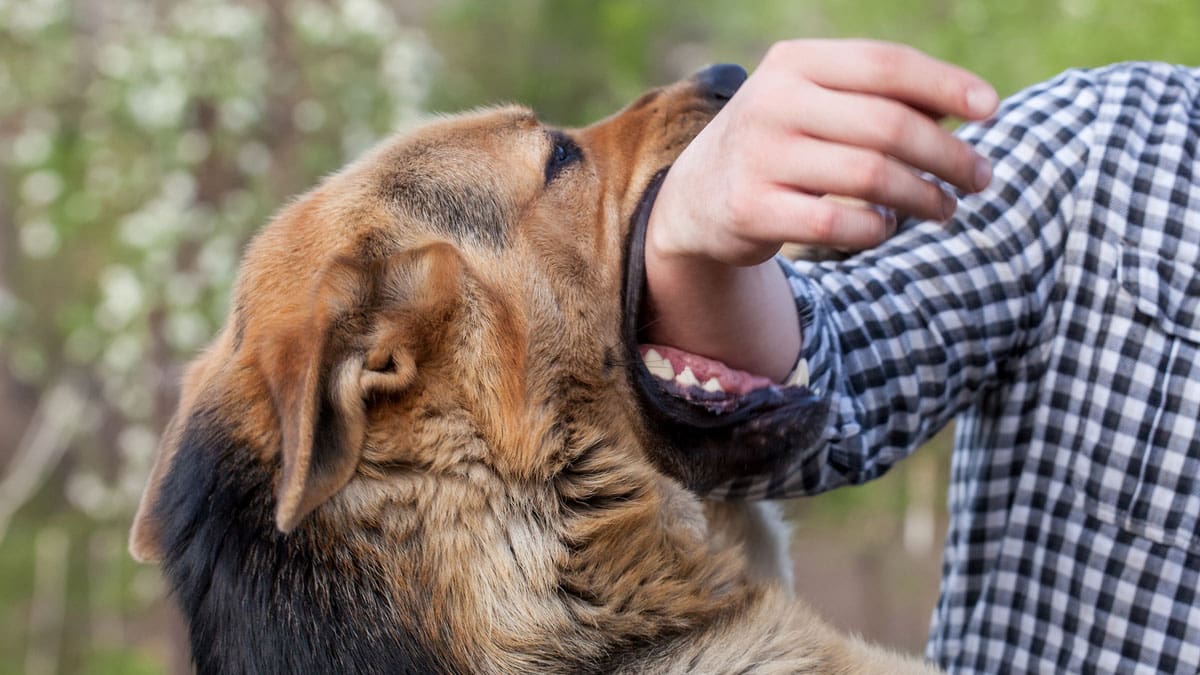
Dog bites can cause serious physical injuries, emotional trauma, and long-term complications for both children and adults. Dog attacks happen in neighborhoods, apartment complexes, parks, sidewalks, and even inside private homes. While some bites involve relatively minor puncture wounds, others result in nerve damage, facial injuries, infections, fractures, and permanent scarring. Determining who is legally responsible after a dog bite depends on Nevada law, the history of the animal, and the circumstances surrounding the attack.
Dog bite claims can become complicated because Nevada does not follow a strict statewide “one bite rule” or a single dog bite statute that applies in every case. Instead, liability often depends on negligence principles, local ordinances, and whether the owner knew or should have known the dog posed a danger. Understanding how dog bite liability laws work in Nevada can help injured individuals protect their rights and pursue compensation after an attack.
How Dog Bite Incidents Commonly Happen
Dog attacks occur in many different situations. Some happen suddenly without warning, while others involve animals with a known history of aggression or poor restraint.
Common situations include:
- Dogs escaping yards or homes
- Unleashed dogs in public places
- Attacks during walks or neighborhood encounters
- Dogs biting visitors inside a residence
- Attacks involving delivery workers or contractors
- Children approaching unfamiliar dogs
- Dogs reacting aggressively during feeding or restraint
Some attacks involve direct bites, while others cause injuries from being knocked down or dragged during the incident.
For a free legal consultation, call (725) 900-9000
Common Injuries From Dog Attacks
Dog bite injuries can range from mild to catastrophic depending on the size of the animal, location of the bite, and age of the victim.
Common injuries include:
- Deep puncture wounds
- Lacerations and tearing injuries
- Nerve damage
- Facial injuries and scarring
- Hand and arm injuries
- Infections such as cellulitis
- Fractures from falls during the attack
- Emotional trauma and anxiety around animals
According to the Centers for Disease Control and Prevention, dog bites can lead to serious infections and may require emergency medical treatment.
Children are often at increased risk of facial and head injuries because of their height relative to the animal.

Nevada Dog Bite Liability Basics
Nevada dog bite cases are often based on negligence. In general, owners have a duty to use reasonable care in controlling and supervising their animals.
Liability may arise when an owner:
- Fails to restrain a dangerous dog
- Allows a dog to roam freely
- Ignores prior aggressive behavior
- Violates leash laws or local ordinances
- Fails to warn others about known risks
Unlike some states with automatic strict liability statutes, Nevada cases frequently focus on whether the owner acted reasonably under the circumstances.
Click to contact our personal injury lawyers today
The Importance of Prior Aggressive Behavior
A dog’s history may become important evidence in a claim. Prior incidents can help show that the owner knew or should have known the animal could be dangerous.
Examples of prior warning signs include:
- Previous bites or attempted bites
- Lunging or aggressive behavior
- Complaints from neighbors
- Prior animal control reports
- Growling or threatening conduct toward visitors
Evidence of prior aggression can strengthen a negligence claim significantly.

Complete a Free Case Evaluation form now
Leash Laws and Local Ordinances
Many Nevada cities and counties have leash laws and animal control rules that affect liability after a dog attack.
Local ordinances may regulate:
- Leash requirements in public areas
- Dangerous dog classifications
- Confinement standards
- Reporting obligations after bites
- Vaccination requirements
Violating a local safety ordinance may support a negligence argument in some cases.
Landlord and Property Owner Liability
In certain situations, responsibility may extend beyond the dog owner. A landlord or property owner may potentially face liability if they knew about a dangerous animal on the property and failed to address the risk.
Examples may include:
- Allowing a known dangerous dog to remain on the premises
- Ignoring repeated tenant complaints
- Failing to enforce lease restrictions involving aggressive animals
These cases depend heavily on what the property owner knew and what level of control they had over the situation.
Dog Attacks Involving Children
Children are especially vulnerable in dog bite incidents because they may not recognize warning signs or understand how to react safely around animals.
Child victims may suffer:
- Facial injuries and scarring
- Psychological trauma
- Fear and anxiety around animals
- Serious infection risks
- Long-term cosmetic concerns
Dog bite cases involving children often require careful evaluation of both physical and emotional harm.
How Evidence Helps Prove a Dog Bite Claim
Strong evidence is often critical in these cases.
Helpful evidence may include:
- Medical records documenting injuries
- Photographs of wounds and scarring
- Animal control reports
- Witness statements
- Prior complaints involving the dog
- Surveillance footage if available
- Veterinary or vaccination records
The more clearly the evidence shows negligence and injury, the stronger the claim may become.
How Van Law Firm Can Help
Dog bite claims often involve disputed facts, insurance issues, and questions about what the owner knew before the attack. Van Law Firm works with injured individuals throughout Nevada to investigate incidents, gather evidence, identify responsible parties, and pursue compensation based on the circumstances of the case.
The firm focuses on building evidence-supported claims involving medical documentation, witness statements, and liability analysis. Understanding dog bite liability laws in Nevada can help injured individuals protect their rights and pursue accountability after a serious animal attack.
No obligation consultations are always free.
Let Us Help You! Call Now: (725) 900-9000