
Common Examples of Negligence in Personal Injury Cases
Negligence is the foundation of most personal injury claims in Nevada. It refers to a failure to act with reasonable care, resulting in harm to another person. Whether an injury occurs on the road, at work, or on someone else’s property, proving negligence is essential to holding the responsible party accountable. Understanding how negligence appears in real-world situations can help clarify when a valid claim may exist and what evidence may be needed to support it.
In Nevada, personal injury cases often involve everyday scenarios where a person, business, or organization failed to take appropriate precautions. These failures can lead to serious injuries and financial burdens that extend well beyond the initial incident.
What Negligence Means Under Nevada Law
Negligence involves four key elements that must be established in a personal injury claim. Each element plays a role in determining whether a party can be held legally responsible.
These elements include:
- A duty of care existed, meaning a person or entity had a responsibility to act safely
- That duty of care was breached through action or inaction
- The breach directly caused the injury
- The injury resulted in measurable damages
For example, drivers have a duty to follow traffic laws and operate their vehicles safely. Property owners have a duty to maintain reasonably safe conditions for visitors. When these duties are not met and someone is injured as a result, negligence may be established.

For a free legal consultation, call (725) 900-9000
Motor Vehicle Accidents
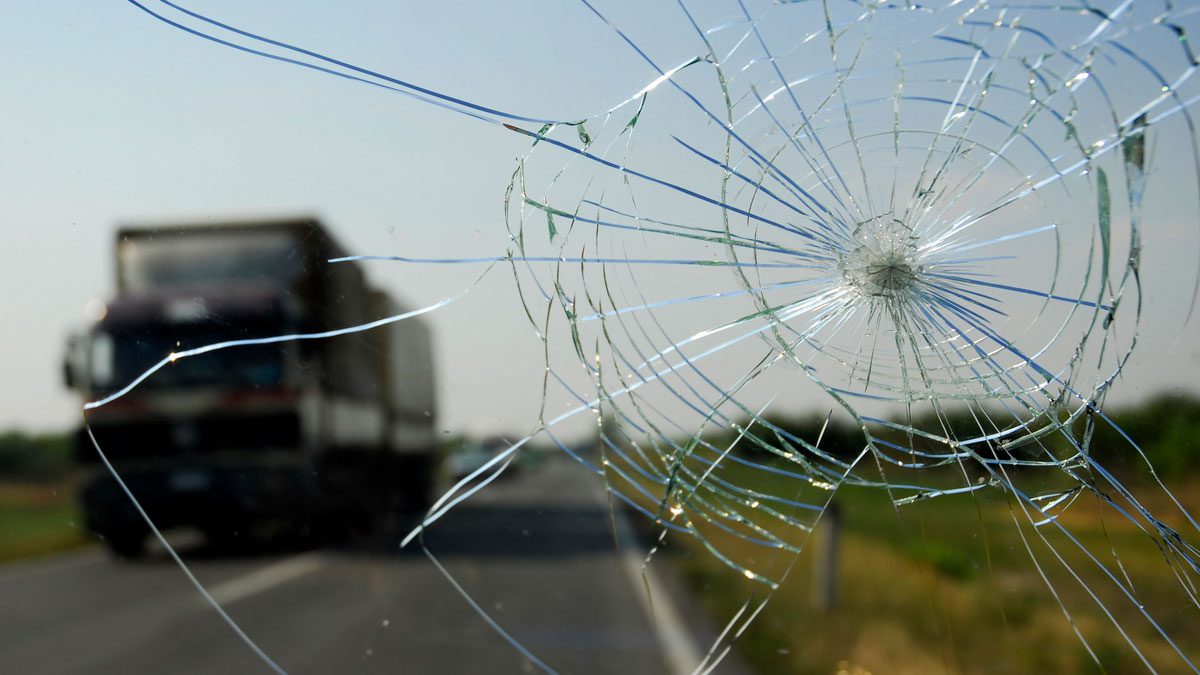
Car accidents are one of the most common examples of negligence. Drivers are expected to follow traffic laws and remain attentive at all times.
Examples of negligence in vehicle accidents include:
- Running red lights or stop signs
- Distracted driving, such as texting while driving
- Speeding or driving too fast for conditions
- Failing to yield the right-of-way
- Driving under the influence of drugs or alcohol
- Following too closely behind another vehicle
Nevada operates under an at-fault system, meaning the driver responsible for causing the crash is also responsible for the resulting damages.
Slip and Fall Accidents
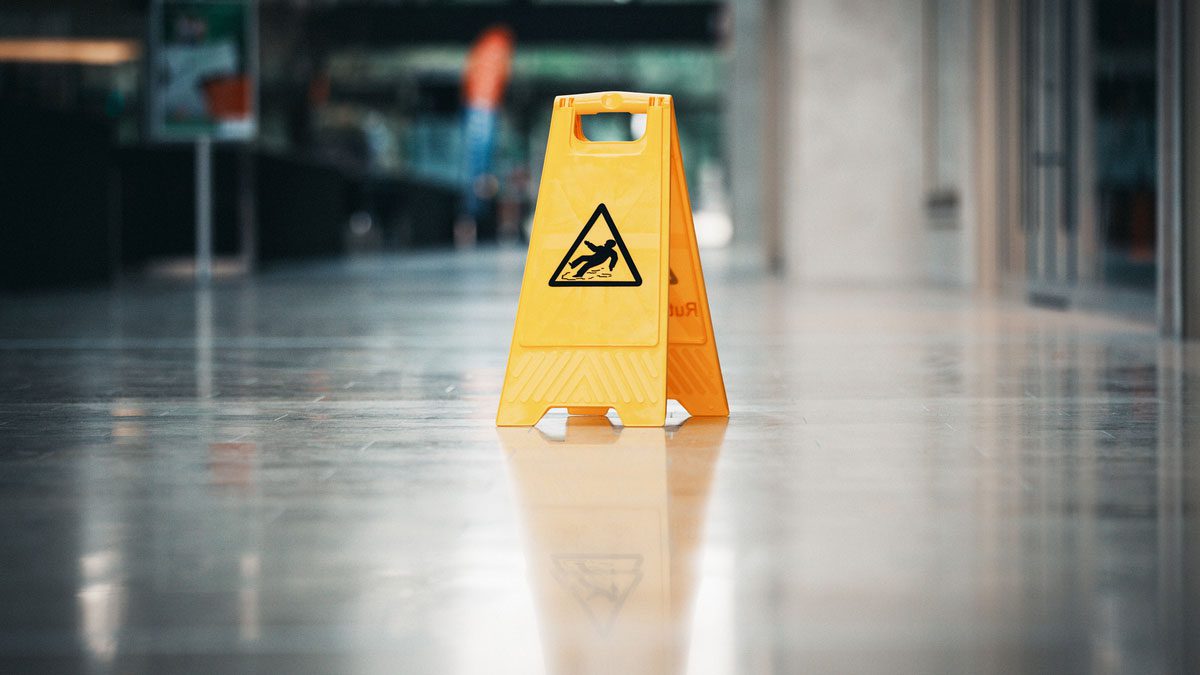
Slip and fall accidents often occur on unsafe property and are a common form of premises liability claims. Property owners have a responsibility to address hazards that could cause injury.
Examples of negligence in these cases include:
- Failing to clean up spills in a timely manner
- Not repairing broken flooring or uneven surfaces
- Poor lighting that makes hazards difficult to see
- Lack of warning signs for wet or dangerous areas
- Failure to remove debris or obstacles from walkways
These cases often depend on whether the property owner knew or should have known about the hazard and failed to correct it.
Click to contact our personal injury lawyers today
Workplace Accidents
Workplace injuries can also involve negligence, particularly when employers fail to maintain safe working conditions. While some workplace injuries are handled through workers’ compensation, others may involve third-party claims.
Examples of negligence in workplace settings include:
- Failure to provide proper safety equipment
- Inadequate training for hazardous tasks
- Ignoring known safety risks
- Poor maintenance of machinery or equipment
- Unsafe work environments that increase the risk of injury
In Nevada, everyone including sub contractors and outside vendors are expected to follow safety guidelines established by agencies such as the Occupational Safety and Health Administration.
Complete a Free Case Evaluation form now
Pedestrian and Bicycle Accidents
Negligence is also common in accidents involving pedestrians and cyclists. These individuals are particularly vulnerable due to the lack of physical protection.
Examples include:
- Drivers failing to yield at crosswalks
- Distracted driving in pedestrian-heavy areas
- Speeding in residential or urban zones
- Failing to check for cyclists before turning
Premises Liability Beyond Slip and Falls
Premises liability extends beyond slip and fall accidents. Property owners can be responsible for a wide range of unsafe conditions.
Examples include:
- Inadequate security leading to foreseeable criminal activity
- Unsafe staircases or railings
- Swimming pool hazards without proper barriers
- Fire hazards due to code violations
These cases often depend on whether the property owner took reasonable steps to prevent foreseeable harm.

What to Do If Negligence Causes an Injury
Taking the right steps after an injury can help protect legal rights and support a future claim.
Important actions include:
- Seek medical attention as soon as possible
- Document the accident scene and any hazards
- Collect contact information from witnesses
- Keep records of medical treatment and expenses
- Avoid giving statements to insurance companies without guidance
Proper documentation can play a critical role in establishing negligence.
Compensation Available in Negligence Cases
Individuals injured due to negligence in Nevada may be eligible for compensation that reflects the impact of the injury.
Compensation may include:
- Medical expenses related to treatment
- Lost wages due to time away from work
- Property damage
The value of a claim depends on the severity of the injury and how it affects daily life.
How Van Law Firm Can Help
Negligence cases often require careful investigation and a clear presentation of evidence. Van Law Firm works with individuals across Nevada to evaluate claims, identify responsible parties, and pursue compensation based on the circumstances of each case.
The firm focuses on building strong cases through documentation, expert analysis, and strategic handling of insurance claims. Understanding common examples of negligence can help injured individuals recognize when legal action may be appropriate and how to move forward under Nevada law.
No obligation consultations are always free.
Let Us Help You! Call Now: (725) 900-9000 INSTALLATION OF POSITIVE TRAIN CONTROL TECHNOLOGY
Railroads are required to install positive train control technology but a report by the FRA shows that while some railroads have made significant progress, many freight and commuter railroads are no...
 KIDS WITH GUNS: WHO IS LIABLE?
Gun owners may be liable for the injuries and deaths that are caused when kids accidentally shoot someone. Of the 265 kid-with-gun shootings reported in 2015, 83 resulted in a death. Forty-one young...
 CUMULATIVE TRAUMA ON THE TRACKS
Cumulative trauma injuries accumulate over time and often result in severe injuries for railroad workers. Railroad workers operate in hostile environments where life-changing accidents are common, b...
 E-SCOOTER DANGERS: THE COST OF CONVENIENCE
E-scooters are becoming increasingly popular across the United States and riders need to be aware of the dangers involved. These motorized vehicles are a top transportation choice among commuters in...