
Can You Sue for a Car Accident Without Serious Vehicle Damage?
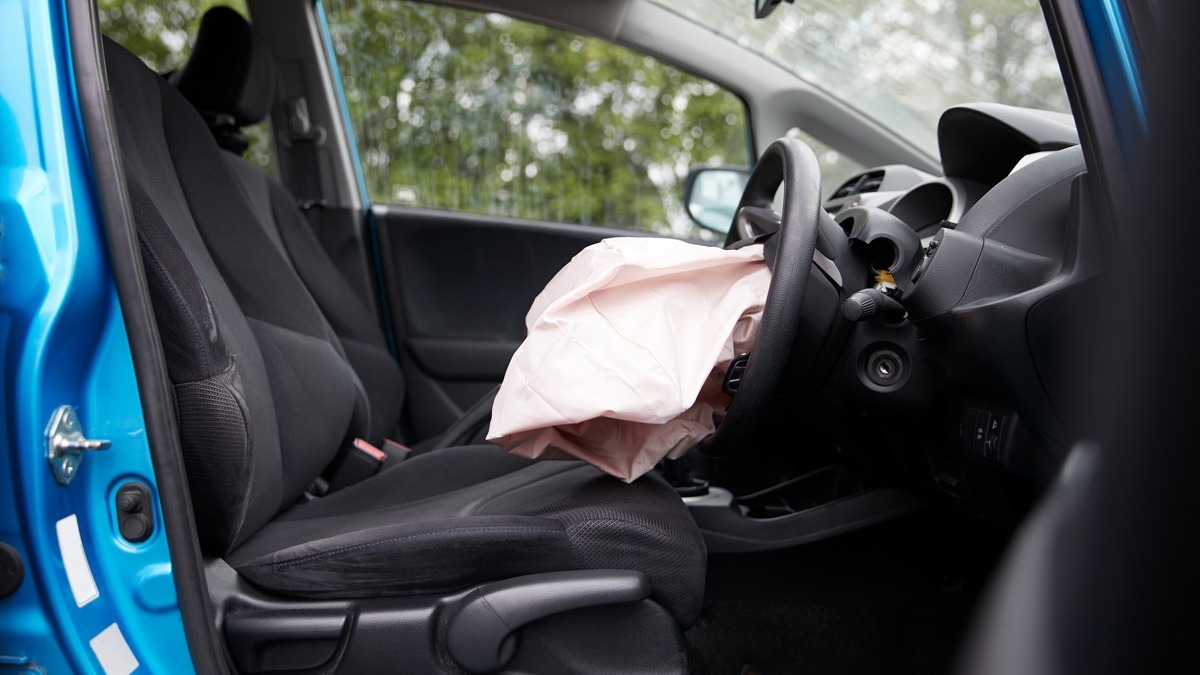
In the aftermath of a car accident, most people assume that a smashed bumper or crumpled fender is a clear indicator of a serious crash. But what happens when your vehicle looks almost untouched, yet you are dealing with lingering neck pain, headaches, or reduced mobility?
Low-impact accidents often cause real, sometimes severe, injuries, even when the vehicle damage is minimal. These situations are commonly referred to as “minor collisions” or “fender benders,” and they frequently involve disputes with insurance companies over the legitimacy of injury claims.
If you are experiencing physical pain after a seemingly minor accident in Nevada, you may still have a valid personal injury claim. The presence or absence of property damage does not determine whether you can sue. What matters is how the crash affected your body, your finances, and your ability to function.
Low-Impact Collisions Can Still Cause Serious Injuries
It is entirely possible for someone to walk away from a high-speed crash without a scratch, while another person suffers long-term damage from a low-speed impact. This is because the human body absorbs force differently than a vehicle does.
Common injuries in low-impact crashes include:
- Whiplash: Caused by rapid movement of the neck, often in rear-end collisions.
- Soft tissue injuries: Including strained muscles, bruised ligaments, and sprains.
- Herniated discs: Even a sudden jolt can compress or rupture spinal discs.
- Concussions: Brain injuries can occur without a direct blow to the head.
- Joint injuries: Especially in the shoulders, knees, or wrists.
These types of injuries often take time to appear and are not visible on the surface. Imaging, physical exams, and patient-reported symptoms all play a role in confirming them.

For a free legal consultation, call (725) 900-9000
Insurance Companies Often Dispute “No Damage” Claims
Insurance companies are quick to downplay injuries when there is little visible damage to the vehicles involved. They may argue that:
- The impact was too minor to cause harm
- You are exaggerating your symptoms
- Your injuries were pre-existing or unrelated to the crash
- You are trying to game the system
These arguments are not supported by medical science. Numerous studies have shown that even low-speed impacts can cause significant musculoskeletal injuries, especially in older adults or individuals with prior vulnerabilities.
This is why legal representation is so important in these types of claims.
Nevada Law Does Not Require Visible Damage to File a Claim
Car accident victims may pursue compensation for injuries caused by someone else’s negligence, regardless of the amount of property damage involved. The key factor is whether the other driver’s actions caused your physical injuries, not how your car looks.
You may be able to sue if:
- The other driver caused the accident through negligence
- You were injured as a result
- You have documented losses tied to the injury (medical bills, lost income, etc.)
Photographic evidence showing minimal damage may raise questions, but it does not invalidate your case.

Click to contact our personal injury lawyers today
Why Injuries Can Occur Without Major Vehicle Damage
Modern cars are designed to absorb impact through flexible bumpers, reinforced frames, and crumple zones. These features protect the vehicle’s structure, but they do not absorb all of the energy generated in a collision.
That energy still transfers to the people inside the car, especially when:
- The victim is caught off guard and unable to brace
- The vehicle is stopped or barely moving when hit
- The victim has a pre-existing condition that makes them more susceptible
- The impact angle causes twisting or uneven force on the body
These physics do not show up in photos of intact bumpers, but they are real and measurable in terms of injury potential.
Complete a Free Case Evaluation form now
What Kind of Evidence Supports a Low-Impact Injury Claim?
Insurance companies will look closely at the evidence when there is little property damage. The more documentation you have, the stronger your claim will be.
Key pieces of evidence include:
- Medical records: Show when you first reported symptoms and how they have progressed.
- Doctor’s notes: Medical opinions that link your injury to the crash are crucial.
- Imaging: X-rays, MRIs, and CT scans can confirm herniated discs, sprains, or joint damage.
- Photographs: Even if damage is minor, document it. Also photograph visible injuries, like bruising or swelling.
- Witness statements: Confirm how the crash happened and that you showed signs of pain afterward.
- Symptom journal: A personal log of pain levels, limitations, and daily impact.
- Work records: Pay stubs or HR reports showing missed work or modified duties.
These forms of evidence can override assumptions based solely on vehicle damage.

How Much Compensation Can You Recover?
The amount of compensation available in a low-impact injury claim depends on the severity of your symptoms and the extent of your losses.
You may be eligible to recover for:
- Medical expenses: Emergency care, diagnostics, follow-up appointments, physical therapy, and prescriptions.
- Lost income: If you missed work or had to reduce hours because of the injury.
- Future care: If the injury causes ongoing problems requiring future treatment.
The absence of car damage does not reduce your right to seek these damages. What matters is your personal experience and the medical evidence supporting your claim.
Delayed Symptoms Are Common in Low-Speed Crashes
Many injuries do not present symptoms right away. This is especially true for:
- Whiplash
- Soft tissue injuries
- Concussions
- Spinal disc injuries
You may walk away from the crash feeling fine, only to wake up the next day with stiffness, pain, or numbness. Do not ignore these symptoms or assume they are unrelated.
Seek medical attention promptly and tell your provider that you were recently involved in a crash.
What to Do After a Low-Impact Accident in Nevada
Even if the damage to your car seems minimal, take the following steps after a crash:
- Call the police: Request an official report to document the incident.
- Take photos: Include vehicle positions, any visible damage, and the surrounding area.
- Exchange information: Get contact and insurance info from the other driver.
- See a doctor: Visit a medical provider within 24 to 48 hours, even if you feel okay.
- Report the claim: Let your insurance company know what happened.
- Avoid early settlements: Insurance companies may offer a small payout quickly—don’t accept it before knowing the extent of your injuries.
- Speak with an attorney: Legal advice is essential in low-damage, high-dispute claims.
Following these steps protects both your health and your right to recover damages.
What If the Other Driver Denies Fault?
In minor crashes, liability is often disputed. The other driver may claim:
- The impact was too light to cause harm
- You stopped too quickly
- You are fabricating or exaggerating injuries
This is where police reports, witness statements, and accident reconstruction experts can help. Your attorney may also work with biomechanical engineers or medical professionals to show how the crash caused your injury.
Do not let an aggressive insurer or defensive driver dissuade you from pursuing a valid claim.
Do You Need a Lawyer?
You are not legally required to hire a lawyer for a low-impact injury case, but it is often in your best interest. Insurance companies frequently try to deny these claims or offer a fraction of what your case is worth.
An experienced personal injury attorney can:
- Review your case and identify all sources of compensation
- Handle communication with insurance companies
- Gather medical and accident evidence
- Coordinate expert evaluations if needed
- Negotiate a full and fair settlement, or take your case to court
Having representation can level the playing field and increase your chances of success.
How Van Law Firm Can Help
At Van Law Firm, we understand that injuries do not always correlate with the amount of vehicle damage. We have helped clients throughout Nevada recover full compensation for serious injuries after low-speed, low-impact crashes.
Our team can help you:
- Document and prove your injury
- Fight back against insurance denial tactics
- Access quality medical care
- File a lawsuit if the insurer refuses to settle
- Maximize your financial recovery
We offer free consultations and charge no fees unless we win your case.
If you were injured in a car accident in Nevada, even one with minimal property damage, you have legal options. Do not let insurance companies decide whether your injury matters. Let our attorneys review your case and help you pursue the compensation you deserve.
No obligation consultations are always free.
Let Us Help You! Call Now: (725) 900-9000 DEALING WITH INSURANCE COMPANIES IN A PERSONAL INJURY ACCIDENT
 Dealing with insurance companies can be the most frustrating part of handling a personal injury claim. Whether your claim comes from a car accident, medical malpractice, workman’s comp, or dog bite ...
 FRIENDS DON’T LET FRIENDS TEXT AND DRIVE
 Texting and hand-held cell phone use is illegal in Nevada.The National Highway Traffic Safety Administration (NHTSA) reported that in 2014, distracted drivers caused thousands of accidents across th...
 “MINOR” CAR ACCIDENTS ARE SERIOUS
 “Minor” car accidents, perhaps caused by inattention or carelessness, can still cause a great deal of pain and suffering. According to the National Highway Traffic Administration, over 2 million peo...
 LAS VEGAS RANKS LOW FOR DRIVER SAFETY
 Recently, Las Vegas ranked 144 out of 200 cities in the United States for driver safety. The recent report reveals that drivers in Las Vegas have a car accident every eight years and are an astoundi...