
Bard PowerPort Lawsuit: Catheter Injury Claims & Settlement Updates (June 2026)
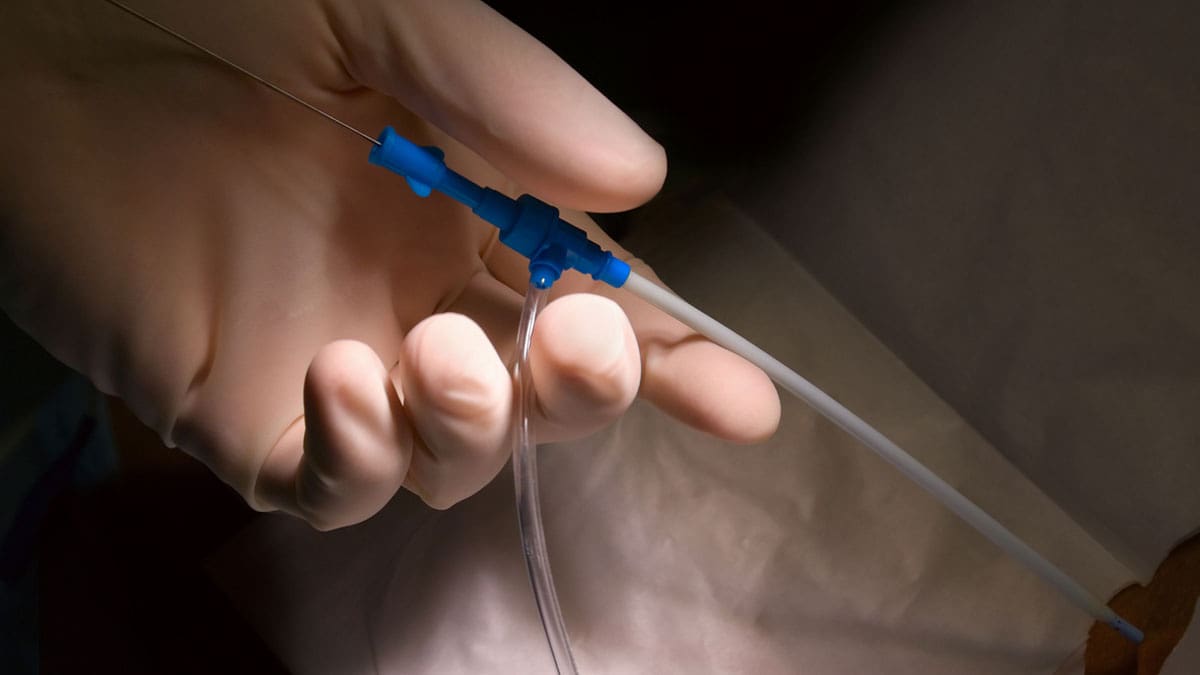
Patients who received a Bard PowerPort catheter expected the device to make treatment easier, but for some, the device may have caused serious problems.
The PowerPort is a medical device designed to provide reliable access to the bloodstream for chemotherapy and other long-term medical treatments, helping reduce the burden of repeated IV placements and painful needle sticks.
Instead, thousands of lawsuits now allege that certain Bard PowerPort devices failed, leading to serious complications such as catheter fractures, migration, blood clots, infections, and other potentially life-threatening injuries. For patients who were already facing cancer and other serious medical conditions, the alleged failure of a medical device they relied on is a devastating setback.
As a result, patients across the country are seeking compensation from C. R. Bard, Inc. (now part of Becton, Dickinson and Company (BD)), alleging that defects in the device and inadequate warnings exposed them to unnecessary risks. As the litigation continues to move forward, many patients and families are left wondering what they need to do to pursue a claim. If you’re one, a lawyer experienced in defective medical device lawsuits can significantly increase your chances of a successful lawsuit.
Why the Bard PowerPort Lawsuits?
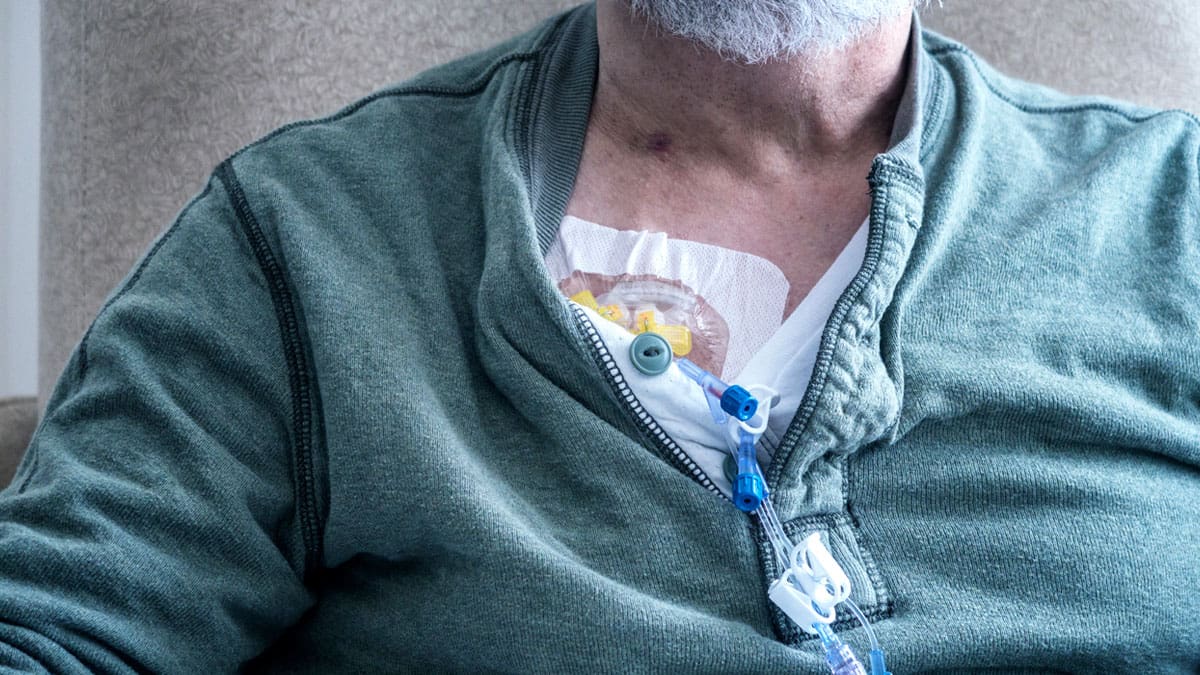
Unlike a temporary IV, the Bard PowerPort is surgically implanted beneath the skin and connected to a catheter that extends into a large vein near the heart. This particular model has the ability to withstand high-pressure injections used during certain imaging procedures, such as CT scans, which is why it’s called the “PowerPort.”
The device is designed to remain in place for extended periods, allowing patients to receive chemotherapy, medications, blood draws, and imaging contrast injections without repeated needle sticks. Because many patients depend on the device throughout months or years of treatment, they expect it to function safely and reliably during some of the most challenging periods of their medical care.
The lawsuits generally allege that certain PowerPort catheters were defectively designed and more prone to failure than patients and healthcare providers were led to believe.
Bard PowerPort: Alleged Defects
According to court filings, plaintiffs claim that certain Bard PowerPort catheters contain high concentrations of barium sulfate within ChronoFlex AL, a proprietary polyurethane material used in the catheter component of the device. Barium sulfate is commonly used in medical devices because it is radiopaque, meaning it can be seen on X-rays and other imaging studies. This visibility helps physicians confirm proper placement of the catheter and monitor the device after implantation.

The lawsuits allege that Bard incorporated excessive amounts of barium sulfate into the catheter material, reducing its mechanical integrity over time. According to plaintiffs, the loss or exposure of barium sulfate particles can create microscopic cracks, fissures, and other structural changes in the catheter, making it more susceptible to fracture, infection, thrombosis, and other complications. These allegations form the foundation of many of the design defect claims currently being litigated in the PowerPort MDL.
Plaintiffs further contend that Bard knew or should have known about these risks based on internal testing, adverse event reports, and other information that has been the subject of discovery in the litigation.
Bard strongly disputes those allegations and maintains that its implanted port catheters are safe and effective when used as intended. The company argues that PowerPort devices received FDA clearance, that the medical community has long understood the risks associated with implanted port catheters, and that factors such as implantation technique, patient anatomy, and device maintenance can affect outcomes.
The litigation remains ongoing. While the first bellwether trial resulted in a defense verdict for Bard, that outcome did not resolve the broader dispute over whether the catheter design is defective. Thousands of additional claims remain pending, and future bellwether trials are expected to address allegations involving catheter fractures, thrombosis, infections, and other injuries.
At the center of the litigation is a simple question: did the device perform as safely as patients reasonably expected, or did a defect expose users to unnecessary risks?
For a free legal consultation, call (725) 900-9000
What Injuries Are Alleged in the Bard PowerPort Lawsuits?
The injuries alleged in the litigation vary from case to case, but many involve serious medical complications that required additional treatment or surgical intervention.
Catheter Fractures
One of the most common allegations involves catheter fractures. According to the lawsuits, portions of the catheter can crack, split, or break apart while implanted. When this happens, patients may require imaging studies, emergency medical treatment, or additional surgery to locate and remove catheter fragments.
Blood Clots and Thrombosis
Some plaintiffs allege that PowerPort complications contributed to the development of blood clots, also known as thrombosis. Blood clots can interfere with normal blood flow and may cause swelling, pain, and other serious complications. In severe cases, a clot can travel through the bloodstream and create potentially life-threatening medical emergencies.
Serious Infections
Several of the bellwether cases selected for trial involve infection-related injuries. Patients who develop serious infections may require hospitalization, intravenous antibiotics, device removal procedures, and ongoing medical monitoring. In some situations, infections can progress into life-threatening bloodstream infections or sepsis.
Catheter Migration
Another issue raised in the litigation involves catheter migration. This occurs when a catheter or catheter fragment moves from its intended position. Depending on where the fragment travels, patients may require emergency procedures to retrieve it and prevent further complications.
Bard PowerPort Lawsuit: Recent Developments (2026)
As Bard PowerPort lawsuits began to accumulate across the country, the Judicial Panel on Multidistrict Litigation consolidated the cases into MDL No. 3081 in the U.S. District Court for the District of Arizona. The litigation centers on allegations that certain implanted port catheters were defectively designed and caused injuries, including catheter fractures, infections, thrombosis, device migration, and the need for additional surgeries.
Consolidating the lawsuits allows the parties to conduct discovery and litigate common issues before a single judge rather than repeating the same process in courts nationwide.
The litigation has grown steadily since the MDL was established in 2023. As of June 2026, more than 3,300 lawsuits are pending in the federal proceedings, making it one of the largest active medical device litigations in the United States. Plaintiffs include cancer patients and other individuals who relied on PowerPort devices for long-term medical treatment and later experienced serious complications.
PowerPort MDL Updates
The cases have now entered the bellwether trial phase, which is an important milestone in any mass tort litigation. Bellwether trials are designed to test how juries respond to key evidence, expert testimony, and legal arguments that are likely to appear throughout the broader litigation. The court initially selected a group of representative cases involving different alleged injuries, including infections, thrombosis, and catheter fractures, to provide insight into how future juries may evaluate similar claims.
The first bellwether trial involved a plaintiff who alleged that a PowerPort-related infection caused significant injuries. After hearing weeks of testimony from medical experts, engineers, and company witnesses, the jury returned a defense verdict in favor of Bard.
While the outcome was a setback for plaintiffs, it did not resolve the broader litigation or answer the design defect allegations at the heart of thousands of other cases. In fact, upcoming bellwether trials are expected to focus on different injury categories, including catheter fracture claims that many observers view as central to the litigation.
For potential claimants, the most important takeaway is that the litigation remains active. Discovery continues, additional bellwether trials are scheduled through 2027, and both sides are still developing evidence that could ultimately shape future settlement discussions or additional trials nationwide.
Click to contact our personal injury lawyers today
Who May Qualify to File a Bard PowerPort Lawsuit?
If you or someone close to you received a Bard PowerPort and later experienced serious complications, you may be eligible to join the ongoing litigation.
While every case is different, many lawsuits involve patients who underwent additional medical treatment after their PowerPort allegedly failed or caused complications. You may want to speak with an attorney if you have experienced:
- A catheter fracture or break
- Thrombosis
- A serious infection within five days after the implant
To strengthen your claim, collect any medical evidence linking the device to a specific injury. Many patients don’t realize how much information may already exist in their medical records regarding the cause of a complication, or the condition of the device when it was removed, until they’re asked to prove the fact in court. Evidence that may help support a claim includes:
- Medical records documenting your diagnosis and treatment
- Operative reports from implantation or removal procedures
- Imaging studies showing fractures, migration, or other device-related issues
- Device identification records confirming the specific PowerPort model implanted
- Records of device replacement, revision surgery, or emergency treatment
Even if you’re unsure whether your complications were caused by the device, it may still be worth having your case reviewed. Plus, don’t wait too long. Medical records can become more difficult to obtain over time, memories fade, and most states impose legal deadlines that may limit how long you have to pursue a claim.
A Van Law Firm personal injury lawyer can help investigate what happened, obtain and review medical records, identify the PowerPort device involved, and determine whether your experience aligns with the allegations being made in the ongoing litigation.
Complete a Free Case Evaluation form now
Speak With a Bard PowerPort Lawyer Today
Thousands of patients have already filed lawsuits alleging that Bard PowerPort devices caused serious injuries. If you experienced complications after receiving a PowerPort, now is the time to understand whether you may have legal options.
Whether you experienced a catheter fracture, infection, thrombosis, device migration, or another serious complication, understanding your rights begins with having your case reviewed by an experienced attorney. A Van Law Firm attorney can review your medical history, identify the device involved, evaluate the strength of your potential claim, and explain how the ongoing litigation may apply to your situation.
Don’t wait until important records become harder to obtain or legal deadlines pass. Contact Van Law Firm today for a free, no-obligation consultation and find out whether you may be entitled to compensation.
Frequently Asked Questions
How many Bard PowerPort lawsuits have been filed?
The litigation has grown rapidly in recent years. As of June 2026, more than 3,300 lawsuits have been consolidated into the federal multidistrict litigation (MDL) in Arizona, with additional claims continuing to be filed. The large number of cases reflects the growing number of patients who allege they experienced complications after receiving a Bard PowerPort device.
Is it too late to file a Bard PowerPort lawsuit?
Not necessarily. The deadline to file a claim depends on several factors, including where you live, when the injury occurred, and when you discovered that the device may have contributed to your injuries. Because these deadlines can vary significantly from state to state, it’s generally a good idea to have your case reviewed as soon as possible.
How much does it cost to speak with a lawyer about a Bard PowerPort lawsuit?
Van Law Firm offers free consultations for those who have personal injury cases, such as those injured by a Bard PowerPort device. During your consultation, an attorney will review your situation, answer your questions, and explain your available legal options. There is no obligation to move forward with a claim or work with us, so feel free to talk to us now about your case.
No obligation consultations are always free.
Let Us Help You! Call Now: (725) 900-9000 Forklift Accidents & Lawsuits
Forklift incidents commonly occur in the workplace and can cause serious injuries or even death. There are around 20,000 workers in the United States who suffer from these injuries each year. In an ...
 Video Games: Innocent Fun or addictive menace?
If your child was seriously injured due to video game addiction, Van Law Firm Can Help Video Games are everywhere and there is hardly anyone who does not know what they are. More than 200 million pe...
 What You Need To Know About Filing A Suboxone Tooth Decay Lawsuit
Not all that long ago, opioid misuse was so rampant in the United States that experts classified it as a crisis. They say the trouble started back in the 1990s, when prescription opioid medications ...
 Your Rights as a Pedestrian in Las Vegas Crosswalk Accidents
Las Vegas is one of the busiest pedestrian cities in the country, with millions of residents and visitors crossing streets every day, especially along the Strip, in downtown areas, and near resident...