
Do Liability Waivers Shield Trampoline Parks?
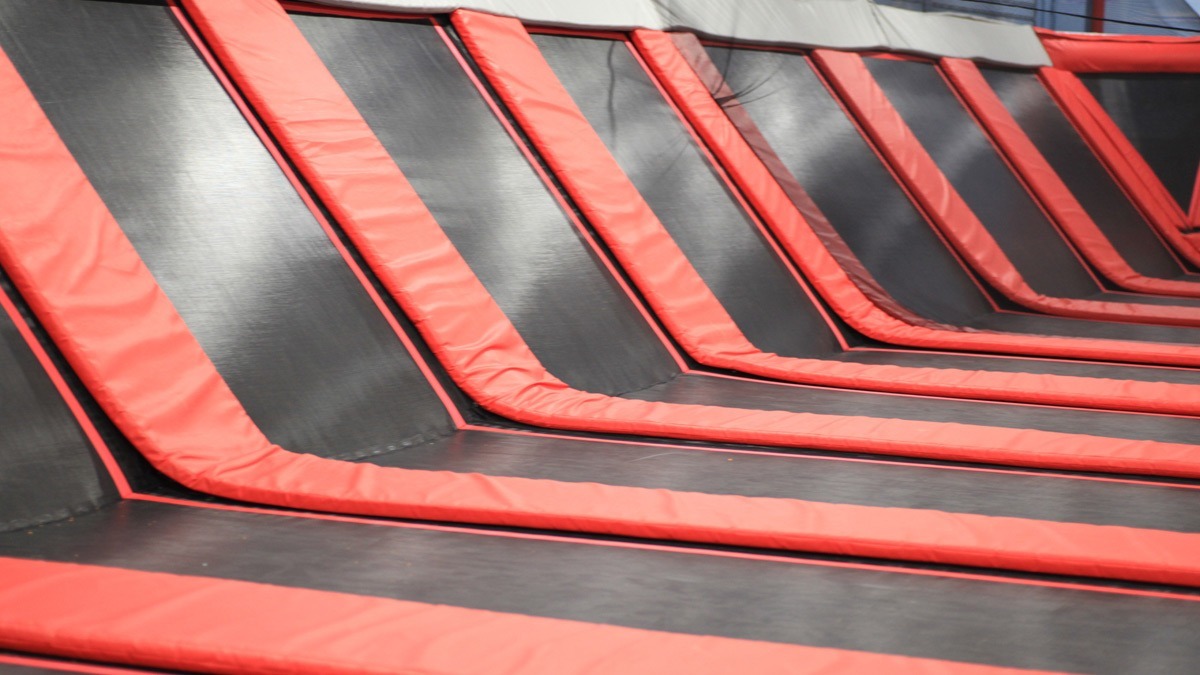
Trampoline parks have become a popular destination for families, teens, and young adults looking for fun and physical activity. These indoor spaces often include interconnected trampolines, foam pits, climbing walls, dodgeball courts, and ninja-style obstacle courses. While they promise a high-energy experience, trampoline parks are also associated with a significant risk of injury.
Broken bones, concussions, spinal cord injuries, and torn ligaments are just some of the consequences that can result from a visit gone wrong. In Nevada and across the country, many of these businesses require customers to sign liability waivers before participating. This raises an important legal question: can those waivers actually prevent injured people from suing?
Understanding how Nevada law treats liability waivers, and how courts evaluate negligence in these settings, can help injury victims protect their rights and pursue compensation when appropriate.
Trampoline Parks Are a Leading Source of Injury
Trampoline-related injuries have risen sharply with the expansion of commercial trampoline parks. According to the American Academy of Pediatrics, emergency rooms see thousands of trampoline injuries each year, and a growing share are linked to indoor parks rather than home trampolines.
Common injuries include:
- Fractures: Especially in wrists, arms, ankles, and legs.
- Spinal injuries: From falls off elevated platforms or awkward landings.
- Head trauma: Including concussions or more serious brain injuries.
- Dislocations and sprains: Often caused by awkward landings or mid-air collisions.
- Internal injuries: Resulting from high-impact landings or hidden hazards in foam pits.
In some cases, unsafe conditions or poor supervision are to blame. When that happens, injured guests may have a legal claim for damages, even if they signed a waiver.

For a free legal consultation, call (725) 900-9000
How Liability Waivers Work
Before entering a trampoline park, participants (or their parents, in the case of minors) are usually asked to sign a liability waiver. This document often states that the participant:
- Understands the risks of using trampolines and related equipment
- Agrees to assume all risks associated with participation
- Waives the right to sue the facility for any injuries sustained during use
Some waivers also include language about releasing the business from liability for negligence. The purpose of these waivers is to limit lawsuits and protect the business from being sued by injured guests.
But in Nevada, the effectiveness of these waivers depends on several factors.
Are Liability Waivers Enforceable in Nevada?
Nevada courts generally recognize the validity of properly written waivers. However, they are not absolute. A liability waiver may be unenforceable under Nevada law if:
- The waiver is too vague or overly broad
- The waiver attempts to release the business from gross negligence
- The injured party was a minor
- The waiver violates public policy
This means that a trampoline park cannot avoid responsibility for every accident, especially if it failed to take basic safety precautions or maintain its equipment.

Click to contact our personal injury lawyers today
Gross Negligence Cannot Be Waived
While a waiver may protect a trampoline park from claims of ordinary negligence, such as minor staff errors, it generally does not shield the business from gross negligence. Gross negligence involves a reckless disregard for the safety of others.
Examples of gross negligence in a trampoline park might include:
- Failing to fix known structural issues with equipment
- Allowing overcrowding far beyond safe capacity
- Ignoring repeated reports of injuries on a specific attraction
- Employing untrained or underage staff to supervise jump areas
- Failing to provide first aid or emergency protocols
If an injury is caused by such conduct, the injured party may still be able to sue, even with a signed waiver.
Complete a Free Case Evaluation form now
Waivers Signed on Behalf of Minors
Trampoline parks routinely ask parents or guardians to sign waivers for their children. However, in Nevada, waivers signed on behalf of a minor may not be enforceable in the same way as those signed by an adult.
Nevada courts have not issued a definitive ruling on the enforceability of parental waivers for minors in recreational injury cases. However, courts in many states have held that parents cannot waive their child’s right to sue for personal injury caused by a business’s negligence. Nevada courts may reach a similar conclusion.
That means children injured at trampoline parks in Nevada may still have a valid legal claim, regardless of what their parents signed.

Assumption of Risk vs. Negligence
Waivers typically include language about the assumption of risk, meaning that participants understand and accept the dangers involved in trampoline activities. While this can be a valid defense, it does not apply to all situations.
Assumption of risk does not excuse:
- Hidden hazards not disclosed to guests
- Unsafe conditions caused by poor maintenance
- Defective equipment provided by the facility
- Failure to properly supervise guests
- Inadequate staffing or emergency response
If the trampoline park failed to uphold its duty of care, the assumption of risk defense may not apply, and the business may still be held liable.
Injuries Due to Defective Equipment
Some trampoline park injuries occur because of faulty or poorly maintained equipment. This may involve:
- Torn trampoline surfaces
- Broken springs or support bars
- Loose bolts or unstable platforms
- Foam pits with insufficient padding
- Inadequate safety netting
In these cases, a product liability claim or a negligence claim against the park may be appropriate. Businesses that fail to inspect and maintain their facilities can be held responsible for the harm that results.
When Is a Trampoline Park Legally Liable?
A trampoline park in Nevada may be held legally responsible for an injury if the business:
- Failed to inspect equipment regularly
- Did not post warning signs or safety rules
- Allowed unsafe overcrowding
- Hired untrained or underqualified staff
- Ignored state or local safety codes
- Did not provide first aid or emergency procedures
- Failed to separate age groups or skill levels
If any of these failures contributed to the injury, a lawsuit may be possible, regardless of whether a waiver was signed.
What Compensation Is Available?
Injury victims may be entitled to compensation for a wide range of damages, including:
- Medical expenses: Emergency care, hospitalization, surgeries, physical therapy, and medications
- Lost income: If the injury caused missed work or long-term disability
- Pain and suffering: Physical pain, emotional trauma, and the loss of enjoyment in life
- Scarring or disfigurement: Especially relevant for facial or orthopedic injuries
- Future medical care: For chronic conditions or multiple surgeries
The total compensation depends on the severity of the injury and its long-term impact on the victim’s life.
What to Do After a Trampoline Park Injury
If you or your child is injured at a trampoline park, take the following steps:
- Seek medical attention right away, even if symptoms seem minor
- Report the injury to park staff and request a copy of the incident report
- Take photos of the scene, including equipment, signage, and surroundings
- Get contact information from witnesses, if available
- Do not sign additional documents or make detailed statements to the company
- Keep all medical records and receipts
- Contact a personal injury attorney to evaluate your legal options
These steps help preserve evidence and protect your ability to pursue a claim.
Statute of Limitations in Nevada
In most cases, injury victims have two years from the date of the incident to file a personal injury lawsuit in Nevada. For minors, the time limit may be extended until they reach the age of 18, although certain conditions may apply.
If the injury was caused by a public entity or publicly owned facility, additional notice requirements may apply, and deadlines may be much shorter.
An attorney can ensure that all deadlines are met and that your claim is filed properly.
Why Legal Representation Matters
Businesses often rely on waivers, assumption of risk defenses, and aggressive insurance adjusters to deny or minimize claims. Having a qualified attorney on your side can make the difference between a denied claim and a successful recovery.
An attorney can:
- Review the validity of the waiver
- Investigate the cause of the injury
- Collect and preserve evidence
- Consult with medical experts and safety specialists
- Negotiate with the insurance company
- Represent you in court, if necessary
Trampoline park injuries can be life-changing. Legal help ensures you do not face those consequences alone.
How Van Law Firm Can Help
Van Law Firm has a strong record of representing individuals and families injured due to unsafe recreational facilities, including trampoline parks across Nevada. Our team understands how liability waivers work and knows how to challenge them when necessary.
We offer:
- Free, no-obligation case evaluations
- No fees unless we win your case
- Access to top medical experts and specialists
- Aggressive representation against corporate insurers
Whether your injury happened in Las Vegas, Henderson, Reno, or a nearby community, we are here to help you get the justice you deserve.
Contact Van Law Firm Today
If you or your child was injured at a trampoline park in Nevada, do not assume that a signed waiver means you are out of options. You may still have the right to compensation for medical bills, pain and suffering, and more.
No obligation consultations are always free.
Let Us Help You! Call Now: (725) 900-9000 Forklift Accidents & Lawsuits
Forklift incidents commonly occur in the workplace and can cause serious injuries or even death. There are around 20,000 workers in the United States who suffer from these injuries each year. In an ...
 Video Games: Innocent Fun or addictive menace?
If your child was seriously injured due to video game addiction, Van Law Firm Can Help Video Games are everywhere and there is hardly anyone who does not know what they are. More than 200 million pe...
 What You Need To Know About Filing A Suboxone Tooth Decay Lawsuit
Not all that long ago, opioid misuse was so rampant in the United States that experts classified it as a crisis. They say the trouble started back in the 1990s, when prescription opioid medications ...
 Your Rights as a Pedestrian in Las Vegas Crosswalk Accidents
Las Vegas is one of the busiest pedestrian cities in the country, with millions of residents and visitors crossing streets every day, especially along the Strip, in downtown areas, and near resident...