
Can You Sue When a Tesla Autopilot Crash Isn’t Your Fault?
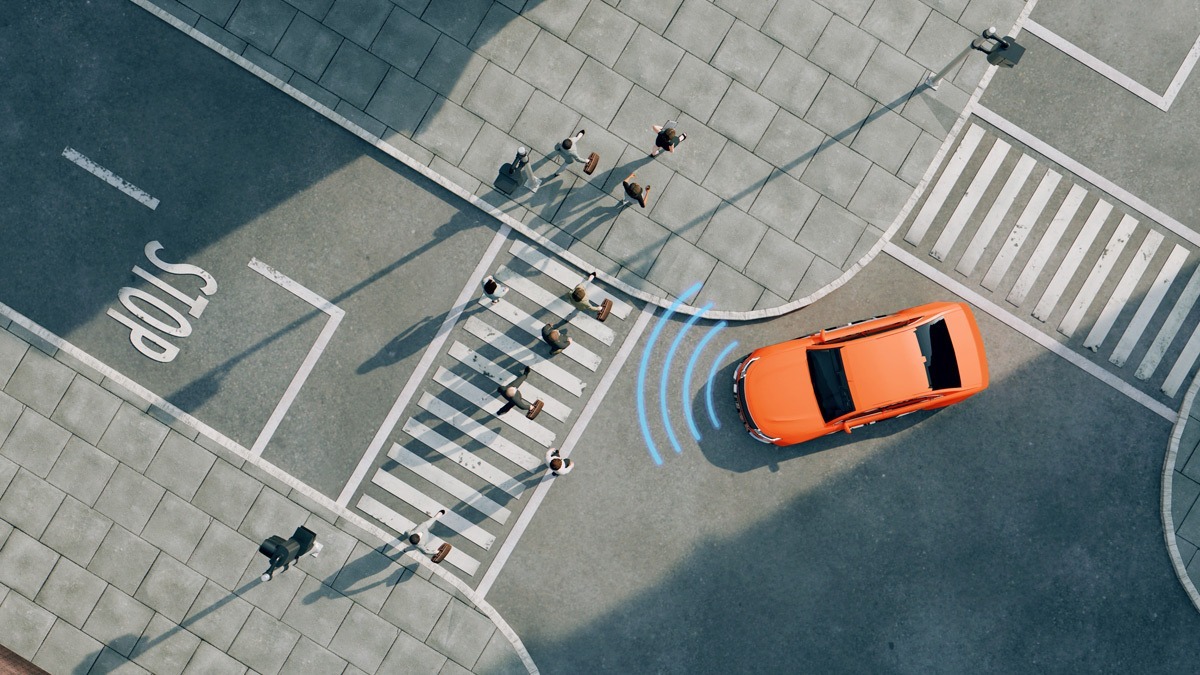
Can I Sue Tesla If I Got Hurt In A Crash Involving The Autopilot System?
Tesla called it “Autopilot.” They sold a package named “Full Self-Driving.” For years, the company has marketed a future of effortless, autonomous travel. But when these advanced systems are involved in a crash, Tesla’s defense is simple and consistent: the human driver is to blame.
This argument is now facing a powerful challenge in courtrooms and from federal regulators. A growing body of evidence suggests the problem isn’t just driver error, but a dangerous gap between the promise of self-driving technology and its real-world limitations. Lawsuits argue that the very names “Autopilot” and “Full Self-Driving” create a false sense of security, encouraging the exact kind of driver over-reliance that leads to tragedy.
In 2017, for example, plaintiffs in a class action lawsuit claimed that Autopilot was “essentially useless and demonstrably dangerous.” If you or a loved one was hurt or killed in a Tesla car crash while using the Autopilot feature, you may also be able to pursue legal recourse through Van Law Firm. Keep reading to learn more.
For a free legal consultation, call (725) 900-9000
What Is The Tesla Autopilot System And How Does It Work?
According to information in Tesla’s online owner’s manual, the Model S Autopilot is the collective name for a set of “advanced driver assistance features that are intended to make driving safer and less stressful.” The basic features are:
- Traffic-Aware Cruise Control – which is used to maintain speed and an adjustable following distance from the vehicle in front of you (when necessary).
- Autosteer – which not only maintains speed and distance from a vehicle in front of you, but also “ intelligently keeping” the vehicle in its lane.
Some of the additional features included in the Full Self-Driving Capability package in newer Tesla models (and the Enhanced Autopilot package in older models) include:
- Auto Lane Change – which is used to change lanes when the turn signal and Autosteer are on.
- Navigate on Autopilot — which is used for most aspects of highway driving.
- Full Self-Driving (Supervised) — which tries to take you to your destination by executing necessary maneuvers.
- Autopark – which is used for parallel or regular parking.
- Traffic Light and Stop Sign Control – which is used to maintain speed, maintain following distance, and maintain the car’s position in its lane while also slowing and stopping for traffic lights and stop signs.
However, Tesla cautions that “The features included with Full Self-Driving Capability are hands-on features,” and urges drivers to act accordingly.
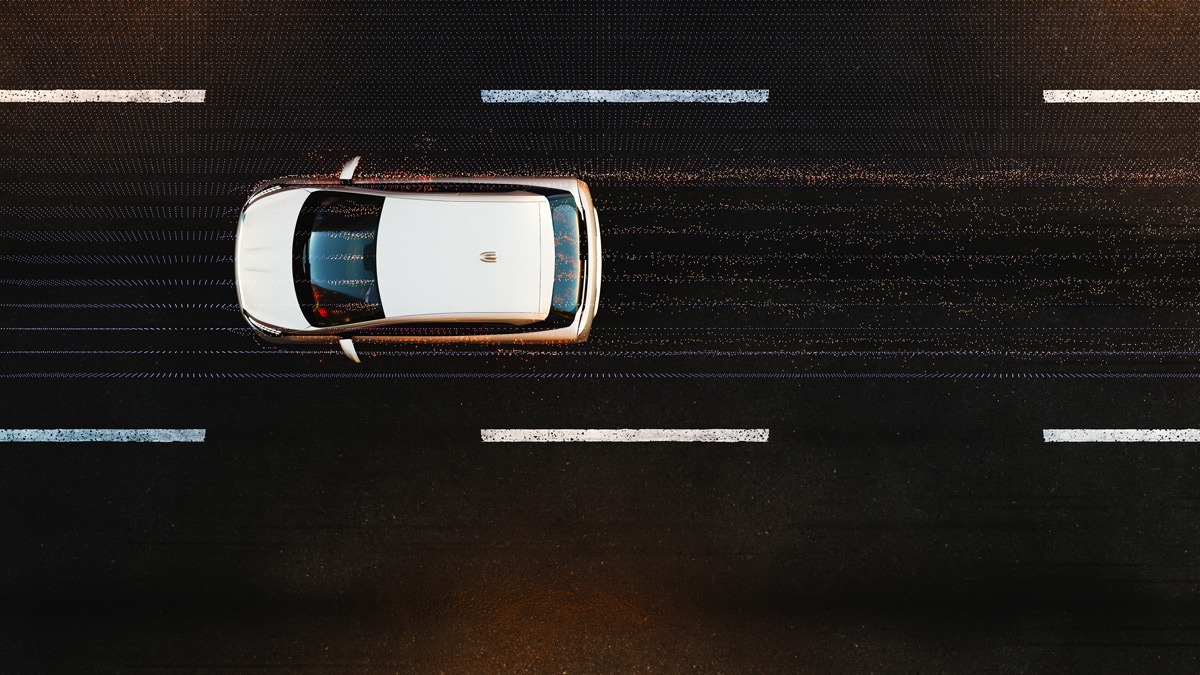
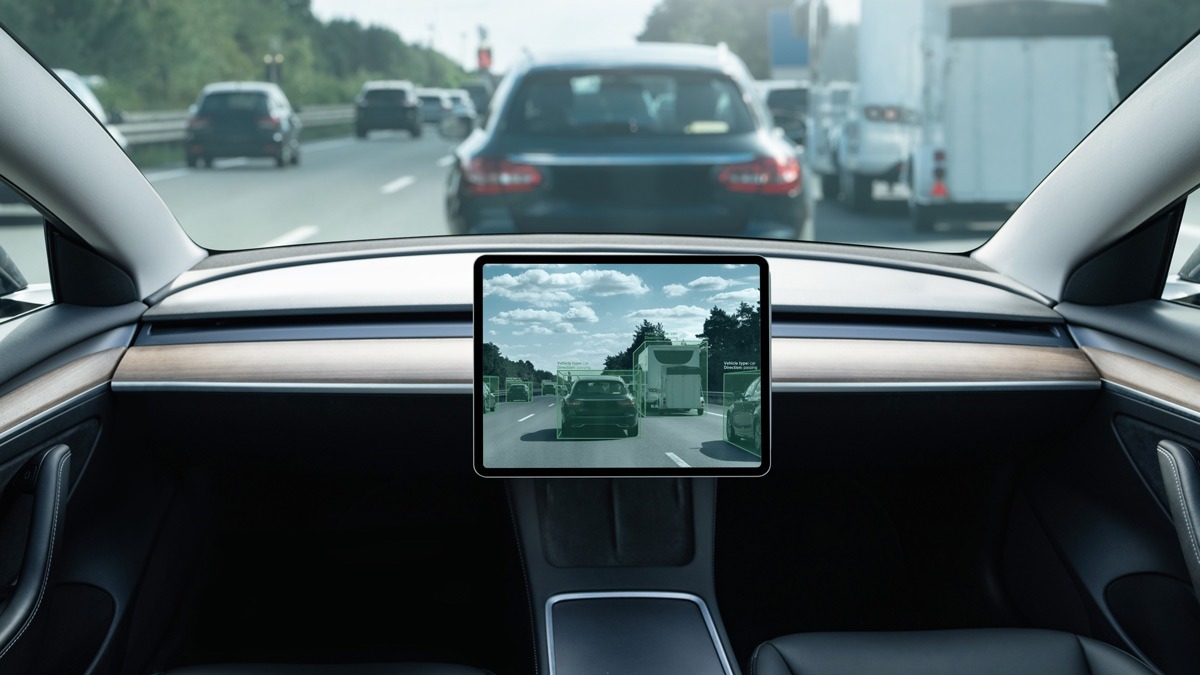
As Tesla also explains, Autopilot works by using the cameras on the ModelS, to help execute movements. These camera monitor not only the surrounding area, but also detect objects such as other vehicles, pedestrians, road markings, and obstacles such as barriers and curbs on each designated route. While it is designed to make driving easier, it is not a collision warning or avoidance system, according to Tesla.
Tesla Accidents And Lawsuits Pile Up
According to a February 11, 2025 article published on forbes.com, the first fatal accidents linked to Tesla’s autopilot occurred less than a year after the system debuted in the Model S.
Upon looking into those incidents, the National Highway Traffic Safety Administration determined that “the Tesla Autopilot death rate is higher than the reported estimates.” Not all crashes involving the Tesla Autopilot system, however. Experts reportedly attribute the accidents that resulted in injuries to the Autopilot’s failure to recognize other vehicles and insufficient Autopilot driver engagement, among other things.
While Tesla claims that it fixed its Model S Autopilot system during a 2023 recall, more accidents followed. As of October 2024, there were “hundreds of documented nonfatal incidents involving Autopilot and fifty-one reported fatalities,” according to Forbes. Of those, 44 reportedly happened while the car was in full self-driving mode.
As the number of accidents have stacked up, so have the number of Tesla Autopilot lawsuits. Plaintiffs in these cases are claiming that the company’s negligence led to the deaths or injuries of people driving Teslas with Full-Self Driving (FSD) features engaged. Plaintiffs are also claiming that contrary to the impression created by the term “Full-Service Driving,” and relevant advertising, human drivers cannot and should not rely entirely on the technology to drive safely.
In a recent case, as reported by the Associated Press, a Miami jury found that Tesla was partially liable for a deadly car crash where the Tesla Autopilot technology was in use. Specifically, the jury hearing the federal case determined that Tesla’s Autopilot technology failed, making the company legally responsible in part even though the driver admitted he was “distracted by his cellphone before hitting a young couple out gazing at the stars.”
If you or a loved one was injured – or a relative was killed – in a motor vehicle crash involving Tesla’s Autopilot technology, you may also be able to take legal action against Tesla. You can find out if you are eligible to do so by contacting Van Law Firm to schedule a free consultation. Our dedicated Tesla Autopilot injury attorneys will evaluate your specific circumstances to see if you have a viable case. If you do, they will share all of your legal options so you can make a fully informed decision about what is best for you.
No obligation consultations are always free.
Let Us Help You! Call Now: (725) 900-9000 DEALING WITH INSURANCE COMPANIES IN A PERSONAL INJURY ACCIDENT
Dealing with insurance companies can be the most frustrating part of handling a personal injury claim. Whether your claim comes from a car accident, medical malpractice, workman’s comp, or dog bite ...
 FRIENDS DON’T LET FRIENDS TEXT AND DRIVE
Texting and hand-held cell phone use is illegal in Nevada.The National Highway Traffic Safety Administration (NHTSA) reported that in 2014, distracted drivers caused thousands of accidents across th...
 “MINOR” CAR ACCIDENTS ARE SERIOUS
“Minor” car accidents, perhaps caused by inattention or carelessness, can still cause a great deal of pain and suffering. According to the National Highway Traffic Administration, over 2 million peo...
 LAS VEGAS RANKS LOW FOR DRIVER SAFETY
Recently, Las Vegas ranked 144 out of 200 cities in the United States for driver safety. The recent report reveals that drivers in Las Vegas have a car accident every eight years and are an astoundi...