
Pool Accidents in Nevada: Liability for Drownings and Slip Hazards
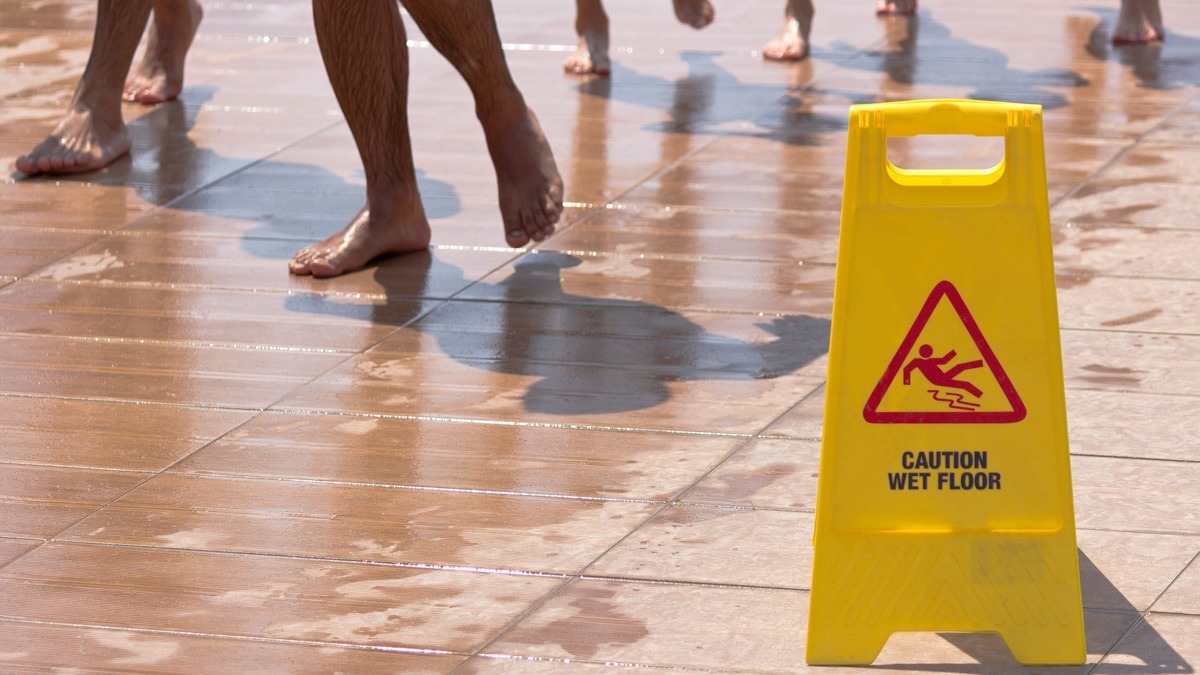
Pools offer a welcome escape from Nevada’s intense summer heat. From hotel pools on the Las Vegas Strip to residential backyard pools and apartment complexes, they are everywhere throughout the state. But pools also pose serious risks when safety is neglected. A fun day in the water can turn tragic in seconds due to a slip, fall, or drowning.
Each year, countless individuals suffer injuries in or around pools. Some are minor and quickly treated, but others are life-altering or fatal, especially for children and older adults. Nevada law provides a framework for holding property owners accountable when pool injuries are caused by dangerous conditions or a failure to follow safety regulations.
Understanding when a pool becomes a legal hazard, who may be liable, and what steps injured victims or grieving families can take is critical after a serious accident.
The Dangers of Pools in Nevada
Pool accidents happen more often than most people realize. According to the Centers for Disease Control and Prevention (CDC), drowning is the leading cause of unintentional death for children ages 1 to 4 and the second leading cause for children up to age 14.
But drowning is not the only risk. Pool areas are surrounded by hard, wet surfaces that increase the chance of:
- Slips and falls on slick tile or concrete
- Head injuries from diving into shallow water
- Entrapment by pool drains or suction systems
- Chemical burns or respiratory injuries from improper maintenance
- Electrocution from faulty pool lighting or equipment
- Heat stroke or dehydration in unshaded areas
In commercial settings like resorts and public pools, the risks increase with crowding, limited supervision, and alcohol use.
For a free legal consultation, call (725) 900-9000
Common Pool Accident Injuries
Pool injuries can range in severity from bruises and broken bones to brain damage or death. Common injuries include:
- Drowning or near-drowning: Victims may suffer from oxygen deprivation, leading to brain damage, coma, or death.
- Traumatic brain injuries (TBIs): Slipping and falling near a pool can result in skull fractures or concussions.
- Spinal cord injuries: Diving into shallow water may cause paralysis.
- Lacerations: Broken glass, sharp pool edges, or exposed screws can cause cuts requiring stitches or surgery.
- Burns or eye damage: Improperly balanced pool chemicals can irritate skin, lungs, or eyes.
- Broken bones or joint injuries: Slips on wet surfaces commonly lead to fractures, sprains, and torn ligaments.
These injuries often require hospitalization, surgery, long-term rehabilitation, and significant time away from work or school.

Who Is Liable for a Pool Accident in Nevada?
Nevada law holds property owners and occupiers responsible for maintaining reasonably safe conditions on their premises. This includes pools on residential, commercial, and public properties. Liability depends on where the accident occurred, who the victim was, and whether negligence contributed to the injury.
1. Homeowners and Landlords: Owners of private pools—whether in a single-family home or an apartment complex—must take steps to prevent foreseeable injuries. This includes:
- Installing fencing and self-closing gates to prevent unsupervised access
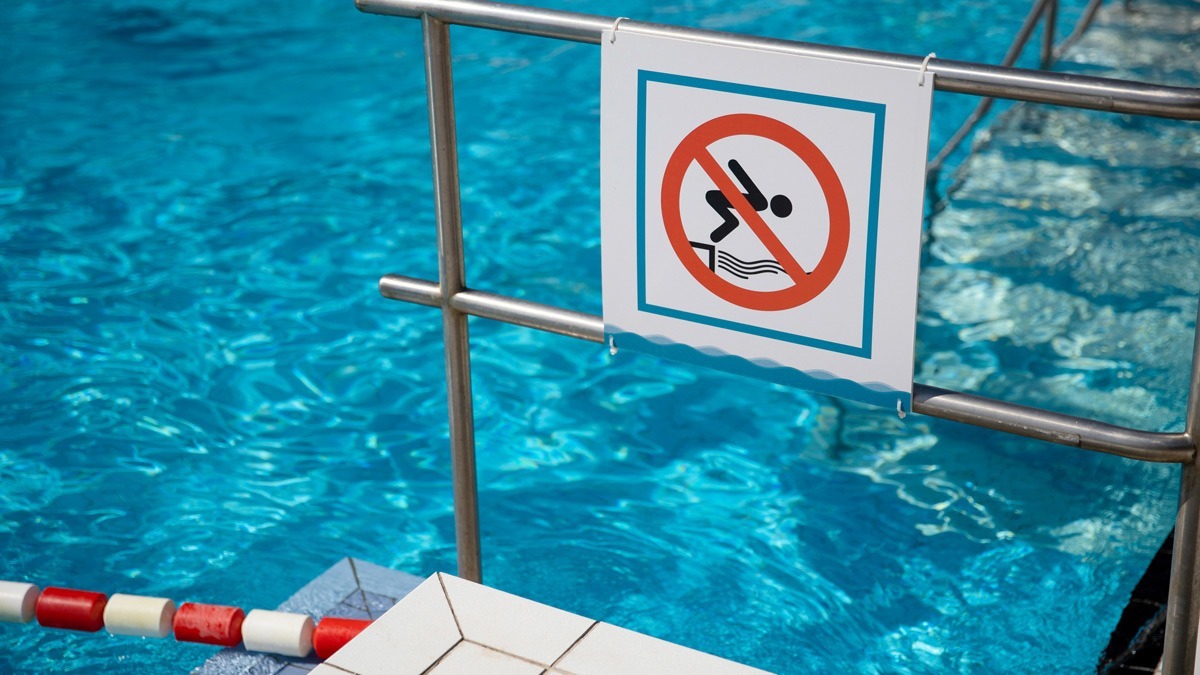
- Posting signs about shallow water or no diving areas
- Maintaining slip-resistant surfaces
- Keeping the pool area free of debris and hazards
- Securing pool chemicals and electrical components
If a child drowns in a backyard pool that lacked a fence or had an unsecured gate, the homeowner may be held liable. Landlords may also be liable if they failed to maintain a common area pool or ignored previous safety complaints.
2. Hotels, Resorts, and Casinos: Hotels and other hospitality venues must take special precautions due to the high volume of guests and potential for alcohol consumption. Liability may arise if:
- Lifeguards were not present or improperly trained
- Pool depth markings were missing or incorrect
- Equipment was broken or outdated
- Spills or leaks were not cleaned promptly
- Guests were not warned of dangerous conditions
Many Las Vegas pool areas also host events and parties. If management encourages high-risk behavior but fails to provide adequate supervision, they may be liable for resulting injuries.
3. Public Pools and Government Entities: Pools operated by schools, municipalities, or recreation centers must comply with local and state safety standards. If a government-run facility failed to enforce lifeguard protocols, provide safe access and exits, maintain clear emergency signage, or inspect and maintain equipment, the public agency may be responsible.
4. Pool Maintenance Companies: If a third-party pool contractor was responsible for cleaning, chemical balancing, or equipment maintenance, and their negligence caused the injury, they may be held liable. This could include:
- Overchlorinating or underchlorinating the water
- Leaving hazardous equipment exposed
- Failing to report or repair unsafe conditions
5. Pool Equipment Manufacturers: Some injuries stem from defective products, such as faulty pool drains, pumps, filters, or slides. In these cases, victims may bring a product liability claim against the manufacturer, distributor, or retailer.

Click to contact our personal injury lawyers today
Pool Drowning Liability and Attractive Nuisance Law
Nevada recognizes the attractive nuisance doctrine, which holds property owners liable for injuries to children caused by dangerous conditions that are likely to attract them. Pools fall squarely into this category.
If a homeowner fails to secure their pool and a child gains access and drowns or suffers injuries, the property owner may be liable—even if the child was trespassing. This is because children are not expected to fully understand the risks.
Proper fencing, alarms, and secured gates are not just good safety practices—they are necessary legal protections for homeowners with pools.
Complete a Free Case Evaluation form now
What Must Be Proven in a Pool Injury Case?
To succeed in a pool injury lawsuit, the victim must prove:
- Duty of care: The property owner had a legal duty to maintain a safe environment.
- Breach of duty: That duty was breached through negligence or failure to act.
- Causation: The breach caused or contributed to the injury.
- Damages: The victim suffered actual harm as a result.
Evidence may include photos of the hazard, medical records, surveillance footage, safety inspection logs, witness statements, and expert testimony.
Compensation Available in Nevada Pool Accident Claims
Injured victims or surviving family members may recover compensation for:
- Emergency medical care and hospitalization
- Ongoing physical therapy and rehabilitation
- Counseling for emotional trauma
- Prescription medications and medical devices
- Lost wages and reduced future earnings
- Loss of enjoyment of life
- Funeral and burial expenses in fatal cases
Wrongful Death Claims After a Pool Drowning
If a loved one dies in a drowning accident, immediate family members such as parents, spouses, or children may file a wrongful death claim. These lawsuits can recover damages for:
- Loss of financial support
- Loss of companionship and guidance
- Funeral and burial expenses
- Medical costs prior to death
- Emotional suffering
Drowning deaths are especially traumatic for families and often preventable. Holding negligent parties accountable can provide both closure and financial stability.
What to Do After a Pool Accident
If you or a loved one was injured in a pool accident in Nevada, take the following steps to protect your health and your legal options:
- Call 911 immediately for serious injuries or drownings
- Seek medical attention and follow through with all treatment
- Report the incident to the property owner, manager, or lifeguard
- Document the scene with photos or videos, especially if hazards are visible
- Collect contact info for witnesses and staff on duty
- Avoid giving recorded statements to insurers without legal counsel
- Preserve any physical evidence, such as torn clothing or chemical burns
- Contact a Nevada personal injury attorney to review your rights
How Van Law Firm Can Help
Van Law Firm represents pool injury victims and grieving families across Nevada. Our experienced team understands the state’s premises liability laws, pool safety regulations, and the emotional toll these accidents can take.
We will:
- Investigate the cause of the accident
- Identify all liable parties, including property owners and contractors
- Consult with safety experts and medical professionals
- Document the full extent of your losses
- Negotiate aggressively with insurance companies
- Litigate your case if a fair settlement cannot be reached
We handle both individual injury claims and wrongful death cases arising from pool drownings.
No Fees Unless We Win
Van Law Firm works on a contingency fee basis. That means:
- No upfront costs
- No hourly fees
- You only pay if we recover compensation for you
We also offer free consultations, so you can learn your rights without any obligation.
Contact Van Law Firm Today
If you or your child was injured in a pool accident, or if you lost a loved one to drowning, do not wait. Nevada law offers a path to compensation and accountability, but deadlines apply. Let Van Law Firm help you navigate the legal process and fight for the justice you deserve.
No obligation consultations are always free.
Let Us Help You! Call Now: (725) 900-9000 Swimming Pool Accidents: Let Us Help You
 What Are Swimming Pool Accidents? When warm weather arrives, many people enjoy going for a swim at a neighborhood, hotel, or casino pool. However, improper recreational safety practices can result i...
 What Is a Circulation Entrapment Injury?
 When it comes time to shed our winter clothes and have fun by the pool, we usually aren’t concerned about safety, or lack thereof. Unfortunately, however, there are numerous ways in which we can suf...
 The Shocking Statistics Regarding Child Drowning Incidents
 It’s no secret that children have a tendency to get themselves into trouble, which can sometimes spell disaster for them as well as their families. Swimming pool drownings are unfortunately one of t...
 How Common are Child Swimming Pool Injuries?
 Most parents jump at the opportunity to take their children swimming because it’s a great way for them to have fun and get a little exercise. While we would never argue against this, we would simply...