
Olympus Endoscope-Related Infections and Lawsuits: What Patients Need to Know
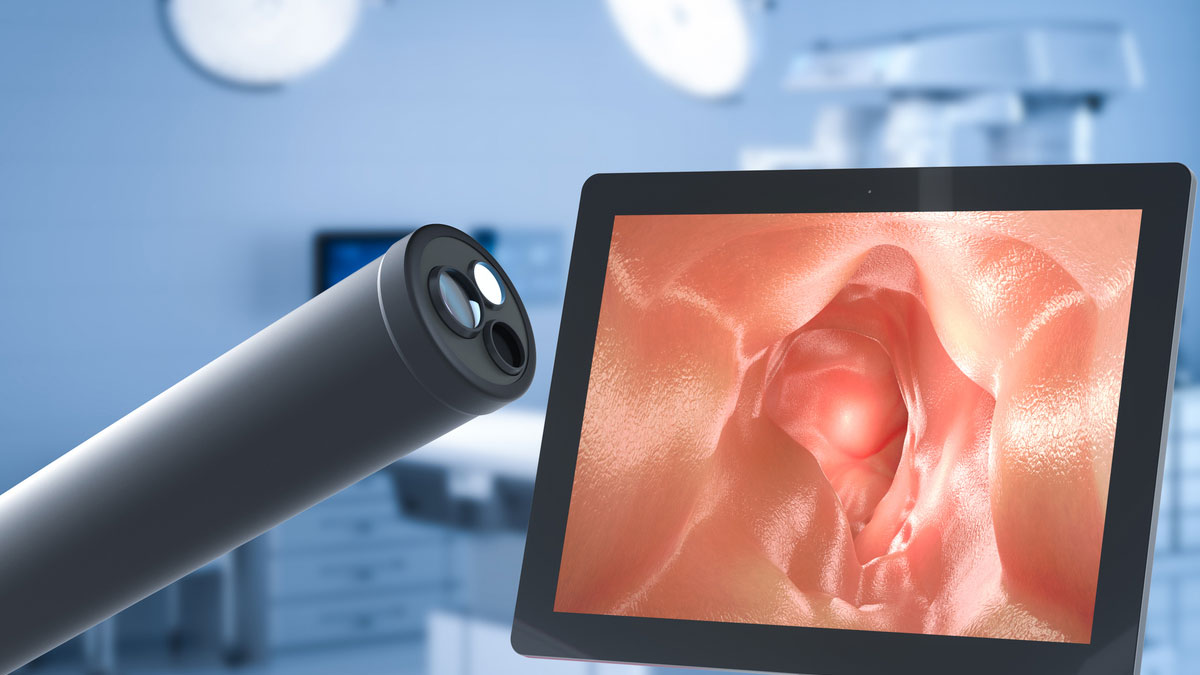
When you schedule an endoscopic procedure, infection is the last thing on your mind. You trust the equipment. You trust the facility where it is carried out. You trust that a routine diagnostic procedure, one that’s performed thousands of times each year, carries minimal risk beyond what your doctor has already discussed with you. For most patients, that trust is well-placed.
Unfortunately, for hundreds of patients across the United States, that trust was broken when contaminated endoscopes, particularly duodenoscopes manufactured by Olympus Medical Systems, were linked to serious infections, including antibiotic-resistant “superbug” outbreaks. In many of these cases, patients underwent routine procedures only to later develop life-threatening infections, despite hospitals following recommended cleaning protocols.
Investigations that followed raised troubling questions about whether the design of these devices made them inherently difficult to disinfect, and whether those risks were fully understood and adequately communicated.
At Van Law Firm, we have been closely following the legal developments in this area. If you or a loved one underwent an ERCP or similar endoscopic procedure and later developed an unexplained infection, we’re here to help you understand your legal rights and what you can do to seek justice.
How Olympus Duodenoscopes Became the Center of Infection Outbreaks
Endoscopes are a cornerstone of modern medicine, allowing physicians to diagnose and treat internal conditions without the need for invasive surgery. Among the most specialized of these devices are duodenoscopes, used in procedures such as endoscopic retrograde cholangiopancreatography (ERCP) to access the bile ducts and pancreas. These procedures are performed thousands of times each year and are generally considered routine.
What sets duodenoscopes apart, however, is their complexity. Unlike standard endoscopes, they contain intricate internal channels and a small but critical mechanical feature known as an elevator mechanism. This component allows physicians to guide instruments with precision during delicate procedures. However, it also has narrow, hard-to-reach spaces within its components that have proven extraordinarily difficult to fully disinfect using standard cleaning methods.
Over the past decade, this design has come under intense scrutiny.
Impossible to Disinfect?
Hospitals follow rigorous reprocessing protocols for reusable medical devices, including manual cleaning, high-level disinfection, and drying. In theory, when these steps are followed correctly, the device should be safe for reuse. In the lawsuits, plaintiffs claim that even strict adherence to these protocols did not always eliminate contamination in certain duodenoscope models from Olympus Medical Systems.
Investigations by the U.S. Food and Drug Administration and public health authorities found that the complex design of certain duodenoscopes, including the elevator mechanism, could impede effective cleaning and high-level disinfection. According to FDA safety communications, these design features created areas that were difficult to access during reprocessing, allowing biological material and bacteria to persist inside the device even when manufacturers’ cleaning instructions were followed. As a result, contaminated scopes were capable of transmitting infection from one patient to another during subsequent procedures.

This was not a matter of improper use. In many documented cases, hospitals followed manufacturer instructions precisely, and contamination still occurred.
Olympus Duodenoscope Infection Cases
Public awareness of the issue escalated following a series of high-profile outbreaks in the early to mid-2010s. Certain Olympus duodenoscope models, including widely used designs such as the TJF-Q180V, featured components that limited direct access during cleaning, raising concerns about whether the devices could ever be reliably disinfected under real-world conditions.
Major infection clusters involving carbapenem-resistant Enterobacteriaceae (CRE) occurred at prominent facilities, including UCLA Medical Center and Virginia Mason Medical Center. Reports indicated hundreds of patients may have been exposed, resulting in multiple confirmed infections and deaths linked to the outbreaks. Similar outbreaks were reported in Chicago, Pittsburgh, and other locations where infection clusters were linked to endoscopic procedures. All these cases showed a consistent pattern where patients underwent routine procedures and later developed severe, sometimes antibiotic-resistant infections with no immediately apparent cause. Crucially, investigators found that contamination occurred despite hospitals following manufacturer-recommended cleaning protocols. From a legal perspective, these cases helped establish a critical point: the risk was not necessarily the result of improper handling, but may have been inherent to the device itself.
For a free legal consultation, call (725) 900-9000
Why Olympus Became a Central Target in Litigation
Olympus Medical Systems has long been a dominant manufacturer of duodenoscopes used in ERCP procedures, which placed its devices at the center of many reported outbreaks. However, the legal focus extends beyond market share.
Plaintiffs allege that Olympus knew, or should have known, about the challenges associated with cleaning its devices. These claims often rely on internal testing data, adverse event reports, and post-market surveillance findings to argue that the risks were identifiable well before widespread public awareness.
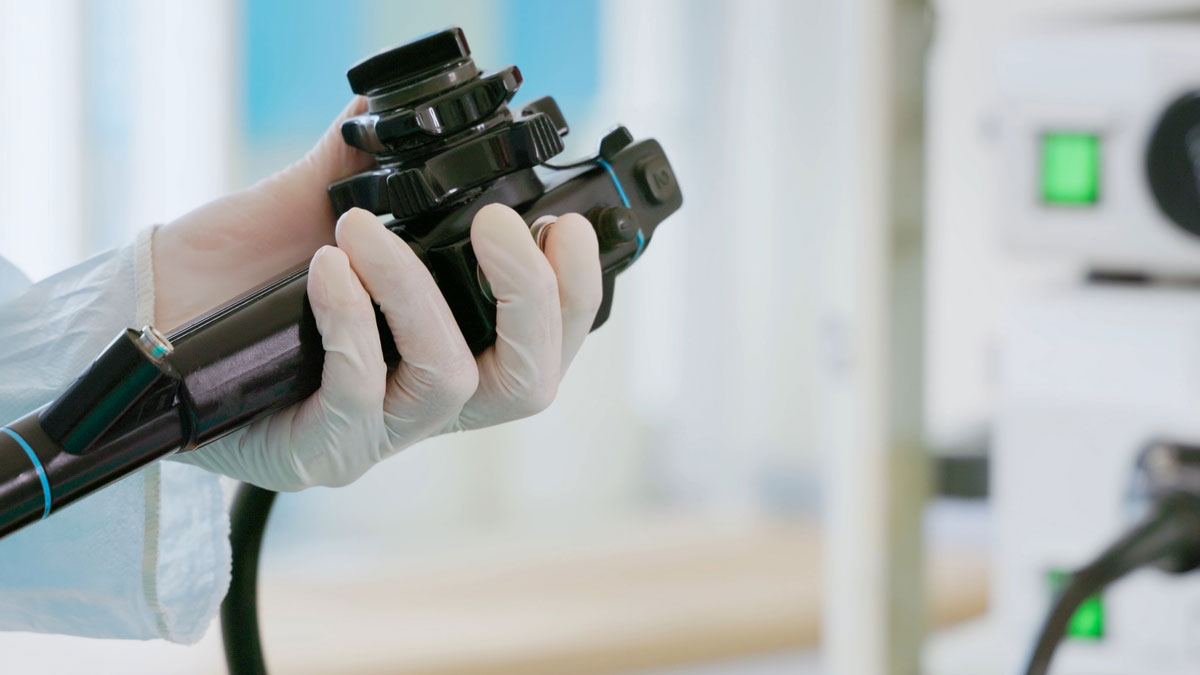
From a liability perspective, the issue is not simply whether infections occurred, but whether the manufacturer adequately responded to known risks. If a device cannot be reliably disinfected under standard conditions, the expectation is that the manufacturer will either redesign the product or provide clear, specific warnings and alternative protocols. The failure to do so is central to many of the claims being brought.
Litigation Outcomes and Ongoing Developments
These outbreaks led to a wave of legal claims against Olympus Medical Systems and other manufacturers, as well as, in some cases, healthcare providers. Cases have largely proceeded as individual lawsuits filed in state and federal courts across different jurisdictions.
However, earlier waves of litigation, particularly those tied to the high-profile CRE outbreaks in the mid-2010s, have already led to confidential settlements and resolved claims, especially in cases involving clearly documented infection clusters. While specific settlement figures have not been publicly disclosed, these resolutions helped establish the core legal theories still used today: defective design, failure to warn, and inadequate response to known contamination risks.
From a regulatory standpoint, the impact has been more visible. The U.S. Food and Drug Administration has continued to monitor duodenoscope safety, requiring post-market studies and pushing manufacturers toward design changes. In recent years, this has led to the introduction of scopes with disposable components or fully disposable designs, aimed at eliminating the risk of cross-contamination altogether.
As of 2026, litigation has shifted from large outbreak-driven cases to more individual claims based on delayed diagnosis, isolated infections, or previously unrecognized exposure. These cases often rely on detailed medical timelines and expert analysis rather than a single, widely reported outbreak.
For potential claimants, this means that:
- you do not need to be part of a known outbreak to have a case
- claims are evaluated individually based on medical evidence and exposure history
- new cases can still be filed as long as they fall within applicable legal timeframes
While there has not been a single defining verdict or settlement, the combination of prior litigation, regulatory action, and device redesign has already reshaped how these cases can be pursued.
Endoscope Infection Lawsuits: Legal Theory Explained
The Olympus endoscope infection lawsuits are typical personal injury–product liability cases, with a particular emphasis on design defect claims.
Plaintiffs argue that certain duodenoscopes were inherently unsafe because they could not be fully disinfected when used as intended. They also assert that warnings provided to hospitals were insufficient, particularly where they did not clearly communicate the limitations of reprocessing procedures or the potential for contamination despite compliance with guidelines.
A key element in these cases is foreseeability. If the risk of infection was a predictable consequence of the device’s design, then liability may attach not because of a malfunction, but because the design itself created an unreasonable risk.
These claims also draw an important distinction between hospital responsibility and manufacturer responsibility. While healthcare providers are responsible for following cleaning protocols, plaintiffs contend that no amount of proper reprocessing can fully mitigate a design that inherently limits effective sterilization.

Proving Causation: Linking Devices to Infections
One of the most complex aspects of these lawsuits is establishing causation, that is, demonstrating that a patient’s infection was linked to a contaminated endoscope.
This process relies on more than general allegations. It typically involves a detailed reconstruction of events, including medical records, procedure timing, and infection onset. In some cases, investigators identify clusters of infections within a facility, where multiple patients develop similar infections after undergoing procedures with the same type of device.
Epidemiological analysis, microbiological testing, and expert testimony are often used to strengthen this connection. If infection patterns align with known transmission risks associated with duodenoscope contamination, and alternative sources can be reasonably ruled out, the causal link becomes more compelling.
From a legal standpoint, the goal is not absolute certainty, but a showing that it is more likely than not that the device contributed to the infection. This standard, combined with evidence of design limitations and prior warnings, forms the foundation of many successful claims.
Understanding Your Legal Options After an Endoscope-Related Infection
If you or a loved one developed a serious infection after an endoscopic procedure, the first question is usually simple: was this preventable, and does it point to a legal claim?
In cases involving contaminated duodenoscopes, the answer often depends on connecting a few key pieces. It’s not enough to show that an infection occurred: what matters is whether the infection aligns with known device-related risks and whether it’s more likely than not to have resulted from contaminated equipment used during your procedure.
In other words, you will have a stronger case when certain patterns are present. This includes infections that are unusually severe, resistant to antibiotics, or difficult to explain through normal post-procedure complications. Timing also matters, because symptoms that appear days or weeks after an ERCP or similar procedure, particularly when they involve organisms like CRE, may raise additional questions about possible exposure.
Another critical factor is whether similar cases have been reported at the same hospital or involving the same type of device. In several documented outbreaks, patients were only notified after clusters of infections were identified, meaning many people had no reason to suspect exposure at the time of treatment.
Because of this, one of the most important early steps is simply gathering information. This can include:
- confirming the type of procedure performed (such as ERCP)
- identifying the facility where it took place
- reviewing discharge records and infection diagnosis timelines
From a legal standpoint, these details help determine whether your situation fits within known patterns of endoscope-related infections.
What to Do If You Suspect a Device-Related Infection
If you believe your infection may be linked to a medical device, acting early can make a meaningful difference. Start by preserving any records you have, including hospital paperwork, lab results, and communications with healthcare providers. Even small details, such as dates, symptoms, or follow-up visits, can become important when reconstructing a timeline.
You should also understand that much of the key evidence in these cases is not immediately available to patients. Information about device usage, prior incidents, or internal hospital reporting may only come to light through formal investigation or legal discovery. That’s one reason these claims often require a more structured approach than typical personal injury cases.
Click to contact our personal injury lawyers today
Speak With a Defective Medical Device Lawyer
Because these cases involve both medical and legal complexity, getting informed guidance early can help clarify whether you have a viable claim and what steps make sense next.
An experienced legal team can evaluate your medical history, identify whether your case aligns with known infection patterns, and begin securing evidence that may not be accessible otherwise. This is particularly important in cases involving devices linked to prior outbreaks or regulatory scrutiny.
At Van Law Firm, our Defective Drug and Medical Device Lawyers have experience handling complex claims involving defective medical devices and can help assess whether your situation aligns with known patterns in this litigation. Our firm is actively investigating these cases nationwide to help patients find the answers they deserve. If you’re unsure whether your situation qualifies, consult a lawyer for a free case evaluation so you can understand your options and get help with taking the first step towards finding justice..
No obligation consultations are always free.
Let Us Help You! Call Now: (725) 900-9000 Forklift Accidents & Lawsuits
Forklift incidents commonly occur in the workplace and can cause serious injuries or even death. There are around 20,000 workers in the United States who suffer from these injuries each year. In an ...
 Video Games: Innocent Fun or addictive menace?
If your child was seriously injured due to video game addiction, Van Law Firm Can Help Video Games are everywhere and there is hardly anyone who does not know what they are. More than 200 million pe...
 What You Need To Know About Filing A Suboxone Tooth Decay Lawsuit
Not all that long ago, opioid misuse was so rampant in the United States that experts classified it as a crisis. They say the trouble started back in the 1990s, when prescription opioid medications ...
 Your Rights as a Pedestrian in Las Vegas Crosswalk Accidents
Las Vegas is one of the busiest pedestrian cities in the country, with millions of residents and visitors crossing streets every day, especially along the Strip, in downtown areas, and near resident...