
The Real Risk of Falls on Stairs and Walkways
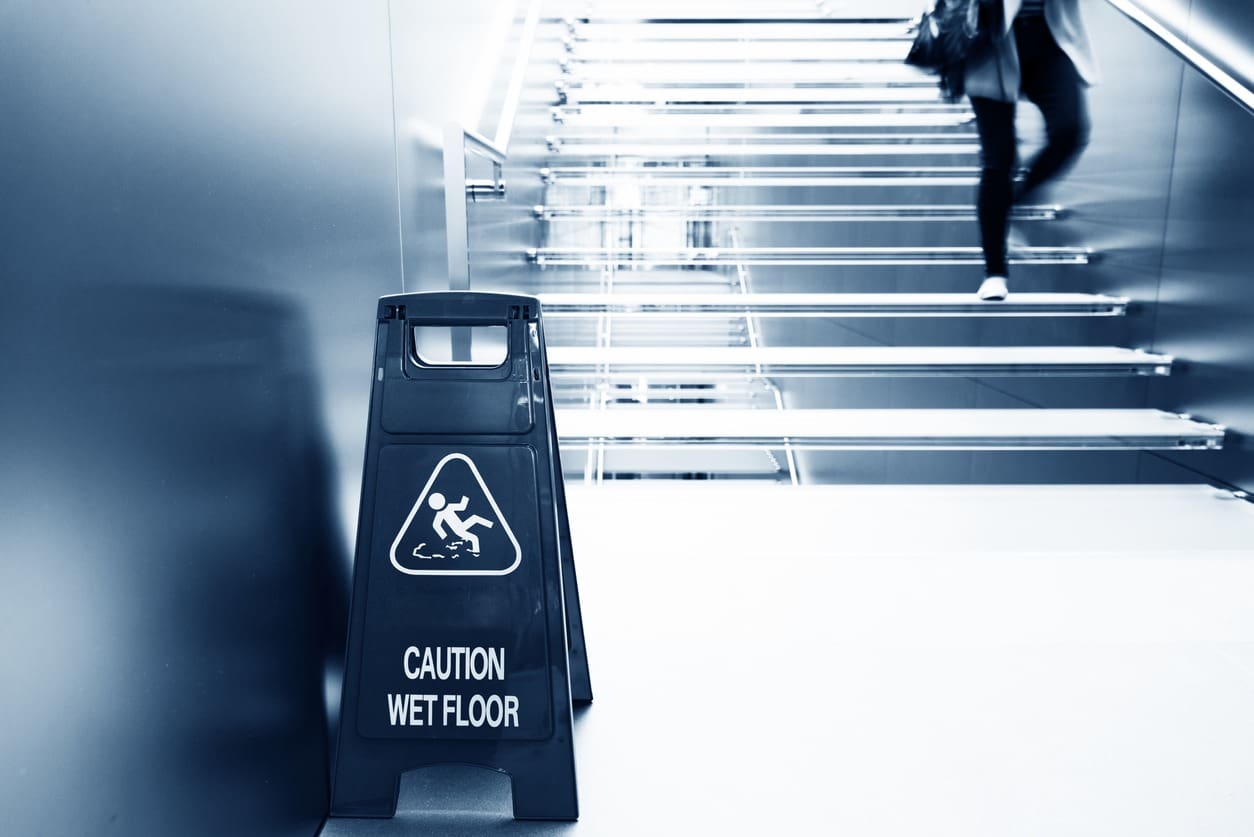
A simple walk down a flight of stairs or across a paved walkway should never end in a trip to the emergency room. Yet, falls in these everyday spaces remain a leading cause of severe injuries. Many people mistakenly blame themselves when they trip or slip. However, the reality is that property negligence is frequently the true culprit behind these dangerous accidents.
Understanding the risks associated with stairs and walkways is critical to protecting your health and your legal rights. When property owners fail to maintain safe environments, innocent people suffer the consequences.
This guide provides straightforward, easy-to-understand information about slip and fall accidents. We will explore the most common causes of falls, the severe injuries they cause, and the legal responsibilities of property owners. Most importantly, we will outline the exact steps you need to take to protect your rights and secure compensation if you experience an injury.
Common Causes of Accidents on Stairs and Walkways
Falls rarely happen without a reason. When we examine accidents on stairs and pedestrian walkways, we usually find a hazardous condition that should have been fixed. Property owners must routinely inspect their premises to identify and resolve these dangers. When they skip this step, accidents follow.
For a free legal consultation, call (725) 900-9000
Poor Maintenance and Structural Defects
Well-maintained stairs and walkways provide a safe, predictable surface for pedestrians. Over time, wear and tear can create hidden traps. Poor maintenance is a leading cause of falls, and it takes many forms.
Common maintenance failures include:
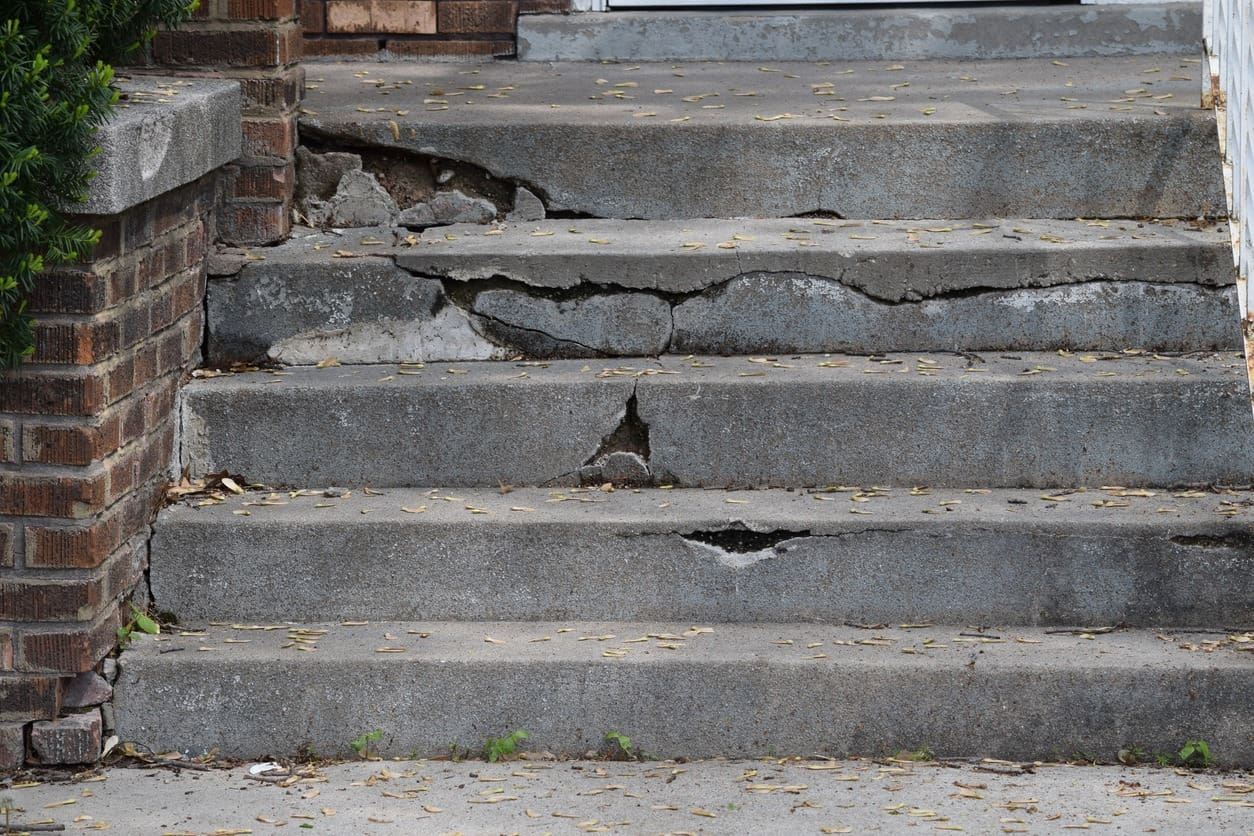
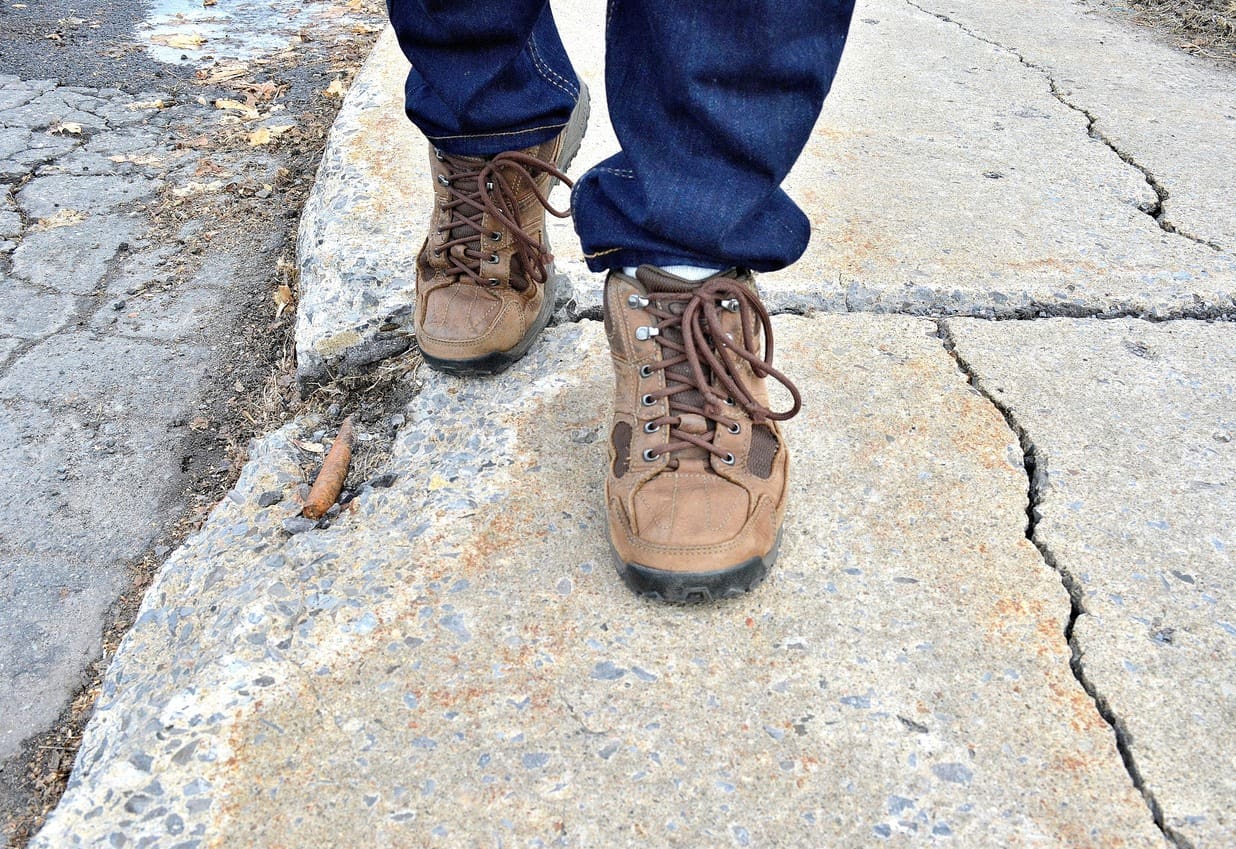
- Uneven surfaces: Cracked pavement, loose floorboards, or shifting concrete slabs create sudden tripping hazards.
- Broken or missing handrails: Staircases rely on secure handrails to help people keep their balance. A loose handrail can cause a catastrophic fall if someone leans on it for support.
- Inconsistent step height: Building codes require stairs to have uniform heights and depths. When stairs are built incorrectly or warp over time, pedestrians easily lose their footing.
- Torn carpeting or loose mats: Curled edges on walkway mats or ripped carpet on stairs easily catch the toe of a shoe, leading to sudden, forceful falls.
Slippery Surfaces and Weather Conditions
A walkway or staircase is only safe when it provides adequate traction. Slippery surfaces drastically increase the risk of a fall, especially when the hazard is difficult to see.
Property owners must address temporary slipping hazards promptly. This includes cleaning up liquid spills inside buildings, addressing tracked-in mud or rain near entryways, and managing leaks from plumbing fixtures. Outside, changing weather conditions play a major role. While property owners cannot control the weather, they are responsible for managing its effects. Failing to clear ice, shovel snow, or put down salt on exterior stairs and walkways creates an unacceptable risk for visitors. If a surface cannot be cleaned in a timely manner, owners must place clear warning signs to alert pedestrians.
Click to contact our personal injury lawyers today
Inadequate Lighting
You cannot avoid a hazard you cannot see. Proper illumination is essential for safe navigation, particularly in stairwells, parking garages, and exterior walkways.
When a stairwell has burnt-out bulbs or a walkway lacks sufficient street lamps, pedestrians cannot see changes in elevation or debris on the ground. Shadows can easily hide a cracked sidewalk or a spilled liquid. Property owners have a duty to warn of any defect and install adequate lighting and replace broken fixtures in a reasonable time frame to ensure their visitors can navigate the area safely.
Complete a Free Case Evaluation form now
Understanding the Potential Injuries
The human body is not built to withstand the sudden, forceful impact of a fall on hard surfaces like concrete, asphalt, or hardwood. Falling down stairs is especially dangerous because the victim gains momentum, leading to multiple points of impact. The resulting injuries often require extensive medical treatment, rehabilitation, and time away from work.
Bone Fractures
When people fall, their natural instinct is to throw their hands out to catch themselves. This reflex frequently results in severe fractures to the wrists, hands, and arms. Older adults face an incredibly high risk of hip fractures, which often require surgery and long-term physical therapy. Ankle fractures and broken collarbones are also highly common when victims lose their footing on uneven walkways or tumble down staircases.
Traumatic Brain Injuries (TBI) and Head Trauma
A fall backward on a slippery surface or a tumble down a flight of stairs can easily cause a person’s head to strike the ground. Head trauma ranges from mild concussions to severe traumatic brain injuries.
Symptoms of a TBI might not appear immediately, but the consequences can be life-altering. Victims may experience chronic headaches, memory loss, emotional changes, and cognitive impairments. Because head injuries can worsen rapidly without treatment, you should always undergo a medical evaluation after hitting your head in a fall.
Severe Sprains and Soft Tissue Damage
Even if a bone does not break, the unnatural twisting motion of a slip and fall can cause massive damage to muscles, ligaments, and tendons. Severe ankle sprains, torn knee cartilage, and whiplash-like neck injuries are frequent outcomes of walkway falls. Soft tissue injuries often cause intense, lingering pain and can severely restrict your mobility for months.
Legal Responsibilities of Property Owners
Understanding premises liability law empowers you to take action if you are hurt. You do not have to bear the financial burden of an accident caused by someone else’s carelessness.
The Duty to Maintain Safe Conditions
Under the law, property owners, landlords, and business operators owe a duty of care to the people who visit their premises. This means they must keep their property reasonably safe and free from hidden hazards.
This responsibility includes performing regular inspections of stairs and walkways to look for dangers. If they discover a broken handrail, a spill, or a cracked sidewalk, they must fix it within a reasonable timeframe. If they cannot fix it immediately, they must warn visitors about the danger using cones, barricades, or highly visible signs.
Establishing Negligence in Premises Liability
To successfully seek compensation after a fall, you must prove that the property owner was negligent. This requires showing that the owner knew, or reasonably should have known, about the hazardous condition on the stairs or walkway and failed to take action.
For example, if a grocery store manager ignores a spilled bottle of oil in an aisle for three hours, and a customer slips, the store is likely negligent. However, proving what a property owner knew can be complex. This is why securing experienced legal support is essential to building a strong premises liability case.

What to Do If You Experience a Fall
Taking immediate, deliberate action after a fall protects both your physical health and your legal rights. If you or a loved one falls on a staircase or walkway, follow these clear steps to secure your foundation for a strong claim.
- Seek medical attention immediately: Your health is the top priority. Even if you feel fine initially, adrenaline can mask severe injuries like internal bleeding or concussions. Visit an emergency room or urgent care center right away. A prompt medical evaluation also creates an official medical record connecting your injuries directly to the fall.
- Document the scene: If you are physically able, gather evidence before leaving the area. Use your smartphone to take clear, well-lit photos of the exact spot where you fell. Capture images of the hazard, such as the spilled liquid, broken step, or poor lighting. Take wide shots of the overall area to show the lack of warning signs.
- Gather witness information: If anyone saw you fall, politely ask for their names, phone numbers, and email addresses. Independent witness testimony provides powerful support for your claim.
- Report the incident: Notify the property owner, store manager, or landlord about the accident immediately. Ask them to file an official written incident report and request a copy for your records. Stick to the basic facts of what happened, and avoid apologizing or saying “I’m okay.”
- Consult a legal professional: Before you speak to the property owner’s insurance company or sign any settlement documents, speak with a dedicated personal injury attorney. Insurance adjusters often try to minimize your claim or shift the blame onto you. An attorney will protect your rights and handle the legal complexities on your behalf.
Take Action and Protect Your Future
A fall on poorly maintained stairs or a hazardous walkway can derail your life, bringing unexpected pain and mounting financial stress. You do not have to navigate the aftermath of an injury alone. Property owners must be held accountable when their negligence causes harm.
Take control of your recovery by understanding your legal rights and demanding the compensation you deserve. If you have been injured in a slip and fall accident, secure the guidance and assurance you need. Reach out to an experienced personal injury attorney today to schedule a free consultation and take the first confident step toward justice.
No obligation consultations are always free.
Let Us Help You! Call Now: (725) 900-9000 Elevator and Escalator Accidents
Elevators and escalators are a commonplace convenience for all of us. According to data from ConsumerWatch.com, elevators in the United States make 18 billion passenger trips a year. While escalator...
 Dram Shop Laws in Washington Personal Injury Cases
The laws surrounding most issues in the U.S. vary greatly from state to state. Firearms in California are treated differently than marijuana in Texas, and vice versa. Alcohol legislation is no diff...
 Amusement Park Accident Causes, Injuries, and Claims
Amusement parks have been one of the most popular family and tourist attractions for decades. Every year, countless patrons brave the large crowds and long lines in order to feel a momentary shot of...
 Everything You Need to Know About Las Vegas Casino Accidents
It’s no secret that the Las Vegas strip is big business; indeed, the millions of tourists that travel to our city each year and the countless industry workers who facilitate their stay are a large p...