
Steps to Take After a Child Is Struck by a Car in a Neighborhood
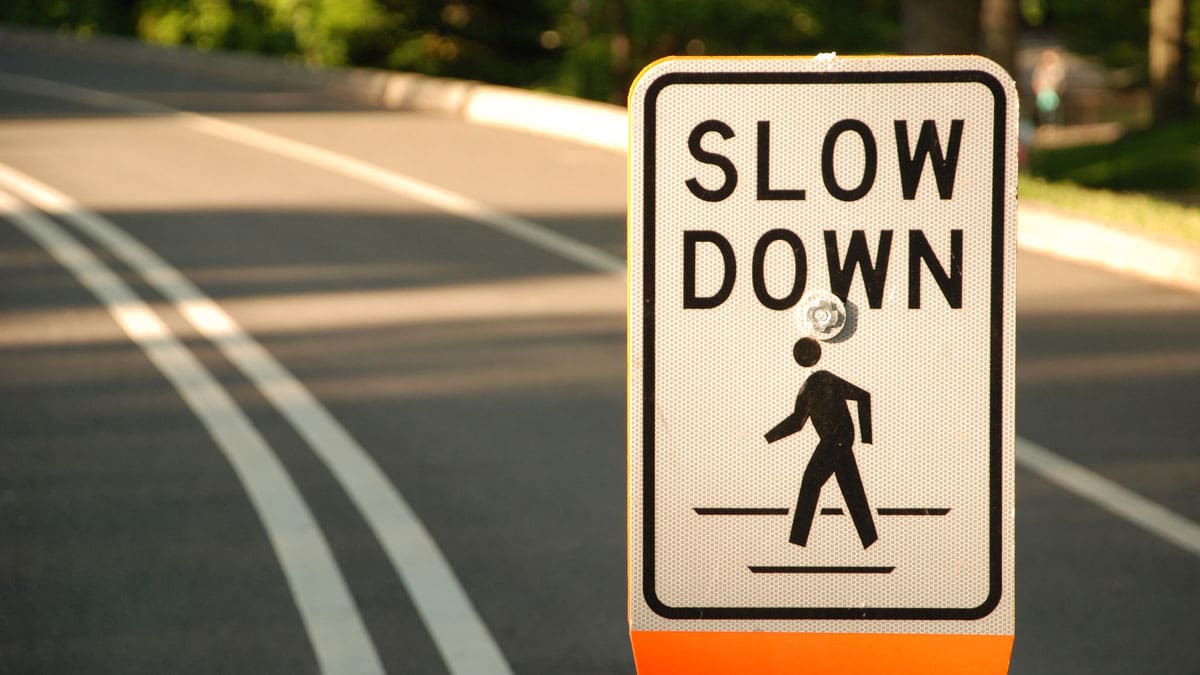
The moments after a child is struck by a vehicle on a residential street are some of the most disorienting any parent or family member can experience. Quick, clear action during the first hours can have a significant impact on both the child’s recovery and on any future legal claim. Neighborhood streets often produce these incidents in ways that surprise families who assumed the area was safe, and the legal process that follows involves rules that apply specifically to injured minors.
Understanding what to do immediately, how to preserve evidence, and how children’s injury cases differ from adult cases is essential for any family facing this situation in Nevada.
Immediate Steps After a Child Is Struck
Some steps must happen within minutes. Others can follow over the first day or two. The most important actions include:
- Call 911 to request emergency medical response and police presence at the scene
- Do not move the child unless trained medical personnel direct otherwise
- Keep the child still and warm while waiting for paramedics
- Note the location of the vehicle and the position of the child before anything is moved
- Obtain the driver’s name, address, license, insurance, and license plate information
- Photograph the scene, vehicles, road conditions, and any visible injuries from multiple angles
- Identify witnesses and collect their names and contact information before they leave
The instinct to comfort a child by holding or moving them is natural but can worsen a spinal injury or other serious harm. Trained responders are equipped to stabilize the child for transport without making the injury worse.
For a free legal consultation, call (725) 900-9000
Continue Building the Record in the First 24 to 48 Hours
After the immediate scene is handled, several follow-up steps protect both the child’s medical care and any future legal claim:
- Take the child for a complete medical evaluation, even if the initial scene assessment suggested minor injury
- Request a copy of the police report and review it carefully for accuracy
- Document any conversations with the driver, the driver’s insurance company, and witnesses
- Photograph the child’s injuries again as bruising and swelling develop
- Save clothing, shoes, and any equipment such as a bicycle or scooter in the condition it was in after the incident
- Keep a written log of symptoms, behavior changes, sleep disruption, and recovery progress
- Avoid posting about the incident on social media
Injuries from pedestrian strikes often present differently in children than in adults. Internal injuries, concussions, and soft tissue damage can take hours or days to become apparent. A child who walked away from the scene may still need imaging and observation to rule out serious harm.
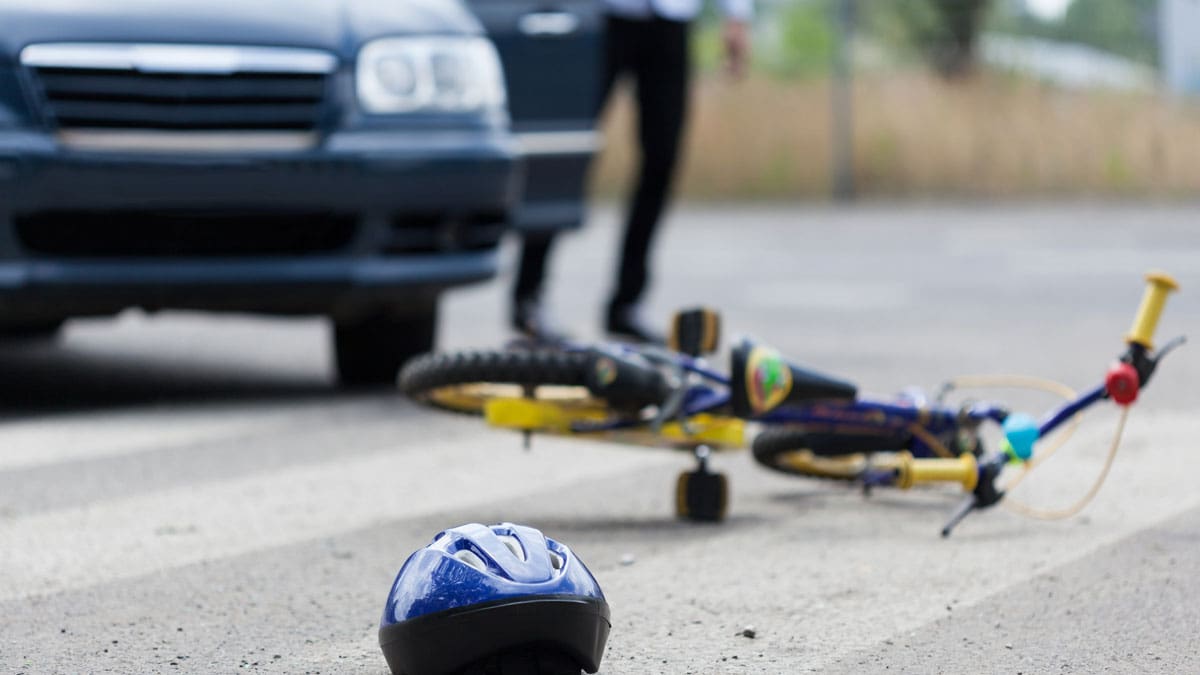
Why Neighborhood Streets Present Unique Risks
Residential streets often feel safer than they actually are. Several characteristics of neighborhood driving create the conditions for child pedestrian strikes:
- Lower posted speed limits that drivers often exceed because the road feels familiar
- Parked cars that block sight lines between drivers and children on sidewalks or driveways
- Long blocks without crosswalks where children cross between intersections
- Cul-de-sacs and quiet streets where drivers do not expect pedestrians
- Driveways, alleys, and backout situations where children playing nearby are not visible
- School zones with intermittent enforcement of reduced speed limits
- Construction zones, delivery vehicles, and rideshare drivers operating in residential areas
Children behave unpredictably around streets in ways that drivers must anticipate. They may chase a ball into the road, dart between parked cars, or step off a curb without checking traffic. The legal standard expected of drivers in residential areas reflects the reality that children are present and may not behave as adults would.
Click to contact our personal injury lawyers today
Common Injuries in Child Pedestrian Strikes
The size and developmental stage of a child changes the pattern of injuries seen in pedestrian strikes. Common injuries include:
- Traumatic brain injuries from impact with the vehicle, windshield, or pavement
- Skull fractures and facial trauma
- Spinal cord and neck injuries from the lateral force of an impact
- Pelvic, hip, and femur fractures from initial contact with the bumper at the level of the child’s torso or head
- Broken arms, wrists, and shoulders from bracing the fall
- Internal organ injuries that may not be immediately apparent
- Severe abrasions, lacerations, and road rash from the secondary impact with the pavement
Adult pedestrians are typically struck below the center of gravity, allowing the body to roll up and over the hood. Children are often struck directly in the torso or head, producing different injury patterns and often more severe initial trauma.

Complete a Free Case Evaluation form now
Who Can Be Held Liable
Liability for a child pedestrian strike depends on the facts of each incident. Potentially responsible parties include:
- The driver who struck the child
- The employer of the driver, when the driver was on the clock at the time of the crash
- A delivery, rideshare, or commercial vehicle operator
- A homeowner or property owner whose driveway, hedge, or fence created visibility issues
- A government entity responsible for inadequate signage, lighting, or crosswalk maintenance
- A school or after-school program if the child was in the program’s care at the time
Nevada law allows injured children, through a parent or guardian, to pursue claims against any party whose negligence contributed to the harm. Sorting out which parties bear responsibility and which insurance policies apply often requires detailed investigation by an experienced attorney.
How Children’s Injury Cases Differ From Adult Cases
Personal injury cases involving children are governed by special rules in Nevada. Key differences include:
- The statute of limitations is generally tolled until the child reaches age 18, providing additional time to bring a claim
- Settlements involving minors must usually be approved by a court before becoming final
- The court will often require that settlement funds be placed in a blocked account or structured settlement for the benefit of the child
- A parent, guardian, or court-appointed guardian ad litem typically represents the child in the legal proceedings
- Special procedures protect the child’s interests from any conflict with the parents’ financial situation
- Documentation of the child’s recovery becomes especially important because the case may proceed years after the incident
The tolling rule does not change the practical importance of acting quickly. Evidence disappears, witnesses move, and surveillance footage gets overwritten regardless of how much time the law technically allows. Acting promptly preserves the strongest possible case for the child.

Statute of Limitations Rules for Injured Children in Nevada
Under Nevada’s two-year statute of limitations for personal injury, an adult plaintiff typically has two years from the date of injury to file a lawsuit. NRS 11.250 tolls that two-year clock until a minor child reaches age 18. This means a child injured at age 10 may have until age 20 to file a claim, depending on the specific facts.
Cases involving government entities, including incidents on public roads or in publicly maintained areas, may involve shorter notice requirements that are not tolled for minors. These notice requirements can be as brief as six months. Families with any concern about government involvement should consult an attorney promptly to identify the applicable deadlines.
How Van Law Firm Can Help
Van Law Firm represents children and their families in cases involving pedestrian strikes and other roadway injuries throughout Nevada. The firm has handled cases involving neighborhood crashes, school zone incidents, delivery and rideshare vehicle strikes, and crashes near parks and playgrounds. Our attorneys understand the special procedural rules that apply to minor plaintiffs, the medical specialists who treat childhood injuries, and the long timeline of recovery that many of these cases involve.
Van Law Firm serves clients throughout Nevada, including Las Vegas, Henderson, Reno, and surrounding communities.
No Fees Unless You Win
Van Law Firm handles personal injury cases on a contingency fee basis. This means:
- There are no upfront costs to begin your case
- You pay no hourly fees during the representation
- Legal fees are only collected if compensation is recovered
- Consultations are free and confidential
Contact Van Law Firm Today
If your child was struck by a vehicle in a Nevada neighborhood, Van Law Firm is ready to evaluate the case and identify every party whose negligence may have contributed. Free consultations help families understand their legal options under Nevada law and the special protections that apply when an injured plaintiff is a minor.
No obligation consultations are always free.
Let Us Help You! Call Now: (725) 900-9000 Forklift Accidents & Lawsuits
Forklift incidents commonly occur in the workplace and can cause serious injuries or even death. There are around 20,000 workers in the United States who suffer from these injuries each year. In an ...
 Video Games: Innocent Fun or addictive menace?
If your child was seriously injured due to video game addiction, Van Law Firm Can Help Video Games are everywhere and there is hardly anyone who does not know what they are. More than 200 million pe...
 What You Need To Know About Filing A Suboxone Tooth Decay Lawsuit
Not all that long ago, opioid misuse was so rampant in the United States that experts classified it as a crisis. They say the trouble started back in the 1990s, when prescription opioid medications ...
 Your Rights as a Pedestrian in Las Vegas Crosswalk Accidents
Las Vegas is one of the busiest pedestrian cities in the country, with millions of residents and visitors crossing streets every day, especially along the Strip, in downtown areas, and near resident...