
Understanding Premises Liability for Apartment Complex Injuries in Nevada
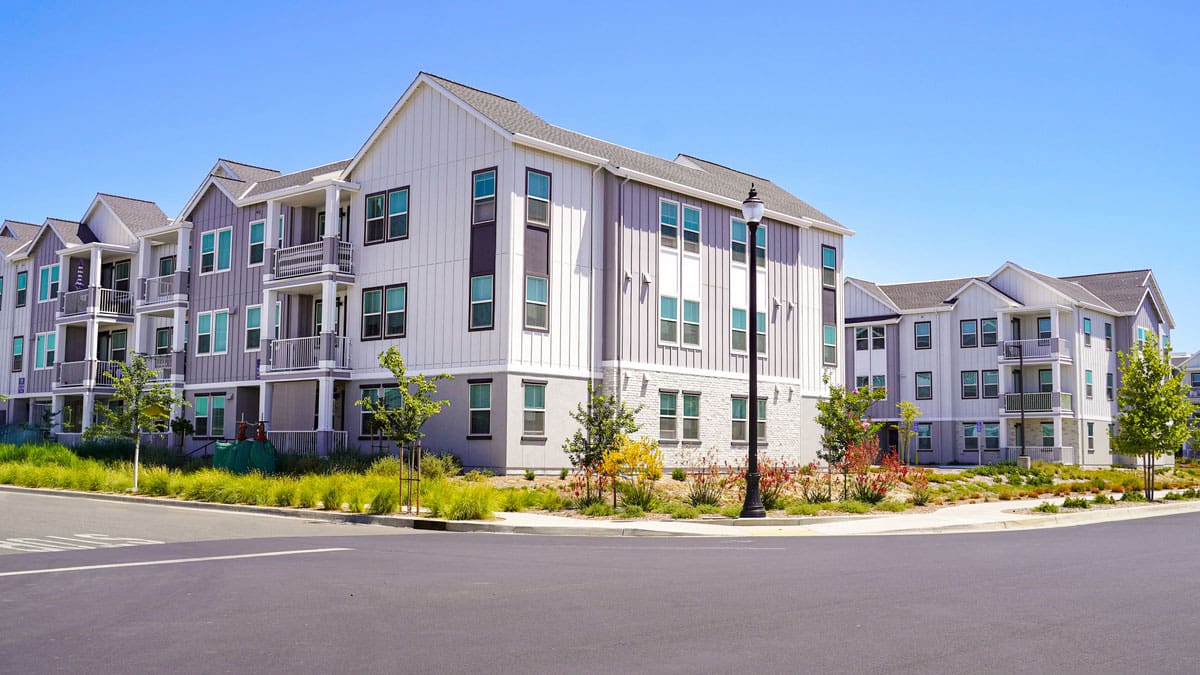
Apartment complexes across Nevada house hundreds of thousands of residents and receive constant visits from delivery drivers, guests, contractors, and prospective renters. When a resident or visitor is injured due to a hazardous condition on apartment property, the legal analysis differs in important ways from other premises liability contexts. Landlords owe specific duties under Nevada landlord-tenant law that extend beyond general property maintenance, and the residential nature of the relationship creates ongoing responsibilities that persist for the length of every tenancy.
Understanding how premises liability works at apartment complexes, what duties Nevada landlords owe to residents and their guests, and what steps to take after an injury is essential for any tenant or visitor who has been hurt on rental property.
Common Locations Where Apartment Complex Injuries Occur
Apartment complexes contain a wide range of common areas, each of which presents its own risks. Common locations for injuries include:
- Stairwells with loose handrails, worn treads, or inadequate lighting
- Walkways and sidewalks with cracked or uneven surfaces
- Parking lots and garages with potholes, poor lighting, or damaged pavement
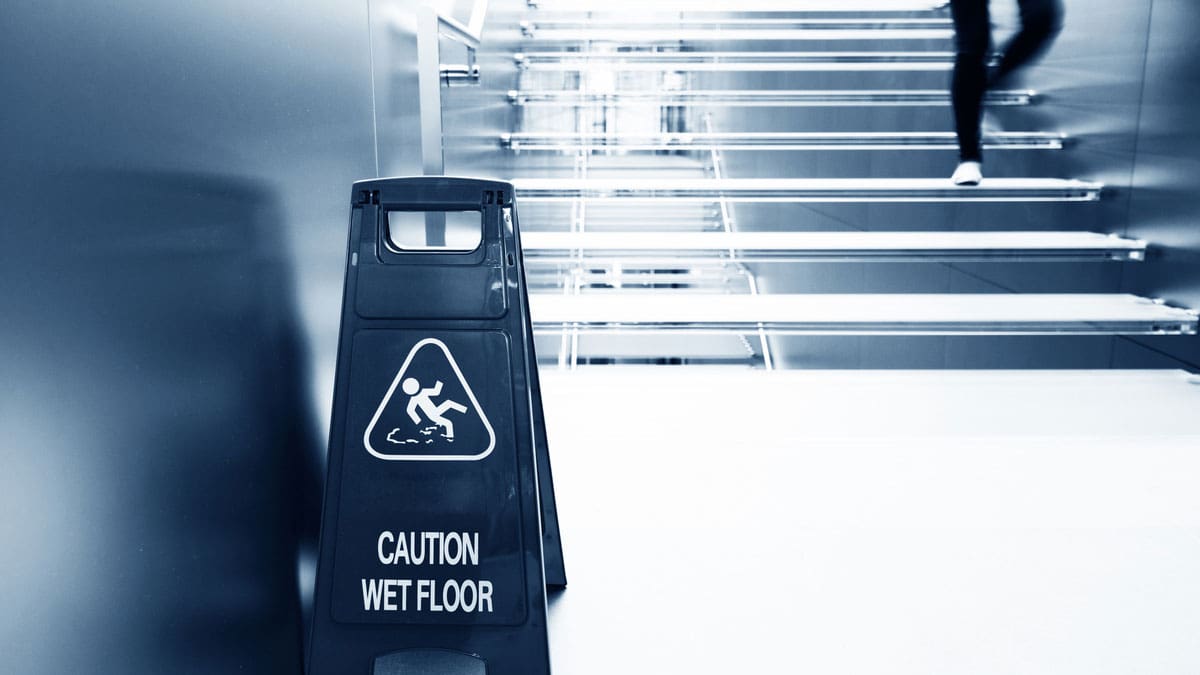
- Laundry rooms with wet floors, defective machines, or crowded conditions
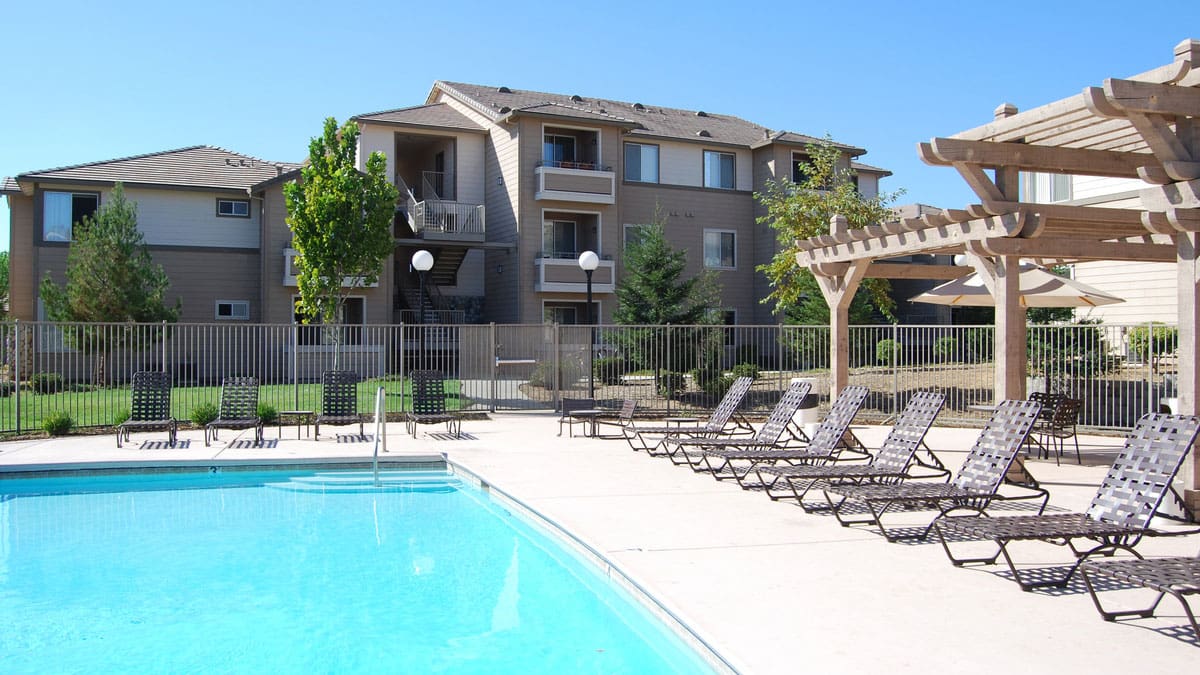
- Community pools, spas, and pool decks with slippery surfaces or absent lifeguards
- Fitness centers, gyms, and playgrounds with defective equipment or unsafe layouts
- Building entrances, mailrooms, and lobbies with broken flooring or unmarked steps
Individual apartment units also present hazards, from defective balcony railings and broken windows to malfunctioning water heaters and inadequate smoke detectors. When these hazards result from conditions the landlord was responsible for maintaining, the injured tenant may have a claim regardless of whether the injury occurred inside or outside the unit.
For a free legal consultation, call (725) 900-9000
Common Types of Injuries at Apartment Complexes
Injuries at apartment complexes tend to fall into recurring categories tied to the hazards common in residential rental properties. Common injuries include:
- Traumatic brain injuries and concussions from falls on stairs, walkways, and floors
- Spinal cord injuries from falls from balconies or down stairwells
- Broken hips, wrists, and ankles from slip and trip incidents
- Herniated discs and other back injuries from unexpected falls
- Burns from scalding water, malfunctioning heaters, or fire incidents
- Lacerations from broken windows, defective doors, or damaged fixtures
- Illnesses connected to mold, pest infestations, or unsanitary common areas
Injuries at multi-unit residential properties can also include those caused by the wrongful acts of third parties on the property. Assaults, robberies, and other criminal incidents in inadequately secured buildings can support premises liability claims when the landlord failed to maintain reasonable security measures.
The Landlord’s Duty of Care Under Nevada Law
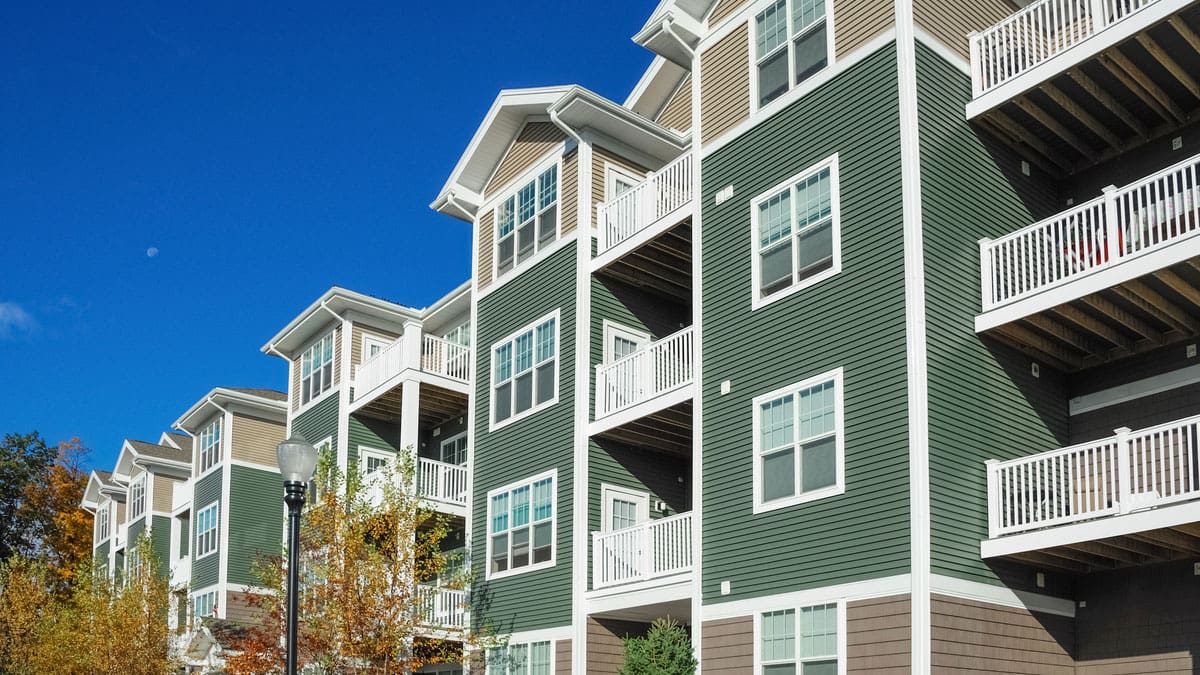
Nevada landlord-tenant law imposes specific duties on landlords under NRS Chapter 118A. The habitability requirement in NRS 118A.290 requires landlords to maintain the dwelling unit in a habitable condition throughout the tenancy. The statute lists specific standards the property must meet, including:
- Effective waterproofing and weather protection of the roof and exterior walls
- Plumbing facilities maintained in good working order
- A water supply capable of producing hot and cold running water
- Floors, walls, ceilings, stairways, and railings maintained in good repair
- Ventilating, air-conditioning, elevators, and similar facilities maintained in good repair
- Building, grounds, and appurtenances kept clean, sanitary, and reasonably free of debris, rodents, insects, and vermin
- Compliance with applicable building, housing, and health codes
Alongside these statutory duties, Nevada common law imposes a general duty of care on landlords to maintain premises reasonably safe for tenants and their invited guests. A landlord who breaches these duties, and whose breach causes injury, can be held responsible under a premises liability theory. A landlord has a duty to fix any hazards only if they know or should have known the hazards: it is important for tenants and guests to report any hazard to the landlord.
Click to contact our personal injury lawyers today
Who Can Be Held Liable for an Apartment Complex Injury
Multiple parties may share responsibility for an injury at an apartment complex. Potentially liable parties include:
- The landlord or property owner
- The property management company responsible for day-to-day operations
- A maintenance contractor who performed defective repair or inspection work
- A landscaping or snow removal contractor whose work created a hazard
- A homeowners’ association or condominium association for common area issues
- Another tenant whose negligent or intentional conduct caused the injury
- A security or patrol company retained by the property
Nevada law allows injured tenants and visitors to pursue claims against any party whose negligence contributed to the harm. Identifying every responsible party is one of the most important early tasks in these cases because different defendants often carry different insurance policies with different coverage limits.
Complete a Free Case Evaluation form now
Third-Party Criminal Acts and Inadequate Security
One of the most contested areas of apartment complex premises liability involves injuries caused by third parties, including assaults, robberies, and other criminal acts. Landlords typically are not held responsible for the unforeseeable criminal acts of strangers. Liability can attach in the following situations:
- Prior criminal activity on or near the property made further incidents foreseeable
- The landlord failed to maintain reasonable security measures such as functioning locks, adequate lighting, or working gates
- Security measures the landlord had promised or advertised were not actually provided
- The landlord ignored known dangerous conditions such as broken exterior lights or damaged perimeter fencing
Successful third-party criminal act claims typically require careful investigation of the property’s history, prior police reports, and the landlord’s actual security practices. Nevada courts examine the foreseeability of the specific type of harm and whether the landlord took reasonable steps in response to known risks.
What to Do After an Injury at an Apartment Complex
The steps taken in the hours and days after an injury on apartment property can shape the outcome of any future claim. Injured tenants and visitors should:
- Seek immediate medical evaluation, even when injuries appear minor at the scene
- Report the incident to the landlord or property management in writing
- Photograph the hazard, the surrounding area, lighting conditions, and any visible defects
- Identify and collect contact information from witnesses
- Preserve any communication with the landlord about the hazard before or after the incident
- Request that surveillance footage from common areas be preserved through written notice
- Consult a personal injury attorney before signing any release or accepting settlement offers
Documenting the scene is particularly important at apartment complexes because property managers often begin correcting the hazardous condition within hours of an incident being reported. A broken step is quickly repaired. A burned-out light is replaced. Photographs and measurements taken before that work begins may be the only objective record of what actually caused the injury.
Compensation Available After an Apartment Complex Injury
Injured tenants and visitors in Nevada may be eligible to recover compensation for a range of losses tied to an apartment complex injury. Damages typically pursued include:
- Emergency room treatment and ambulance transport
- Hospital bills, surgical costs, and inpatient care
- Diagnostic imaging such as CT scans, MRIs, and X-rays
- Follow-up care with orthopedic specialists, neurologists, and rehabilitation providers
- Prescription medications and durable medical equipment
- Physical therapy and occupational therapy
- Property damage and replacement of personal items lost or damaged in the incident
The total value of a claim depends on the severity of the injuries, the medical documentation available, the resources of the responsible parties, and the strength of the evidence connecting the hazardous condition to the harm.
Statute of Limitations in Nevada
Nevada law sets strict deadlines for filing personal injury claims. Under the state’s two-year statute of limitations, an injured tenant or visitor generally has two years from the date of the injury to file a lawsuit.
Claims involving children, government-owned housing, or specialized federal regulations may involve different procedural rules. Missing the applicable deadline can permanently bar recovery, regardless of how strong the underlying case may be.
How Van Law Firm Can Help
Van Law Firm represents tenants and visitors injured at apartment complexes throughout Nevada. The firm has handled cases involving stairwell falls, pool incidents, defective elevators, balcony collapses, security failures, and third-party assaults on rental property. Our attorneys work with safety engineers, security experts, and medical specialists to identify every party responsible and build strong claims that address both the landlord’s statutory duties and the common law duty of care owed to residents and their guests.
Van Law Firm serves clients throughout Nevada, including Las Vegas, Henderson, Reno, and surrounding communities.
No Fees Unless You Win
Van Law Firm handles personal injury cases on a contingency fee basis. This means:
- There are no upfront costs to begin your case
- You pay no hourly fees during the representation
- Legal fees are only collected if compensation is recovered
- Consultations are free and confidential
Contact Van Law Firm Today
If you or someone close to you has been injured at an apartment complex in Nevada, Van Law Firm is ready to evaluate the case and identify every party whose negligence may have contributed. Free consultations help injured tenants and visitors understand their legal options under Nevada law.
No obligation consultations are always free.
Let Us Help You! Call Now: (725) 900-9000 Forklift Accidents & Lawsuits
Forklift incidents commonly occur in the workplace and can cause serious injuries or even death. There are around 20,000 workers in the United States who suffer from these injuries each year. In an ...
 Video Games: Innocent Fun or addictive menace?
If your child was seriously injured due to video game addiction, Van Law Firm Can Help Video Games are everywhere and there is hardly anyone who does not know what they are. More than 200 million pe...
 What You Need To Know About Filing A Suboxone Tooth Decay Lawsuit
Not all that long ago, opioid misuse was so rampant in the United States that experts classified it as a crisis. They say the trouble started back in the 1990s, when prescription opioid medications ...
 Your Rights as a Pedestrian in Las Vegas Crosswalk Accidents
Las Vegas is one of the busiest pedestrian cities in the country, with millions of residents and visitors crossing streets every day, especially along the Strip, in downtown areas, and near resident...