
Can a Landlord Be Liable for Apartment Complex Injuries in Nevada?

The short answer is yes. Under Nevada law, landlords owe specific duties to tenants and their invited guests, and injuries caused by a landlord’s failure to meet those duties can support a personal injury claim. The longer answer involves a fact-specific analysis of who owed what duty, whether the duty was breached, whether the breach caused the injury, and whether any of the landlord’s typical defenses actually hold up.
Understanding when a landlord can be held responsible, when they cannot, and how landlords try to shift responsibility onto tenants or third parties is essential for anyone injured at a Nevada apartment complex.
The Short Answer: Landlords Are Often Liable, but Not Always
Landlord liability at Nevada apartment complexes falls into three general categories:
- Situations where the landlord is generally responsible under statutory duties or common-law premises liability
- Situations where responsibility is shared with other parties, including contractors, property managers, and third parties
- Situations where the landlord may not be liable because the harm was outside the landlord’s reasonable control
The correct category depends on the specific facts of the incident, the condition that caused the injury, and the landlord’s actual knowledge and conduct. Nevada courts examine each element carefully before assigning responsibility.
For a free legal consultation, call (725) 900-9000
Common Scenarios Where Landlords Are Liable
Nevada landlords are typically responsible for injuries caused by conditions the landlord created, knew about, or reasonably should have known about. Common examples include:
- Injuries caused by defects in common areas such as stairs, hallways, elevators, and walkways
- Falls caused by inadequate lighting in parking lots, stairwells, or exterior pathways
- Injuries from defective fixtures, appliances, or systems the landlord was responsible for maintaining
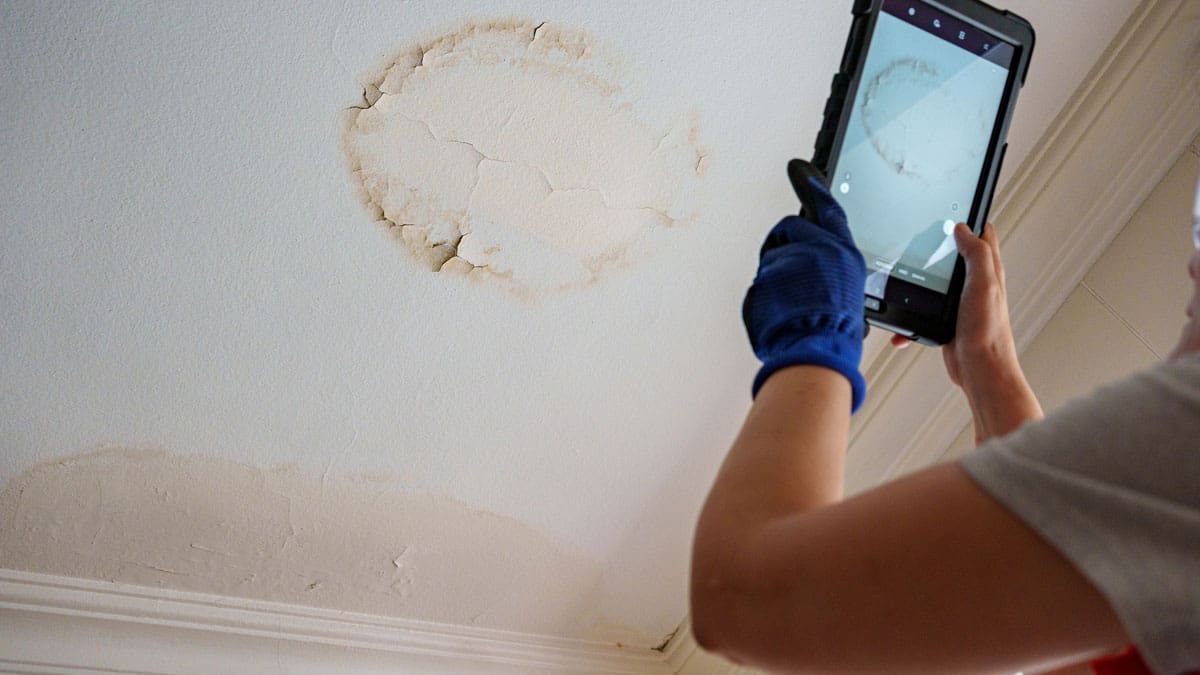
- Illnesses connected to habitability failures such as mold, pests, or contaminated water
- Third-party criminal acts that were reasonably foreseeable given the property’s history and security
- Injuries caused by broken locks, damaged doors, or malfunctioning access controls
- Injuries in dwelling units from conditions the landlord failed to repair after receiving notice
Each of these scenarios connects to a specific duty imposed by Nevada landlord-tenant law, common-law premises liability, or both. The duty is not abstract. Landlords must inspect their properties, respond to known hazards, and correct conditions that pose an unreasonable risk of harm.
Common Scenarios Where Landlords May Not Be Liable
Not every injury at an apartment complex creates landlord liability. Situations where responsibility may lie elsewhere include:
- Injuries caused entirely by the tenant’s own conduct or the conduct of someone the tenant invited
- Damage a tenant caused to their own unit and later injured themselves on
- Injuries from conditions the landlord had no reasonable opportunity to discover
- Sudden emergencies unrelated to any prior deficiency in the property
- Criminal acts that were not foreseeable and did not involve any known security lapse
- Injuries caused by another tenant’s conduct when the landlord had no notice or ability to prevent it
Even in these situations, careful investigation is important. Facts that first appear to eliminate landlord liability sometimes reveal prior notice, deferred maintenance, or other issues that change the analysis. An experienced attorney can often identify liability angles that were not obvious at the outset.
Click to contact our personal injury lawyers today
How Landlords Try to Avoid Liability
Landlords and their insurers use a range of tactics to defeat or reduce liability claims. Common approaches include:
- Pointing to lease provisions that appear to waive tenant claims for injuries
- Arguing that hazards were open and obvious to the injured party
- Claiming the tenant assumed the risk of a known dangerous condition
- Asserting that the injury was caused by an independent contractor rather than the landlord
- Denying knowledge of the hazardous condition before the incident
- Blaming third parties such as neighbors, guests, or trespassers
- Attempting to shift responsibility to a property management company
Many of these defenses have limits under Nevada law. Lease provisions cannot waive habitability requirements. Independent contractor arguments do not always shield a landlord who retained control over the work. Knowledge disputes can often be resolved through discovery of maintenance logs, work orders, and prior complaints. Understanding how to counter each defense is one of the most important tasks in an apartment complex injury case.
The strongest defense strategies typically develop early in a case. Insurance representatives and defense attorneys begin building the record within days of an incident, and the arguments they develop then are used throughout the case. Getting ahead of these defenses through prompt evidence preservation and early legal involvement is often decisive.

Complete a Free Case Evaluation form now
Nevada Statutes That Establish Landlord Duties
The core statutory framework for landlord duties in Nevada is found in NRS Chapter 118A. Within that chapter, NRS 118A.290 requires landlords to maintain rental units in a habitable condition and lists specific standards the property must meet, including floors, walls, ceilings, stairways, and railings maintained in good repair.
Landlords also owe a general common-law duty of care to tenants and their invited guests. This duty extends beyond the statutory habitability requirements and covers the broader obligation to maintain reasonably safe premises. When a landlord breaches either the statutory duties or the common-law duty of care, and the breach causes injury, a personal injury claim can follow.
What Injured Tenants and Visitors Have to Prove
To succeed on a landlord liability claim in Nevada, an injured party generally must show:
- The landlord owed a duty of care to the injured party
- The landlord breached that duty by act or omission
- The breach directly caused the injury
- The injury produced identifiable damages
Notice is often the central question in these cases. A landlord who received prior complaints about a broken step, a burned-out light, or a defective lock faces a very different case than a landlord who first learned about the condition when the injury was reported. Evidence of the landlord’s actual knowledge, and evidence of what the landlord should have known through reasonable inspection, both play important roles.

What to Do After an Injury at an Apartment Complex
The steps taken in the hours and days after an injury at an apartment complex can shape the outcome of any future claim. Injured tenants and visitors should:
- Seek immediate medical evaluation, even when injuries appear minor at the scene
- Report the incident to the landlord or property management in writing
- Photograph the hazard, the surrounding area, lighting conditions, and any visible defects
- Identify and collect contact information from witnesses
- Preserve any prior communication with the landlord about the hazard
- Request that surveillance footage from common areas be preserved through written notice
- Consult a personal injury attorney before signing any release or accepting settlement offers
Documenting the scene is especially important because property managers frequently begin correcting the hazardous condition within hours of an incident. Photographs and measurements taken before repairs begin may be the only objective record of what actually caused the injury.
Statute of Limitations in Nevada
Nevada law sets strict deadlines for filing personal injury claims. Under the state’s two-year statute of limitations, an injured tenant or visitor generally has two years from the date of the injury to file a lawsuit.
Claims involving children, government-owned housing, or specialized federal regulations may involve different procedural rules. Missing the applicable deadline can permanently bar recovery, regardless of how strong the underlying case may be.
How Van Law Firm Can Help
Van Law Firm represents tenants and visitors injured at apartment complexes throughout Nevada. The firm has handled cases involving stair and walkway falls, defective elevators, inadequate security, pest infestations, third-party assaults, and other conditions that landlords failed to address. Our attorneys work with safety engineers, security experts, and medical specialists to establish landlord liability, counter common defenses, and pursue the strongest possible recovery for our clients.
Van Law Firm serves clients throughout Nevada, including Las Vegas, Henderson, Reno, and surrounding communities.
No Fees Unless You Win
Van Law Firm handles personal injury cases on a contingency fee basis. This means:
- There are no upfront costs to begin your case
- You pay no hourly fees during the representation
- Legal fees are only collected if compensation is recovered
- Consultations are free and confidential
Contact Van Law Firm Today
If you or someone close to you has been injured at a Nevada apartment complex, Van Law Firm is ready to evaluate the case and explain whether landlord liability applies to the facts. Free consultations help injured tenants and visitors understand their rights and the next steps available under Nevada law.
No obligation consultations are always free.
Let Us Help You! Call Now: (725) 900-9000 Forklift Accidents & Lawsuits
Forklift incidents commonly occur in the workplace and can cause serious injuries or even death. There are around 20,000 workers in the United States who suffer from these injuries each year. In an ...
 Video Games: Innocent Fun or addictive menace?
If your child was seriously injured due to video game addiction, Van Law Firm Can Help Video Games are everywhere and there is hardly anyone who does not know what they are. More than 200 million pe...
 What You Need To Know About Filing A Suboxone Tooth Decay Lawsuit
Not all that long ago, opioid misuse was so rampant in the United States that experts classified it as a crisis. They say the trouble started back in the 1990s, when prescription opioid medications ...
 Your Rights as a Pedestrian in Las Vegas Crosswalk Accidents
Las Vegas is one of the busiest pedestrian cities in the country, with millions of residents and visitors crossing streets every day, especially along the Strip, in downtown areas, and near resident...