
Steps to Take After a Truck Accident in Nevada

A crash involving a commercial truck can be disorienting, especially given the size and force involved. What you need to do in the moments and days afterward is largely the same as what you’d do after any motor vehicle accident.
What to Do Right Now
1. Check for injuries and get to safety. If you’re able to move safely, get out of traffic. Turn on hazard lights. Your safety and the safety of others comes before anything else on this list.
2. Call 911, answer the dispatcher’s questions truthfully, and follow their advice. Report the accident regardless of how it looks, in Nevada, crashes involving injury, death, or significant property damage must be reported to law enforcement (NRS 484E.030). Answer whatever the dispatcher asks honestly, even if something seems minor, and let them guide you from there.
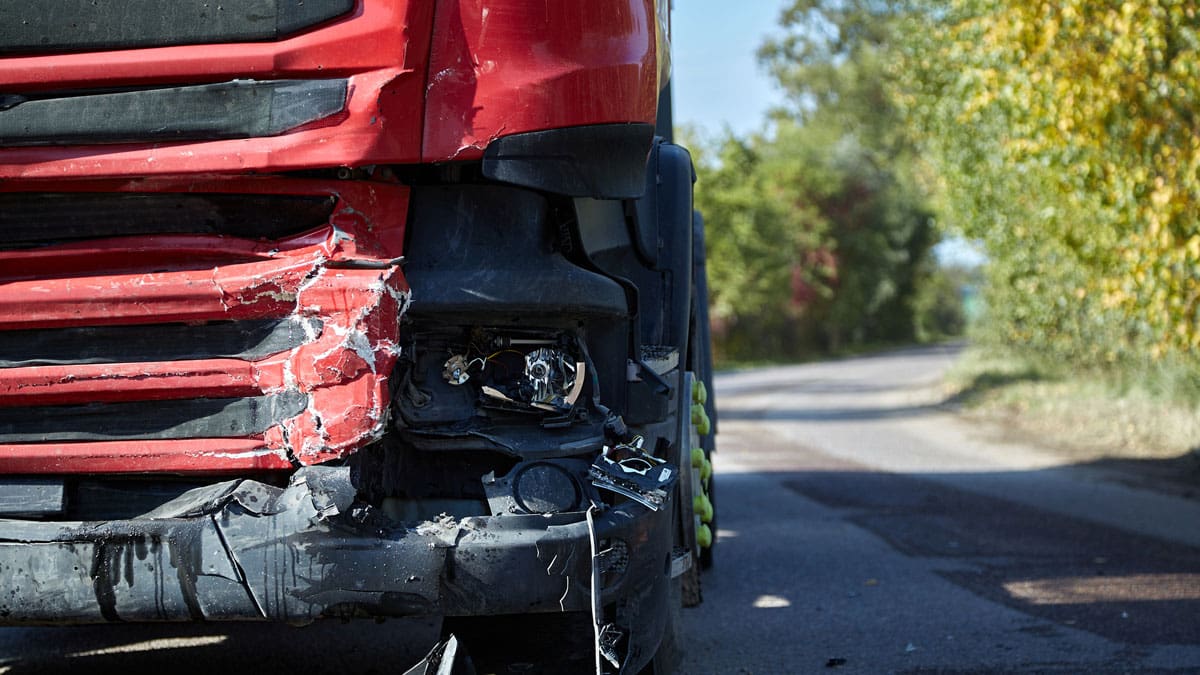
3. While you wait for the police to arrive, gather information if you’re feeling well enough to. Witnesses often leave before an officer arrives, and the scene itself changes as traffic moves through, so this is worth doing during the wait rather than after. If you’re not feeling well enough, skip ahead to step 6. Being evaluated matters more right now than photos.
For a free legal consultation, call (725) 900-9000
4. Document the scene. Photograph vehicle positions, damage, license plates, road conditions, and any visible injuries. If it’s safe to do so, take a short video as well. An insurance company isn’t going to take your word for what happened: your statement carries far more weight when it’s backed up by evidence that doesn’t depend on being believed.
5. Get the other driver’s information and ask for insurance and ownership paperwork. A company logo on the side of a truck doesn’t necessarily tell you who owns it or who’s responsible. Trucks are frequently owned or operated by a separate contracted carrier or independent owner-operator, not the company whose name is painted on the trailer. Ask for the driver’s license, the vehicle’s insurance card, and registration/ownership documents if the driver is willing and able to provide them. Getting this paperwork at the scene, if the driver is willing to share it, saves a step later — it points your claim at the company that’s actually financially responsible, rather than whichever name happened to be painted on the truck. If you’re unable to get this information from the driver, take a picture of the license plate instead if you have not already.
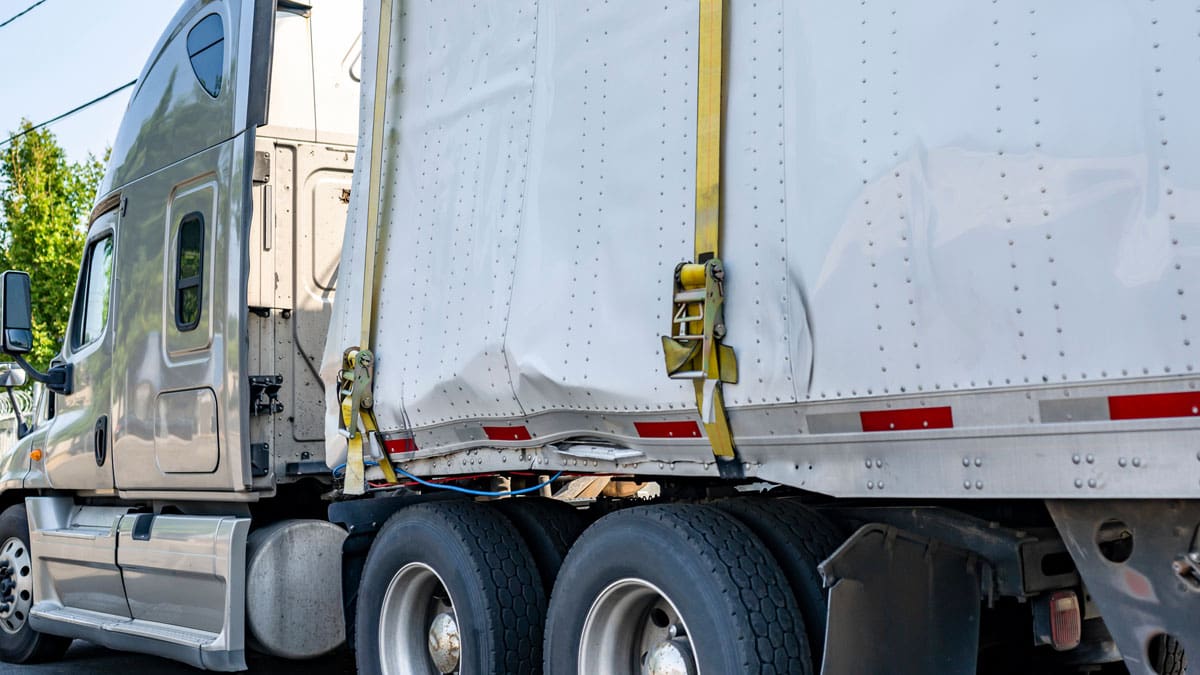
Get witness contact information, too. Independent witnesses can be difficult to track down later. If anyone stopped or saw what happened, get their name and phone number before they leave.
Click to contact our personal injury lawyers today
One thing to keep in mind the whole time you’re at the scene: be careful what you say. This isn’t a step so much as a standing caution to the officer, to the other driver, to anyone. Answer the officer’s questions honestly, but avoid speculating about fault or apologizing in a way that could be interpreted as an admission. Statements made in the immediate aftermath, when you may not yet know the full extent of your injuries, can follow you through the claims process.
Complete a Free Case Evaluation form now
6. Get medical attention whether that’s paramedics checking you out on scene, or a doctor once you’ve left. Don’t wave paramedics off just because you feel okay; let them check you out if they’re there. If no ambulance was sent, or you’re not sure, get to a doctor or urgent care once you leave, ideally the same day. Adrenaline can mask pain, and some injuries, soft tissue damage, concussions, internal injuries, don’t show symptoms right away. A prompt medical evaluation protects your health and creates a documented record tying your injuries to the accident. The responding officer will often ask if you need medical attention too, so if anything’s changed since your call to 911, that’s another chance to say so.

7. Notify your own insurance company once you’re home. Most policies require prompt notice of an accident. You can report that a crash occurred without giving a detailed recorded statement.
8. Keep records as things move forward. Save medical bills, discharge paperwork, repair estimates, and any documentation of missed work. This becomes the backbone of a claim later.
9. Call an attorney as soon as you can; don’t wait to see how things unfold. Evidence can be lost, and you may end up giving a recorded statement to the trucking company’s insurer before getting advice, even though you’re not required to. That insurer is often already building its defense. Getting legal advice costs nothing and protects you either way, so there’s little reason to put it off.
No obligation consultations are always free.
Let Us Help You! Call Now: (725) 900-9000 Truck Accident Laws and the Lawsuit Process
A distracted, tired, careless, and impaired truck driver can be a life-changing burden that will result in unforeseen consequences. Van Law has an immediate response team ready to visit the scene an...
 Driver Impairment in Trucking Accidents: A Dangerous Combination
Unfortunately, the abuse of alcohol and hard drugs has been a prevalent issue in the trucking industry for many years. The long, solitary hours and the pressure to log as many miles as possible lead...
 How the Graves Amendment Affects Moving Truck Cases
Every year, thousands and thousands of Americans hit the road in search of new environments and new opportunities. Some may choose to cram their sedans or load their pickups, while others opt for a ...
 The Dangers of Improper Semi-Truck Maintenance
When a heavily-loaded commercial truck collides with a smaller vehicle, serious or fatal injuries are almost inevitable. After a truck accident, you may be quick to pin the blame on driver error, bu...