
Signs and Symptoms of Whiplash Injury

The most common signs of whiplash are neck pain and stiffness, headaches at the base of the skull, reduced range of motion, and tenderness through the shoulders and upper back. Many people also notice symptoms that have nothing to do with the neck at all, including fatigue, dizziness, or trouble concentrating. A symptom list can point you in the right direction, but it can’t replace a medical exam. Only a doctor can confirm whether you have whiplash and how serious it is. Getting evaluated quickly matters for two reasons: it puts you on a path to recovery before minor strain turns into a lasting problem, and it creates the medical record that will matter later if you pursue compensation for your injury.
How Soon Do Symptoms Appear?
Whiplash doesn’t always announce itself right away. Some people feel pain immediately after a crash, while others feel fine at the scene and don’t notice stiffness or headaches until the next day or later. This delay is normal. The body’s adrenaline response can mask pain in the first few hours, but it’s also one of the more misunderstood parts of a whiplash injury, since a delayed onset doesn’t mean the injury is any less real.
For a free legal consultation, call (725) 900-9000
Common Signs and Symptoms
Whiplash symptoms generally fall into three groups.
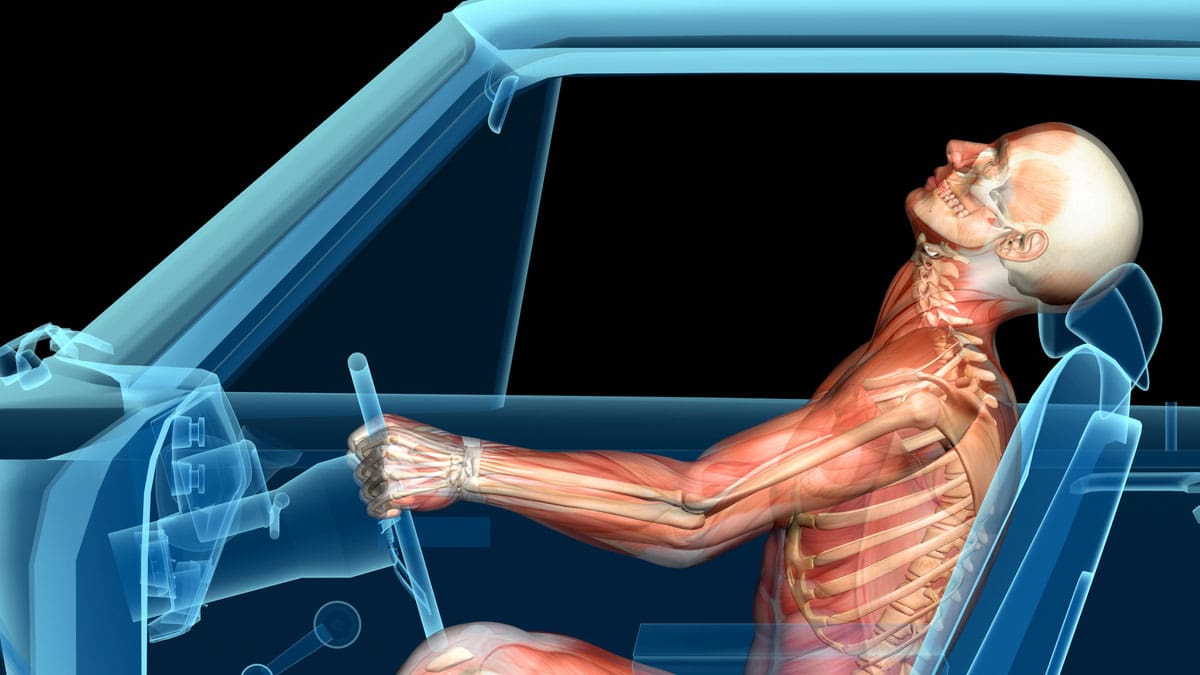
Physical symptoms are the most familiar:
- Neck pain and stiffness, often worse when turning or tilting the head
- Reduced range of motion in the neck
- Headaches, usually starting at the base of the skull
- Pain or tenderness in the shoulders, upper back, or arms
- Dizziness
- Fatigue
Neurological symptoms point to nerve involvement and are worth taking seriously:
- Tingling or numbness in the arms or hands
- Blurred vision
- Ringing in the ears

Cognitive and psychological symptoms are less commonly associated with whiplash but are well documented:
- Difficulty concentrating or remembering things
- Irritability or mood changes
- Sleep disturbances
Not everyone experiences every symptom, and the combination and severity vary from person to person. Some symptoms show up together; others surface days apart.
Warning Signs That Need Immediate Medical Attention
A smaller number of symptoms may signal something that needs to be checked immediately. Some of those symptoms are:
- Severe or rapidly worsening neck or back pain
- Weakness in the arms or legs
- Difficulty walking or maintaining balance
- Loss of bladder or bowel control
- Severe tenderness along the spine
- Trouble breathing or swallowing
- Significant or sudden changes in vision

These symptoms may mean something more serious is going on, but only a doctor can determine that. When in doubt, it’s always safer to be evaluated than to wait and see.
Click to contact our personal injury lawyers today
Why Documentation Matters for Your Claim
If your whiplash injury resulted from someone else’s negligence such as a rear end collision, the medical record you build in the days and weeks after the accident becomes central to your claim. Insurance companies routinely treat whiplash as a minor “soft tissue” injury, in part because it often doesn’t show up on X-rays. Adjusters look for reasons to minimize a claim, and a gap between the accident and your first medical visit, or inconsistent follow-up care, is exactly the kind of gap they’ll use.
Seeing a doctor promptly, following through on recommended treatment, and keeping track of how your symptoms affect daily life all help establish that the injury is real, ongoing, and connected to the accident. This matters not just for your recovery, but for building a claim that accurately reflects what you’re going through.
No obligation consultations are always free.
Let Us Help You! Call Now: (725) 900-9000 Forklift Accidents & Lawsuits
Forklift incidents commonly occur in the workplace and can cause serious injuries or even death. There are around 20,000 workers in the United States who suffer from these injuries each year. In an ...
 Video Games: Innocent Fun or addictive menace?
If your child was seriously injured due to video game addiction, Van Law Firm Can Help Video Games are everywhere and there is hardly anyone who does not know what they are. More than 200 million pe...
 What You Need To Know About Filing A Suboxone Tooth Decay Lawsuit
Not all that long ago, opioid misuse was so rampant in the United States that experts classified it as a crisis. They say the trouble started back in the 1990s, when prescription opioid medications ...
 Your Rights as a Pedestrian in Las Vegas Crosswalk Accidents
Las Vegas is one of the busiest pedestrian cities in the country, with millions of residents and visitors crossing streets every day, especially along the Strip, in downtown areas, and near resident...