
Proving Fault in Nevada Slip-and-Fall Injury Cases
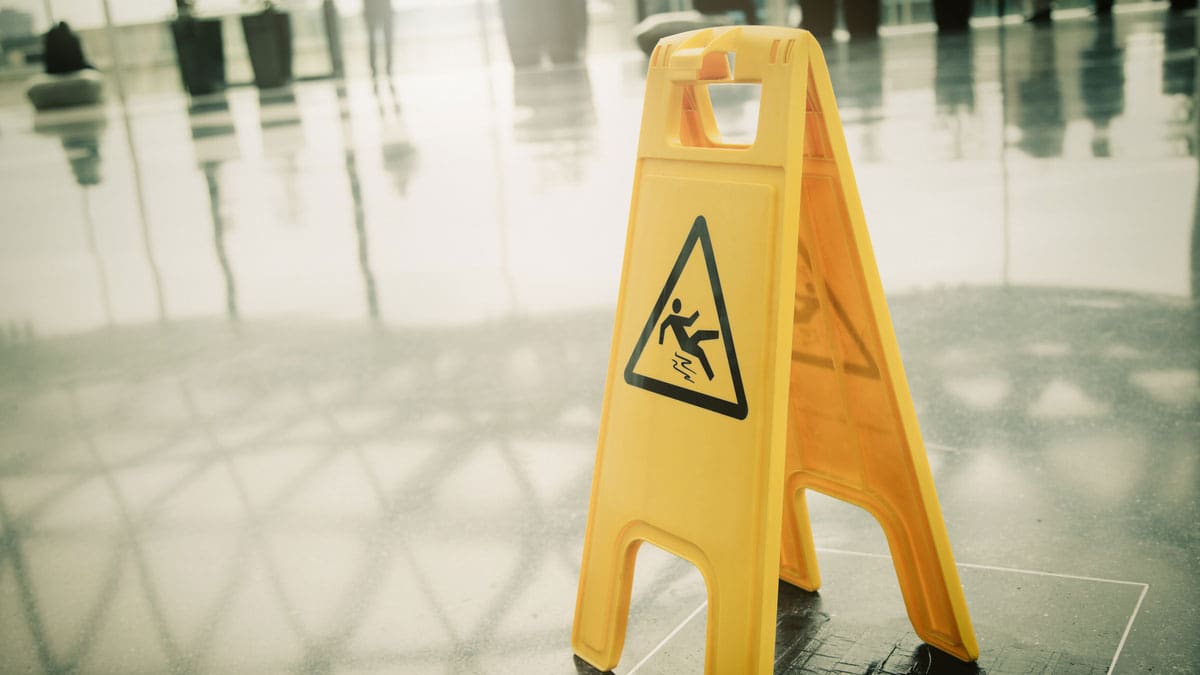
Slip-and-fall accidents happen every day in Nevada, from grocery stores and casinos to apartment complexes, office buildings, parking garages, and hotels. While some falls result in minor soreness, others lead to serious injuries such as fractures, traumatic brain injuries, spinal damage, and long-lasting mobility problems. Many people assume that if they fall on someone else’s property, the owner is automatically responsible. That is not how these cases work. A successful claim usually depends on proving fault through evidence that shows a dangerous condition existed and that reasonable steps were not taken to prevent harm.
Nevada slip-and-fall cases are often based on premises liability law. This area of law focuses on the duty property owners and occupiers have to maintain reasonably safe conditions for lawful visitors. Proving fault requires more than showing a fall occurred. It requires showing why it happened, who had responsibility for the property, whether the hazard should have been addressed, and how the unsafe condition caused injury.
What Must Be Proven in a Slip-and-Fall Case
Every injury case is different, but most slip-and-fall claims require evidence supporting several basic elements.
Important issues often include:
- A dangerous condition existed on the property
- The owner or responsible party knew or should have known about it
- Reasonable action was not taken to fix the hazard or warn visitors
- The hazard caused the fall
- The fall caused actual injuries and damages
Without evidence connecting these points, a claim can become much harder to prove.
For a free legal consultation, call (725) 900-9000
Common Dangerous Conditions That Cause Falls
Slip-and-fall hazards can take many forms. Some are temporary and develop suddenly, while others exist for long periods because of poor maintenance.

Common examples include:
- Wet floors without warning signs
- Spilled liquids in stores or restaurants
- Loose rugs or mats
- Broken stairs or handrails
- Uneven sidewalks or cracked walkways
- Poor lighting in hallways or parking areas
- Ice, water, or debris near entrances
- Torn carpeting
- Cords or obstacles in walkways
The type of hazard often influences what evidence is needed.
Actual Notice vs. Constructive Notice
One of the most important issues in many slip-and-fall claims is whether the property owner knew about the hazard.
There are two common ways this may be shown:
- Actual notice, meaning the owner or staff actually knew about the danger
- Constructive notice, meaning the condition existed long enough that it should have been discovered through reasonable inspection
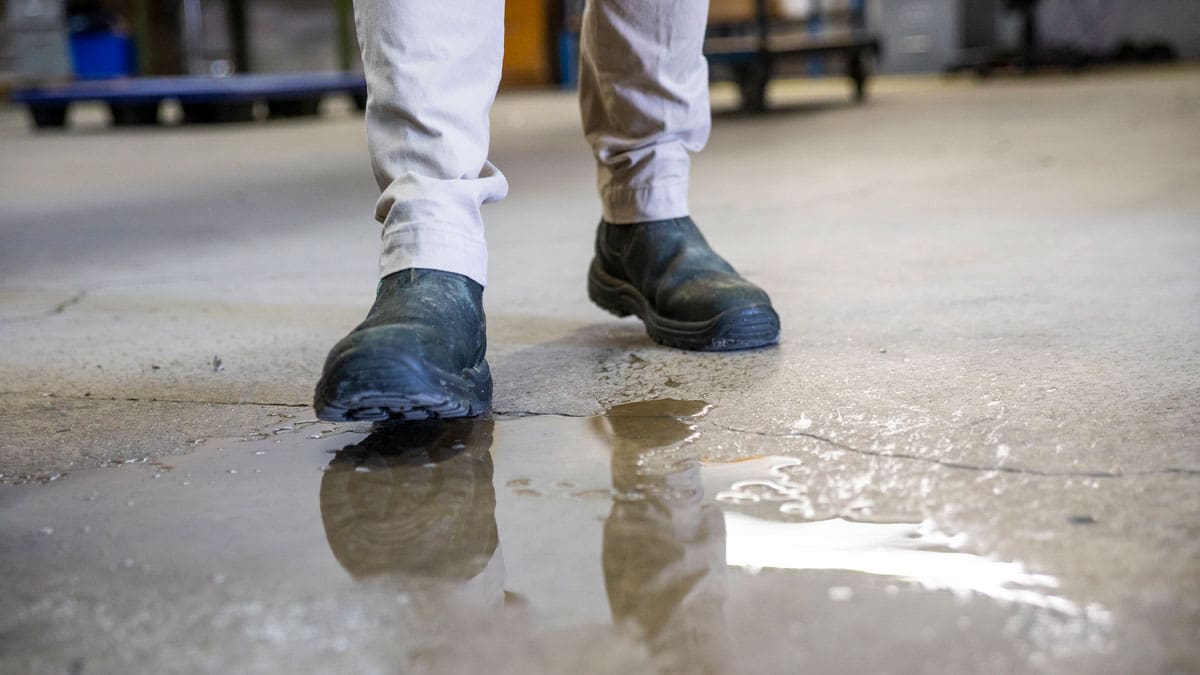
For example, if staff were told about a spill but ignored it, that may support actual notice. If a leaking freezer created water on the floor for an extended time, that may support constructive notice.
Click to contact our personal injury lawyers today
Evidence That Helps Prove Fault
Strong evidence often determines whether a slip-and-fall claim succeeds. Conditions may be cleaned up quickly after a fall, making early documentation especially important.
Useful evidence may include:
- Photographs of the hazard and surrounding area
- Surveillance footage
- Incident reports created by the business
- Witness statements
- Maintenance logs
- Cleaning schedules
- Prior complaints about the same hazard
- Employee statements
- Medical records showing injury timing and mechanism
The sooner evidence is preserved, the stronger a case may become.
Complete a Free Case Evaluation form now
Why Surveillance Video Can Be Critical
Many Nevada businesses, casinos, hotels, and retail stores use security cameras. Video footage may capture how long a hazard existed, whether employees walked past it, and how the fall occurred.
Video may help show:
- The condition before the fall
- Whether warning signs were present
- How long the spill or hazard remained
- Whether the injured person was acting reasonably
- The force and mechanism of the fall
Because some systems overwrite footage quickly, prompt requests to preserve evidence can be important.
How the Injuries Must Be Connected to the Fall
Even if a dangerous condition existed, a claim also requires proof that the fall caused actual injury. Insurance companies often challenge this point, especially when someone has prior medical issues.
Helpful medical evidence may include:
- Emergency or urgent care records shortly after the fall
- Imaging studies such as X-rays or MRIs
- Physician findings linking symptoms to trauma
- Therapy records documenting functional limitations
- Consistent reports of symptoms over time
Common slip-and-fall injuries include fractures, herniated discs, concussions, knee injuries, wrist injuries, and shoulder damage.

Common Defenses in Slip-and-Fall Cases
Property owners and insurers often dispute these claims. Common arguments include:
- The hazard was open and obvious
- The dangerous condition did not exist
- There was not enough time to discover it
- The injured person was not paying attention
- The injuries were pre-existing
- The fall happened differently than claimed
Because these defenses are common, detailed evidence matters.
Liability and Legal Responsibility in Nevada
Nevada follows an at-fault system, meaning a party whose negligence causes injury may be responsible for resulting damages.
Depending on the facts, responsible parties may include:
- Property owners
- Tenants operating businesses
- Property management companies
- Maintenance contractors
- Cleaning companies
- Government entities in some public property cases
Determining the correct defendant often requires investigation into control of the premises.
How Van Law Firm Can Help
Slip-and-fall claims are often won or lost based on evidence gathered early and presented clearly. Van Law Firm works with injured individuals throughout Nevada to investigate unsafe property conditions, preserve critical evidence, identify responsible parties, and pursue compensation based on the facts of each case.
The firm focuses on building claims supported by surveillance evidence, witness statements, medical documentation, and detailed liability analysis. Understanding how fault is proven in Nevada slip-and-fall injury cases can help injured individuals protect their rights and pursue accountability under state law.
No obligation consultations are always free.
Let Us Help You! Call Now: (725) 900-9000 Who Pays Your Medical Bills After a Slip and Fall?
There are three basic forms of insurance that provide coverage after a slip and fall: (1) the injured party’s private insurance (usually through an employer); (2) the commercial liability policy of ...
 DID YOU SLIP AND FALL AT THE HAUNTED HOUSE?
Haunted Houses are often the site of slip and fall injuries. Haunted Houses frighten people using a combination of scare tactics, rides, and props which can combine into a dangerous mixture which re...
 What Elements Do You Need to Prove in a Slip and Fall Case?
Out of all the accidents we see on a regular basis, slips and falls are perhaps the most unpredictable, and because of this, they can be some of the most damaging. Floor hazards such as uneven or we...
 Who Is Liable for Dangerous Staircase Falls?
Staircases are part of everyday life. From apartment complexes and office buildings to casinos, parking garages, and hotels, stairs are nearly everywhere. When they are built or maintained improperl...