
Pool and Water-Related Injuries at Nevada Hotels and Resorts
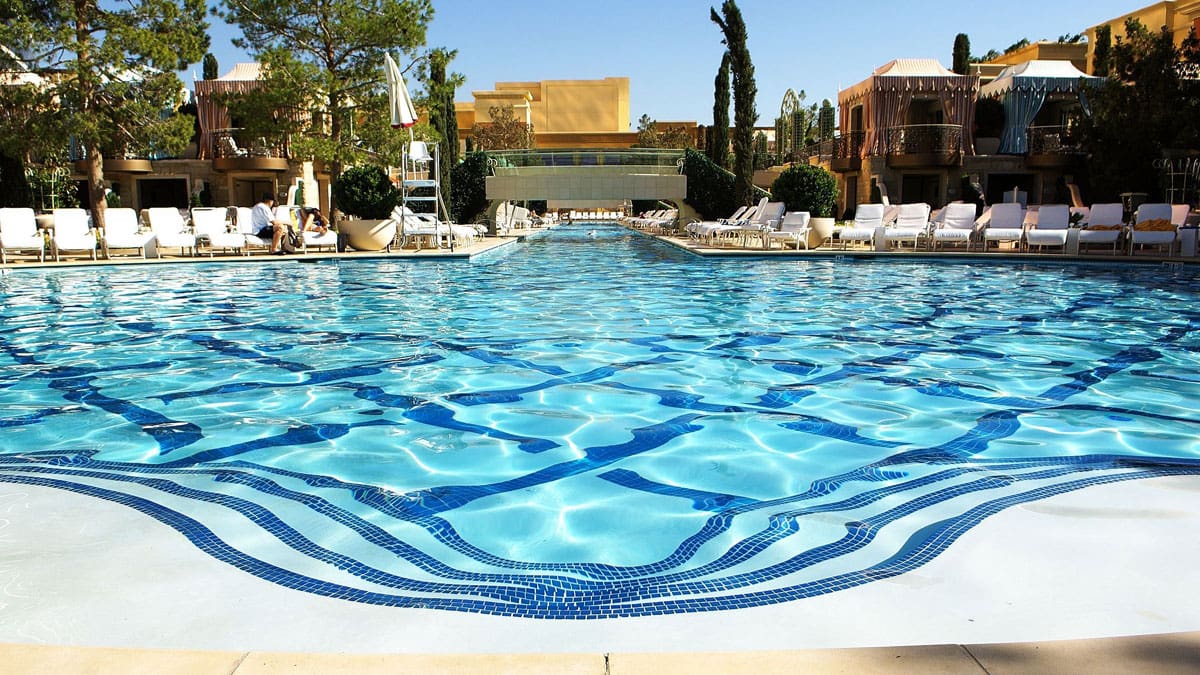
Nevada is home to some of the most heavily used resort pool complexes in the country. Properties along the Las Vegas Strip, the Lake Tahoe shoreline, and the Henderson and Reno hotel zones operate pools, lazy rivers, splash pads, hot tubs, and waterpark features that draw millions of guests every year. Behind the appeal of these amenities is a serious safety responsibility. When a pool feature is poorly designed, inadequately staffed, or improperly maintained, the consequences for guests can be severe.
Water-related injuries at hotels and resorts can range from a single slip on a wet deck to a near-fatal drain entrapment in a hot tub. Understanding what causes these incidents, what safety standards apply, and what legal options exist for injured guests is essential for anyone seeking to recover after a pool injury in Nevada.
Common Pool and Water Hazards at Nevada Properties
Resort pools combine large numbers of swimmers, complex mechanical systems, and a wide range of design features that can introduce risk. Frequent hazards include:
- Unsupervised pool areas without lifeguards or with poorly trained staff
- Missing, damaged, or noncompliant drain covers in pools, hot tubs, and spas
- Slippery decks made of polished tile, painted concrete, or worn surfaces
- Defective or absent pool fencing and self-closing gates
- Inadequate depth markings, missing diving warnings, or unsafe diving boards
- Improper chemical balance leading to skin, eye, and respiratory irritation
- Water features such as slides, lazy rivers, and wave pools with mechanical defects
Many of these hazards exist out of view of guests until an injury occurs. A drain cover may look intact while failing to meet current safety standards. A spa may circulate water at unsafe temperatures despite a working thermostat. Pool chemistry can shift quickly when systems are not monitored properly. Broken glass and discarded bottles around pool decks can also cause significant injuries to guests walking barefoot.
For a free legal consultation, call (725) 900-9000
Types of Pool-Related Injuries
Injuries at resort pools and water features tend to fall into several recurring categories. Common examples include:
- Drowning and near-drowning, both of which can occur silently and within minutes
- Anoxic brain injury caused by oxygen deprivation during a near-drowning event
- Drain entrapment injuries involving hair, limbs, or torso suction
- Spinal cord injuries from diving into shallow water
- Concussions, skull fractures, and broken bones from falls on wet pool decks
- Lacerations from broken glass, exposed metal, or damaged tile
- Burns, respiratory irritation, and hyperthermia from chemical exposure or extended hot tub use
The Centers for Disease Control and Prevention reports that nonfatal drowning incidents can produce lasting brain damage, long-term disability, and extended hospital stays, particularly for children. Injuries that initially appear minor at the scene can develop into serious medical conditions in the hours that follow.
Federal and State Pool Safety Standards
Resort pools in Nevada are subject to overlapping federal and state requirements. The federal Virginia Graeme Baker Pool and Spa Safety Act sets mandatory standards for drain covers in public pools and spas, including those operated by hotels and resorts. The law was passed in response to fatal entrapment incidents and requires anti-entrapment drain covers in all public installations, with secondary backup systems in some configurations.
Nevada also imposes its own requirements on aquatic facilities, including chemical balance monitoring, signage, depth markings, fencing, and emergency equipment. County health districts in Clark and Washoe counties enforce many of these standards through routine inspections and complaint investigations. Violations of these standards can serve as important evidence in a pool injury claim.

Click to contact our personal injury lawyers today
Who Can Be Held Responsible for a Pool Injury
Multiple parties may share responsibility when a guest is injured at a hotel or resort pool. Potentially liable parties include:
- The hotel, resort, or property owner that operates the pool area
- A property management company responsible for day-to-day operations
- A third-party pool maintenance or cleaning contractor
- A lifeguard staffing company that failed to provide trained personnel
- A manufacturer of defective drain covers, slides, diving boards, or related equipment
- A repair contractor that performed faulty work on pool systems
Nevada law allows injured guests to pursue claims against any party whose negligence contributed to the harm. Under NRS 651.015, hotels can also be held responsible for foreseeable injuries caused by third parties when the owner failed to exercise due care for the safety of guests, which can apply when intoxicated visitors, assaults, or other foreseeable risks occur near pool areas.
Complete a Free Case Evaluation form now
What to Do After a Pool Injury at a Hotel or Resort
The steps taken immediately after a pool injury can significantly affect any future claim. Injured guests should:
- Request emergency medical evaluation, even if injuries appear minor at the scene
- Report the incident to hotel management and request a written incident report
- Photograph the pool area, drain covers, deck surface, warning signs, and any visible defects
- Identify witnesses and collect their contact information before they leave the property
- Preserve clothing, swimwear, and personal items in their post-incident condition
- Avoid giving recorded statements to hotel risk management without legal guidance
- Consult a personal injury attorney before signing any release or accepting settlement offers
Resort properties often have sophisticated risk management teams that begin building a defense within hours of an incident. Surveillance footage may be overwritten quickly, and physical conditions can be repaired or replaced before they are documented. Acting promptly to preserve evidence is critical.
Statute of Limitations in Nevada
Nevada law sets strict deadlines for filing personal injury claims. Under the state’s two-year statute of limitations, an injured guest generally has two years from the date of the incident to file a lawsuit.
Claims involving children, government-owned facilities, or out-of-state corporate defendants can involve different procedural rules. Missing the applicable deadline can permanently bar recovery, regardless of the strength of the underlying case.
How Van Law Firm Can Help
Van Law Firm represents guests injured at Nevada hotels, resorts, and aquatic facilities. The firm has handled cases involving drowning and near-drowning, drain entrapment, defective pool equipment, inadequate supervision, and unsafe deck conditions. Our attorneys work with aquatic safety experts, medical specialists, and accident reconstructionists to identify every party responsible for a pool incident and build a strong case for our clients.
Van Law Firm serves clients throughout Nevada, including Las Vegas, Henderson, Reno, and surrounding communities.
No Fees Unless You Win
Van Law Firm handles personal injury cases on a contingency fee basis. This means:
- There are no upfront costs to begin your case
- You pay no hourly fees during the representation
- Legal fees are only collected if compensation is recovered
- Consultations are free and confidential
Contact Van Law Firm Today
If you or someone close to you has been injured at a Nevada hotel or resort pool, Van Law Firm is ready to evaluate your case and explain the options available. Free consultations help injured guests understand their rights and the next steps available under Nevada law.
No obligation consultations are always free.
Let Us Help You! Call Now: (725) 900-9000 INSTALLATION OF POSITIVE TRAIN CONTROL TECHNOLOGY
Railroads are required to install positive train control technology but a report by the FRA shows that while some railroads have made significant progress, many freight and commuter railroads are no...
 KIDS WITH GUNS: WHO IS LIABLE?
Gun owners may be liable for the injuries and deaths that are caused when kids accidentally shoot someone. Of the 265 kid-with-gun shootings reported in 2015, 83 resulted in a death. Forty-one young...
 CUMULATIVE TRAUMA ON THE TRACKS
Cumulative trauma injuries accumulate over time and often result in severe injuries for railroad workers. Railroad workers operate in hostile environments where life-changing accidents are common, b...
 E-SCOOTER DANGERS: THE COST OF CONVENIENCE
E-scooters are becoming increasingly popular across the United States and riders need to be aware of the dangers involved. These motorized vehicles are a top transportation choice among commuters in...