
Types of Car Accidents and How They Influence Injury Claims
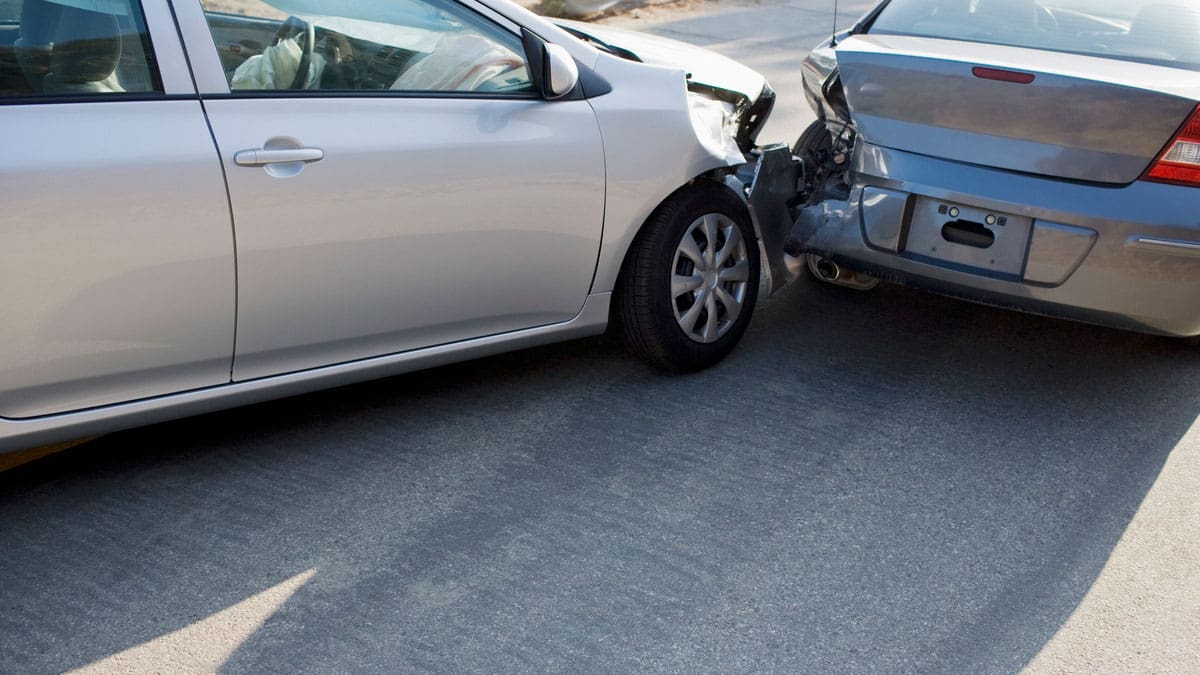
Car accidents happen in many different ways, and the type of collision often has a direct impact on injuries, liability disputes, and the overall value of an injury claim. In Nevada, crashes occur on busy city streets, highways, neighborhood roads, parking lots, and rural routes. A rear-end collision may cause soft tissue injuries, while a high-speed side-impact crash can lead to fractures, internal injuries, or traumatic brain injuries. Because no two accidents are exactly alike, the details of how a crash happened matter when evaluating a personal injury case.
The type of accident can influence how fault is determined, what evidence is most important, the severity of medical treatment required, and how insurance companies evaluate damages. Understanding the most common types of car accidents and how they affect injury claims can help injured individuals protect their rights after a crash in Nevada.
Why the Type of Crash Matters in an Injury Claim
The mechanics of a collision often explain why certain injuries occurred and who may be legally responsible. The direction of impact, speed of vehicles, point of contact, and surrounding traffic conditions can all shape a claim.
Crash type may influence:
- The seriousness of injuries
- Whether liability is clear or disputed
- The amount of vehicle damage
- The likelihood of multiple parties being involved
- The type of expert analysis needed
- The overall value of the claim
Insurance companies often study crash dynamics closely when reviewing claims.
For a free legal consultation, call (725) 900-9000
Rear-End Collisions
Rear-end accidents are among the most common crashes in Nevada. They often happen in traffic congestion, at stoplights, or when a driver follows too closely.
Common causes include:
- Distracted driving
- Tailgating
- Speeding
- Sudden traffic slowdowns
- Failure to brake in time
Common injuries include:
- Whiplash
- Neck strain
- Back injuries
- Concussions
- Shoulder injuries from seatbelt restraint
In many rear-end crashes, the trailing driver is often considered responsible, though each case depends on the facts.
T-Bone or Side-Impact Collisions
Side-impact crashes frequently occur at intersections when one driver fails to yield or runs a traffic signal. Because the side of a vehicle has less structural protection than the front or rear, injuries can be severe.

Common injuries include:
- Rib fractures
- Pelvic injuries
- Head trauma
- Internal injuries
- Shoulder and arm fractures
These cases often depend heavily on traffic light timing, witness testimony, and intersection evidence.
Click to contact our personal injury lawyers today
Head-On Collisions
Head-on crashes are among the most serious types of accidents because the combined force of impact can be extreme. These accidents may happen on rural highways, wrong-way roadway entries, or roads involving impaired driving.
Common causes include:
- Crossing the center line
- Distracted driving
- Fatigue
- Driving under the influence
- Unsafe passing maneuvers
Common injuries include:
- Traumatic brain injuries
- Spinal injuries
- Multiple fractures
- Internal bleeding
- Catastrophic trauma
Claims involving head-on crashes often involve substantial damages due to injury severity.
Complete a Free Case Evaluation form now
Sideswipe Accidents
Sideswipe collisions occur when the side of one vehicle strikes the side of another. They are common during lane changes and merging situations.
Common causes include:
- Failure to check blind spots
- Distracted driving
- Unsafe lane changes
- Drifting between lanes
- Speed differences between vehicles
Although some sideswipes cause minor damage, others can force a vehicle into barriers, medians, or other traffic, creating serious secondary collisions.
Multi-Vehicle Accidents
Chain-reaction crashes involving several vehicles are common on Nevada highways and congested urban roads. Determining fault in these cases can be complicated because several impacts may occur in sequence.
Important claim issues include:
- Multiple insurance carriers
- Several potentially liable drivers
- Conflicting witness accounts
- Different injuries from separate impacts
- Complex accident reconstruction needs
These claims often require detailed investigation to determine each party’s role.
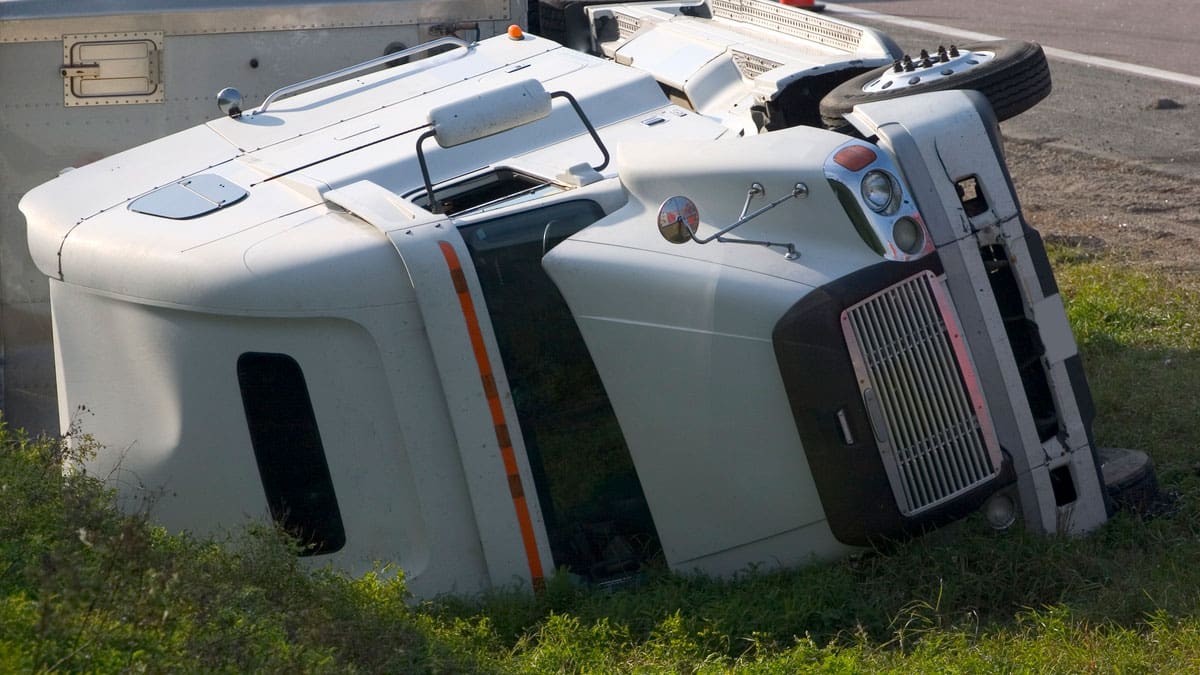
Rollover Accidents
Rollovers may involve SUVs, trucks, vans, or vehicles that are struck in a way that causes loss of stability. They can also happen when a vehicle leaves the roadway.
Common injuries include:
- Head trauma
- Spinal cord injuries
- Crush injuries
- Ejection-related injuries
- Severe fractures
Rollovers sometimes involve product defect questions related to vehicle design or roof integrity.
Single-Vehicle Accidents
Not every injury claim involves two vehicles. A single-vehicle crash may still involve negligence by another party.
Possible causes include:
- Road hazards or poor maintenance
- Defective tires or vehicle components
- Another driver forcing evasive action
- Unsafe construction zones
- Missing traffic signs or barriers
A driver may initially appear solely responsible until further investigation reveals outside causes.
Parking Lot and Low-Speed Accidents
Low-speed collisions can still produce real injuries, especially to the neck, back, or head. These accidents often happen in parking lots or private property areas.
Common issues include:
- Backing accidents
- Pedestrian strikes
- Failure to yield in traffic lanes
- Limited visibility between parked cars
Even with modest vehicle damage, injury claims may still be valid when medical evidence supports harm.
How Crash Type Influences Liability
Different accident types create different presumptions and evidence needs.
Examples include:
- Rear-end collisions often focus on following distance and reaction time
- Left-turn crashes often focus on right-of-way
- Side-impact crashes often focus on signal control and yielding
- Multi-vehicle crashes often require reconstruction
- Single-vehicle crashes may require road or product investigations
Nevada follows an at-fault system, meaning the party responsible for causing the crash may also be responsible for resulting damages.
How Crash Type Influences Injuries and Claim Value
The type of collision can directly affect medical severity and recovery time. Higher-force crashes often lead to more extensive treatment, while lower-speed crashes may still cause persistent soft tissue injuries.
Claim value may be influenced by:
- Emergency treatment needs
- Diagnostic imaging findings
- Length of recovery
- Ongoing pain symptoms
- Impact on work and daily life
- Vehicle damage consistent with injury mechanisms
Each claim depends on evidence, not assumptions based only on crash labels.
Important Evidence After Any Car Accident
Regardless of crash type, preserving evidence is essential.
Important evidence may include:
- Police reports
- Photos of vehicle damage and scene conditions
- Witness information
- Dashcam or surveillance footage
- Medical records
- Repair estimates
- Traffic signal or roadway data
Early documentation can significantly strengthen a claim.
How Van Law Firm Can Help
Car accident claims often depend on understanding how the crash occurred and how that mechanism caused injury. Van Law Firm works with injured individuals across Nevada to investigate collisions, gather evidence, and pursue compensation based on the specific facts of each case.
The firm evaluates liability issues, medical documentation, and the unique challenges created by different crash types. Understanding the types of car accidents and how they influence injury claims can help injured individuals protect their rights and pursue compensation.
No obligation consultations are always free.
Let Us Help You! Call Now: (725) 900-9000 DEALING WITH INSURANCE COMPANIES IN A PERSONAL INJURY ACCIDENT
Dealing with insurance companies can be the most frustrating part of handling a personal injury claim. Whether your claim comes from a car accident, medical malpractice, workman’s comp, or dog bite ...
 FRIENDS DON’T LET FRIENDS TEXT AND DRIVE
Texting and hand-held cell phone use is illegal in Nevada.The National Highway Traffic Safety Administration (NHTSA) reported that in 2014, distracted drivers caused thousands of accidents across th...
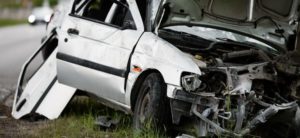 “MINOR” CAR ACCIDENTS ARE SERIOUS
“Minor” car accidents, perhaps caused by inattention or carelessness, can still cause a great deal of pain and suffering. According to the National Highway Traffic Administration, over 2 million peo...
 LAS VEGAS RANKS LOW FOR DRIVER SAFETY
Recently, Las Vegas ranked 144 out of 200 cities in the United States for driver safety. The recent report reveals that drivers in Las Vegas have a car accident every eight years and are an astoundi...