
Why Rear-End Crashes Cause Lasting Neck Injuries

Experiencing a motor vehicle accident is a deeply unsettling event that can disrupt your entire life. Even if the impact seemed minor at the time, the physical trauma inflicted on your body can have profound and lasting consequences. Many victims walk away from a crash feeling relatively fine, only to experience debilitating pain days or weeks later.
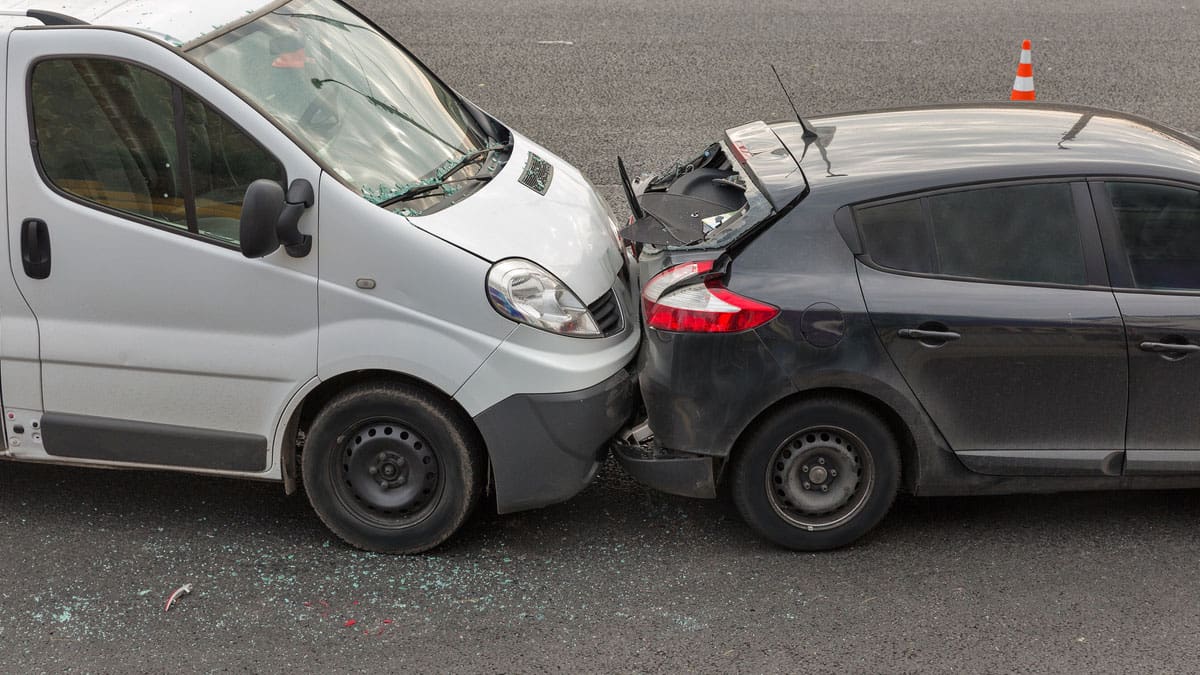
Medical research highlights a striking reality about these specific crashes. According to clinical studies, approximately 85% of neck injuries caused by car accidents are the direct result of rear-end collisions. The forces involved in these impacts are uniquely positioned to damage the delicate structures of the cervical spine.
Our commitment to supporting accident victims drives us to provide clear, reliable information about your health and recovery. Understanding the science behind your pain is often the first step toward effective treatment. This guide explains the complex biomechanics of rear-end collisions, the reasons behind delayed symptoms, and the long-term impacts of common neck injuries.
The Biomechanics of a Rear-End Collision
When a vehicle is struck from behind, the sudden acceleration transfers immense energy directly to the occupants. The human body is simply not designed to withstand these rapid, violent forces. To understand why your neck is so vulnerable, it helps to examine the specific phases of movement that occur within milliseconds of a crash.
The Invisible S-Curve Phase
During the initial stages of a rear-end collision, the torso is pushed forward by the seatback while the head remains momentarily stationary due to inertia. This causes the cervical spine to experience a horizontal shear or retraction.
Medical experts refer to this as the “S-curve” phase. The neck is forced into an unnatural S-shaped curvature, with the upper portion flexing forward and the lower levels hyperextending backward. This phase is entirely invisible to the occupant and happens before the head even hits the headrest. Sadly, this is precisely when the most significant structural and tissue damage occurs.
The Hyperextension Phase
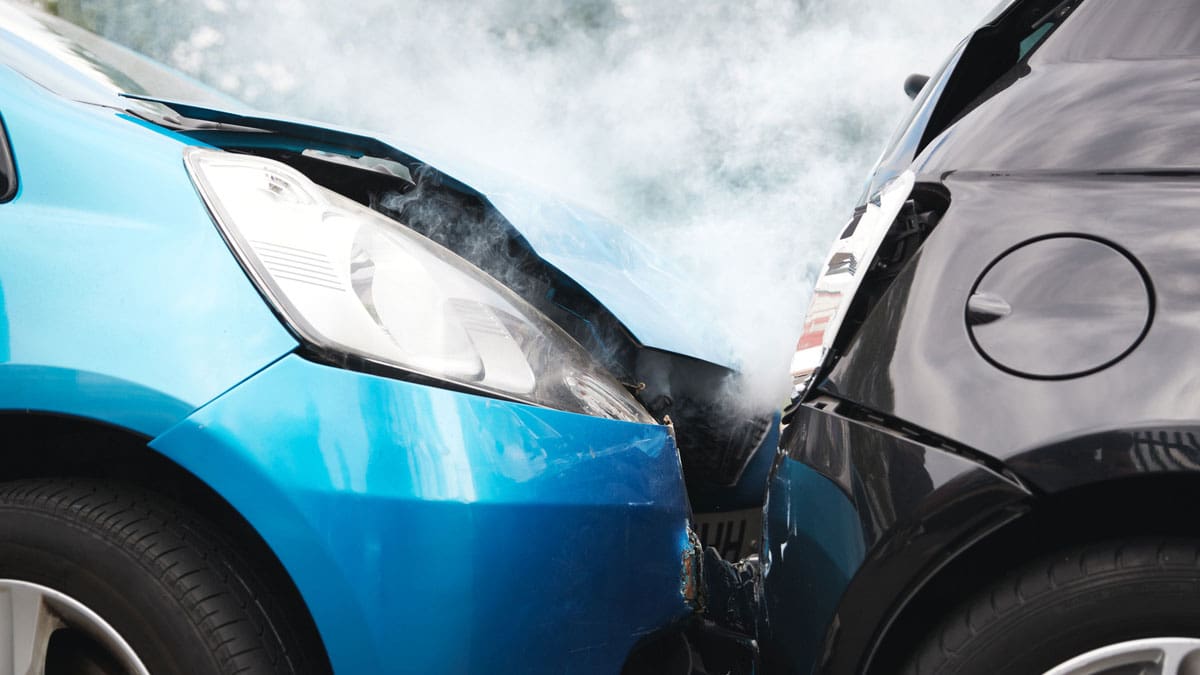
Following the S-curve phase, the head is violently whipped backward over the headrest, causing severe hyperextension. Finally, as the vehicle decelerates, the head is thrown forward into extreme flexion. This rapid back-and-forth motion stretches ligaments, tears muscles, and compresses the spinal discs far beyond their normal range of motion. Even low-speed impacts, which might produce minimal visible damage to the vehicle, generate enough biomechanical force to injure the cervical vertebrae.
For a free legal consultation, call (725) 900-9000
Why Symptoms Are Often Delayed
It is incredibly common for victims of rear-end accidents to decline medical attention at the scene. You might feel a rush of energy or a sense of relief that the accident was not worse. This reaction is a natural physiological response, but it can mask serious underlying injuries.
The stress of a car crash triggers a massive release of adrenaline and endorphins. These chemicals act as natural painkillers, temporarily blocking the brain’s perception of physical trauma. Because of this, you may not feel the severity of your muscle tears or spinal compressions right away.
Furthermore, internal inflammation takes time to develop. As the damaged tissues in your neck begin to swell over the following 24 to 48 hours, they put increasing pressure on surrounding nerves. This delayed inflammatory response is why stiffness, reduced range of motion, and radiating pain often appear days after the initial impact.
Common Neck Injuries and Chronic Complications
The violent forces of a rear-end collision can cause a variety of complex conditions. While some patients recover relatively quickly, others face a much longer road. Studies indicate that while many patients achieve symptom resolution within a few months, a significant percentage suffer from chronic pain that requires ongoing medical intervention.
Whiplash Associated Disorders (WAD)
Whiplash is the most recognized injury following a rear-end crash. However, medical professionals now use the term Whiplash Associated Disorders (WAD) to describe the broad spectrum of clinical manifestations. Symptoms of WAD can include severe neck pain, recurring headaches, dizziness, numbness in the arms, and even cognitive difficulties.
Because the cervical spine protects the spinal cord and supports the brain, trauma to this area can disrupt neurological functions. Victims may experience disorganization, difficulty concentrating, and chronic fatigue. Treating WAD often requires a comprehensive approach, including physical therapy, pain management, and extended rest.
Facet Joint Injuries
The facet joints are the small connections between the vertebrae that allow your neck to bend and twist. During the extreme hyperextension of a rear-end collision, these joints can be forcefully compressed together.

Facet joint injuries can take a considerable amount of time to heal, and the effects may linger for years. If your spine experiences this type of physical trauma in a crash, you may be at a heightened risk of developing post-traumatic arthritis within the damaged tissue. Many people experience chronic pain that makes it difficult to perform routine daily tasks, sleep comfortably, or return to work.
Click to contact our personal injury lawyers today
Protecting Your Health and Future
Navigating the aftermath of a car accident is incredibly complex. The physical pain is often compounded by mounting medical bills and the stress of dealing with insurance companies. It is vital to prioritize your health by seeking a comprehensive medical evaluation immediately after a crash, even if you feel fine. Early documentation and treatment are crucial for your physical recovery.
As highly experienced advocates for accident victims, we understand the profound impact a lasting neck injury can have on your family. Securing the resources necessary for long-term medical care requires careful documentation and a deep understanding of the legal landscape. By recognizing the severe biomechanical forces involved in your accident, you can better advocate for the comprehensive treatment and support you deserve.
No obligation consultations are always free.
Let Us Help You! Call Now: (725) 900-9000 DEALING WITH INSURANCE COMPANIES IN A PERSONAL INJURY ACCIDENT
Dealing with insurance companies can be the most frustrating part of handling a personal injury claim. Whether your claim comes from a car accident, medical malpractice, workman’s comp, or dog bite ...
 FRIENDS DON’T LET FRIENDS TEXT AND DRIVE
Texting and hand-held cell phone use is illegal in Nevada.The National Highway Traffic Safety Administration (NHTSA) reported that in 2014, distracted drivers caused thousands of accidents across th...
 “MINOR” CAR ACCIDENTS ARE SERIOUS
“Minor” car accidents, perhaps caused by inattention or carelessness, can still cause a great deal of pain and suffering. According to the National Highway Traffic Administration, over 2 million peo...
 LAS VEGAS RANKS LOW FOR DRIVER SAFETY
Recently, Las Vegas ranked 144 out of 200 cities in the United States for driver safety. The recent report reveals that drivers in Las Vegas have a car accident every eight years and are an astoundi...