
The Most Overlooked Evidence After an Accident
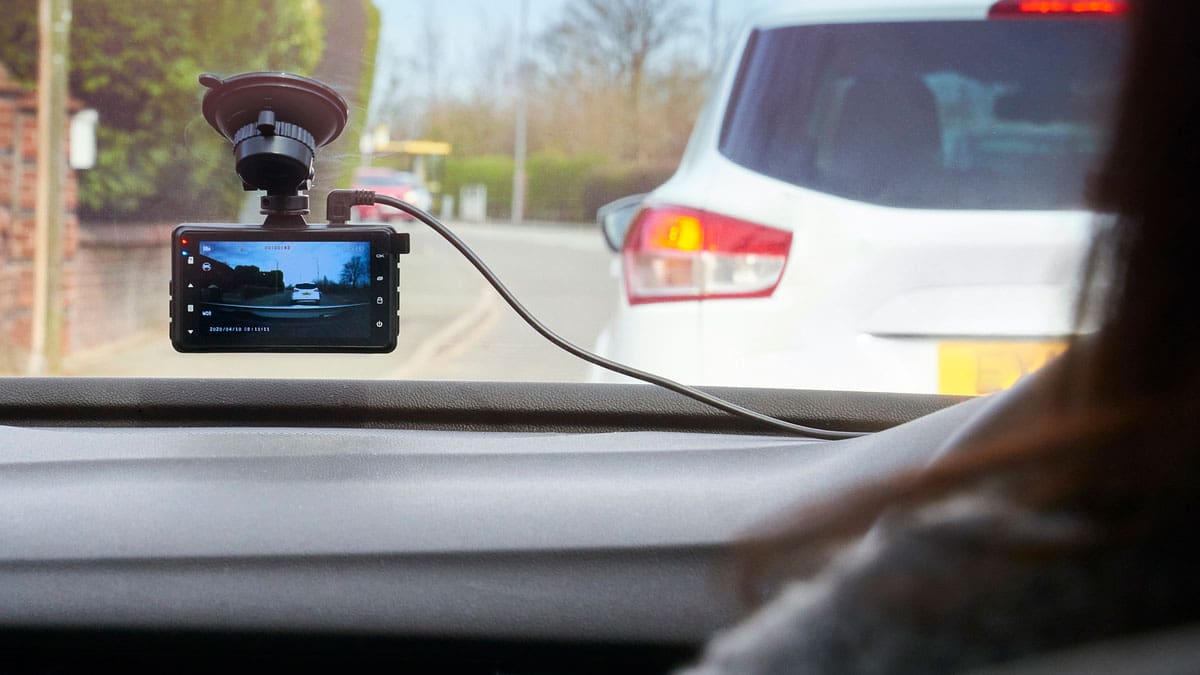
Most people know to call the police, take photographs, and exchange insurance information after a crash. What they often miss are the less visible sources of evidence that can decide the outcome of a case. Modern vehicles record their own data. Phones create a digital trail of every call, text, and app interaction. Traffic signals log their own cycles. Weather stations record conditions to the minute. Businesses keep records of employees, deliveries, and maintenance schedules. Each of these sources can establish exactly what happened in the seconds before a crash, and each one is time-sensitive.
Understanding the categories of evidence that go beyond the obvious can significantly strengthen a personal injury claim in Nevada. Many of these sources are also difficult to obtain later, which makes prompt legal involvement essential.
Event Data Recorder Information from Modern Vehicles
Nearly every passenger vehicle manufactured after 2014 contains an event data recorder, commonly called a black box. These devices capture data in the seconds immediately before an impact, including:
- Vehicle speed at the moment of impact
- Whether the brake pedal was pressed and how hard
- Whether the accelerator was engaged
- Steering wheel position and inputs
- Seatbelt engagement for each seat position
- Airbag deployment timing and severity data
- Engine RPM and throttle position
This data can definitively resolve disputes about who was speeding, who braked first, and which driver reacted appropriately. Commercial vehicles typically contain even more comprehensive recorders with longer retention periods. Getting to this evidence usually requires prompt legal action, since the vehicles can be released to insurers or salvage yards within days of the crash.

For a free legal consultation, call (725) 900-9000
Cell Phone and Digital Device Records
Cell phones create detailed records of what a driver was doing before a crash. Sources to explore include:
- Carrier records showing calls and texts sent and received at specific times
- App usage logs that can show whether a driver was on social media, streaming video, or navigating
- Bluetooth connection records showing whether a phone was paired with the vehicle
- Location data from map apps and other services that track position
- Ride-share and delivery platform records if either driver was working
- Screen activity data showing whether the phone was unlocked at the time
- Voice assistant activity logs from Siri, Google Assistant, and similar services
Cell phone records typically require legal process to obtain, and carriers maintain them only for a limited time. A prompt preservation letter or subpoena is often necessary to secure the records before they are deleted or overwritten.
Vehicle Infotainment and GPS Data
Modern vehicle infotainment systems store considerable information that most people never realize exists. Common data types include:
- Bluetooth pairing history showing which phones connected to the vehicle
- Recent destinations entered into the built-in navigation system
- Media playback records including streaming services and podcasts
- Contact information imported from paired phones
- Text message content pulled through Bluetooth integration
- Trip logs showing recent driving history and locations
- Voice command activity logs
This information can be extracted through specialized forensic tools, but only if the vehicle is preserved before repair or disposal. Insurance companies and salvage yards often modify or dispose of this data within days of taking possession of a vehicle.

Click to contact our personal injury lawyers today
Traffic and Environmental Records
Third-party records maintained by public and private entities can establish the environment in which a crash occurred. Sources include:
- Traffic signal timing logs showing exactly when each phase changed
- Weather station data showing precipitation, wind, and visibility conditions
- Sunrise and sunset times for lighting and glare analysis
- Road construction records showing lane closures or detours in effect
- Prior maintenance records for signage, striping, and signals at the location
- 911 dispatch recordings and computer-aided dispatch logs
Nevada Department of Transportation and local traffic authorities maintain signal timing and camera records that can be requested through legal process. Weather records from the National Weather Service and private weather stations are typically preserved for longer periods, but should still be requested and documented before memories fade.
Complete a Free Case Evaluation form now
Third-Party Business and Employment Records
When a commercial vehicle or an on-duty driver is involved, entire additional categories of evidence become available. Sources include:
- Driver qualification files and training records
- Hours of service logs for commercial drivers
- Dispatch and route records showing assigned tasks
- Prior incident reports involving the same driver
- Vehicle maintenance and inspection records
- Company policies on phone use, breaks, and driver conduct
- Employee scheduling and time records
These records are typically controlled by the employer and can be modified, discarded, or overwritten if not preserved promptly. An evidence preservation letter sent shortly after the crash can require the employer to maintain these records through the litigation period.
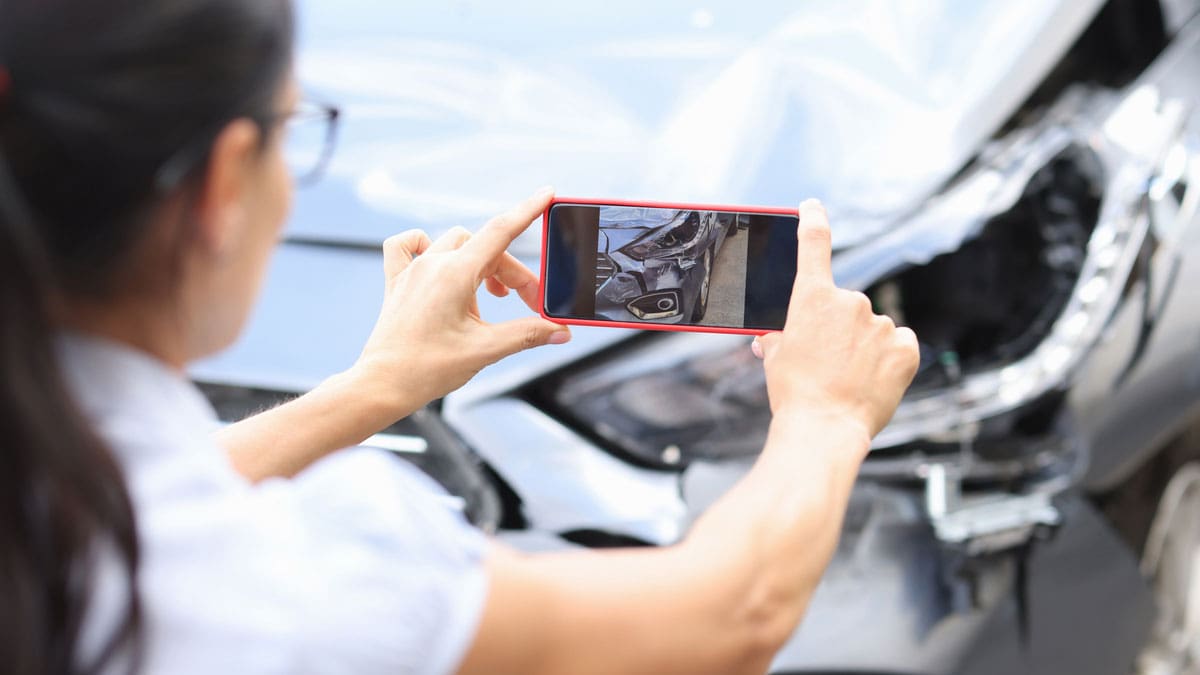
Physical Evidence Often Discarded
Not all overlooked evidence is digital. Physical items from the scene and immediate aftermath often disappear before they can be documented. Common examples include:
- Clothing and footwear worn at the time of a fall or crash, including damaged or bloodied items
- Broken vehicle components and debris left at the scene
- Damaged property including glasses, phones, and personal items
- Prescription bottles and receipts showing medication use before the incident
- Receipts from bars or restaurants that may show alcohol consumption
- Vehicles themselves, before they are repaired or scrapped
- The scene itself, before hazards are corrected or repairs are made
Injured parties often clean up or throw away items they later wish they had kept. Consulting an attorney early helps identify what should be preserved before it becomes irretrievable.
Why Prompt Preservation Is Essential
Most of the evidence sources described above share a common feature: they can be lost within days or weeks of the incident. Retention periods vary widely:
- Cell carrier records: some data retained for months, other data for only weeks
- Vehicle infotainment data: typically lost when the vehicle is repaired or scrapped
- Traffic signal timing logs: retention varies by jurisdiction
- Weather station data: generally preserved but may require prompt formal request
- Business surveillance and records: often overwritten on rolling schedules
- Physical evidence: often discarded during vehicle repair or scene cleanup
- 911 recordings: typically retained for a set period before deletion
A prompt evidence preservation letter from an attorney can freeze retention clocks on many of these sources and require the relevant party to maintain the records through litigation. The earlier this letter is sent, the more comprehensive the resulting record.
Statute of Limitations in Nevada
Nevada law sets strict deadlines for filing personal injury claims. Under the state’s two-year statute of limitations, an injured party generally has two years from the date of the incident to file a lawsuit.
Evidence preservation timelines run on their own separate schedules, often measured in days or weeks rather than years. Waiting until the statute of limitations approaches to begin evidence gathering almost always means that the most valuable sources have been lost.
How Van Law Firm Can Help
Van Law Firm represents people injured in Nevada car accidents, premises liability incidents, pedestrian crashes, and other personal injury matters where thorough evidence gathering is essential to the case. The firm moves quickly after retention to identify every relevant evidence source, send preservation letters, and secure the digital and physical records that establish what actually happened. Our attorneys work with forensic engineers, accident reconstructionists, digital evidence specialists, and other experts to build the fullest possible record for each case.
Van Law Firm serves clients throughout Nevada, including Las Vegas, Henderson, Reno, and surrounding communities.
No Fees Unless You Win
Van Law Firm handles personal injury cases on a contingency fee basis. This means:
- There are no upfront costs to begin your case
- You pay no hourly fees during the representation
- Legal fees are only collected if compensation is recovered
- Consultations are free and confidential
Contact Van Law Firm Today
If you or someone close to you has been injured in Nevada, Van Law Firm is ready to evaluate the case and take immediate steps to preserve the evidence that supports it. Free consultations help injured people understand their rights and the next steps available under Nevada law.
No obligation consultations are always free.
Let Us Help You! Call Now: (725) 900-9000 DEALING WITH INSURANCE COMPANIES IN A PERSONAL INJURY ACCIDENT
Dealing with insurance companies can be the most frustrating part of handling a personal injury claim. Whether your claim comes from a car accident, medical malpractice, workman’s comp, or dog bite ...
 FRIENDS DON’T LET FRIENDS TEXT AND DRIVE
Texting and hand-held cell phone use is illegal in Nevada.The National Highway Traffic Safety Administration (NHTSA) reported that in 2014, distracted drivers caused thousands of accidents across th...
 “MINOR” CAR ACCIDENTS ARE SERIOUS
“Minor” car accidents, perhaps caused by inattention or carelessness, can still cause a great deal of pain and suffering. According to the National Highway Traffic Administration, over 2 million peo...
 LAS VEGAS RANKS LOW FOR DRIVER SAFETY
Recently, Las Vegas ranked 144 out of 200 cities in the United States for driver safety. The recent report reveals that drivers in Las Vegas have a car accident every eight years and are an astoundi...