
Injured at a Hotel or Resort: When Property Owners May Be Liable
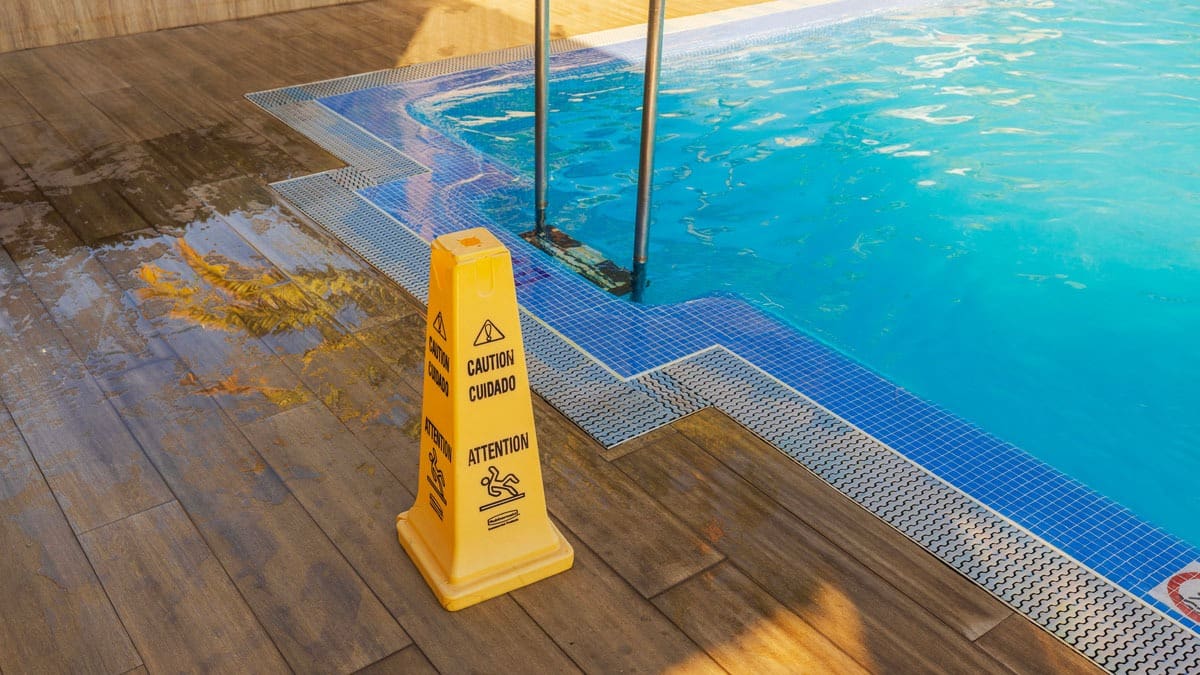
An injury at a Nevada hotel or resort raises a legal question that is often more complex than it first appears: when does the property owner become responsible for what happened? Not every accident on hotel grounds creates a viable claim. The answer depends on Nevada premises liability law, the specific legal duties that innkeepers owe to their guests, and the facts that establish whether the property owner met those duties. Understanding this framework is essential for any guest injured at a Las Vegas Strip resort, a Reno casino property, a mountain lodge, or any other lodging establishment in the state.
This article walks through the legal analysis that determines when a hotel or resort owner may be held liable for a guest’s injury. Prior articles have addressed specific conditions and injury types. This one focuses on the underlying framework.
The Legal Duty Hotels and Resorts Owe to Guests
Under Nevada law, hotels and resorts owe their guests a duty to keep the premises reasonably safe. This duty of care applies to all areas guests are invited to use, including guest rooms, hallways, lobbies, restaurants, bars, pools, spas, parking areas, fitness centers, and event spaces. It also applies to routes guests are expected to use to reach these areas.
Nevada also maintains a specific body of law governing innkeepers under NRS Chapter 651, which addresses the duties and rights of hotel and lodging house operators. The combination of common law premises liability principles and these specific statutory provisions creates the framework Nevada courts use to evaluate hotel injury claims.
The practical effect of these duties is that a hotel must take reasonable steps to inspect its property, identify hazards, correct them or warn guests about them, and maintain the property in a condition consistent with what a reasonable operator in the hospitality industry would provide.

For a free legal consultation, call (725) 900-9000
Elements Required to Establish Property Owner Liability
To succeed in a premises liability claim against a hotel or resort, an injured guest generally must establish several elements:
- The hotel owed a duty of care to the guest, which is presumed for invited guests
- A hazardous condition existed on the property at the time of the injury
- The hotel knew or should have known about the hazardous condition
- The hotel failed to correct the hazard or warn guests about it in a reasonable time
- The hazardous condition caused the guest to be injured
- The guest suffered actual harm as a result
Each element must be supported by evidence. The most contested element in most cases is whether the hotel knew or should have known about the hazard. This is the notice element, and it often determines whether a case succeeds or fails.
When Property Owners Have Notice of a Hazard
Property owner liability generally requires that the owner had notice of the hazardous condition before the injury occurred. Nevada courts recognize two types of notice:
- Actual notice, where the hotel actually knew about the hazard from prior complaints, inspections, or reports
- Constructive notice, where the hazard existed long enough that the hotel should have discovered it through reasonable inspection
Actual notice is often established through prior incident reports, guest complaints, maintenance requests, or emails discussing the condition. Constructive notice is often established by showing that the hazard existed long enough that a reasonable inspection routine would have identified it. Evidence supporting notice may include:
- Prior incident reports involving the same or similar hazards
- Guest complaints logged with hotel management
- Maintenance requests documenting the condition
- Inspection records showing the condition existed on prior dates
- Employee statements about the condition
- Photographs or video showing the hazard existed for a significant period
- Regulatory inspection reports identifying the condition
A hotel that could have discovered a hazard through a reasonable inspection schedule but failed to do so may be held responsible even if no one specifically reported the condition. This constructive notice principle is often the key to establishing liability in cases where actual notice cannot be shown directly.

Click to contact our personal injury lawyers today
Special Duties in the Hospitality Context
Hotels and resorts operate in a context that carries some duties beyond those of ordinary property owners. Guests typically pay for the expectation of safety and are not familiar with the property, which places the burden on the operator to identify and correct hazards proactively. Special obligations in the hospitality setting may include:
- Regular inspection routines throughout guest-accessible areas
- Prompt cleanup of spills and hazards in high-traffic areas
- Adequate lighting in walkways, parking areas, and guest room corridors
- Working locks, functional emergency systems, and clear evacuation routes
- Adequate security in situations where criminal conduct is foreseeable
- Proper training of housekeeping, maintenance, and security staff
- Compliance with local building codes and hospitality safety standards
Failure to meet these hospitality-specific obligations can support a premises liability claim even when the general premises liability framework would produce a closer question. Courts evaluating these cases consider what a reasonable operator in the same business would do under similar circumstances.
Complete a Free Case Evaluation form now
Common Defenses Property Owners Raise
Hotels and their insurers typically raise a set of recurring defenses to premises liability claims. Common defenses include:
- The hazard was open and obvious, so the guest should have avoided it
- The guest was not paying attention or was engaged in unreasonably risky conduct
- The hazard was created too recently for the hotel to have discovered it
- The condition was not actually hazardous under the circumstances
- The guest assumed the risk by engaging in an inherently dangerous activity
- The injury was caused by a third party for whom the hotel is not responsible
- The guest exceeded the scope of the invitation by entering a restricted area
Each defense requires an evidence-based response. The open and obvious defense, for example, often fails when the hazard was in a poorly lit area, was concealed by other objects, or was of a type that guests would not reasonably expect. Effective preparation of the case anticipates each of these defenses and gathers the evidence needed to counter them.

Multiple Potentially Liable Parties in Hotel Cases
Injuries at hotels and resorts often involve multiple potentially responsible parties beyond the ownership entity. Depending on the circumstances, additional defendants may include:
- The property management company that operates day-to-day
- A separate brand or franchise operator distinct from the property owner
- Cleaning and housekeeping contractors
- Maintenance and repair contractors
- Security service providers
- Restaurant and bar operators leasing space within the hotel
- Amenity operators including pool, spa, and fitness center vendors
Identifying every potentially liable party is important because each may carry separate insurance and each may bear a share of responsibility for the conditions that led to the injury. Complex ownership and management structures at large resorts often obscure who actually bears responsibility for specific areas of the property.
What to Do After a Hotel or Resort Injury
The steps taken in the hours and days after a hotel injury can significantly affect the strength of any resulting claim. Injured guests should:
- Report the incident to hotel management and request a written incident report
- Seek prompt medical evaluation, even when injuries appear minor at the scene
- Photograph the hazard, the surrounding area, and any visible injuries
- Identify witnesses and collect their contact information before they leave
- Request that surveillance footage from the area be preserved
- Keep receipts, room keys, and other records establishing the guest relationship
- Consult a personal injury attorney before signing any release or accepting settlement offers
Hotels typically begin correcting hazardous conditions within hours of an incident being reported. Maintenance logs, cleaning records, and prior incident reports may be modified or overwritten. Prompt legal involvement helps preserve the evidence needed to establish notice and liability.
Statute of Limitations in Nevada
Nevada law sets strict deadlines for filing personal injury claims. Under the state’s two-year statute of limitations, an injured guest generally has two years from the date of the incident to file a lawsuit.
Cases involving minors, out-of-state corporate defendants, or claims against government-owned properties may involve different procedural rules. Missing the applicable deadline can permanently bar recovery, regardless of how strong the underlying case may be.
How Van Law Firm Can Help
Van Law Firm represents guests injured at hotels and resorts throughout Nevada. The firm has handled cases involving falls in guest rooms and common areas, injuries in restaurants and bars, incidents at pool and spa facilities, elevator and escalator failures, parking area incidents, and inadequate security cases. Our attorneys understand the specialized premises liability framework that applies to the hospitality industry, work with hospitality safety experts and medical specialists to build strong claims, and pursue every available source of coverage among the ownership, management, and contractor entities involved with the property.
Van Law Firm serves clients throughout Nevada, including Las Vegas, Henderson, Reno, and surrounding communities.
No Fees Unless You Win
Van Law Firm handles personal injury cases on a contingency fee basis. This means:
- There are no upfront costs to begin your case
- You pay no hourly fees during the representation
- Legal fees are only collected if compensation is recovered
- Consultations are free and confidential
Contact Van Law Firm Today
If you or someone close to you was injured at a Nevada hotel or resort, Van Law Firm is ready to evaluate the case and identify every party whose negligence may have contributed. Free consultations help injured guests understand their rights and the next steps available under Nevada law.
No obligation consultations are always free.
Let Us Help You! Call Now: (725) 900-9000 Who Pays Your Medical Bills After a Slip and Fall?
There are three basic forms of insurance that provide coverage after a slip and fall: (1) the injured party’s private insurance (usually through an employer); (2) the commercial liability policy of ...
 DID YOU SLIP AND FALL AT THE HAUNTED HOUSE?
Haunted Houses are often the site of slip and fall injuries. Haunted Houses frighten people using a combination of scare tactics, rides, and props which can combine into a dangerous mixture which re...
 What Elements Do You Need to Prove in a Slip and Fall Case?
Out of all the accidents we see on a regular basis, slips and falls are perhaps the most unpredictable, and because of this, they can be some of the most damaging. Floor hazards such as uneven or we...
 Who Is Liable for Dangerous Staircase Falls?
Staircases are part of everyday life. From apartment complexes and office buildings to casinos, parking garages, and hotels, stairs are nearly everywhere. When they are built or maintained improperl...