
How Surveillance Video Can Make or Break a Claim
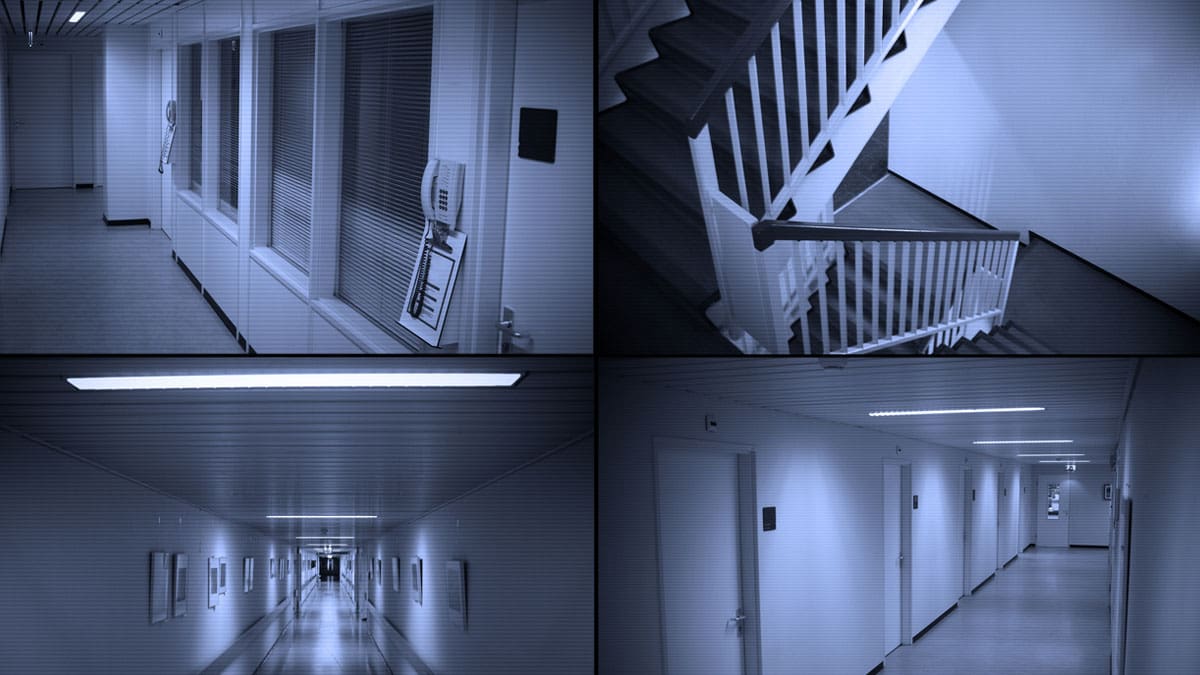
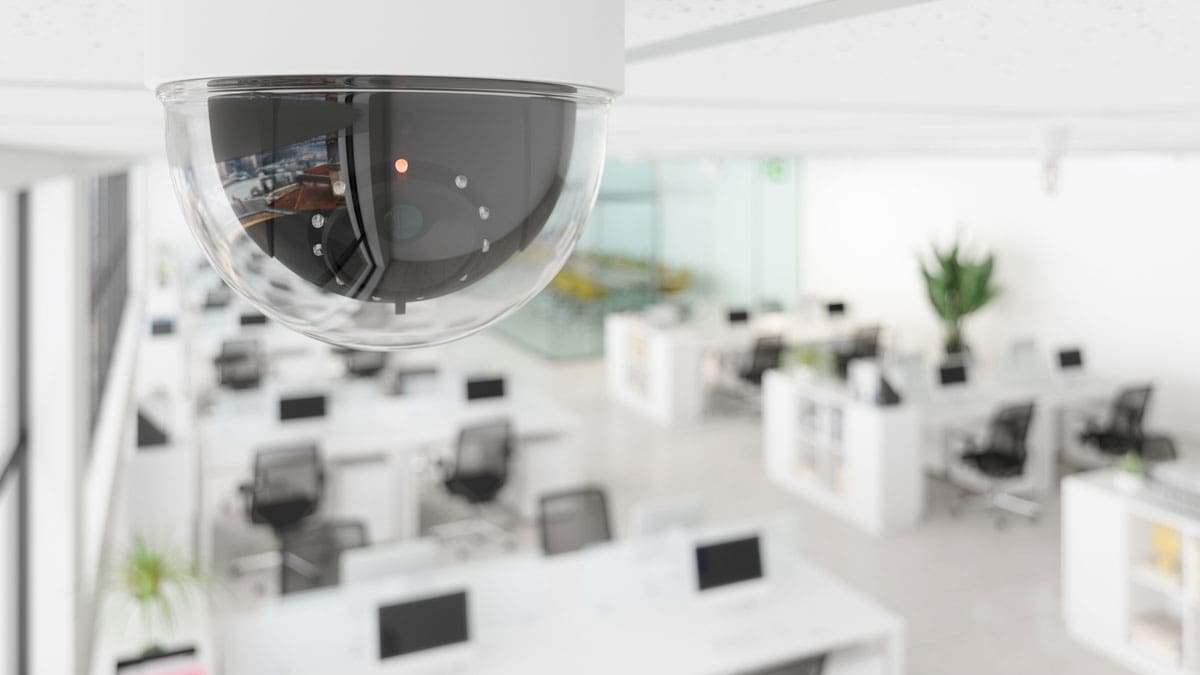
Surveillance video has become one of the most decisive forms of evidence in personal injury cases. A clear recording of the moments before, during, or after an incident can establish fault with an authority that no witness statement can match. Video that shows something inconsistent with an injured party’s account, however, can end a claim that would otherwise have succeeded. Understanding where surveillance video comes from, how it is used, and why prompt preservation is essential is critical for anyone pursuing a personal injury claim in Nevada.
Nevada is a state where surveillance video is nearly everywhere. Las Vegas casinos operate some of the most extensive private surveillance systems in the country. Retail stores, gas stations, restaurants, and hotels all maintain camera systems. Doorbell cameras, and dashcams add layers of potential footage. The question in most personal injury cases is not whether video exists, but whether it can be located and preserved before it is overwritten.
Where Surveillance Video Comes From
Modern personal injury investigations draw on video from a wide range of sources. Common sources include:
- Casino floor and hotel property cameras throughout Nevada resorts
- Retail store cameras covering entrances, parking lots, and interior spaces
- Gas station and convenience store cameras
- Residential doorbell cameras and home security systems
- Dashcams from other drivers involved in a crash or passing by
- Cameras on commercial vehicles including delivery vans, buses, and rideshare cars
Each source has its own retention period, access procedure, and quality level. A high-resolution casino camera may capture identifiable faces from a hundred feet away. A residential doorbell camera may capture the moment of an incident but offer only a low-resolution view.
For a free legal consultation, call (725) 900-9000
How Video Helps Establish Fault
Video evidence can support a personal injury claim in several important ways. Video may:
- Show the specific action or omission that caused an incident
- Establish the exact time sequence of events
- Document the condition of a hazard before it was corrected
- Capture the immediate aftermath before evidence was moved or altered
- Show the physical response of the injured party at the moment of harm
- Corroborate or contradict witness statements
- Document the movements of vehicles, pedestrians, or property involved
In premises liability cases, video showing that a hazard existed for a significant period before an incident is often the single most important piece of evidence. In vehicle crash cases, video showing which driver had the green light, which pedestrian entered the crosswalk first, or which vehicle changed lanes into another can resolve otherwise disputed facts.
How Video Can Hurt Injured Parties
Video does not always help the injured party. Defense attorneys and insurance investigators actively look for footage that contradicts a claim. Video may hurt a case when it shows:
- The injured party engaging in activities inconsistent with the claimed limitations
- The injured party contributing to the incident through their own conduct
- A hazard being open and obvious in a way the injured party said it was not
- The injured party appearing uninjured immediately after an incident
- Behavior at the scene inconsistent with the account later given to insurers
- Symptoms not consistent with the medical treatment being pursued
- Recent activity at odds with an ongoing disability claim
An injured party who is unaware of what video may exist is at a significant disadvantage. An attorney can help identify potential video sources early and prepare the case with awareness of what images may eventually appear.

Click to contact our personal injury lawyers today
Why Prompt Preservation Is Critical
The single most important fact about surveillance video is that it does not last. Most systems continuously record and overwrite footage on a rolling basis. Common retention periods include:
- Casino and hotel surveillance systems: often 30 to 90 days, sometimes shorter
- Retail store cameras: typically 14 to 30 days
- Gas station and convenience store cameras: often 7 to 30 days
- Residential doorbell cameras: often 7 to 60 days depending on the plan
- Traffic cameras: varies widely by jurisdiction
- Dashcams: often overwritten within days unless manually saved
- Business exterior cameras: typically 14 to 60 days
Delays in identifying and requesting video preservation almost always result in critical footage being lost. A prompt evidence preservation letter from an attorney can freeze the retention clock and require the property owner to preserve the relevant footage while the case develops.
Complete a Free Case Evaluation form now
Obtaining and Using Surveillance Video
Getting surveillance video into a personal injury case usually requires legal process. The path typically involves:
- Sending a preservation letter to identify what footage exists and require its preservation
- Requesting voluntary production from the property owner
- Using a subpoena to compel production if voluntary requests are not honored
- Authenticating the video through business records or witness testimony
- Preserving the original file to avoid disputes about editing or manipulation
- Working with expert witnesses to analyze the footage frame by frame
- Preparing the video for use in negotiation, mediation, or trial
Property owners sometimes claim that video does not exist, was overwritten, or is not available. Discovery and formal court intervention can address these responses when the facts support the existence of the recording.

Common Mistakes That Cost Injured Parties Their Video Evidence
Injured parties often lose access to critical footage through avoidable mistakes. Common errors include:
- Waiting too long to consult an attorney about potential video sources
- Assuming that police will automatically obtain and preserve relevant video
- Failing to identify witnesses whose dashcam or phone video may exist
- Not asking property owners about surveillance systems at the scene
- Trusting verbal assurances that video will be preserved without written follow-up
- Believing that video showing an unfavorable moment automatically defeats a claim
- Overlooking video from adjacent properties that may have captured the incident
Prompt legal involvement addresses each of these mistakes. An attorney knows where to look, how to request preservation, and how to interpret what any resulting footage actually shows in the context of a legal claim.
Statute of Limitations in Nevada
Nevada law sets strict deadlines for filing personal injury claims. Under the state’s two-year statute of limitations, an injured party generally has two years from the date of the incident to file a lawsuit.
Video evidence preservation timelines run on their own separate schedule, often measured in days or weeks rather than years. Waiting until the statute of limitations approaches to begin evidence gathering almost always means that video evidence has been overwritten and lost.
How Van Law Firm Can Help
Van Law Firm represents people injured in Nevada car accidents, premises liability incidents, pedestrian crashes, and other personal injury matters where surveillance video may be central to the case. The firm moves quickly after retention to identify all potential video sources, send preservation letters, and secure the footage that establishes what actually happened. Our attorneys work with video analysts, accident reconstructionists, and other specialists to build strong claims based on the fullest possible evidence record.
Van Law Firm serves clients throughout Nevada, including Las Vegas, Henderson, Reno, and surrounding communities.
No Fees Unless You Win
Van Law Firm handles personal injury cases on a contingency fee basis. This means:
- There are no upfront costs to begin your case
- You pay no hourly fees during the representation
- Legal fees are only collected if compensation is recovered
- Consultations are free and confidential
Contact Van Law Firm Today
If you or someone close to you has been injured in Nevada and surveillance video may be relevant to your claim, Van Law Firm is ready to evaluate the case and take immediate steps to preserve the evidence. Free consultations help injured people understand their rights and the next steps available under Nevada law.
No obligation consultations are always free.
Let Us Help You! Call Now: (725) 900-9000 INSTALLATION OF POSITIVE TRAIN CONTROL TECHNOLOGY
Railroads are required to install positive train control technology but a report by the FRA shows that while some railroads have made significant progress, many freight and commuter railroads are no...
 KIDS WITH GUNS: WHO IS LIABLE?
Gun owners may be liable for the injuries and deaths that are caused when kids accidentally shoot someone. Of the 265 kid-with-gun shootings reported in 2015, 83 resulted in a death. Forty-one young...
 CUMULATIVE TRAUMA ON THE TRACKS
Cumulative trauma injuries accumulate over time and often result in severe injuries for railroad workers. Railroad workers operate in hostile environments where life-changing accidents are common, b...
 E-SCOOTER DANGERS: THE COST OF CONVENIENCE
E-scooters are becoming increasingly popular across the United States and riders need to be aware of the dangers involved. These motorized vehicles are a top transportation choice among commuters in...