
Hair Relaxer Lawsuit Update (2026): Cancer Claims, MDL Status, and Eligibility
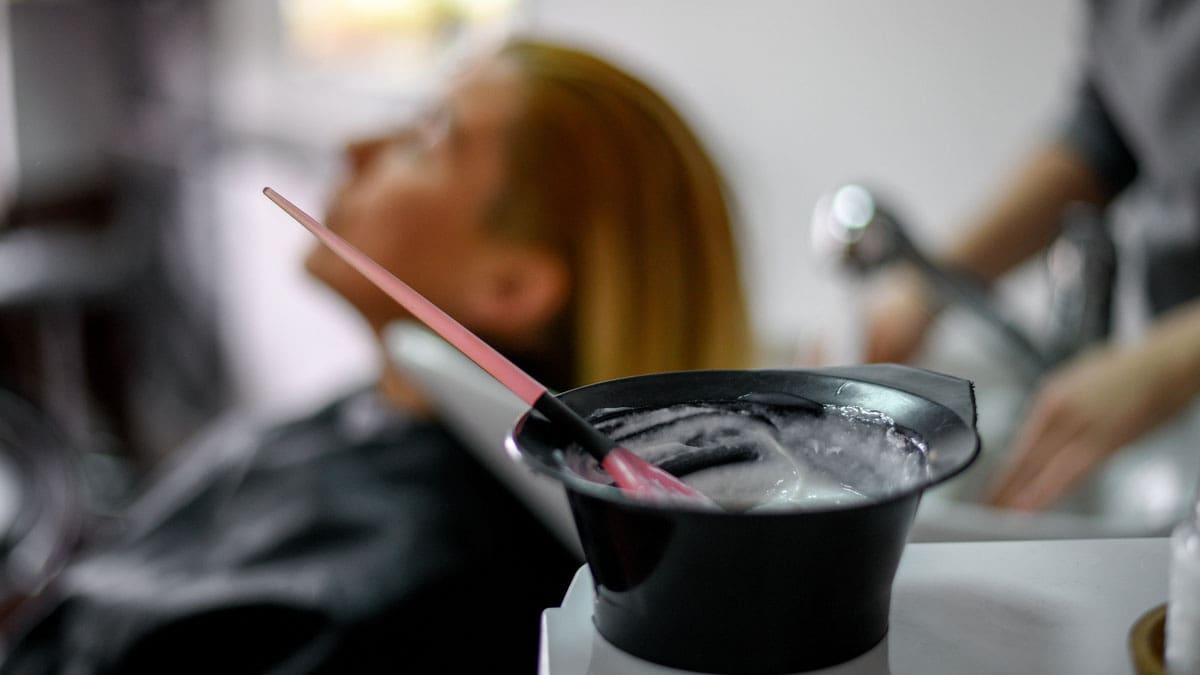
For decades, millions of women used chemical hair relaxers as part of their regular beauty routines, often beginning in childhood or adolescence and continuing for years. Hair relaxers have been particularly popular among African American women, for whom the products have long been marketed as a means of achieving straighter, more “manageable” hair.
These women never gave much thought to the ingredients inside these products. They trusted that the manufacturers and cosmetic companies behind them had adequately tested their products and ensured they were safe for long-term use. Today, thousands of women are questioning whether that confidence was misplaced.
Recent scientific studies have raised concerns about chemicals commonly found in some hair relaxers, including phthalates, parabens, formaldehyde-releasing compounds, and other substances that may interfere with the body’s hormonal systems. Researchers have investigated whether long-term exposure to these chemicals could be associated with an increased risk of uterine cancer, ovarian cancer, endometrial cancer, and other serious reproductive health conditions.
Those concerns have led to one of the fastest-growing mass tort litigations in the country. Thousands of women have now filed lawsuits alleging that manufacturers failed to adequately warn consumers about potential health risks associated with the long-term use of chemical hair relaxers. The cases have been consolidated into a federal multidistrict litigation (MDL) in Illinois, where more than 11,000 claims are currently pending.
If you or a loved one used chemical hair relaxers and were later diagnosed with uterine cancer, ovarian cancer, endometrial cancer, or another related condition, learning more about the ongoing litigation may help you better understand your legal options. An experienced attorney can review your situation and determine whether you may be eligible to pursue a claim.
How the Hair Relaxer Lawsuits Started
While concerns about chemicals used in hair relaxers and hair straightening products have existed for years, the current litigation gained national attention after several scientific studies raised questions about a potential link between long-term use and certain cancers. The lawsuits revolve around a variety of legal claims, but much of the litigation can be traced back to research that prompted many women to reevaluate products they had trusted and used for decades.
The NIH Study That Changed Everything
In 2022, researchers from the National Institutes of Health (NIH) published findings from a large study involving nearly 34,000 women. After tracking participants for almost 11 years, researchers found that women who frequently used chemical hair straightening products were more than twice as likely to develop uterine cancer compared to women who did not use those products.
According to the study, approximately 1.64% of women who never used hair straighteners were expected to develop uterine cancer by age 70, compared to an estimated 4.05% of frequent users. While the overall risk remained relatively low, the difference was significant enough to attract widespread attention from researchers, regulators, attorneys, and consumers alike.
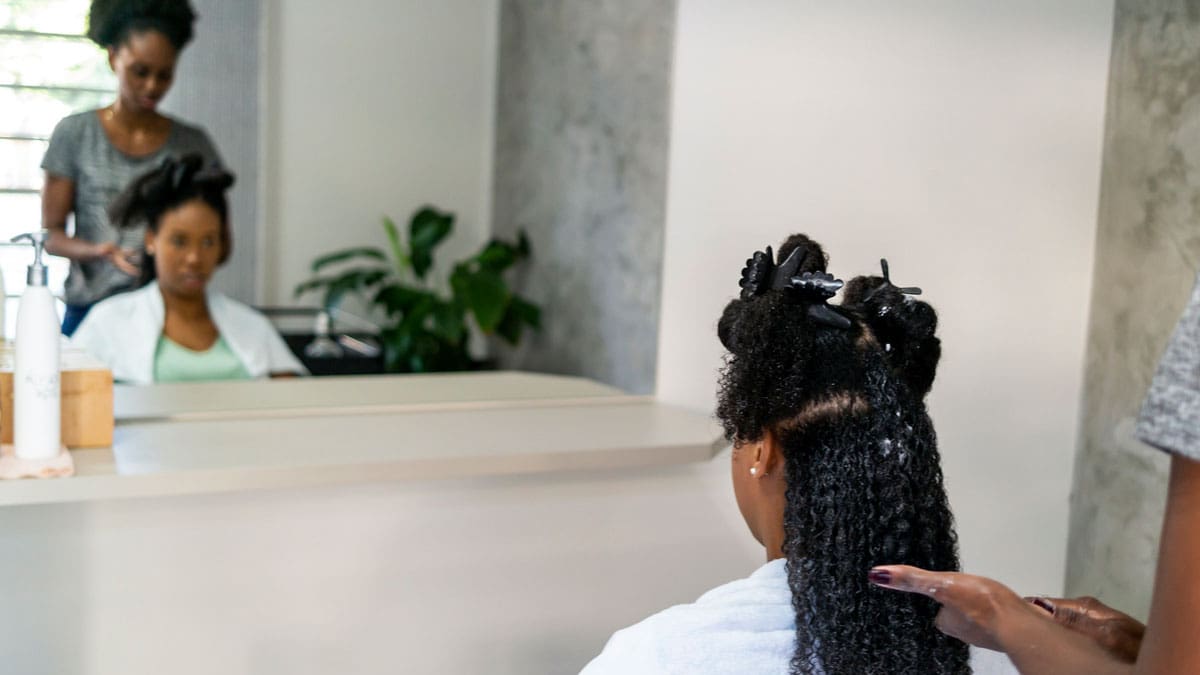
The findings were particularly noteworthy because chemical hair relaxers have historically been marketed heavily to African American women, who often begin using these products at younger ages and may accumulate years or even decades of exposure over a lifetime. Researchers specifically noted that the public health impact of any potential risks could be greater in populations with higher rates of use.
Moreover, the study identified an association between frequent hair straightener use and uterine cancer, although it did not conclude that hair relaxers directly cause cancer in consumers. However, the findings raised important questions about whether long-term exposure to certain ingredients commonly found in these products could contribute to hormone-related cancers and other reproductive health conditions.
The Ingredients at the Center of the Litigation
As awareness grew, lawsuits began to emerge across the country. Plaintiffs allege that manufacturers knew, or should have known about potential health risks associated with certain ingredients used in their products but failed to adequately warn consumers. Many women claim they would have made different choices had they been informed of the alleged risks.
The growing number of lawsuits eventually led federal courts to consolidate the cases into multidistrict litigation (MDL) No. 3060 in the Northern District of Illinois. Today, the litigation includes thousands of women pursuing claims against some of the largest cosmetic manufacturers in the world.
The lawsuits focus on several chemicals that have allegedly been present in certain hair relaxer products, including phthalates, parabens, formaldehyde-releasing compounds, and other substances researchers have identified as potential endocrine disruptors.
- Phthalates: Commonly used in personal care products to improve performance and help fragrances last longer. Researchers have studied phthalates for years because they may interfere with normal hormone signaling.
- Parabens: Preservatives used to extend product shelf life. Some studies suggest parabens can mimic estrogen in the body, leading researchers to investigate their potential role in hormone-related health conditions.
- Formaldehyde-Releasing Compounds: These are ingredients that can release small amounts of formaldehyde over time. Formaldehyde has long been the subject of health concerns and has been classified as a human carcinogen under certain exposure conditions.
- Potential Endocrine Disruptors: Various chemicals found in some hair care products have been studied for their potential to interfere with the body’s endocrine system.
The NIH study was not the only research to raise concerns. Plaintiffs point to a broader body of scientific literature examining potential links between chemical hair products, endocrine-disrupting chemicals, reproductive disorders, uterine fibroids, and hormone-related cancers. While researchers continue to study these issues, plaintiffs argue that the existing evidence was sufficient to warrant stronger warnings and greater transparency from manufacturers.
Despite all this, the companies named in the litigation deny that their products cause cancer and continue to dispute the allegations. Nevertheless, the growing body of research, combined with the large number of women reporting similar diagnoses after years of product use, has helped transform the hair relaxer litigation into one of the largest ongoing mass torts in the United States.
For a free legal consultation, call (725) 900-9000
Why Women Are Filing Hair Relaxer Cancer Lawsuits
At the heart of the hair relaxer litigation is a simple allegation: women used these products for years without being adequately warned about potential health risks.
Plaintiffs claim that manufacturers failed to disclose the alleged dangers associated with long-term exposure to certain chemicals found in hair relaxers, despite growing scientific concerns about their potential effects on reproductive health. Many lawsuits also point to decades of marketing directed toward Black women and girls, who often used these products regularly throughout their lives.
The injuries at the center of the litigation include uterine cancer, endometrial cancer, and ovarian cancer.
Uterine Cancer
Uterine cancer is the primary focus of many hair relaxer lawsuits. The 2022 NIH study found that frequent users of chemical hair straightening products were more than twice as likely to develop uterine cancer compared to non-users. As a result, uterine cancer claims make up a significant portion of the cases currently pending in the MDL.
Endometrial Cancer
Many plaintiffs have also been diagnosed with endometrial cancer, which develops in the lining of the uterus. Because endometrial cancer is closely linked to hormonal factors, plaintiffs argue that long-term exposure to endocrine-disrupting chemicals may have contributed to the disease.
Ovarian Cancer
Ovarian cancer is another major focus of the litigation. Often difficult to detect in its early stages, ovarian cancer is frequently diagnosed after it has progressed, requiring extensive treatment that may include surgery, chemotherapy, and long-term medical monitoring.
Hair Relaxer Lawsuit Update: MDL Status and Outlook
The hair relaxer litigation has grown into one of the largest mass torts currently pending in the United States.
To manage the growing number of cases, federal courts consolidated the lawsuits into multidistrict litigation (MDL) No. 3060 in the Northern District of Illinois under Judge Mary M. Rowland. The MDL allows plaintiffs to share evidence, expert testimony, and other common discovery while still maintaining their individual claims.
As of June 2026, more than 11,700 lawsuits are pending in the federal MDL, with additional cases continuing to be filed. The litigation includes claims against several major cosmetic manufacturers and centers on allegations that long-term use of chemical hair relaxers contributed to cancer and other reproductive health conditions.
The litigation has now entered a critical stage. The court has selected a pool of representative cases for bellwether proceedings, and both sides have spent years gathering scientific evidence and expert testimony regarding the alleged connection between hair relaxer chemicals and cancer. Bellwether trials are expected to begin in 2027 and will provide the first opportunity for juries to evaluate the evidence presented by both plaintiffs and defendants.
Importantly, no global settlement has been reached, and no bellwether verdicts have been returned. That means the litigation is still in its relatively early stages compared to other major mass torts that have already produced settlements or jury verdicts.
If you’re considering legal action, this is the time to join the legal action. Consult an attorney sooner rather than later so you can understand your options and begin to collect and preserve important evidence.
Click to contact our personal injury lawyers today
Do You Qualify for a Hair Relaxer Lawsuit?
If you used chemical hair relaxers or hair straightening products for years and were later diagnosed with uterine cancer, ovarian cancer, endometrial cancer, or another related reproductive health condition, you may be eligible to join the MDL.
One of the most common concerns we receive in cases like this is doubting whether there’s enough evidence to pursue a claim. For example, some plaintiffs in these lawsuits have had to submit years of photographs showing how they have been using the said products. Since many women began using relaxers decades ago, finding and documenting the right evidence can be difficult if you don’t know what to look for. That’s where an experienced personal injury lawyer can help.
At Van Law Firm, our experienced attorneys in defective medical products can help reconstruct product histories using medical records, salon records, photographs, purchase histories, family testimony, and other available evidence.
Most importantly, we can help you understand your rights and make informed decisions about what comes next.
Van Law Firm is actively reviewing hair relaxer cases nationwide and helping women determine whether they may be eligible to pursue compensation through the ongoing litigation. Contact us today for a free, no-obligation consultation to discuss your situation and learn more about your legal options.
Complete a Free Case Evaluation form now
Frequently Asked Questions
Does Using a Hair Relaxer Automatically Qualify Me for a Lawsuit?
No. The lawsuits generally involve women who used chemical hair relaxers over an extended period and were later diagnosed with uterine cancer, ovarian cancer, endometrial cancer, or certain other reproductive health conditions. Simply using a hair relaxer does not automatically qualify someone for a claim. An attorney can review your medical history and product use to determine whether you may have a case.
What Is the Connection Between Hair Relaxers and Cancer?
The litigation is largely based on scientific studies that identified an association between frequent use of chemical hair straightening products and an increased risk of certain cancers, particularly uterine cancer. Plaintiffs allege that chemicals commonly found in some relaxers may act as endocrine disruptors and contribute to hormone-related health conditions. Manufacturers deny these allegations and dispute that their products cause cancer.
Which Cancers Are Involved in the Hair Relaxer Lawsuits?
Most lawsuits involve women diagnosed with:
- Uterine cancer
- Endometrial cancer
- Ovarian cancer
Some claims also involve other reproductive injuries and hormone-related health conditions that plaintiffs allege are linked to long-term exposure to chemicals found in hair relaxers.
What If I Don’t Remember Which Hair Relaxer Brand I Used?
This is a common concern. Many women began using hair relaxers years or even decades before receiving a diagnosis and may not remember every product they used. In many cases, attorneys can help reconstruct a product history using medical records, photographs, salon records, purchase histories, family testimony, and other available evidence.
How Much Compensation Could a Hair Relaxer Lawsuit Be Worth?
Every case is different, and no settlement amounts have been established. Potential compensation may depend on factors such as the type of diagnosis, the severity of the injury, medical expenses, lost income, pain and suffering, and other damages. An attorney can evaluate the specific circumstances of your case and explain what forms of compensation may be available.
How Long Do I Have to File a Hair Relaxer Lawsuit?
The deadline to file a claim depends on several factors, including where you live, when you were diagnosed, and when you became aware that your condition may be connected to hair relaxer use. Because statutes of limitation vary by state, it is important to speak with an attorney as soon as possible to understand the deadlines that may apply to your case and avoid losing your right to pursue compensation.
No obligation consultations are always free.
Let Us Help You! Call Now: (725) 900-9000 Forklift Accidents & Lawsuits
Forklift incidents commonly occur in the workplace and can cause serious injuries or even death. There are around 20,000 workers in the United States who suffer from these injuries each year. In an ...
 Video Games: Innocent Fun or addictive menace?
If your child was seriously injured due to video game addiction, Van Law Firm Can Help Video Games are everywhere and there is hardly anyone who does not know what they are. More than 200 million pe...
 What You Need To Know About Filing A Suboxone Tooth Decay Lawsuit
Not all that long ago, opioid misuse was so rampant in the United States that experts classified it as a crisis. They say the trouble started back in the 1990s, when prescription opioid medications ...
 Your Rights as a Pedestrian in Las Vegas Crosswalk Accidents
Las Vegas is one of the busiest pedestrian cities in the country, with millions of residents and visitors crossing streets every day, especially along the Strip, in downtown areas, and near resident...