
Can I Sue for a Car Accident If I’m Not Hurt?
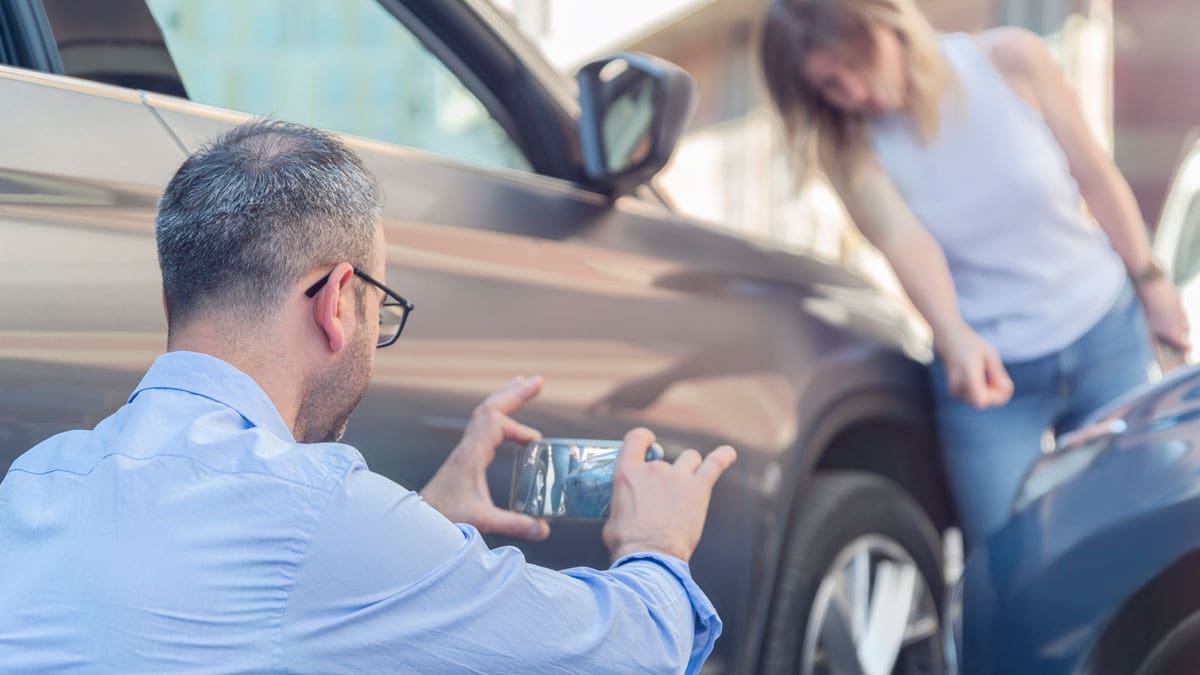
Technically, yes, but for most people without injuries, there’s a more useful set of things to understand before “sue” is even the right frame. What actually happens next tends to depend less on whether a lawsuit is possible and more on what kind of insurance coverage is involved, and how smoothly the claim itself goes. Here’s the order those questions tend to come up in.
Right After the Accident
What tends to matter later, once a claim is underway, is often shaped by the minutes right after a collision. Photos of all vehicles involved, the damage, and license plates tend to be useful down the line. Exchanging insurance information and getting a police report on file is standard practice, and contact information for any witnesses nearby can matter if fault becomes a question later. It’s also common for physical symptoms to not show up right away, adrenaline can mask pain from whiplash or soft tissue injuries for hours or even days, so noting how the body feels in the aftermath, even when nothing seems wrong, tends to be useful information later on.
For a free legal consultation, call (725) 900-9000
Collision Coverage or Liability Coverage: How Property Claims Generally Work
There are generally two paths a property damage claim can take. One is through the vehicle owner’s own collision coverage, when it’s part of the policy. Collision coverage is no-fault; it pays out for repairs regardless of who caused the accident, a deductible applies. Later, the insurance company then pursues the at-fault driver’s insurer to recover what it paid out. The other path is filing a claim directly against the at-fault driver’s liability coverage. That route doesn’t involve a deductible, but it depends on fault being established, and it means negotiating with the other driver’s insurance company.
Which path is used often comes down to what policies are available. Checking a policy’s declarations page for collision coverage is usually the first thing that clarifies the available options. When both are available, going through one’s own collision coverage tends to be the faster route, as the insurance company does not have to determine liability first.
Pushback You Might Run Into
Insurance claims for a no-injury accident don’t always move smoothly, and a few types of pushback tend to come up.
Fault is a common one. An insurance company can dispute who was actually responsible for the accident. This tends to surface most directly when dealing with the at-fault driver’s insurer, but it can also show up around the edges of a collision claim, since comparative fault can affect how much of a deductible ends up being recovered through subrogation.
Whether a collision happened, or what it damaged, can also come up as a point of dispute. An insurance company may question whether the reported damage actually matches the incident, or whether some of it pre-existed the accident. This is generally where the documentation gathered right after the accident matters most: photos of the vehicles and damage, witness statements, and a police report tend to be what resolves this kind of question.
Valuation is a related but separate issue. An insurance company’s estimate of what a vehicle is worth to repair or replace can come in lower than expected. When collision coverage is involved, this tends to be worked out through the policy’s appraisal process. When negotiating directly against the at-fault driver’s insurance company, the same kind of dispute plays out more like a direct back-and-forth, with less built-in structure to fall back on.
Click to contact our personal injury lawyers today
When Legal Help Tends to Matter
Most no-injury accidents get resolved through the claims process without attorney involvement ever becoming necessary. A few situations tend to be the exception: a disputed fault or valuation claim that isn’t backed by collision coverage, particularly on a vehicle significant enough that the numbers involved are substantial; or physical symptoms that emerge in the days following an accident, which shifts the situation from a property question into a personal injury matter worth having evaluated. Outside of those situations, most people find the process resolved through their insurance company directly.
No obligation consultations are always free.
Let Us Help You! Call Now: (725) 900-9000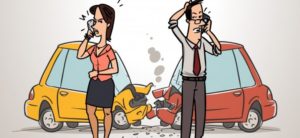 DEALING WITH INSURANCE COMPANIES IN A PERSONAL INJURY ACCIDENT
Dealing with insurance companies can be the most frustrating part of handling a personal injury claim. Whether your claim comes from a car accident, medical malpractice, workman’s comp, or dog bite ...
 FRIENDS DON’T LET FRIENDS TEXT AND DRIVE
Texting and hand-held cell phone use is illegal in Nevada.The National Highway Traffic Safety Administration (NHTSA) reported that in 2014, distracted drivers caused thousands of accidents across th...
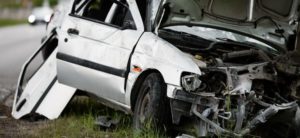 “MINOR” CAR ACCIDENTS ARE SERIOUS
“Minor” car accidents, perhaps caused by inattention or carelessness, can still cause a great deal of pain and suffering. According to the National Highway Traffic Administration, over 2 million peo...
 LAS VEGAS RANKS LOW FOR DRIVER SAFETY
Recently, Las Vegas ranked 144 out of 200 cities in the United States for driver safety. The recent report reveals that drivers in Las Vegas have a car accident every eight years and are an astoundi...