
Why Left-Turn Crashes Lead to So Many Disputes
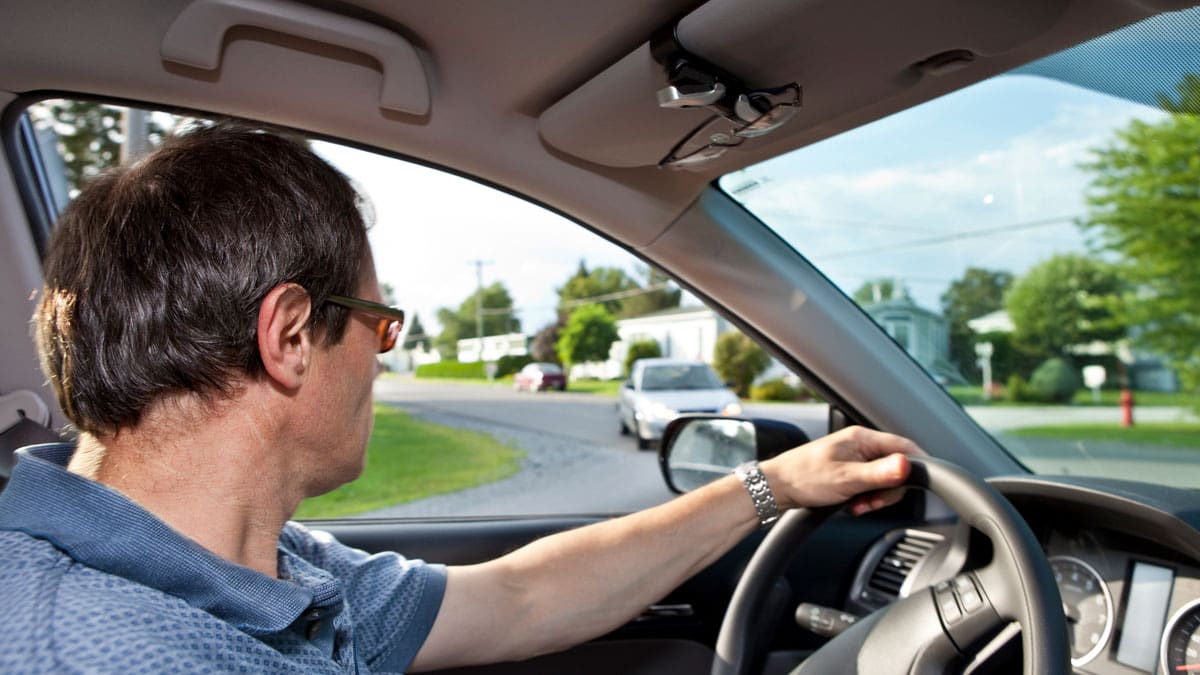
Of all the common car accident types, left-turn crashes generate some of the most contested cases. On the surface, fault often looks clear: the driver turning left is expected to yield to oncoming traffic, and a collision usually means the turning driver did not yield. The reality is more complicated. Left-turn crashes routinely produce disputes about timing, visibility, signal phase, oncoming driver speed, and the exact position of each vehicle at the moment of impact.
Nationwide, the National Highway Traffic Safety Administration reports that left turns are involved in a significant share of intersection collisions. In Nevada, the busy urban grids in Las Vegas, the dense traffic on Sahara, Tropicana, Charleston, and other major arterials, and the high volume of out-of-state drivers all combine to produce a steady stream of left-turn incidents each year. Understanding why these crashes are so often disputed, what the law actually requires, and how evidence is used to resolve them is essential for anyone injured in this kind of collision.
The Default Rule and Where It Comes From
Nevada law sets out a clear default for left-turn situations. Under NRS 484B.253, a driver intending to turn left within an intersection must yield the right-of-way to any vehicle approaching from the opposite direction that is within the intersection or close enough to constitute an immediate hazard. Once the left-turning driver has properly yielded and signaled, oncoming drivers are required to yield to the vehicle making the turn.
This statute creates the starting presumption that controls many left-turn cases: if a turning driver crosses the path of oncoming traffic and a collision occurs, the turning driver is usually presumed to have failed to yield. Police officers writing the initial report often note this presumption, and insurance adjusters use it to deny or reduce claims by the turning driver.
That presumption is not the end of the inquiry. The statute itself requires the turning driver to yield only when an oncoming vehicle is close enough to constitute an immediate hazard, language that leaves substantial room for argument about what counted as a safe gap and what counted as a hazard that should have been avoided.

For a free legal consultation, call (725) 900-9000
Why the Default Rule Is Not the End of the Story
Several factors can complicate the straightforward application of the yielding rule:
- The oncoming driver was traveling well above the speed limit, making the gap appear safe at the moment the turn began
- The oncoming driver entered the intersection on a yellow or red light
- The oncoming driver was distracted, intoxicated, or otherwise impaired
- A protected left-turn arrow was active when the turn was initiated
- The oncoming driver changed lanes suddenly into the path of the turn
- A view-obstructing vehicle in another lane blocked the turning driver’s view of oncoming traffic
- Road conditions, glare, or weather affected visibility and reaction time
Each of these scenarios can shift fault away from the left-turning driver, sometimes entirely. The factual specifics of a left-turn crash matter enormously, and a quick presumption based on the type of collision can give way to a very different conclusion once the full picture is assembled.
Common Scenarios That Generate Disputes
Left-turn crashes tend to fall into a handful of recurring patterns, each with its own dispute dynamics:
- Standard intersection turns where the turning driver claims to have had a sufficient gap that the oncoming driver closed by speeding
- Protected left-turn arrow situations where one driver insists the arrow was green and the other insists it had already changed
- Permissive left turns at signaled intersections where the turning driver moved into the intersection on a green light but waited for a gap
- Driveway and parking lot exits where a vehicle turning left across a public roadway is struck by oncoming traffic
- Multi-lane oncoming traffic situations where a courtesy wave from one driver led the turning driver to believe the path was clear
- Truck or commercial vehicle wide turns where a large vehicle swung wide before completing the turn
- Crashes at intersections with poor signal timing, obstructed sightlines, or recently changed markings
Each pattern produces its own evidence questions, witness considerations, and reconstruction challenges.
Click to contact our personal injury lawyers today
Evidence That Can Tip a Left-Turn Case
The outcome of most left-turn disputes comes down to evidence, and the right evidence often turns a losing case into a winning one. Key sources include:
- Traffic signal timing records from local transportation departments
- Surveillance footage from nearby businesses, banks, gas stations, or government buildings
- Dashcam footage from either vehicle or from witnesses
- Event data recorders, or black boxes, in modern vehicles
- Skid marks, debris patterns, and impact damage analyzed by an accident reconstructionist
- Witness statements from independent third parties without a stake in the outcome
- Cell phone records showing whether either driver was on a call or texting
Much of this evidence is time-sensitive. Surveillance footage from private businesses is often overwritten within days. Signal timing logs may be archived but become harder to obtain over time. Documenting the scene and acting quickly to preserve evidence is critical, particularly in cases where the initial police report assigns fault based on the standard presumption.
Complete a Free Case Evaluation form now
Common Injuries in Left-Turn Crashes
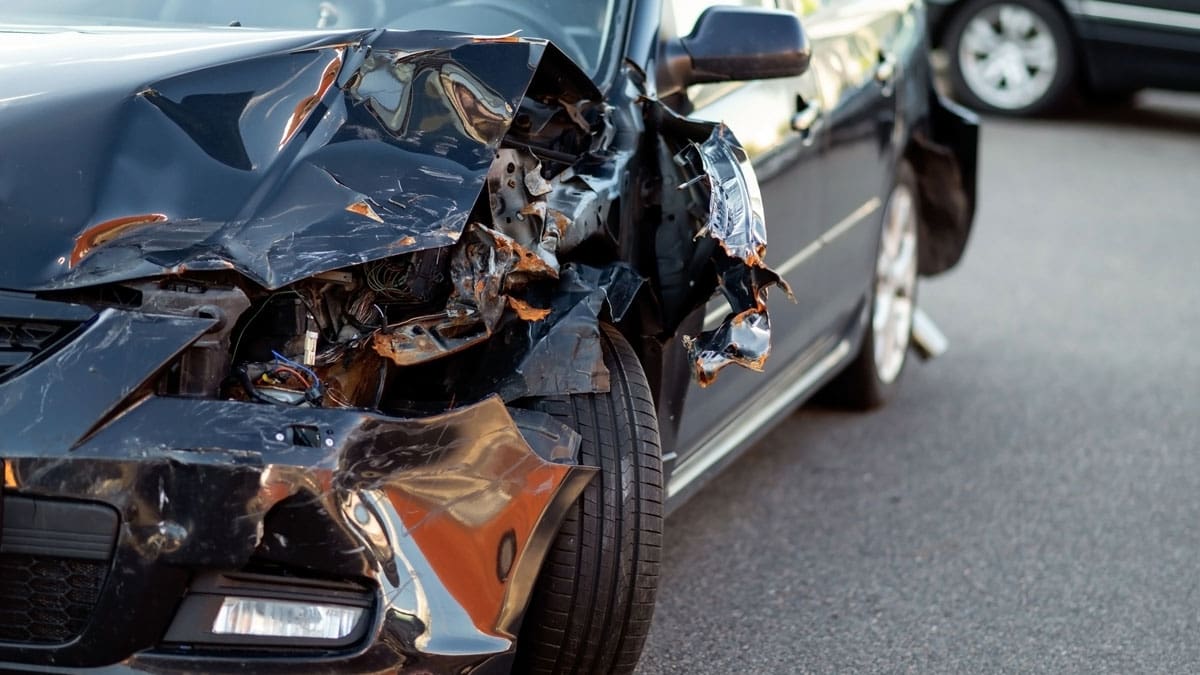
The geometry of a left-turn collision often produces side-impact damage to one or both vehicles. The driver and front passenger of the side-struck vehicle absorb energy that has very little crumple zone between them and the point of impact. Common injuries include:
- Traumatic brain injuries and concussions from head contact with side windows, pillars, or airbags
- Spinal cord injuries from the lateral force of a T-bone impact
- Broken ribs, clavicles, and sternum from seat belt restraint
- Pelvic and hip fractures from intrusion of the door into the cabin
- Shoulder injuries from the seat belt and from bracing against the door
- Internal organ injuries to the liver, spleen, kidneys, and bowels
- Knee and lower-leg injuries from intrusion of the lower dashboard
Side-impact crashes are particularly dangerous because vehicles offer less structural protection on the sides than on the front or rear. Modern side airbags and reinforced door beams have improved survivability, but injuries in left-turn crashes still tend to be more severe than in many other crash types.

What to Do After a Left-Turn Crash
The steps taken in the hours and days after a left-turn collision can shape the outcome of a future claim. Injured drivers should:
- Seek immediate medical evaluation, even if injuries appear minor at the scene
- Photograph the vehicles, the intersection, traffic signals, signage, and the surrounding area
- Identify witnesses and collect their contact information before they leave
- Note the position of vehicles, traffic signal phase, and weather conditions
- Request a copy of the police report and review it carefully for errors
- Avoid giving recorded statements to insurance representatives without legal guidance
- Consult a personal injury attorney before signing any release or accepting settlement offers
Insurance adjusters often act quickly after a left-turn crash to lock in a fault determination that favors their insured. A delay in seeking legal help can leave the injured driver fighting against an entrenched insurance position.
Compensation Available After a Left-Turn Crash
Injured drivers in Nevada may be eligible to recover compensation for a range of losses connected to a left-turn crash. Damages typically pursued include:
- Emergency room treatment and ambulance transport
- Hospital bills, surgical costs, and inpatient care
- Diagnostic imaging such as CT scans, MRIs, and X-rays
- Follow-up care with orthopedic specialists, neurologists, and rehabilitation providers
- Prescription medications and medical equipment
- Physical therapy and occupational therapy
- Property damage and vehicle repair or replacement
The total value of a claim depends on the severity of the injuries, the medical documentation available, the resources of the responsible parties, and the strength of the evidence connecting the crash to the harm.
Statute of Limitations in Nevada
Nevada law sets strict deadlines for filing personal injury claims. Under the state’s two-year statute of limitations, an injured driver generally has two years from the date of the crash to file a lawsuit.
Cases involving government entities, commercial vehicles, or out-of-state defendants can involve additional procedural rules. Missing the applicable deadline can permanently bar recovery, regardless of how strong the underlying case may be.
How Van Law Firm Can Help
Van Law Firm represents drivers injured in left-turn crashes throughout Nevada. The firm has handled cases involving disputed fault, conflicting witness accounts, signal-timing disputes, and crashes involving commercial vehicles, rideshare drivers, and out-of-state motorists. Our attorneys work with accident reconstructionists, signal-timing experts, and medical specialists to challenge improper fault determinations and build strong claims for our clients.
Van Law Firm serves clients throughout Nevada, including Las Vegas, Henderson, Reno, and surrounding communities.
No Fees Unless You Win
Van Law Firm handles personal injury cases on a contingency fee basis. This means:
- There are no upfront costs to begin your case
- You pay no hourly fees during the representation
- Legal fees are only collected if compensation is recovered
- Consultations are free and confidential
Contact Van Law Firm Today
If you or someone close to you has been injured in a left-turn crash in Nevada, Van Law Firm is ready to evaluate your case and challenge any improper fault determination. Free consultations help injured drivers understand their legal options under Nevada law.
No obligation consultations are always free.
Let Us Help You! Call Now: (725) 900-9000 Forklift Accidents & Lawsuits
Forklift incidents commonly occur in the workplace and can cause serious injuries or even death. There are around 20,000 workers in the United States who suffer from these injuries each year. In an ...
 Video Games: Innocent Fun or addictive menace?
If your child was seriously injured due to video game addiction, Van Law Firm Can Help Video Games are everywhere and there is hardly anyone who does not know what they are. More than 200 million pe...
 What You Need To Know About Filing A Suboxone Tooth Decay Lawsuit
Not all that long ago, opioid misuse was so rampant in the United States that experts classified it as a crisis. They say the trouble started back in the 1990s, when prescription opioid medications ...
 Your Rights as a Pedestrian in Las Vegas Crosswalk Accidents
Las Vegas is one of the busiest pedestrian cities in the country, with millions of residents and visitors crossing streets every day, especially along the Strip, in downtown areas, and near resident...