
Nevada Left-Turn Accidents and Common Liability Issues
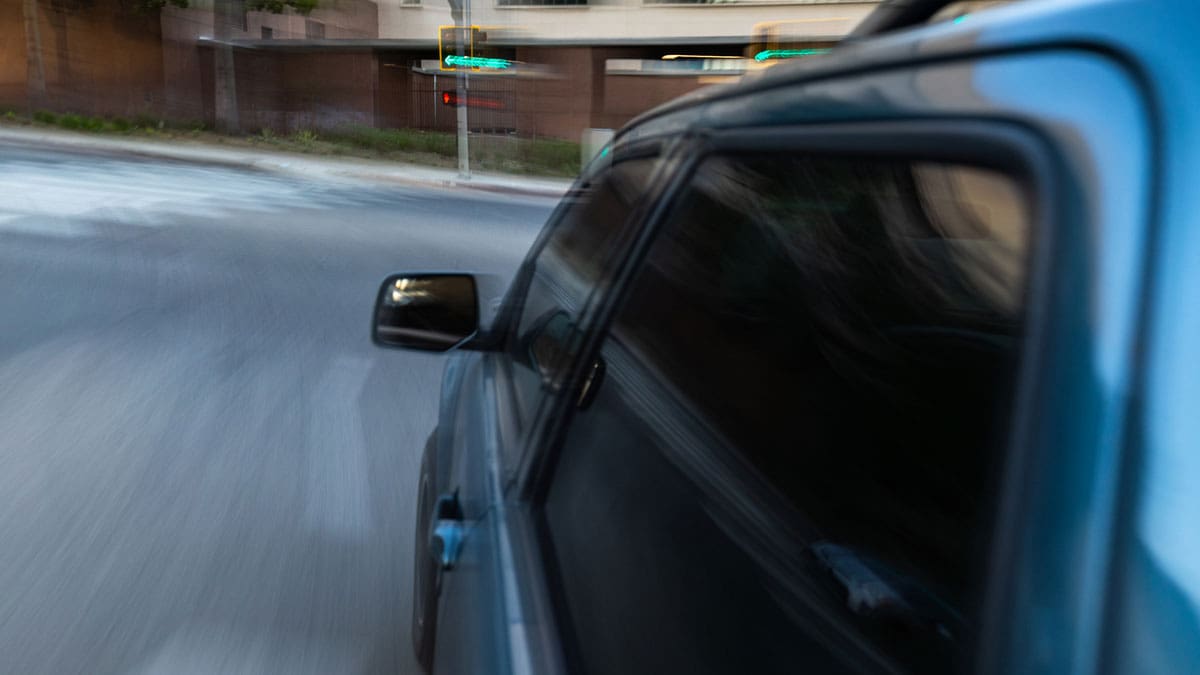
Left-turn accidents remain one of the most frequent injury crash types on Nevada roads. Their frequency is matched by their legal complexity. The question of who bears responsibility in a left-turn collision often reaches far beyond the two drivers directly involved. Employers of commercial drivers, vehicle owners, and insurance policies of varying scope can all become relevant to the outcome of a case.
Understanding the standard fault framework, the situations where liability shifts or expands beyond the turning driver, and the insurance realities that shape recovery is essential for anyone injured in a left-turn crash in Nevada.
The Legal Framework for Left-Turn Fault
Nevada law establishes a starting rule for left-turn situations under NRS 484B.253. A driver making a left turn must yield the right-of-way to oncoming vehicles that are either already in the intersection or close enough to be an immediate hazard. This rule creates a presumption that when a left-turning driver crosses into the path of oncoming traffic and a crash results, the turning driver failed to yield.
The presumption is important but not the entire analysis. Nevada law also imposes reciprocal duties on all drivers, including the duty to obey speed limits, maintain attention, respond to signals, and avoid impaired or reckless driving. When the oncoming driver breached one or more of these duties in a way that contributed to the crash, the liability picture changes.

For a free legal consultation, call (725) 900-9000
When the Turning Driver Bears Primary Responsibility
In many left-turn crashes, the turning driver bears the largest share of responsibility. Common patterns include:
- Turning across oncoming traffic without a clear gap
- Failing to signal the intended turn
- Turning against a solid green light without confirming the path was clear
- Turning from an improper lane or across multiple lanes
- Turning without adjusting speed for weather or visibility conditions
- Turning into a driveway or parking lot without checking for oncoming traffic
- Making a delayed turn after a signal has already changed
These patterns share a common theme. The turning driver had an obligation to confirm the path was safe before beginning the turn. When that obligation was not met, the resulting collision typically points to the turning driver as the primary responsible party.
When the Oncoming Driver May Share or Shift Liability
The oncoming driver’s conduct also affects the liability analysis. Nevada courts recognize that even when the turning driver initiated the crash, an oncoming driver whose own conduct contributed to the outcome may share responsibility. Situations that support fault attribution to the oncoming driver include:
- Excessive speeding that eliminated a gap the turning driver reasonably expected
- Running a red or yellow light at the entry to the intersection
- Distracted driving that prevented the oncoming driver from reacting in time
- Impaired driving from alcohol, drugs, or fatigue
- Failure to activate headlights during low-visibility conditions
- Sudden lane changes into the path of the turn
- Failure to yield to signal control at the intersection
In cases with mixed conduct, the injured party’s counsel typically works with accident reconstructionists to establish exactly how the sequence unfolded. Timing of the light phases, vehicle speeds, and signal responses all become important factual questions.

Click to contact our personal injury lawyers today
Third-Party Liability Beyond the Two Drivers
Left-turn crashes frequently involve parties beyond the two drivers. Potentially responsible parties include:
- The employer of one of the drivers, when the driver was on the clock at the time of the crash
- A rideshare, delivery, or commercial vehicle operator whose driver caused the collision
- The owner of a vehicle, when different from the driver
- A construction contractor whose work zone altered the intersection layout
- A maintenance contractor responsible for signal or roadway upkeep
- Another motorist whose lane change or conduct caused the drivers to make sudden movements
Sight-line obstructions, poorly timed protected turns, and failed signal maintenance can each support a claim against a responsible public agency. These claims involve shorter notice deadlines and different procedural rules than standard driver claims.
When multiple parties share responsibility, the practical effect on recovery can be significant. A single at-fault driver with minimum insurance may carry only modest liability coverage. The same crash with an additional employer defendant carrying commercial coverage and a government defendant with municipal insurance may involve substantially more available protection. Identifying every party helps ensure that serious injuries are met with adequate resources for recovery.
Complete a Free Case Evaluation form now
Insurance Coverage in Left-Turn Cases
Insurance coverage in left-turn cases can involve multiple layers and multiple carriers. Common coverage sources include:
- The at-fault driver’s personal auto liability policy
- The employer’s commercial auto liability policy for commercial drivers
- The at-fault driver’s umbrella policy for damages exceeding primary coverage
- The injured party’s medical payments coverage on their own policy
- The injured party’s uninsured or underinsured motorist coverage
- Health insurance for medical treatment, subject to subrogation
- Homeowners umbrella policies in limited circumstances
Uninsured and underinsured motorist coverage becomes particularly important when the at-fault driver carries only minimum policy limits. Nevada requires only modest minimum liability coverage, which can leave serious injury cases well beyond what the responsible driver’s policy will pay. UM and UIM coverage on the injured party’s own policy can bridge that gap.
Evidence That Establishes Liability
Building a strong liability position in a left-turn case depends on documentary and physical evidence gathered while it remains available. Important sources include:
- Traffic signal timing logs from the local transportation authority
- Surveillance footage from businesses, banks, gas stations, and traffic cameras
- Dashcam footage from either driver or nearby motorists
- Event data recorder information from modern vehicles
- Cell phone records showing calls, texts, or app use at the time of the crash
- Independent witness statements
- Reconstruction analysis of vehicle damage, skid marks, and rest positions
Signal timing records are frequently the single most important piece of evidence in left-turn cases involving protected or permissive signals. Cell phone records can prove distraction on either side. Modern vehicle data recorders capture information about speed, braking, and steering inputs in the seconds before impact.
What to Do After a Left-Turn Crash
The steps taken in the hours and days after a left-turn crash can significantly affect the strength of any future claim. Injured drivers should:
- Seek immediate medical evaluation, even when injuries appear minor at the scene
- Photograph the intersection, signal displays, vehicles, and any visible defects
- Identify witnesses and collect their contact information before they leave
- Request a copy of the police report and review it carefully for accuracy
- Avoid giving recorded statements to insurance representatives without legal guidance
- Consult a personal injury attorney before signing any release or accepting settlement offers
Documenting the scene is especially important in left-turn cases because signal timing, vehicle position, and sight-line conditions all become central factual questions. Photographs taken from the perspective each driver would have had can be particularly persuasive.
Statute of Limitations in Nevada
Nevada law sets strict deadlines for filing personal injury claims. Under the state’s two-year statute of limitations, an injured driver generally has two years from the date of the crash to file a lawsuit.
Cases involving government entities can have shortened notice requirements, sometimes as brief as six months. Missing the applicable deadline can permanently bar recovery, regardless of how strong the underlying case may be.
How Van Law Firm Can Help
Van Law Firm represents drivers, passengers, and pedestrians injured in left-turn crashes throughout Nevada. The firm has handled cases involving disputed fault, commercial vehicles, government defendants, and multi-vehicle intersection collisions. Our attorneys work with accident reconstructionists, signal-timing experts, and medical specialists to develop the factual record needed to establish full liability and pursue every available source of coverage.
Van Law Firm serves clients throughout Nevada, including Las Vegas, Henderson, Reno, and surrounding communities.
No Fees Unless You Win
Van Law Firm handles personal injury cases on a contingency fee basis. This means:
- There are no upfront costs to begin your case
- You pay no hourly fees during the representation
- Legal fees are only collected if compensation is recovered
- Consultations are free and confidential
Contact Van Law Firm Today
If you or someone close to you has been injured in a left-turn crash in Nevada, Van Law Firm is ready to evaluate the case and identify every party whose negligence may have contributed. Free consultations help injured drivers understand their legal options and the coverage available under Nevada law.
No obligation consultations are always free.
Let Us Help You! Call Now: (725) 900-9000 Forklift Accidents & Lawsuits
Forklift incidents commonly occur in the workplace and can cause serious injuries or even death. There are around 20,000 workers in the United States who suffer from these injuries each year. In an ...
 Video Games: Innocent Fun or addictive menace?
If your child was seriously injured due to video game addiction, Van Law Firm Can Help Video Games are everywhere and there is hardly anyone who does not know what they are. More than 200 million pe...
 What You Need To Know About Filing A Suboxone Tooth Decay Lawsuit
Not all that long ago, opioid misuse was so rampant in the United States that experts classified it as a crisis. They say the trouble started back in the 1990s, when prescription opioid medications ...
 Your Rights as a Pedestrian in Las Vegas Crosswalk Accidents
Las Vegas is one of the busiest pedestrian cities in the country, with millions of residents and visitors crossing streets every day, especially along the Strip, in downtown areas, and near resident...