
Who Can Be Held Liable? Identifying the Responsible Parties in a Nevada Car Accident Claim
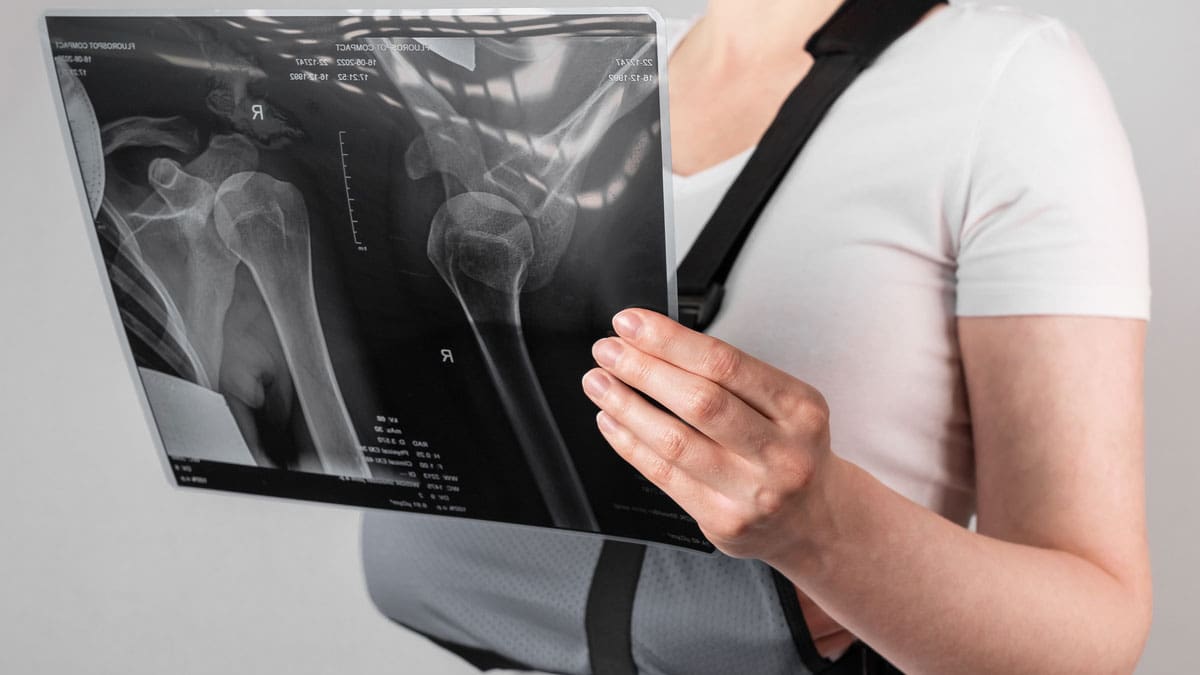
When a car accident happens, injury victims often assume the driver who hit them is the only party who can be held accountable. In reality, a thorough investigation frequently reveals that liability extends further than the vehicle directly involved in the collision. Identifying every potentially responsible party is one of the most important steps in building a personal injury claim, because it can directly affect how much compensation is available to cover medical bills, lost wages, and other losses. Under Nevada law, several categories of parties may share fault in a typical car accident case.
The At-Fault Driver
In most car accident claims, the primary point of liability is the driver whose negligence caused the crash. This is often the driver who ran a red light, was speeding, was texting behind the wheel, or was driving under the influence at the moment of impact. As the party whose conduct directly set the collision in motion, this driver is typically the first, and most obvious, party named in a personal injury claim.
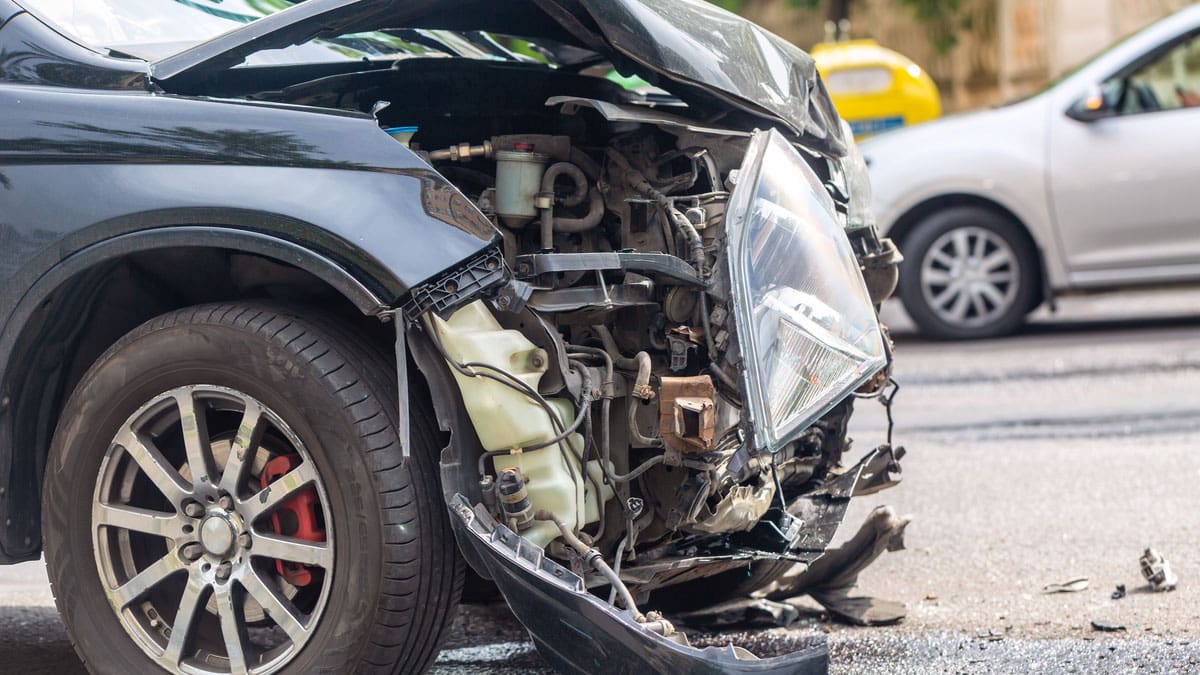
For a free legal consultation, call (725) 900-9000
Other At-Fault Drivers
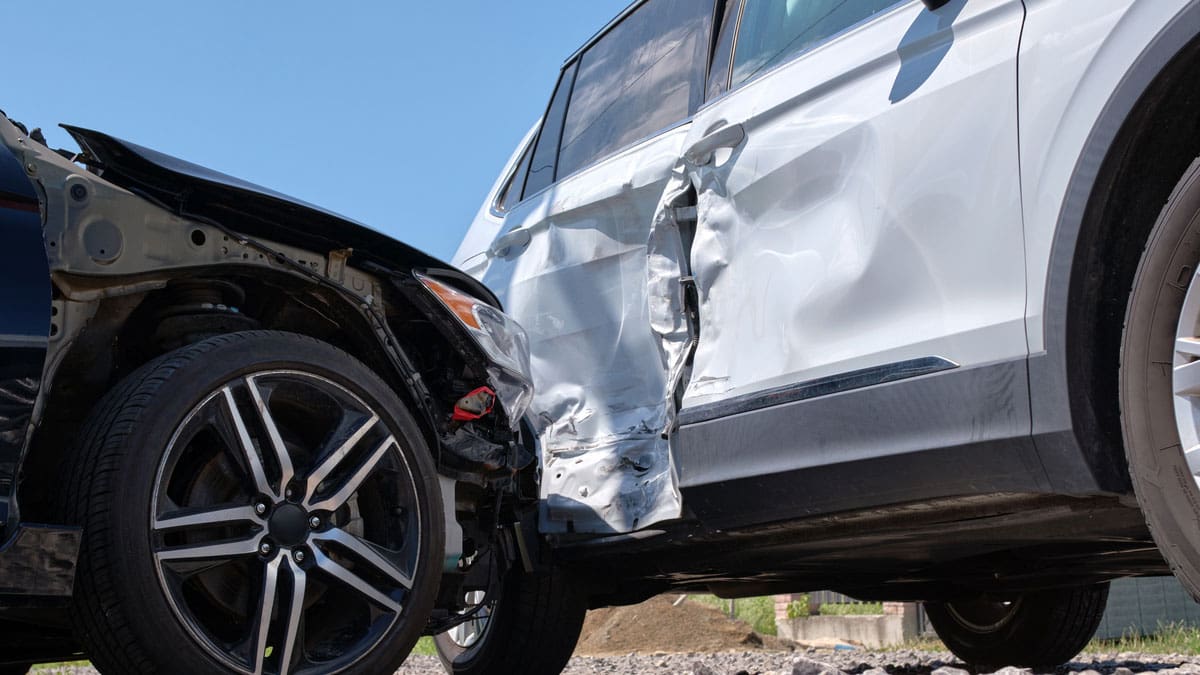
Car accidents don’t always involve just two vehicles. Multi-car pileups and chain-reaction collisions are common, particularly on Nevada’s busier highways and interstates. When more than one driver contributed to the crash. For example, in a chain-reaction pileup where a following vehicle rear-ends another car after an initial collision, each driver whose actions played a role can be identified as a separate liable party. Determining exactly which drivers contributed, and how, typically requires reconstructing the sequence of events through police reports, dash-cam footage, or witness statements.
Employers
If the driver who caused the accident was operating a vehicle within the scope of their employment at the time of the crash, their employer may also be held liable under the legal doctrine of respondeat superior (vicarious liability). This can apply to delivery drivers, sales representatives making calls in a company vehicle, commercial truckers, or any employee driving as part of their job duties. Because businesses typically carry higher policy limits and commercial insurance coverage than individual drivers, pursuing a claim against an employer can significantly affect the total compensation available. Establishing employer liability generally requires showing that the employee was acting within the course and scope of employment, rather than engaged in a purely personal errand, at the time of the accident.
Click to contact our personal injury lawyers today
Rideshare Companies
The rise of rideshare services like Uber and Lyft has added a new layer of complexity to Nevada car accident claims. Liability, and the insurance coverage available, can shift depending on the rideshare driver’s status at the time of the crash:
- App off: The driver’s personal auto policy applies, as with any private driver.
- App on, waiting for a ride request: Rideshare companies typically provide limited contingent liability coverage.
- En route to pick up a passenger or during an active trip: Rideshare companies generally carry significantly higher liability coverage, which can substantially expand the compensation available to injured victims, including passengers, other drivers, and pedestrians.
Pursuing a rideshare-related claim carries two practical advantages over relying on a driver’s personal policy alone. First, a driver’s personal auto insurer may deny coverage altogether for a crash that happens while the driver is working, since many personal policies exclude commercial or rideshare use. Second, the insurance policies Uber and Lyft carry for their drivers typically offer far higher coverage limits than an individual policy would. A claim may still name Uber or Lyft as a defendant to make sure every potentially liable party is on record, but because drivers are classified as independent contractors rather than employees, the money to resolve the claim typically comes from the insurance carrier underwriting the rideshare company’s policy — not from Uber or Lyft directly.
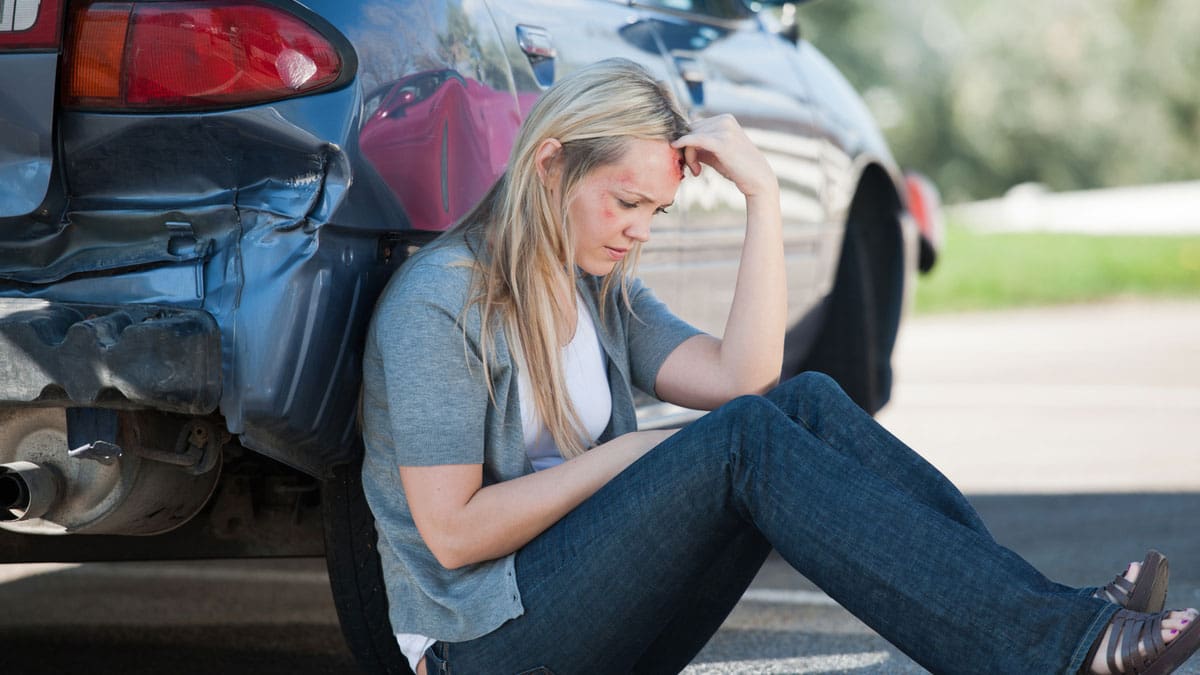
Complete a Free Case Evaluation form now
The Role of Insurance Companies
While an insurance company is not “at fault” in the traditional sense, it plays a central role in nearly every personal injury claim. The at-fault party’s liability insurer is typically responsible for paying a settlement or judgment up to the policy limits. When those limits are insufficient to cover the full extent of an injury victim’s losses, Nevada drivers can also turn to their own underinsured/uninsured motorist (UM/UIM) coverage. Insurance companies, in other words, are rarely the “responsible” party in the traditional sense; they didn’t cause the accident. But in nearly every case, they’re the ones actually writing the check: whichever party is found liable, it’s typically that party’s insurer, not the individual or company itself, who pays the settlement or judgment.
Why Identifying All Liable Parties Matters
Every additional party found responsible for an accident represents another potential source of compensation. A thorough investigation, including police reports, witness statements, employment records, and rideshare trip data, can reveal parties that might not be obvious at first glance. For anyone injured in a Nevada car accident, working with an experienced personal injury attorney to identify every liable party is often the difference between a settlement that covers only immediate expenses and one that accounts for the full scope of long-term damages.
No obligation consultations are always free.
Let Us Help You! Call Now: (725) 900-9000 Forklift Accidents & Lawsuits
Forklift incidents commonly occur in the workplace and can cause serious injuries or even death. There are around 20,000 workers in the United States who suffer from these injuries each year. In an ...
 Video Games: Innocent Fun or addictive menace?
If your child was seriously injured due to video game addiction, Van Law Firm Can Help Video Games are everywhere and there is hardly anyone who does not know what they are. More than 200 million pe...
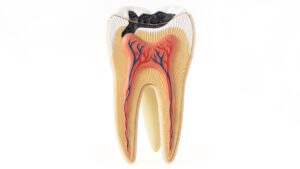 What You Need To Know About Filing A Suboxone Tooth Decay Lawsuit
Not all that long ago, opioid misuse was so rampant in the United States that experts classified it as a crisis. They say the trouble started back in the 1990s, when prescription opioid medications ...
 Your Rights as a Pedestrian in Las Vegas Crosswalk Accidents
Las Vegas is one of the busiest pedestrian cities in the country, with millions of residents and visitors crossing streets every day, especially along the Strip, in downtown areas, and near resident...