
What to Expect When Working with a Bicycle Accident Lawyer
Legally reviewed by Sandy Van (Bar No. 10785). Updated October 2026.
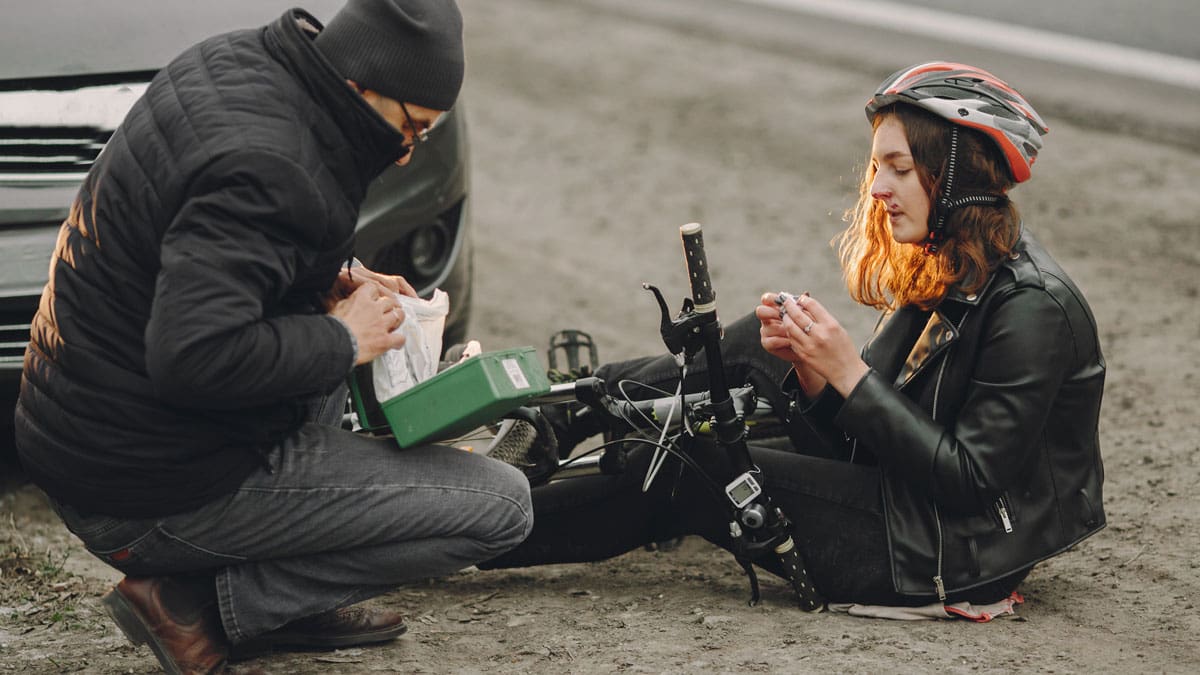
If you were hurt in a bicycle crash, hiring a lawyer usually means a free first conversation, a written fee agreement, and a lawyer who takes over dealing with insurance companies while you focus on your recovery. Most of the process is a series of stages. Knowing them ahead of time can make the experience less stressful.
The Initial Consultation
Most bicycle accident lawyers offer a free consultation. This is a chance for the attorney to hear what happened and for you to decide whether the firm is a good fit. Expect to be asked about the crash, your injuries, your treatment so far, and any contact you’ve had with insurance companies.
It helps to bring what you have:
- The police report or report number
- Photos or video of the scene, your injuries, and your bicycle
- Medical records and bills
- Your insurance information
- Names of any witnesses
- Any letters or messages from an insurance company
You don’t need everything to get started. A lawyer can help gather missing records once you’ve hired them.

For a free legal consultation, call (725) 900-9000
The Fee Agreement
Most personal injury lawyers work on a contingency fee basis. You don’t pay attorney’s fees up front, and the fee is a percentage of the money recovered. Under the Nevada Rules of Professional Conduct, a contingency fee agreement must be in writing and explain how the fee is calculated.
Investigation of Your Claim
After you hire a lawyer, they begin looking into how the crash happened and who may be responsible. That can involve reviewing the police report, collecting medical records, and identifying witnesses and any available video. It also includes working out which insurance policies might apply.
Nevada law gives cyclists the same rights and duties as other vehicle operators on public roads. Drivers also have specific duties around bicycles. Under NRS 484B.270, a driver passing a cyclist must change lanes when possible or leave at least three feet of space. A lawyer will evaluate whether a driver’s actions violated these rules.
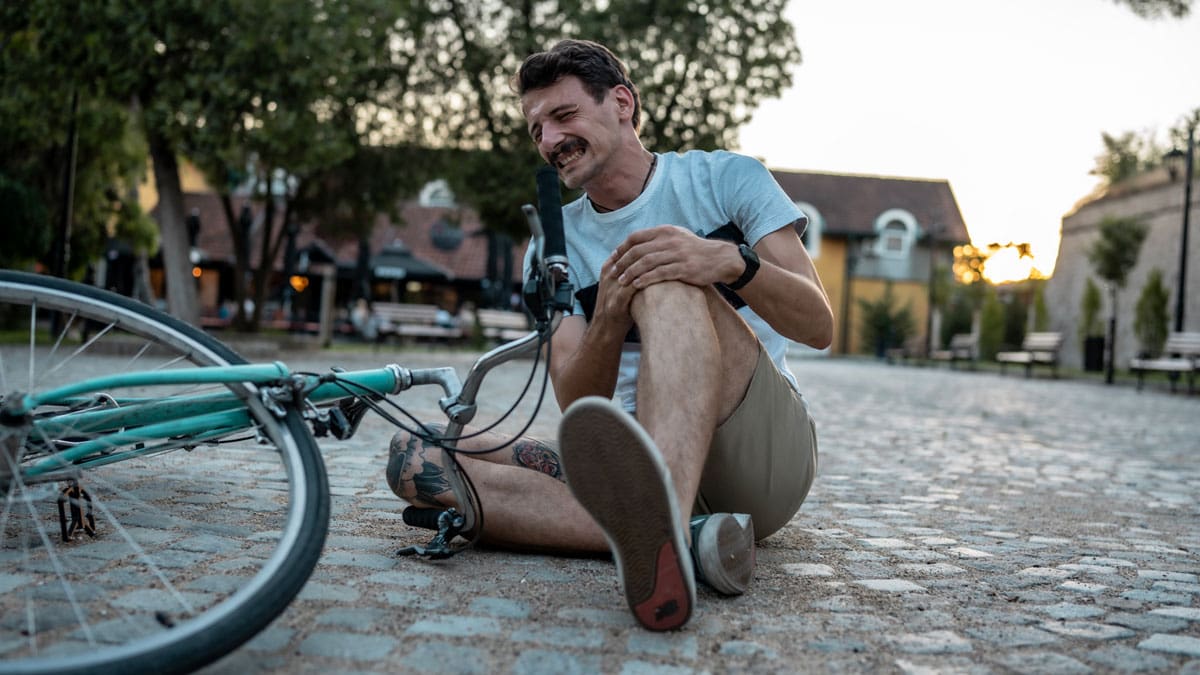
Insurance can come from more than one place. If the at-fault driver has no insurance or too little, your own policy’s uninsured or underinsured motorist coverage may apply, even when you were on a bicycle instead of in a car. Nevada insurers must offer this coverage. Some cyclists also carry bicycle-specific insurance, and those policies, along with auto policies, may include medical payments or vehicle contact coverage. Your lawyer can review every policy you have.
Click to contact our personal injury lawyers today
Dealing with Insurance Companies
Once a lawyer represents you, insurance adjusters generally communicate with the lawyer instead of with you. That matters because insurers often ask injured people for recorded statements or offer quick settlements early, before the full extent of the injuries is known. Your lawyer can advise you on what to say, and whether to say anything, and can respond to requests on your behalf.
Complete a Free Case Evaluation form now
Your Role in the Case
Your lawyer does much of the work, but you have a part too:
- Follow your treatment plan. Attend appointments and tell your providers about all of your symptoms. Gaps in treatment can be used to question the seriousness of an injury.
- Be honest. Tell your lawyer about prior injuries or anything that might complicate your case. Surprises are harder to deal with later.
- Keep records. Save bills, receipts, and notes about missed work and how the injury affects daily life.
- Be careful online. Social media posts can be taken out of context.
- Stay in touch. Respond promptly when your lawyer needs information or a decision.
Ask at the start how the firm communicates and who your main contact will be.
Negotiation and Settlement
When your medical picture is clear enough to understand the full impact of your injuries, your lawyer will typically present your claim to the insurance company and negotiate. Compensation in a bicycle accident claim can include medical expenses, lost income, and the physical and emotional effects of the injury. What is available depends on the facts of your case and on the insurance coverage.
The decision to accept a settlement is yours. Your lawyer can explain the offer and the risks of continuing so you can make an informed choice.
If a Lawsuit Becomes Necessary
Many claims resolve without a lawsuit, but not all do. If the insurance company won’t offer fair compensation, your lawyer may recommend filing suit. Litigation adds steps, including exchanging information, depositions, and possibly a trial. In some Nevada courts, certain cases are sent to non-binding arbitration before trial.
How Long Does It Take?
There’s no single answer. A straightforward claim may resolve in a couple of months. A case with serious injuries, disputed fault, or a lawsuit can take a year or longer. A lawyer shouldn’t promise a specific outcome or timeline, so be cautious of anyone who does.
Nevada Rules That Affect Timing and Recovery
The deadline. Most Nevada personal injury lawsuits must be filed within two years of the crash under NRS 11.190(4)(e). Missing it can end your claim, so speak with a lawyer early.
Shared fault. Nevada follows a modified comparative negligence rule under NRS 41.141. If you’re partly at fault, your recovery is reduced by your percentage of fault. If your negligence is greater than that of the parties you’re suing, you can’t recover. Insurers often argue that a cyclist was partly to blame, which is one reason evidence gathered early matters.
No obligation consultations are always free.
Let Us Help You! Call Now: (725) 900-9000 The Most Common Bicycle Accident Injuries
Bicycling is a popular form of transportation and recreation in Nevada, especially in urban areas like Las Vegas, Henderson, and Reno. Cyclists benefit from cleaner transportation, improved physical...
 Electric Bike Accidents: Safety Risks Riders Should Not Ignore
Electric bikes are becoming more common across Nevada, especially in areas like Las Vegas, Henderson, and Reno where riders use them for commuting and recreation. These devices offer convenience and...
 Nevada Bicycle Accident Claims and Driver Responsibility
Bicycle traffic on Nevada roads has grown steadily over the last two decades. Recreational riders on scenic routes near Red Rock Canyon and Lake Mead, commuters in Las Vegas and Reno, and delivery r...